

 登录
登录
I Read and write(根据图片提示完成句子)
1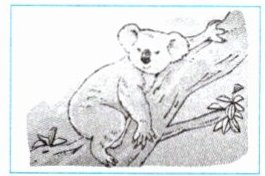
A:
B: It's not a mouse. It's a koala from
2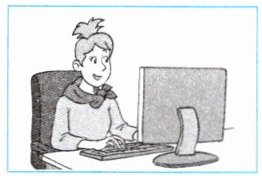
A: I'll go to Beijing
B: That's easy. You can find out about it
3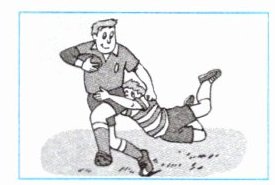
A:
B: Because they are very
4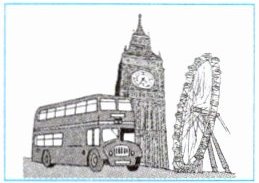
A: Where does Mike come from?
B: He
1
A:
What
a lovely mouse!B: It's not a mouse. It's a koala from
Australia
.2
A: I'll go to Beijing
this/next
month. I would like to know something about the city.B: That's easy. You can find out about it
on
the
Internet
.3
A:
Why
do many children like football games?B: Because they are very
exciting
.4
A: Where does Mike come from?
B: He
comes
from the UK
.答案
1 What, Australia
2 this/next, on the Internet
3 Why, exciting
4 comes, UK
2 this/next, on the Internet
3 Why, exciting
4 comes, UK
解析
【解析】
1. 第一句为感叹句,中心词是可数名词单数mouse,需用What引导;考拉原产于澳大利亚,故第二空填Australia。
2. 根据语境,第一空可填this或next表示“这个/下个月”;查询城市信息的常用表达是on the Internet。
3. 答语以Because开头,故问句用Why提问;形容足球比赛的特点用exciting符合语境。
4. 主语He是第三人称单数,谓语动词用comes;结合答案可知Mike来自英国(the UK)。
【答案】
1 What, Australia
2 this/next, on the Internet
3 Why, exciting
4 comes, UK
【知识点】
感叹句结构、固定短语搭配、特殊疑问句问答
【点评】
本题考查小学英语日常交际用语、固定搭配及基础词汇的运用,需结合图片提示与语境完成句子,侧重考查学生的语境理解能力和语言基础知识掌握情况。
【难度系数】
0.7
1. 第一句为感叹句,中心词是可数名词单数mouse,需用What引导;考拉原产于澳大利亚,故第二空填Australia。
2. 根据语境,第一空可填this或next表示“这个/下个月”;查询城市信息的常用表达是on the Internet。
3. 答语以Because开头,故问句用Why提问;形容足球比赛的特点用exciting符合语境。
4. 主语He是第三人称单数,谓语动词用comes;结合答案可知Mike来自英国(the UK)。
【答案】
1 What, Australia
2 this/next, on the Internet
3 Why, exciting
4 comes, UK
【知识点】
感叹句结构、固定短语搭配、特殊疑问句问答
【点评】
本题考查小学英语日常交际用语、固定搭配及基础词汇的运用,需结合图片提示与语境完成句子,侧重考查学生的语境理解能力和语言基础知识掌握情况。
【难度系数】
0.7
J Read and choose(完形填空)
Many Americans like having their holidays in other countries. An American ______ 1 ______ comes to Japan for her holiday. This is her first time to ______ 2 ______ and she wants to make some friends here. One day she meets a Japanese man. The man wants to talk ______ 3 ______ English with the American woman, so he says ______ 4 ______ to her. And then he begins his first talk ______ 5 ______ an American. “How old are you?” the man ______ 6 ______ . “I'm ______ 7 ______ . Please don't ask a lady about her ______ 8 ______ ,” answers the woman. The man is ______ 9 ______ . He doesn't know ______ 10 ______ . Can you tell him?
() 1 a man
b boy
c woman
() 2 a Japan
b America
c the UK
() 3 a by
b with
c in
() 4 a OK
b hello
c sorry
() 5 a with
b at
c of
() 6 a speaks
b tells
c asks
() 7 a sorry
b twenty
c glad
() 8 a hobby
b age
c job
() 9 a surprised
b afraid
c happy
() 10 a how
b why
c what
Many Americans like having their holidays in other countries. An American ______ 1 ______ comes to Japan for her holiday. This is her first time to ______ 2 ______ and she wants to make some friends here. One day she meets a Japanese man. The man wants to talk ______ 3 ______ English with the American woman, so he says ______ 4 ______ to her. And then he begins his first talk ______ 5 ______ an American. “How old are you?” the man ______ 6 ______ . “I'm ______ 7 ______ . Please don't ask a lady about her ______ 8 ______ ,” answers the woman. The man is ______ 9 ______ . He doesn't know ______ 10 ______ . Can you tell him?
() 1 a man
b boy
c woman
() 2 a Japan
b America
c the UK
() 3 a by
b with
c in
() 4 a OK
b hello
c sorry
() 5 a with
b at
c of
() 6 a speaks
b tells
c asks
() 7 a sorry
b twenty
c glad
() 8 a hobby
b age
c job
() 9 a surprised
b afraid
c happy
() 10 a how
b why
c what
答案
1 c 2 a 3 c 4 b 5 a
6 c 7 a 8 b 9 a 10 b
6 c 7 a 8 b 9 a 10 b
解析
【解析】
1. 第1空:根据后文的“her holiday”和“the American woman”可知,此处应选woman,答案为c。
2. 第2空:前文提到她来日本度假,这是她第一次来日本,答案为a。
3. 第3空:表示用某种语言交谈用“in+语言”,in English意为“用英语”,答案为c。
4. 第4空:要和对方交谈,首先应打招呼说hello,答案为b。
5. 第5空:表示“和某人的交谈”用talk with sb,此处为his first talk with an American,答案为a。
6. 第6空:前文的“How old are you?”是一个问题,所以用asks(问),答案为c。
7. 第7空:女士不想回答年龄问题,所以说sorry,答案为a。
8. 第8空:男士问的是年龄,女士说不要问女士的年龄,答案为b。
9. 第9空:男士不知道西方的这个交际礼仪,所以感到惊讶(surprised),答案为a。
10. 第10空:男士不知道为什么不能问女士年龄,所以选why,答案为b。
【答案】
1. c 2. a 3. c 4. b 5. a
6. c 7. a 8. b 9. a 10. b
【知识点】
介词搭配、西方交际礼仪、动词词义辨析
【点评】
本文通过美国女士和日本男士的对话,考查了介词搭配、动词词义辨析以及西方日常交际礼仪,需结合语境和文化常识解题,帮助学生了解中西方文化差异。
【难度系数】
0.6
1. 第1空:根据后文的“her holiday”和“the American woman”可知,此处应选woman,答案为c。
2. 第2空:前文提到她来日本度假,这是她第一次来日本,答案为a。
3. 第3空:表示用某种语言交谈用“in+语言”,in English意为“用英语”,答案为c。
4. 第4空:要和对方交谈,首先应打招呼说hello,答案为b。
5. 第5空:表示“和某人的交谈”用talk with sb,此处为his first talk with an American,答案为a。
6. 第6空:前文的“How old are you?”是一个问题,所以用asks(问),答案为c。
7. 第7空:女士不想回答年龄问题,所以说sorry,答案为a。
8. 第8空:男士问的是年龄,女士说不要问女士的年龄,答案为b。
9. 第9空:男士不知道西方的这个交际礼仪,所以感到惊讶(surprised),答案为a。
10. 第10空:男士不知道为什么不能问女士年龄,所以选why,答案为b。
【答案】
1. c 2. a 3. c 4. b 5. a
6. c 7. a 8. b 9. a 10. b
【知识点】
介词搭配、西方交际礼仪、动词词义辨析
【点评】
本文通过美国女士和日本男士的对话,考查了介词搭配、动词词义辨析以及西方日常交际礼仪,需结合语境和文化常识解题,帮助学生了解中西方文化差异。
【难度系数】
0.6
K Read and choose(阅读短文,选择正确的答案)
Mr Mason is standing in front of a car. He is looking at it. It is a beautiful car and it is very big. Mr Mason likes big cars. A policeman is standing beside him. He is looking at the car, too. He is writing something in a notebook. Now he is giving a piece of paper to Mr Mason.
Policeman: Excuse me, sir.
Mr Mason: Yes?
Policeman: This is for you.
Mr Mason: What is it?
Policeman: It's a ticket.
Mr Mason: A ticket?
Policeman: Can't you see the sign over there? It says “No parking”.
Mr Mason: This isn't my car.
(
a It's in the police station.
b It's in the no parking zone.
c It's beside Mr Mason's office.
(
a Because he wants to write a ticket.
b Because the car is beautiful.
c Because Mr Mason is looking at it.
(
a 车票
b 证明书
c 罚款单
(
a We don't know.
b Mr Mason's.
c The policeman's.
(
a Mr Mason and the policeman
b No parking
c This isn't my car
Mr Mason is standing in front of a car. He is looking at it. It is a beautiful car and it is very big. Mr Mason likes big cars. A policeman is standing beside him. He is looking at the car, too. He is writing something in a notebook. Now he is giving a piece of paper to Mr Mason.
Policeman: Excuse me, sir.
Mr Mason: Yes?
Policeman: This is for you.
Mr Mason: What is it?
Policeman: It's a ticket.
Mr Mason: A ticket?
Policeman: Can't you see the sign over there? It says “No parking”.
Mr Mason: This isn't my car.
(
b
) 1 Where is the car?a It's in the police station.
b It's in the no parking zone.
c It's beside Mr Mason's office.
(
a
) 2 Why is the policeman looking at the car?a Because he wants to write a ticket.
b Because the car is beautiful.
c Because Mr Mason is looking at it.
(
c
) 3 What does the word “ticket” mean in Chinese?a 车票
b 证明书
c 罚款单
(
a
) 4 Whose car is it?a We don't know.
b Mr Mason's.
c The policeman's.
(
c
) 5 What is the best title for this story?a Mr Mason and the policeman
b No parking
c This isn't my car
答案
1 b 2 a 3 c 4 a 5 c
解析
【解析】
1. 根据文中警察所说“Can't you see the sign over there? It says ‘No parking’.”,可知车在禁止停车区域,故选b。
2. 从警察在笔记本上记录内容并给Mr Mason罚单的行为,可推断他看车是为了开罚单,故选a。
3. 结合“违规停车”的上下文语境,可知“ticket”在这里意为“罚款单”,故选c。
4. 文中仅提到Mr Mason表明车不是他的,未提及车主是谁,所以无法得知车的归属,故选a。
5. 故事的核心转折是Mr Mason说明车不是自己的,这是故事关键情节,所以最佳标题是c。
【答案】
1 b 2 a 3 c 4 a 5 c
【知识点】
阅读理解推理、词汇语境猜测、主旨大意归纳
【点评】
这是一篇贴近生活情景的阅读理解题,考查学生对细节信息的捕捉、词汇语境含义的推测以及主旨大意的把握能力,需结合上下文内容分析作答。
【难度系数】
0.7
1. 根据文中警察所说“Can't you see the sign over there? It says ‘No parking’.”,可知车在禁止停车区域,故选b。
2. 从警察在笔记本上记录内容并给Mr Mason罚单的行为,可推断他看车是为了开罚单,故选a。
3. 结合“违规停车”的上下文语境,可知“ticket”在这里意为“罚款单”,故选c。
4. 文中仅提到Mr Mason表明车不是他的,未提及车主是谁,所以无法得知车的归属,故选a。
5. 故事的核心转折是Mr Mason说明车不是自己的,这是故事关键情节,所以最佳标题是c。
【答案】
1 b 2 a 3 c 4 a 5 c
【知识点】
阅读理解推理、词汇语境猜测、主旨大意归纳
【点评】
这是一篇贴近生活情景的阅读理解题,考查学生对细节信息的捕捉、词汇语境含义的推测以及主旨大意的把握能力,需结合上下文内容分析作答。
【难度系数】
0.7
