

 登录
登录
1Ⅰ. Match the sports in the posters with the words and expressions.
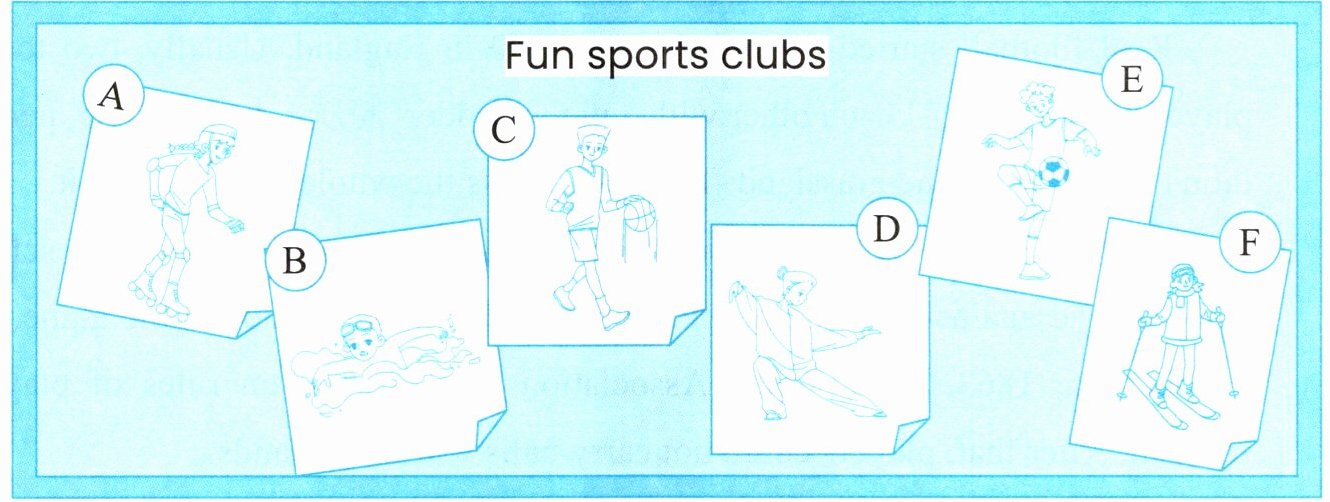
(
(
Ⅱ. Write the sports from Exercise Ⅰ in the right circle and write one more for each group.
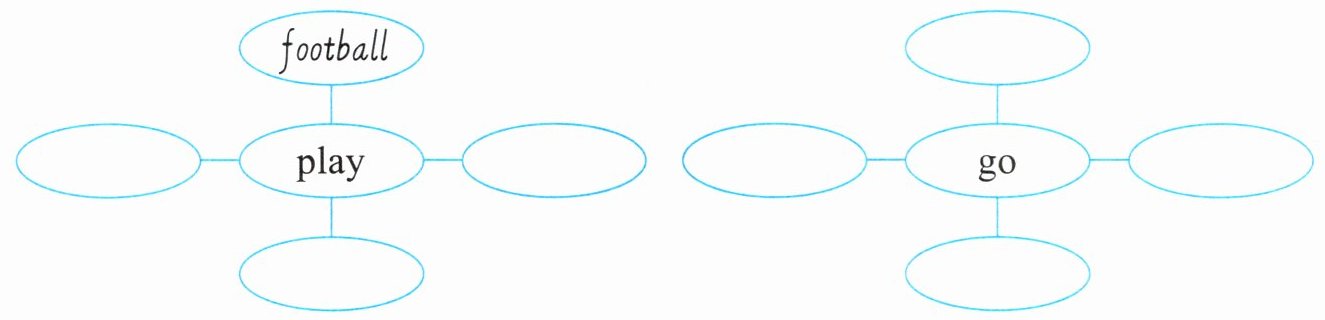
(
B
)1. swimming (E
)2. football (A
)3. roller skating(
D
)4. Tai Chi (F
)5. skiing (C
)6. basketballⅡ. Write the sports from Exercise Ⅰ in the right circle and write one more for each group.
答案
Ⅰ. 1. B 2. E 3. A 4. D 5. F 6. C
Ⅱ. One possible version:
play: basketball, Tai Chi, volleyball
go: swimming, roller skating, skiing, hiking
Ⅱ. One possible version:
play: basketball, Tai Chi, volleyball
go: swimming, roller skating, skiing, hiking
解析
【分析】
Ⅰ题是运动词汇与海报的匹配题,解题时首先要明确每个给出的运动词汇的含义,比如swimming是游泳、football是足球等,然后结合海报中的运动场景,将词汇与对应的海报选项一一对应。
Ⅱ题是词汇分类题,首先要总结运动词汇对应的常用动词搭配规律:play常搭配球类、武术类运动,go常搭配由“go + 动名词”构成的运动表达。接着把Ⅰ题中的运动按照这个规律分到对应的圈里,最后再联想一个同类的运动词汇补充进去即可。
【解析】
Ⅰ. 根据运动词汇的含义与海报场景的对应关系,匹配结果为:
1. swimming(游泳)对应B
2. football(足球)对应E
3. roller skating(滑旱冰)对应A
4. Tai Chi(太极)对应D
5. skiing(滑雪)对应F
6. basketball(篮球)对应C
Ⅱ. 分类依据是运动与动词的常用搭配:
搭配play的运动:这类运动多为球类或武术类,包含Ⅰ中的basketball、Tai Chi,补充volleyball(排球)
搭配go的运动:这类运动常以“go + 动名词”形式出现,包含Ⅰ中的swimming、roller skating、skiing,补充hiking(远足)
【答案】
Ⅰ. 1. B 2. E 3. A 4. D 5. F 6. C
Ⅱ. One possible version:
play: basketball, Tai Chi, volleyball
go: swimming, roller skating, skiing, hiking
【知识点】
1. 运动类词汇认知
2. 动词与运动搭配
3. 词汇分类拓展
【点评】
本题围绕运动类英语词汇展开,既考查词汇的识别匹配能力,又侧重动词与运动的固定搭配掌握,还要求学生进行词汇分类与拓展,能有效巩固学生的运动主题词汇储备,提升词汇运用和分类归纳的能力。
【难度系数】
0.7
Ⅰ题是运动词汇与海报的匹配题,解题时首先要明确每个给出的运动词汇的含义,比如swimming是游泳、football是足球等,然后结合海报中的运动场景,将词汇与对应的海报选项一一对应。
Ⅱ题是词汇分类题,首先要总结运动词汇对应的常用动词搭配规律:play常搭配球类、武术类运动,go常搭配由“go + 动名词”构成的运动表达。接着把Ⅰ题中的运动按照这个规律分到对应的圈里,最后再联想一个同类的运动词汇补充进去即可。
【解析】
Ⅰ. 根据运动词汇的含义与海报场景的对应关系,匹配结果为:
1. swimming(游泳)对应B
2. football(足球)对应E
3. roller skating(滑旱冰)对应A
4. Tai Chi(太极)对应D
5. skiing(滑雪)对应F
6. basketball(篮球)对应C
Ⅱ. 分类依据是运动与动词的常用搭配:
搭配play的运动:这类运动多为球类或武术类,包含Ⅰ中的basketball、Tai Chi,补充volleyball(排球)
搭配go的运动:这类运动常以“go + 动名词”形式出现,包含Ⅰ中的swimming、roller skating、skiing,补充hiking(远足)
【答案】
Ⅰ. 1. B 2. E 3. A 4. D 5. F 6. C
Ⅱ. One possible version:
play: basketball, Tai Chi, volleyball
go: swimming, roller skating, skiing, hiking
【知识点】
1. 运动类词汇认知
2. 动词与运动搭配
3. 词汇分类拓展
【点评】
本题围绕运动类英语词汇展开,既考查词汇的识别匹配能力,又侧重动词与运动的固定搭配掌握,还要求学生进行词汇分类与拓展,能有效巩固学生的运动主题词汇储备,提升词汇运用和分类归纳的能力。
【难度系数】
0.7
Ⅲ. Complete the sentences with the proper form of the expressions in Exercise Ⅱ. Then answer the questions.
1. Sam likes to
2. Julia always
3. Ben is a fan of Chinese kung fu. That’s why he wants to learn
4. Helen likes enjoying her time on the grassland outdoors, so she wants
5. What sport do you always do? Why?
1. Sam likes to
go skiing
, because he can have fun with friends in the snow.2. Julia always
goes swimming
in summer because it keeps her cool on hot days.3. Ben is a fan of Chinese kung fu. That’s why he wants to learn
to play Tai Chi
.4. Helen likes enjoying her time on the grassland outdoors, so she wants
to play football
this afternoon.5. What sport do you always do? Why?
One possible version: I always play basketball because I can play it with my friends and it's interesting.
答案
Ⅲ. 1. go skiing 2. goes swimming 3. to play Tai Chi
4. to play football
5. One possible version: I always play basketball because I can play it with my friends and it's interesting.
4. to play football
5. One possible version: I always play basketball because I can play it with my friends and it's interesting.
解析
【分析】
1. 第1题:根据句中“in the snow”的语境,可判断是雪地里的运动,结合“like to do sth.”的固定结构,to后接动词原形,因此选择滑雪相关短语go skiing。
2. 第2题:句中“in summer”和“keeps her cool”提示是夏天的降温运动,主语Julia是第三人称单数,句子为一般现在时,谓语动词要用第三人称单数形式,所以填goes swimming。
3. 第3题:前半句提到“Chinese kung fu”,太极属于中国功夫范畴,“learn to do sth.”是固定结构,因此填to play Tai Chi。
4. 第4题:“on the grassland outdoors”适合进行球类运动,“want to do sth.”是固定结构,所以填to play football。
5. 第5题是开放性问题,需选择一种常做的运动,然后说明合理原因,保证语言表达通顺逻辑自洽即可。
【解析】
1. 由“in the snow”确定雪上运动,“like to”后接动词原形,故填go skiing。
2. 夏天降温的合适运动是游泳,主语Julia为第三人称单数,一般现在时中谓语动词用第三人称单数形式,故填goes swimming。
3. 与中国功夫对应的运动是太极,“learn”后接“to do”结构,故填to play Tai Chi。
4. 户外草地适合开展踢足球的运动,“want”后接“to do”结构,故填to play football。
5. 示例回答:I always play basketball because I can play it with my friends and it's interesting.(选取常见运动并说明原因,符合要求即可)
【答案】
Ⅲ. 1. go skiing 2. goes swimming 3. to play Tai Chi
4. to play football
5. One possible version: I always play basketball because I can play it with my friends and it's interesting.
【知识点】
动词短语运用;非谓语动词结构;一般现在时主谓一致
【点评】
本题考查运动类动词短语的语境运用,同时结合“like to do”“want to do”“learn to do”等非谓语动词结构,以及一般现在时的主谓一致规则,最后一题是开放性问题,考查学生的英语语言表达能力,整体贴近日常话题,侧重基础知识的综合运用。
【难度系数】
0.8
1. 第1题:根据句中“in the snow”的语境,可判断是雪地里的运动,结合“like to do sth.”的固定结构,to后接动词原形,因此选择滑雪相关短语go skiing。
2. 第2题:句中“in summer”和“keeps her cool”提示是夏天的降温运动,主语Julia是第三人称单数,句子为一般现在时,谓语动词要用第三人称单数形式,所以填goes swimming。
3. 第3题:前半句提到“Chinese kung fu”,太极属于中国功夫范畴,“learn to do sth.”是固定结构,因此填to play Tai Chi。
4. 第4题:“on the grassland outdoors”适合进行球类运动,“want to do sth.”是固定结构,所以填to play football。
5. 第5题是开放性问题,需选择一种常做的运动,然后说明合理原因,保证语言表达通顺逻辑自洽即可。
【解析】
1. 由“in the snow”确定雪上运动,“like to”后接动词原形,故填go skiing。
2. 夏天降温的合适运动是游泳,主语Julia为第三人称单数,一般现在时中谓语动词用第三人称单数形式,故填goes swimming。
3. 与中国功夫对应的运动是太极,“learn”后接“to do”结构,故填to play Tai Chi。
4. 户外草地适合开展踢足球的运动,“want”后接“to do”结构,故填to play football。
5. 示例回答:I always play basketball because I can play it with my friends and it's interesting.(选取常见运动并说明原因,符合要求即可)
【答案】
Ⅲ. 1. go skiing 2. goes swimming 3. to play Tai Chi
4. to play football
5. One possible version: I always play basketball because I can play it with my friends and it's interesting.
【知识点】
动词短语运用;非谓语动词结构;一般现在时主谓一致
【点评】
本题考查运动类动词短语的语境运用,同时结合“like to do”“want to do”“learn to do”等非谓语动词结构,以及一般现在时的主谓一致规则,最后一题是开放性问题,考查学生的英语语言表达能力,整体贴近日常话题,侧重基础知识的综合运用。
【难度系数】
0.8
Ⅳ. Read and complete the tasks.
Football is the world’s most popular sport, but do you know who first started playing football?
In fact, the Chinese were the first to play a kind of sport close to football. This Chinese game was called Tsu Chu. It started during the Han Dynasty (汉朝). When a player played Tsu Chu, he couldn’t use his hands but only his feet. But this kind of sport wasn’t really football.
Real football started around the year 900 in England. Usually, two towns played against (对抗) each other with a pig’s bladder (膀胱). In the game, people didn’t just play on one grassland. They ran across the whole town to play it.
In the 1800s, there were football clubs at school in England and school clubs played against one another. Players could use their hands in the game. On October 26, 1863, the Football Association (FA) agreed on rules of playing football. After that, players could not carry balls with their hands.
In 1872, players played the first Football Association Cup. Soon, football became popular and became a professional (专业的) sport.
A. Read and complete the timeline. No more than three words for each blank.
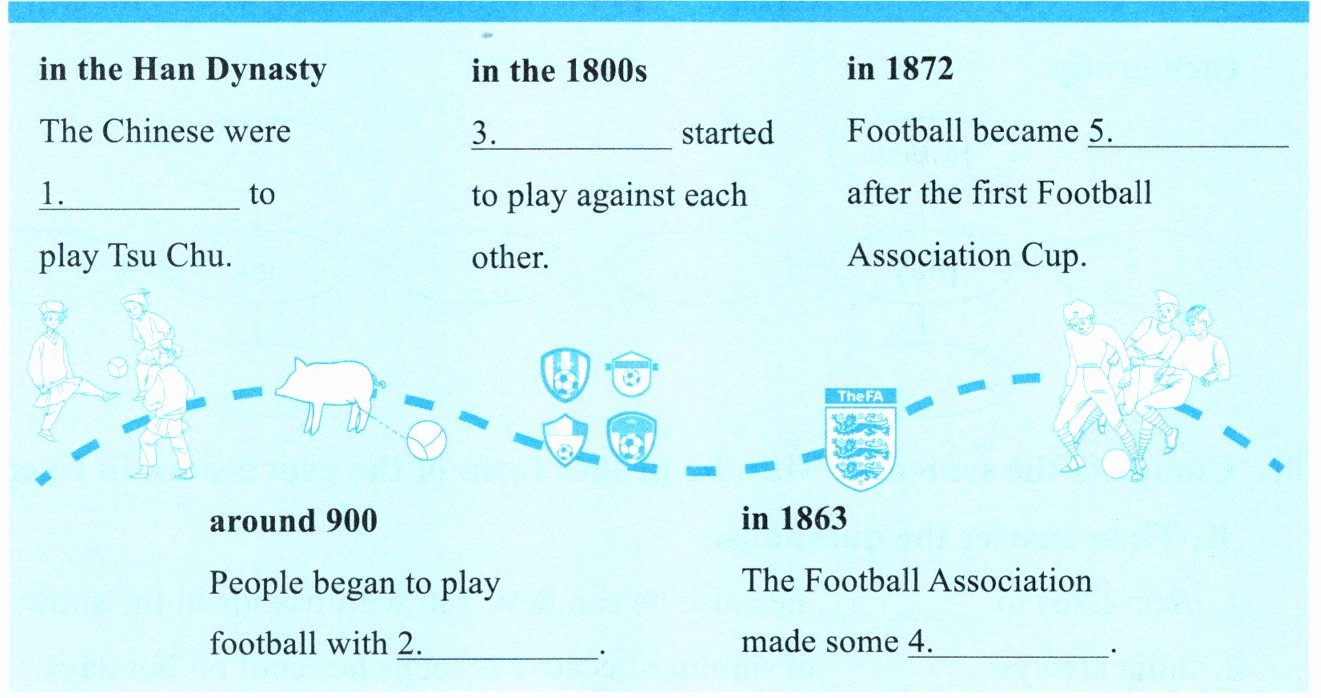
B. Answer the questions.
(
A. By giving examples.
B. By telling a story.
C. By showing numbers.
D. By asking a question.
2. Why does the writer write this passage?
To tell us
Football is the world’s most popular sport, but do you know who first started playing football?
In fact, the Chinese were the first to play a kind of sport close to football. This Chinese game was called Tsu Chu. It started during the Han Dynasty (汉朝). When a player played Tsu Chu, he couldn’t use his hands but only his feet. But this kind of sport wasn’t really football.
Real football started around the year 900 in England. Usually, two towns played against (对抗) each other with a pig’s bladder (膀胱). In the game, people didn’t just play on one grassland. They ran across the whole town to play it.
In the 1800s, there were football clubs at school in England and school clubs played against one another. Players could use their hands in the game. On October 26, 1863, the Football Association (FA) agreed on rules of playing football. After that, players could not carry balls with their hands.
In 1872, players played the first Football Association Cup. Soon, football became popular and became a professional (专业的) sport.
A. Read and complete the timeline. No more than three words for each blank.
B. Answer the questions.
(
D
)1. How does the writer lead into the topic (引入话题)?A. By giving examples.
B. By telling a story.
C. By showing numbers.
D. By asking a question.
2. Why does the writer write this passage?
To tell us
One possible version: the history of football
.答案
Ⅳ. A. 1. the first 2. a pig's bladder 3. School clubs 4. rules
5. popular and professional
B. 1. D 2. One possible version: the history of football
5. popular and professional
B. 1. D 2. One possible version: the history of football
解析
【分析】
这是一篇关于足球发展历史的阅读题,分为A部分时间线填空和B部分问答。解题思路如下:
1. 对于A部分,需要根据时间节点,在原文中定位对应时间段的内容,提取不超过三个词的关键信息填空,重点考查细节查找能力。
2. 对于B部分第1题,需关注文章开头的引入方式,判断作者的写作手法;第2题要梳理全文内容,归纳文章的写作目的,考查对文章主旨的理解。
【解析】
A部分:
1. 根据第二段“In fact, the Chinese were the first to play a kind of sport close to football. This Chinese game was called Tsu Chu. It started during the Han Dynasty.”,可知汉朝时中国人是最早玩蹴鞠的,所以填the first。
2. 根据第三段“Real football started around the year 900 in England. Usually, two towns played against each other with a pig’s bladder.”,可知900年左右人们用猪膀胱玩足球,填a pig's bladder。
3. 根据第四段“In the 1800s, there were football clubs at school in England and school clubs played against one another.”,可知19世纪学校俱乐部开始互相比赛,填School clubs。
4. 根据第四段“On October 26, 1863, the Football Association (FA) agreed on rules of playing football.”,可知1863年足协制定了足球规则,填rules。
5. 根据最后一段“In 1872, players played the first Football Association Cup. Soon, football became popular and became a professional sport.”,可知1872年后足球变得流行且成为专业运动,填popular and professional。
B部分:
1. 文章开头以“Football is the world’s most popular sport, but do you know who first started playing football?”这个问题引入话题,所以选D。
2. 全文按时间顺序介绍了足球从古代蹴鞠到现代足球的发展历程,写作目的是告诉我们足球的发展历史,所以填the history of football。
【答案】
Ⅳ. A. 1. the first 2. a pig's bladder 3. School clubs 4. rules
5. popular and professional
B. 1. D 2. the history of football
【知识点】
1. 细节信息提取
2. 文章主旨归纳
3. 写作手法判断
【点评】
本题以足球历史为主题,通过时间线和问答的形式,综合考查学生的细节查找、主旨归纳和写作手法判断能力,既帮助学生了解足球的发展脉络,又能提升学生的阅读理解能力,题型设置贴合文本特点,难度适中。
【难度系数】
0.7
这是一篇关于足球发展历史的阅读题,分为A部分时间线填空和B部分问答。解题思路如下:
1. 对于A部分,需要根据时间节点,在原文中定位对应时间段的内容,提取不超过三个词的关键信息填空,重点考查细节查找能力。
2. 对于B部分第1题,需关注文章开头的引入方式,判断作者的写作手法;第2题要梳理全文内容,归纳文章的写作目的,考查对文章主旨的理解。
【解析】
A部分:
1. 根据第二段“In fact, the Chinese were the first to play a kind of sport close to football. This Chinese game was called Tsu Chu. It started during the Han Dynasty.”,可知汉朝时中国人是最早玩蹴鞠的,所以填the first。
2. 根据第三段“Real football started around the year 900 in England. Usually, two towns played against each other with a pig’s bladder.”,可知900年左右人们用猪膀胱玩足球,填a pig's bladder。
3. 根据第四段“In the 1800s, there were football clubs at school in England and school clubs played against one another.”,可知19世纪学校俱乐部开始互相比赛,填School clubs。
4. 根据第四段“On October 26, 1863, the Football Association (FA) agreed on rules of playing football.”,可知1863年足协制定了足球规则,填rules。
5. 根据最后一段“In 1872, players played the first Football Association Cup. Soon, football became popular and became a professional sport.”,可知1872年后足球变得流行且成为专业运动,填popular and professional。
B部分:
1. 文章开头以“Football is the world’s most popular sport, but do you know who first started playing football?”这个问题引入话题,所以选D。
2. 全文按时间顺序介绍了足球从古代蹴鞠到现代足球的发展历程,写作目的是告诉我们足球的发展历史,所以填the history of football。
【答案】
Ⅳ. A. 1. the first 2. a pig's bladder 3. School clubs 4. rules
5. popular and professional
B. 1. D 2. the history of football
【知识点】
1. 细节信息提取
2. 文章主旨归纳
3. 写作手法判断
【点评】
本题以足球历史为主题,通过时间线和问答的形式,综合考查学生的细节查找、主旨归纳和写作手法判断能力,既帮助学生了解足球的发展脉络,又能提升学生的阅读理解能力,题型设置贴合文本特点,难度适中。
【难度系数】
0.7
