

 登录
登录
Ⅲ. Read and complete the tasks.
A. Complete the passage with the proper form of the words given.
For Liu Xiang, life as a sports hero began in 2004. First, he 1.
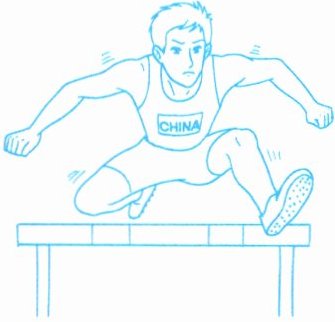
Liu Xiang was not a successful sportsman at first. He was born in Shanghai in 1983, and 3.
In 1998, Liu Xiang’s talent in hurdling (跨栏) 5.
From 2008 on, Liu Xiang 9.
B. Answer the questions.
()1. When did Liu Xiang get the first Olympic gold medal?
A. In 1983. B. In 1998.
C. In 2004. D. In 2008.
()2. Why couldn’t Liu Xiang complete the race in the 2012 London Olympic Games?
A. He had serious foot problem.
B. He didn’t join the Chinese team.
C. He was too old to finish training.
D. He fell over a hurdle during the race.
3. Liu Xiang didn’t complete the race in the 2012 London Olympic Games. Do you still take pride in him? Why or why not? (No more than 15 words)
A. Complete the passage with the proper form of the words given.
For Liu Xiang, life as a sports hero began in 2004. First, he 1.
was invited
(invite) to competitions around the world. Then, he 2.was chosen
(choose) for the Chinese team at the Athens Olympic Games and won a gold medal.Liu Xiang was not a successful sportsman at first. He was born in Shanghai in 1983, and 3.
started
(start) training when he was very young. In Grade 4, he went to a sports school. Liu 4.was encouraged
(encourage) at first to train for the high jump.In 1998, Liu Xiang’s talent in hurdling (跨栏) 5.
was noticed
(notice). In 2001, he joined a special project for young sportsmen and sportswomen. His races were recorded, and he 6.was compared
(compare) with the world’s best sports stars. In 2004, he 7.won
(win) the first Olympic gold medal for China in the 110-metre hurdles, and at the same time 8.broke
(break) the Olympic Games record.From 2008 on, Liu Xiang 9.
suffered
(suffer) a lot from his foot problem, but he did not give up. He still returned to first place in 2012. It is a pity that his foot problem 10.stopped
(stop) him from completing the race in the 2012 London Olympic Games, but he is still a symbol of courage and success.B. Answer the questions.
()1. When did Liu Xiang get the first Olympic gold medal?
A. In 1983. B. In 1998.
C. In 2004. D. In 2008.
()2. Why couldn’t Liu Xiang complete the race in the 2012 London Olympic Games?
A. He had serious foot problem.
B. He didn’t join the Chinese team.
C. He was too old to finish training.
D. He fell over a hurdle during the race.
3. Liu Xiang didn’t complete the race in the 2012 London Olympic Games. Do you still take pride in him? Why or why not? (No more than 15 words)
One possible version: Yes. Because he achieved great things and never gave up.
答案
Ⅲ. A. 1. was invited 2. was chosen 3. started 4. was encouraged
5. was noticed 6. was compared 7. won 8. broke
9. suffered 10. stopped
B. 1. C 2. A
3. One possible version: Yes. Because he achieved great things and never gave up.
5. was noticed 6. was compared 7. won 8. broke
9. suffered 10. stopped
B. 1. C 2. A
3. One possible version: Yes. Because he achieved great things and never gave up.
解析
【分析】
A部分:首先判断每个空的时态和语态,文章讲述刘翔的过往经历,整体为一般过去时。若主语是动作的承受者,用一般过去时被动语态(was/were+过去分词);若主语是动作的发出者,用动词过去式。
1. he是“被邀请”,用一般过去时被动语态;
2. he是“被选中”,用一般过去时被动语态;
3. he主动“开始”训练,用动词过去式;
4. he是“被鼓励”,用一般过去时被动语态;
5. talent是“被注意到”,用一般过去时被动语态;
6. he是“被比较”,用一般过去时被动语态;
7. he主动“赢得”比赛,用动词过去式;
8. 和“won”并列,he主动“打破”纪录,用动词过去式;
9. he主动“遭受”脚伤,用动词过去式;
10. problem主动“阻止”他,用动词过去式。
B部分:
1. 细节题,定位文中关于首枚奥运金牌的时间描述即可得出答案;
2. 细节题,定位文中2012年伦敦奥运会未完成比赛的原因即可得出答案;
3. 开放性问题,需表达明确态度并结合刘翔的精神/成就说明原因,控制在15词以内。
【解析】
A.
1. 主语he与invite是被动关系,时态为一般过去时,用一般过去时被动语态:was invited;
2. 主语he与choose是被动关系,时态为一般过去时,用一般过去时被动语态:was chosen;
3. 主语he与start是主动关系,时态为一般过去时,用动词过去式:started;
4. 主语he与encourage是被动关系,时态为一般过去时,用一般过去时被动语态:was encouraged;
5. 主语talent与notice是被动关系,时态为一般过去时,用一般过去时被动语态:was noticed;
6. 主语he与compare是被动关系,时态为一般过去时,用一般过去时被动语态:was compared;
7. 主语he与win是主动关系,时态为一般过去时,用动词过去式:won;
8. 与前文won并列,主语he与break是主动关系,时态为一般过去时,用动词过去式:broke;
9. 主语he与suffer是主动关系,时态为一般过去时,用动词过去式:suffered;
10. 主语problem与stop是主动关系,时态为一般过去时,用动词过去式:stopped。
B.
1. 根据文中"In 2004, he won the first Olympic gold medal for China in the 110-metre hurdles"的内容,可知答案为C;
2. 根据文中"his foot problem stopped him from completing the race in the 2012 London Olympic Games"的内容,可知答案为A;
3. 结合刘翔的运动成就与坚持精神,给出合理回答,示例:Yes. Because he achieved a lot and never gave up.
【答案】
Ⅲ. A. 1. was invited 2. was chosen 3. started 4. was encouraged
5. was noticed 6. was compared 7. won 8. broke
9. suffered 10. stopped
B. 1. C 2. A
3. One possible version: Yes. Because he achieved great things and never gave up.
【知识点】
1. 一般过去时的语态
2. 阅读理解细节查找
3. 开放性观点表达
【点评】
本题围绕刘翔的运动生涯展开,既考查了一般过去时主动与被动语态的运用,又考查了阅读理解的细节提取能力,最后通过开放性问题引导学生理解体育精神,贴近生活,有助于学生结合语境掌握语法和提升阅读能力。
【难度系数】
0.6
A部分:首先判断每个空的时态和语态,文章讲述刘翔的过往经历,整体为一般过去时。若主语是动作的承受者,用一般过去时被动语态(was/were+过去分词);若主语是动作的发出者,用动词过去式。
1. he是“被邀请”,用一般过去时被动语态;
2. he是“被选中”,用一般过去时被动语态;
3. he主动“开始”训练,用动词过去式;
4. he是“被鼓励”,用一般过去时被动语态;
5. talent是“被注意到”,用一般过去时被动语态;
6. he是“被比较”,用一般过去时被动语态;
7. he主动“赢得”比赛,用动词过去式;
8. 和“won”并列,he主动“打破”纪录,用动词过去式;
9. he主动“遭受”脚伤,用动词过去式;
10. problem主动“阻止”他,用动词过去式。
B部分:
1. 细节题,定位文中关于首枚奥运金牌的时间描述即可得出答案;
2. 细节题,定位文中2012年伦敦奥运会未完成比赛的原因即可得出答案;
3. 开放性问题,需表达明确态度并结合刘翔的精神/成就说明原因,控制在15词以内。
【解析】
A.
1. 主语he与invite是被动关系,时态为一般过去时,用一般过去时被动语态:was invited;
2. 主语he与choose是被动关系,时态为一般过去时,用一般过去时被动语态:was chosen;
3. 主语he与start是主动关系,时态为一般过去时,用动词过去式:started;
4. 主语he与encourage是被动关系,时态为一般过去时,用一般过去时被动语态:was encouraged;
5. 主语talent与notice是被动关系,时态为一般过去时,用一般过去时被动语态:was noticed;
6. 主语he与compare是被动关系,时态为一般过去时,用一般过去时被动语态:was compared;
7. 主语he与win是主动关系,时态为一般过去时,用动词过去式:won;
8. 与前文won并列,主语he与break是主动关系,时态为一般过去时,用动词过去式:broke;
9. 主语he与suffer是主动关系,时态为一般过去时,用动词过去式:suffered;
10. 主语problem与stop是主动关系,时态为一般过去时,用动词过去式:stopped。
B.
1. 根据文中"In 2004, he won the first Olympic gold medal for China in the 110-metre hurdles"的内容,可知答案为C;
2. 根据文中"his foot problem stopped him from completing the race in the 2012 London Olympic Games"的内容,可知答案为A;
3. 结合刘翔的运动成就与坚持精神,给出合理回答,示例:Yes. Because he achieved a lot and never gave up.
【答案】
Ⅲ. A. 1. was invited 2. was chosen 3. started 4. was encouraged
5. was noticed 6. was compared 7. won 8. broke
9. suffered 10. stopped
B. 1. C 2. A
3. One possible version: Yes. Because he achieved great things and never gave up.
【知识点】
1. 一般过去时的语态
2. 阅读理解细节查找
3. 开放性观点表达
【点评】
本题围绕刘翔的运动生涯展开,既考查了一般过去时主动与被动语态的运用,又考查了阅读理解的细节提取能力,最后通过开放性问题引导学生理解体育精神,贴近生活,有助于学生结合语境掌握语法和提升阅读能力。
【难度系数】
0.6
