

 登录
登录
5Ⅰ. Complete the passage according to the phonetic symbols.
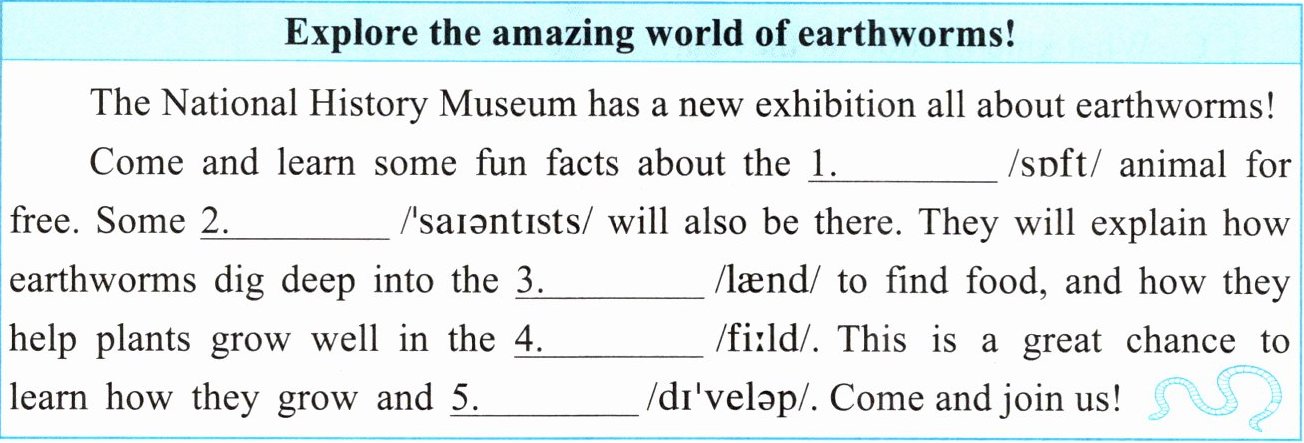
Explore the amazing world of earthworms!
The National History Museum has a new exhibition all about earthworms! Come and learn some fun facts about the 1.
Explore the amazing world of earthworms!
The National History Museum has a new exhibition all about earthworms! Come and learn some fun facts about the 1.
soft
/sɒft/ animal for free. Some 2.scientists
/'saɪəntɪsts/ will also be there. They will explain how earthworms dig deep into the 3.land
/lænd/ to find food, and how they help plants grow well in the 4.field
/fi:ld/. This is a great chance to learn how they grow and 5.develop
/dr'veləp/. Come and join us!答案
Ⅰ. 1. soft 2. scientists 3. land 4. field 5. develop
解析
【分析】
这是一道根据音标补全短文的题目,解题思路如下:
1. 明确题型核心:需要结合音标和短文语境,写出对应的正确英文单词,要同时保证单词拼写匹配音标、语义符合句子逻辑。
2. 分步解题逻辑:
第一步:逐个拼读给出的音标,回忆并匹配对应的英文单词;
第二步:将匹配的单词代入句子,检查是否符合句子的语法规则和语义场景,确保单词在语境中通顺合理。
比如第一个空,先拼读音标/sɒft/,对应单词soft,代入“the ____ animal”,“soft animal(柔软的动物)”符合蚯蚓的身体特征,验证合理;其余空都按照“拼读音标→匹配单词→语境验证”的步骤完成。
【解析】
1. 音标/sɒft/对应的单词是soft,作为形容词修饰animal,“柔软的动物”符合对蚯蚓的描述,语义通顺。
2. 音标/'saɪəntɪsts/对应的单词是scientists,是scientist的复数形式,some后接可数名词复数,句中表示“一些科学家”,符合语境设定。
3. 音标/lænd/对应的单词是land,“dig deep into the land”表示“深挖进土地里”,契合蚯蚓钻土觅食的行为逻辑。
4. 音标/fi:ld/对应的单词是field,“in the field”表示“在田野里”,和“help plants grow well”的场景完全匹配。
5. 音标/dɪ'veləp/对应的单词是develop,动词,和前面的grow(生长)并列,“learn how they grow and develop”表示“了解它们如何生长和发育”,语义连贯自然。
【答案】
1. soft
2. scientists
3. land
4. field
5. develop
【知识点】
1. 音标与单词对应
2. 名词复数形式
3. 语境词汇运用
【点评】
本题结合科普短文场景,将音标、词汇与科普知识结合,既考查了学生的音标认读和词汇拼写能力,也通过趣味内容帮助学生巩固语言知识,同时传递了科普小常识,兼顾知识性和趣味性。
【难度系数】
0.8
这是一道根据音标补全短文的题目,解题思路如下:
1. 明确题型核心:需要结合音标和短文语境,写出对应的正确英文单词,要同时保证单词拼写匹配音标、语义符合句子逻辑。
2. 分步解题逻辑:
第一步:逐个拼读给出的音标,回忆并匹配对应的英文单词;
第二步:将匹配的单词代入句子,检查是否符合句子的语法规则和语义场景,确保单词在语境中通顺合理。
比如第一个空,先拼读音标/sɒft/,对应单词soft,代入“the ____ animal”,“soft animal(柔软的动物)”符合蚯蚓的身体特征,验证合理;其余空都按照“拼读音标→匹配单词→语境验证”的步骤完成。
【解析】
1. 音标/sɒft/对应的单词是soft,作为形容词修饰animal,“柔软的动物”符合对蚯蚓的描述,语义通顺。
2. 音标/'saɪəntɪsts/对应的单词是scientists,是scientist的复数形式,some后接可数名词复数,句中表示“一些科学家”,符合语境设定。
3. 音标/lænd/对应的单词是land,“dig deep into the land”表示“深挖进土地里”,契合蚯蚓钻土觅食的行为逻辑。
4. 音标/fi:ld/对应的单词是field,“in the field”表示“在田野里”,和“help plants grow well”的场景完全匹配。
5. 音标/dɪ'veləp/对应的单词是develop,动词,和前面的grow(生长)并列,“learn how they grow and develop”表示“了解它们如何生长和发育”,语义连贯自然。
【答案】
1. soft
2. scientists
3. land
4. field
5. develop
【知识点】
1. 音标与单词对应
2. 名词复数形式
3. 语境词汇运用
【点评】
本题结合科普短文场景,将音标、词汇与科普知识结合,既考查了学生的音标认读和词汇拼写能力,也通过趣味内容帮助学生巩固语言知识,同时传递了科普小常识,兼顾知识性和趣味性。
【难度系数】
0.8
Ⅱ. Read and complete the tasks.
A. Complete the conversation with proper sentences in the box. There is one extra option.
Students in the nature club are having discussions on amazing life in nature.
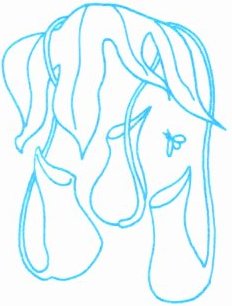
Mary: Many people think the pitcher plant is the strangest plant in nature.
Dave: 1.
Mary: Pitcher plants don't just get energy from the sunlight. They also grow by catching insects! For this reason, they are called "meat - eating plants".
Dave: 2.
Mary: Many kinds of pitcher plants grow in North and South America, but some grow in other parts of the world.
Jack: I've just read a book about the platypus. One surprising thing about it is its duck - like mouth.

Dave: 3.
Jack: Actually, it can help them find food underwater more easily.
Dave: Wow, that's cool! 4.
Jack: Yes. Platypuses are mammals(哺乳动物), but they lay eggs to have babies.
Dave: It's quite unusual. 5.
A. Sorry to interrupt.
B. Sounds also strange to me.
C. What kind of food do they eat?
D. Nature is full of amazing surprises!
E. Anything else interesting about them?
F. Excuse me, but could you explain how strange they are?
B. Find out the expressions of interrupting(打断) politely, and write down one more sentence.

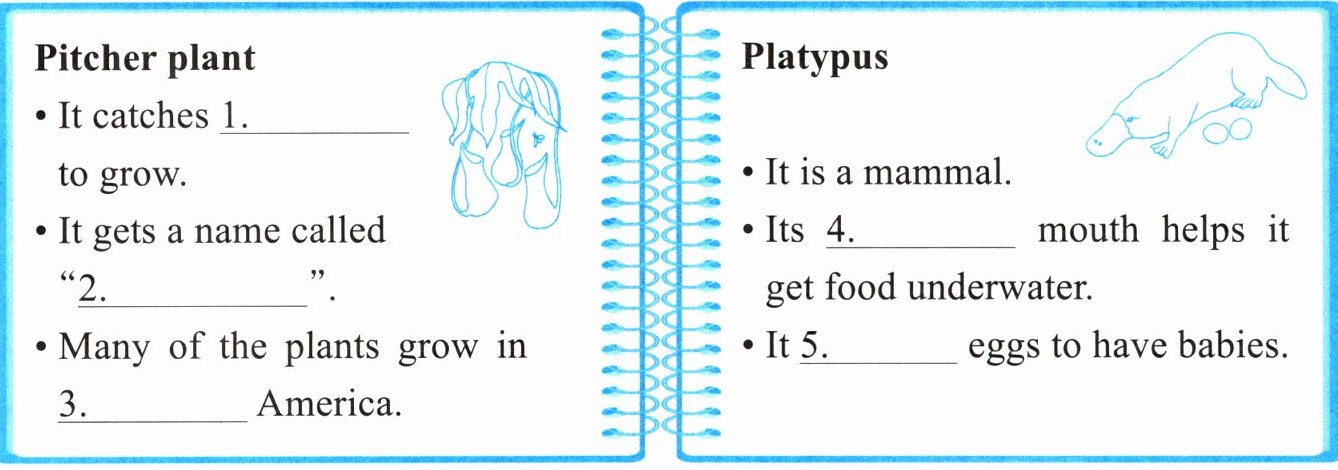
C. Complete the fact files. No more than three words for each blank.
A. Complete the conversation with proper sentences in the box. There is one extra option.
Students in the nature club are having discussions on amazing life in nature.
Mary: Many people think the pitcher plant is the strangest plant in nature.
Dave: 1.
F
Mary: Pitcher plants don't just get energy from the sunlight. They also grow by catching insects! For this reason, they are called "meat - eating plants".
Dave: 2.
B
Where can we find them?Mary: Many kinds of pitcher plants grow in North and South America, but some grow in other parts of the world.
Jack: I've just read a book about the platypus. One surprising thing about it is its duck - like mouth.
Dave: 3.
A
But why do they have such a mouth?Jack: Actually, it can help them find food underwater more easily.
Dave: Wow, that's cool! 4.
E
Jack: Yes. Platypuses are mammals(哺乳动物), but they lay eggs to have babies.
Dave: It's quite unusual. 5.
D
A. Sorry to interrupt.
B. Sounds also strange to me.
C. What kind of food do they eat?
D. Nature is full of amazing surprises!
E. Anything else interesting about them?
F. Excuse me, but could you explain how strange they are?
B. Find out the expressions of interrupting(打断) politely, and write down one more sentence.
C. Complete the fact files. No more than three words for each blank.
答案
Ⅱ. A. 1. F 2. B 3. A 4. E 5. D
B. 1. Sorry to interrupt. But …?
2. Possible versions: May I ask something?/I’m sorry, but …
C. 1. insects 2. meat - eating plant 3. North and South
4. duck - like 5. lays
B. 1. Sorry to interrupt. But …?
2. Possible versions: May I ask something?/I’m sorry, but …
C. 1. insects 2. meat - eating plant 3. North and South
4. duck - like 5. lays
解析
【分析】
A部分补全对话:首先通读对话,明确每处空格的上下文逻辑。第1空,Mary提出猪笼草是最奇怪的植物,Dave显然不了解其奇怪之处,应选择请求解释的句子;第2空,听完Mary解释猪笼草捕食昆虫后,Dave会先表达对这种特性的惊讶,再询问生长地点;第3空,Jack正在介绍鸭嘴兽,Dave要礼貌打断并提问,需选打断用语;第4空,Jack讲解了鸭嘴兽嘴巴的作用后,Dave进一步询问其他有趣特性,对应后续Jack提到的“下蛋”内容;第5空,对话结尾Dave感慨自然的神奇,需选总结性语句。
B部分:先从对话中找出已有的礼貌打断表达,再结合日常英语积累,写出另一个同类表达。
C部分:根据对话中的细节信息,提取关键短语或单词,注意每空不超过3个词。
【解析】
A. 补全对话:
1. 上文Mary提到猪笼草是自然界最奇怪的植物,下文Mary解释了猪笼草的特殊之处,说明Dave此处是请求解释它的奇怪之处,故选F:Excuse me, but could you explain how strange they are?
2. 上文Mary介绍猪笼草会捕食昆虫,Dave听完后应表达惊讶,再询问生长地点,故选B:Sounds also strange to me.
3. Jack正在介绍鸭嘴兽,Dave想要打断并提问,需用礼貌打断语,故选A:Sorry to interrupt.
4. 下文Jack提到鸭嘴兽是哺乳动物却会下蛋,说明Dave此处是询问鸭嘴兽其他有趣的特性,故选E:Anything else interesting about them?
5. 对话结尾Dave感慨自然的神奇,故选D:Nature is full of amazing surprises!
B. 找打断表达:
1. 对话中出现的礼貌打断表达是:Sorry to interrupt.
2. 补充的礼貌打断表达示例:May I ask something?/I’m sorry, but …
C. 完成事实档案:
1. 根据对话中“they also grow by catching insects”,提取关键词insects;
2. 根据“they are called 'meat-eating plants'”,提取meat-eating plant;
3. 根据“Many kinds of pitcher plants grow in North and South America”,提取North and South;
4. 根据“One surprising thing about it is its duck-like mouth”,提取duck-like;
5. 根据“Platypuses are mammals, but they lay eggs to have babies”,提取lays。
【答案】
Ⅱ. A. 1. F 2. B 3. A 4. E 5. D
B. 1. Sorry to interrupt.
2. Possible versions: May I ask something?/I’m sorry, but …
C. 1. insects 2. meat-eating plant 3. North and South
4. duck-like 5. lays
【知识点】
情景交际补全对话、礼貌用语、细节信息提取
【点评】
本题结合自然科普内容,考查学生在情景对话中的语境理解能力、礼貌用语的掌握以及文本细节信息的提取能力,既锻炼语言运用能力,又能拓展自然知识,题型贴合日常英语交际场景。
【难度系数】
0.6
A部分补全对话:首先通读对话,明确每处空格的上下文逻辑。第1空,Mary提出猪笼草是最奇怪的植物,Dave显然不了解其奇怪之处,应选择请求解释的句子;第2空,听完Mary解释猪笼草捕食昆虫后,Dave会先表达对这种特性的惊讶,再询问生长地点;第3空,Jack正在介绍鸭嘴兽,Dave要礼貌打断并提问,需选打断用语;第4空,Jack讲解了鸭嘴兽嘴巴的作用后,Dave进一步询问其他有趣特性,对应后续Jack提到的“下蛋”内容;第5空,对话结尾Dave感慨自然的神奇,需选总结性语句。
B部分:先从对话中找出已有的礼貌打断表达,再结合日常英语积累,写出另一个同类表达。
C部分:根据对话中的细节信息,提取关键短语或单词,注意每空不超过3个词。
【解析】
A. 补全对话:
1. 上文Mary提到猪笼草是自然界最奇怪的植物,下文Mary解释了猪笼草的特殊之处,说明Dave此处是请求解释它的奇怪之处,故选F:Excuse me, but could you explain how strange they are?
2. 上文Mary介绍猪笼草会捕食昆虫,Dave听完后应表达惊讶,再询问生长地点,故选B:Sounds also strange to me.
3. Jack正在介绍鸭嘴兽,Dave想要打断并提问,需用礼貌打断语,故选A:Sorry to interrupt.
4. 下文Jack提到鸭嘴兽是哺乳动物却会下蛋,说明Dave此处是询问鸭嘴兽其他有趣的特性,故选E:Anything else interesting about them?
5. 对话结尾Dave感慨自然的神奇,故选D:Nature is full of amazing surprises!
B. 找打断表达:
1. 对话中出现的礼貌打断表达是:Sorry to interrupt.
2. 补充的礼貌打断表达示例:May I ask something?/I’m sorry, but …
C. 完成事实档案:
1. 根据对话中“they also grow by catching insects”,提取关键词insects;
2. 根据“they are called 'meat-eating plants'”,提取meat-eating plant;
3. 根据“Many kinds of pitcher plants grow in North and South America”,提取North and South;
4. 根据“One surprising thing about it is its duck-like mouth”,提取duck-like;
5. 根据“Platypuses are mammals, but they lay eggs to have babies”,提取lays。
【答案】
Ⅱ. A. 1. F 2. B 3. A 4. E 5. D
B. 1. Sorry to interrupt.
2. Possible versions: May I ask something?/I’m sorry, but …
C. 1. insects 2. meat-eating plant 3. North and South
4. duck-like 5. lays
【知识点】
情景交际补全对话、礼貌用语、细节信息提取
【点评】
本题结合自然科普内容,考查学生在情景对话中的语境理解能力、礼貌用语的掌握以及文本细节信息的提取能力,既锻炼语言运用能力,又能拓展自然知识,题型贴合日常英语交际场景。
【难度系数】
0.6
