

 登录
登录
Ⅰ. Read the words and match the groups with the correct vowel.
1. /ɜ:/
2. /ə/
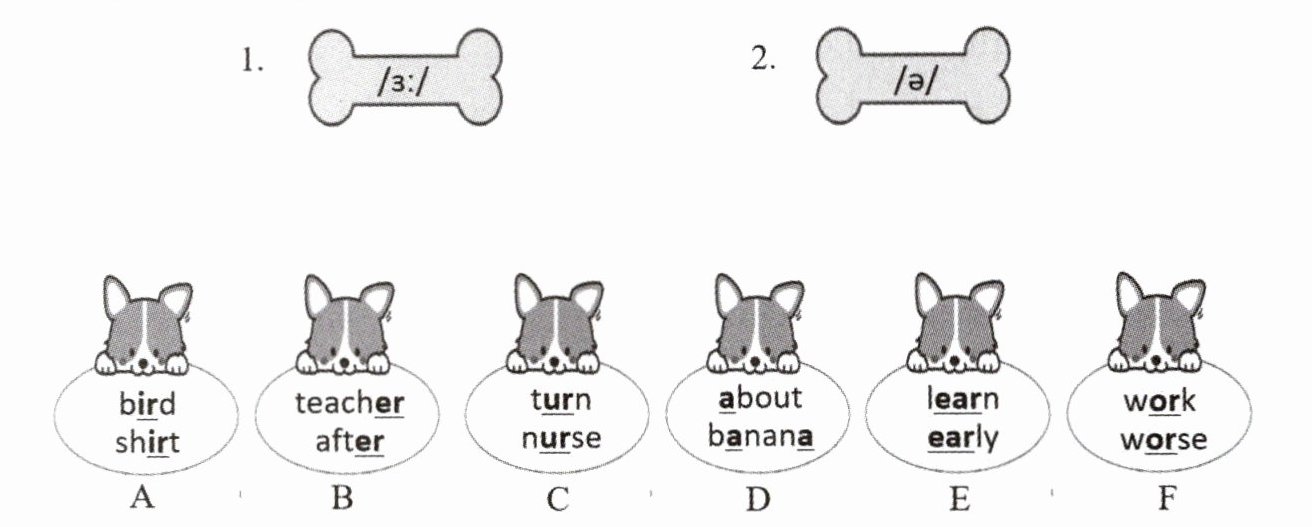
1. /ɜ:/
2. /ə/
答案
1. ACEF 2. BD
解析
【分析】
要解决此题,需先明确目标音标/ɜ:/和/ə/的读音,再逐一判断A-F各组单词划线部分的发音,将发音与对应音标匹配即可。具体步骤:1. 读出每组单词划线部分的发音;2. 分别匹配到音标/ɜ:/或/ə/;3. 整理对应组别。
【解析】
逐个分析各组单词划线部分的发音:
A组:bird(/bɜːd/)、shirt(/ʃɜːt/),划线部分发音为/ɜː/;
B组:teacher(/ˈtiːtʃə/)、after(/ˈɑːftə/),划线部分发音为/ə/;
C组:turn(/tɜːn/)、nurse(/nɜːs/),划线部分发音为/ɜː/;
D组:about(/əˈbaʊt/)、banana(/bəˈnɑːnə/),划线部分发音为/ə/;
E组:learn(/lɜːn/)、early(/ˈɜːli/),划线部分发音为/ɜː/;
F组:work(/wɜːk/)、worse(/wɜːs/),划线部分发音为/ɜː/;
因此,音标/ɜ:/对应的组别是ACEF,音标/ə/对应的组别是BD。
【答案】
1. ACEF 2. BD
【知识点】
英语音标、单词发音
【点评】
本题考查常见元音字母组合的音标发音,需掌握基础的单词读音规则,难度适中。
【难度系数】
0.5
要解决此题,需先明确目标音标/ɜ:/和/ə/的读音,再逐一判断A-F各组单词划线部分的发音,将发音与对应音标匹配即可。具体步骤:1. 读出每组单词划线部分的发音;2. 分别匹配到音标/ɜ:/或/ə/;3. 整理对应组别。
【解析】
逐个分析各组单词划线部分的发音:
A组:bird(/bɜːd/)、shirt(/ʃɜːt/),划线部分发音为/ɜː/;
B组:teacher(/ˈtiːtʃə/)、after(/ˈɑːftə/),划线部分发音为/ə/;
C组:turn(/tɜːn/)、nurse(/nɜːs/),划线部分发音为/ɜː/;
D组:about(/əˈbaʊt/)、banana(/bəˈnɑːnə/),划线部分发音为/ə/;
E组:learn(/lɜːn/)、early(/ˈɜːli/),划线部分发音为/ɜː/;
F组:work(/wɜːk/)、worse(/wɜːs/),划线部分发音为/ɜː/;
因此,音标/ɜ:/对应的组别是ACEF,音标/ə/对应的组别是BD。
【答案】
1. ACEF 2. BD
【知识点】
英语音标、单词发音
【点评】
本题考查常见元音字母组合的音标发音,需掌握基础的单词读音规则,难度适中。
【难度系数】
0.5
Ⅱ. Complete the Sentences with correct words according to the pictures and the first letters given.
1. Dogs can guide b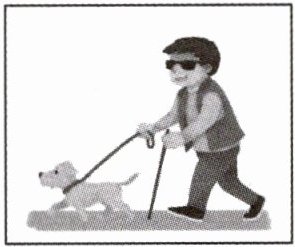
2. P
3. Camels can c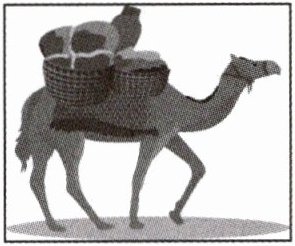
4. R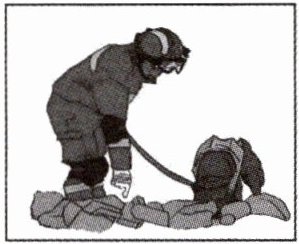
1. Dogs can guide b
blind
people. 2. P
Pigeons
can send letters to people. 3. Camels can c
carry
heavy things. 4. R
Rescue
dogs can help find missing people. 答案
1. blind 2. Pigeons 3. carry 4. Rescue
解析
【分析】
本题要求结合句子语境、首字母及对应图片提示补全单词,解题时需先明确每个句子的含义,再结合首字母联想符合语境的常用词汇,同时注意单词的形式(如名词单复数、词性搭配)。
【解析】
1. 句意为“狗能引导盲人”,结合首字母b及常识,blind(形容词,意为“盲的”)符合语境;
2. 句意为“鸽子能给人们送信”,结合首字母P,且谓语动词send为原形,主语需用复数,故填Pigeons;
3. 句意为“骆驼能搬运重物”,结合首字母c及常识,carry(动词,意为“搬运”)符合语境;
4. 句意为“救援犬能帮助寻找失踪的人”,结合首字母R及固定搭配,Rescue(名词作定语,意为“救援”)符合语境。
【答案】
1. blind 2. Pigeons 3. carry 4. Rescue
【知识点】
词汇运用、英语单词拼写
【点评】
本题结合生活常识考查基础词汇,题型简单,侧重词汇的语境运用,适合巩固英语基础词汇。
【难度系数】
0.3
本题要求结合句子语境、首字母及对应图片提示补全单词,解题时需先明确每个句子的含义,再结合首字母联想符合语境的常用词汇,同时注意单词的形式(如名词单复数、词性搭配)。
【解析】
1. 句意为“狗能引导盲人”,结合首字母b及常识,blind(形容词,意为“盲的”)符合语境;
2. 句意为“鸽子能给人们送信”,结合首字母P,且谓语动词send为原形,主语需用复数,故填Pigeons;
3. 句意为“骆驼能搬运重物”,结合首字母c及常识,carry(动词,意为“搬运”)符合语境;
4. 句意为“救援犬能帮助寻找失踪的人”,结合首字母R及固定搭配,Rescue(名词作定语,意为“救援”)符合语境。
【答案】
1. blind 2. Pigeons 3. carry 4. Rescue
【知识点】
词汇运用、英语单词拼写
【点评】
本题结合生活常识考查基础词汇,题型简单,侧重词汇的语境运用,适合巩固英语基础词汇。
【难度系数】
0.3
Ⅲ. Choose the correct questions according to the conversations.
Mike: Hi, Shelly. What are you doing?
Shelly: I'm watching a video about animal helpers.
Mike: It sounds interesting. 1.
Shelly: Sure. There are many animal helpers in our life, like dogs and camels.

A. Can you tell me more about animal helpers?
B. How can animals help people?
Jack: You know, in some countries, elephants work a lot for humans.
Sophie: Really? 2.
Jack: With their strong noses, they can pull trees along and carry heavy wood(木头) easily.

A. How long do they work?
B. What do they do?
Lily: Look at the squirrels(松鼠) over there. They are so lovely.
Bruce: Yes, and they can also work for people.
Lily: 3.

Bruce: Well, because they have a good sense of smell and can help find something in small or high places.
A. Why can they do this?
B. What other animal helpers do you know?
Mike: Hi, Shelly. What are you doing?
Shelly: I'm watching a video about animal helpers.
Mike: It sounds interesting. 1.
A
Shelly: Sure. There are many animal helpers in our life, like dogs and camels.
A. Can you tell me more about animal helpers?
B. How can animals help people?
Jack: You know, in some countries, elephants work a lot for humans.
Sophie: Really? 2.
B
Jack: With their strong noses, they can pull trees along and carry heavy wood(木头) easily.
A. How long do they work?
B. What do they do?
Lily: Look at the squirrels(松鼠) over there. They are so lovely.
Bruce: Yes, and they can also work for people.
Lily: 3.
A
Bruce: Well, because they have a good sense of smell and can help find something in small or high places.
A. Why can they do this?
B. What other animal helpers do you know?
答案
1. A 2. B 3. A
解析
【分析】
本题是根据对话上下文选择合适问句的情景交际题,解题时需结合答句内容,判断问句的功能(请求信息、询问内容、询问原因等)。第1题需结合答句的信息介绍判断问句类型;第2题需根据答句描述的具体行为确定问句;第3题需依据答句的原因表述匹配问句。
【解析】
1. 第1题:答句“Sure. There are many animal helpers...”是对请求的回应,说明Mike的问句是请求了解更多动物助手的信息,A选项“Can you tell me more about animal helpers?”符合语境,B选项侧重询问帮助的方式,与答句不符,故选A。
2. 第2题:答句描述大象用鼻子拉树、扛木头的具体工作,说明问句应询问大象做什么,B选项“What do they do?”符合,A选项询问工作时长,答句未提及,故选B。
3. 第3题:答句以because开头解释原因,说明问句应询问原因,A选项“Why can they do this?”符合,B选项询问其他动物助手,答句未提及,故选A。
【答案】
1.A 2.B 3.A
【知识点】
情景交际、补全对话、特殊疑问句
【点评】
本题为英语情景交际类补全对话选择题,考查学生对对话上下文逻辑的理解能力,需结合答句内容判断问句类型,是初中英语常见题型,难度适中。
【难度系数】
0.5
本题是根据对话上下文选择合适问句的情景交际题,解题时需结合答句内容,判断问句的功能(请求信息、询问内容、询问原因等)。第1题需结合答句的信息介绍判断问句类型;第2题需根据答句描述的具体行为确定问句;第3题需依据答句的原因表述匹配问句。
【解析】
1. 第1题:答句“Sure. There are many animal helpers...”是对请求的回应,说明Mike的问句是请求了解更多动物助手的信息,A选项“Can you tell me more about animal helpers?”符合语境,B选项侧重询问帮助的方式,与答句不符,故选A。
2. 第2题:答句描述大象用鼻子拉树、扛木头的具体工作,说明问句应询问大象做什么,B选项“What do they do?”符合,A选项询问工作时长,答句未提及,故选B。
3. 第3题:答句以because开头解释原因,说明问句应询问原因,A选项“Why can they do this?”符合,B选项询问其他动物助手,答句未提及,故选A。
【答案】
1.A 2.B 3.A
【知识点】
情景交际、补全对话、特殊疑问句
【点评】
本题为英语情景交际类补全对话选择题,考查学生对对话上下文逻辑的理解能力,需结合答句内容判断问句类型,是初中英语常见题型,难度适中。
【难度系数】
0.5
