

 登录
登录
B
Do you know shared bikes? About ten years ago, you could see them in many Chinese
cities. But now some of them are gone.
These bikes helped people with the “last kilometer” problem. They were usually placed near subway stations and bus stops. People rode them to places where buses and subways couldn’t reach. They made our lives convenient. So why did they disappear?
There were many problems. Some people didn’t take care of the bikes. Some even damaged them on purpose (故意). Worse still, many users parked the bikes anywhere they wanted. It was hard for companies to get their bikes back, and riders couldn’t easily get their deposit money (押金). That’s why most shared bikes slowly disappeared.
But Beijing is different! You can still see shared bikes everywhere here. Now every bike has a tracking system (追踪系统). Riding to Tian’anmen Square at night is very popular with tourists. It’s healthy and cheap — only 1.5 yuan for 30 minutes (but remember: even 1 minute counts as 30 minutes). You must park in special areas, or you’ll pay 5 yuan extra. If you park outside the service area, it costs 10 yuan more.
Beijing’s success didn’t come easily. It shows us that if we keep trying, things can get better and better!
(
A. Cheap. B. Easy.
C. Difficult. D. Sad.
(
A. 3 yuan B. 8 yuan
C. 12 yuan D. 13 yuan
(
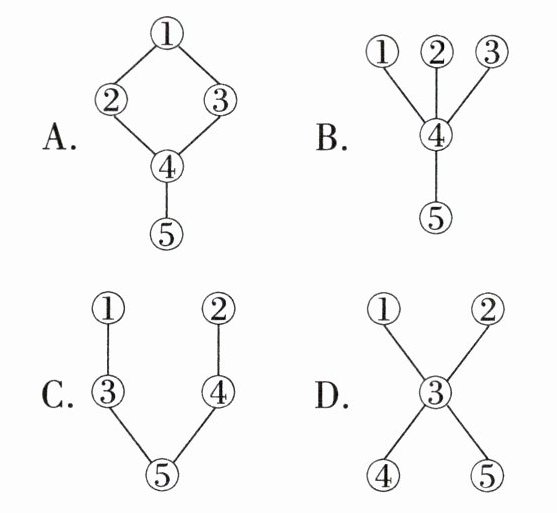
①
┌─┴─┐
② ③
└─┬─┘
④
└─┐
⑤
① ② ③
└─┬─┘
④
└─┐
⑤
① ②
│ │
③ ④
└─┬─┘
⑤
① ②
└─┬─┘
③
┌─┴─┐
④ ⑤
(
A. Beijing.
B. The shared bike.
C. Beijing’s success.
D. The developing.
(
A. It’s not difficult to manage shared bikes.
B. Shared bikes can take us to every corner of the streets.
C. The writer encourages us to keep trying when facing problems.
D. People followed the rules when using shared bikes 10 years ago.
Do you know shared bikes? About ten years ago, you could see them in many Chinese
cities. But now some of them are gone.
These bikes helped people with the “last kilometer” problem. They were usually placed near subway stations and bus stops. People rode them to places where buses and subways couldn’t reach. They made our lives convenient. So why did they disappear?
There were many problems. Some people didn’t take care of the bikes. Some even damaged them on purpose (故意). Worse still, many users parked the bikes anywhere they wanted. It was hard for companies to get their bikes back, and riders couldn’t easily get their deposit money (押金). That’s why most shared bikes slowly disappeared.
But Beijing is different! You can still see shared bikes everywhere here. Now every bike has a tracking system (追踪系统). Riding to Tian’anmen Square at night is very popular with tourists. It’s healthy and cheap — only 1.5 yuan for 30 minutes (but remember: even 1 minute counts as 30 minutes). You must park in special areas, or you’ll pay 5 yuan extra. If you park outside the service area, it costs 10 yuan more.
Beijing’s success didn’t come easily. It shows us that if we keep trying, things can get better and better!
(
B
)46. What does the underlined word “convenient” mean?A. Cheap. B. Easy.
C. Difficult. D. Sad.
(
D
)47. Li Ming used a shared bike for 40 minutes and parked it outside the service area. He should pay .A. 3 yuan B. 8 yuan
C. 12 yuan D. 13 yuan
(
A
)48. What is the structure of the text?①
┌─┴─┐
② ③
└─┬─┘
④
└─┐
⑤
① ② ③
└─┬─┘
④
└─┐
⑤
① ②
│ │
③ ④
└─┬─┘
⑤
① ②
└─┬─┘
③
┌─┴─┐
④ ⑤
(
C
)49. What does the underlined word “It” in the last Paragraph refer to?A. Beijing.
B. The shared bike.
C. Beijing’s success.
D. The developing.
(
C
)50. What can we learn from the text?A. It’s not difficult to manage shared bikes.
B. Shared bikes can take us to every corner of the streets.
C. The writer encourages us to keep trying when facing problems.
D. People followed the rules when using shared bikes 10 years ago.
答案
46. B 上一句意为“人们可以骑到公共汽车、地铁无法到达的一些地方”,所以本句意为它们让生活“便捷”,与 easy 同义。
47. D 根据第四段最后三句提供的信息,可计算出他须支付:1.5+1.5+10=13(元)。
48. A
49. C 由下文可推断,It 指北京的成功。
50. C 由全文可知,只有 C 项正确。
47. D 根据第四段最后三句提供的信息,可计算出他须支付:1.5+1.5+10=13(元)。
48. A
49. C 由下文可推断,It 指北京的成功。
50. C 由全文可知,只有 C 项正确。
解析
【分析】
本题为英语阅读理解题,需根据文章内容解答词义猜测、细节理解、文章结构、代词指代及主旨大意类题目。解题思路如下:
1. 词义猜测题:通过上下文语境推断划线词含义,需结合前文描述的共享自行车的作用判断;
2. 细节计算题:定位原文关于收费规则的信息,按要求计算总费用;
3. 文章结构题:划分文章段落逻辑,匹配对应结构图示;
4. 代词指代题:根据代词所在句的前文内容,确定其指代的名词;
5. 主旨大意题:总结全文核心观点,匹配选项。
【解析】
46. 词义猜测题:前文提到共享自行车解决“最后一公里”问题,人们可骑到公交、地铁无法到达的地方,说明它们让生活“便捷”,convenient与easy同义,故选B。
47. 细节计算题:根据第四段,30分钟收费1.5元,40分钟按2个30分钟计算,费用为1.5×2=3元;停在服务区外需额外支付10元,总费用为3+10=13元,故选D。
48. 文章结构题:文章段落逻辑为:①引入共享自行车→②说明好处→③指出存在的问题→④介绍北京的情况→⑤总结观点,对应选项A的结构图示,故选A。
49. 代词指代题:最后一段第一句提到“Beijing’s success didn’t come easily”,后句“It shows us...”中It指代前文的“Beijing’s success”,故选C。
50. 主旨大意题:最后一段点明“if we keep trying, things can get better and better”,作者意在鼓励人们面对问题时坚持尝试,故选C。
【答案】
46.B 47.D 48.A 49.C 50.C
【知识点】
词义猜测、细节理解、文章结构、代词指代、主旨大意
【点评】
本题围绕共享自行车展开,涵盖英语阅读理解常见题型,需学生精准定位原文信息、结合语境推理,整体难度适中,能考查学生的综合阅读能力。
【难度系数】
0.6
本题为英语阅读理解题,需根据文章内容解答词义猜测、细节理解、文章结构、代词指代及主旨大意类题目。解题思路如下:
1. 词义猜测题:通过上下文语境推断划线词含义,需结合前文描述的共享自行车的作用判断;
2. 细节计算题:定位原文关于收费规则的信息,按要求计算总费用;
3. 文章结构题:划分文章段落逻辑,匹配对应结构图示;
4. 代词指代题:根据代词所在句的前文内容,确定其指代的名词;
5. 主旨大意题:总结全文核心观点,匹配选项。
【解析】
46. 词义猜测题:前文提到共享自行车解决“最后一公里”问题,人们可骑到公交、地铁无法到达的地方,说明它们让生活“便捷”,convenient与easy同义,故选B。
47. 细节计算题:根据第四段,30分钟收费1.5元,40分钟按2个30分钟计算,费用为1.5×2=3元;停在服务区外需额外支付10元,总费用为3+10=13元,故选D。
48. 文章结构题:文章段落逻辑为:①引入共享自行车→②说明好处→③指出存在的问题→④介绍北京的情况→⑤总结观点,对应选项A的结构图示,故选A。
49. 代词指代题:最后一段第一句提到“Beijing’s success didn’t come easily”,后句“It shows us...”中It指代前文的“Beijing’s success”,故选C。
50. 主旨大意题:最后一段点明“if we keep trying, things can get better and better”,作者意在鼓励人们面对问题时坚持尝试,故选C。
【答案】
46.B 47.D 48.A 49.C 50.C
【知识点】
词义猜测、细节理解、文章结构、代词指代、主旨大意
【点评】
本题围绕共享自行车展开,涵盖英语阅读理解常见题型,需学生精准定位原文信息、结合语境推理,整体难度适中,能考查学生的综合阅读能力。
【难度系数】
0.6
