

 登录
登录
Ⅶ. 阅读与回答问题
根据短文内容,回答下列问题(1-4题每题答案不超过10个词)。
Money may not buy happiness, but it helps. Many teenagers want to learn how to manage money before going out into the world. Be smart with your money. This idea is raised by Dr Mara Harvey, a money expert(专家). The following are some of her tips.
Learn to make money. Ask parents or neighbours if you can do chores to make pocket money. These could include(包括) washing a car or taking the dog for a walk. Agree on the value of different jobs before you start. In this way, you can also improve your communication skills, which will help when you have a grown-up job too.
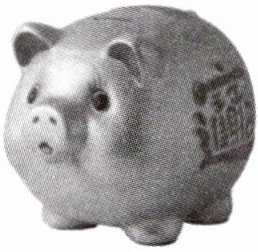
Help your money grow. Money can't grow if it's sitting inside a piggy bank. Put your money in the bank and you can get interest(利息). Save your money in the long run. One day you may feel surprised at how much money you have.
Make a plan. If you have a big event, such as a holiday coming up, it might mean you will need to spend most of your pocket money. Try making a plan for spending and saving. Write down how much money you have and what you are spending. Then it will help you to control your money.
Spend your money wisely. Figure out(算出) how much you can reasonably(合理地) spend each month. Spend your money on what you truly need. Then try to cut down on spending. For example, rather than(与其) eating out, you can choose to cook at home.
1. What idea does Dr Mara Harvey raise about managing money?
2. How can you make money?
3. Why do people usually put money in the bank?
4. What will you do when you need to spend most of your pocket money according to Paragraph 4?
5. What did you do with your pocket money in the past? How will you manage your pocket money this year?
根据短文内容,回答下列问题(1-4题每题答案不超过10个词)。
Money may not buy happiness, but it helps. Many teenagers want to learn how to manage money before going out into the world. Be smart with your money. This idea is raised by Dr Mara Harvey, a money expert(专家). The following are some of her tips.
Learn to make money. Ask parents or neighbours if you can do chores to make pocket money. These could include(包括) washing a car or taking the dog for a walk. Agree on the value of different jobs before you start. In this way, you can also improve your communication skills, which will help when you have a grown-up job too.
Help your money grow. Money can't grow if it's sitting inside a piggy bank. Put your money in the bank and you can get interest(利息). Save your money in the long run. One day you may feel surprised at how much money you have.
Make a plan. If you have a big event, such as a holiday coming up, it might mean you will need to spend most of your pocket money. Try making a plan for spending and saving. Write down how much money you have and what you are spending. Then it will help you to control your money.
Spend your money wisely. Figure out(算出) how much you can reasonably(合理地) spend each month. Spend your money on what you truly need. Then try to cut down on spending. For example, rather than(与其) eating out, you can choose to cook at home.
1. What idea does Dr Mara Harvey raise about managing money?
Be smart with your money.
2. How can you make money?
By doing chores for my parents or neighbours.
3. Why do people usually put money in the bank?
Because they can get interest.
4. What will you do when you need to spend most of your pocket money according to Paragraph 4?
I will try making a plan for spending and saving.
5. What did you do with your pocket money in the past? How will you manage your pocket money this year?
I used to go shopping with my pocket money. I will make a plan for spending and saving this year.(言之有理即可)
答案
VII. 1. Be smart with your money.
2. By doing chores for my parents or neighbours.
3. Because they can get interest.
4. I will try making a plan for spending and saving.
5. I used to go shopping with my pocket money. I will make a plan for spending and saving this year.(言之有理即可)
2. By doing chores for my parents or neighbours.
3. Because they can get interest.
4. I will try making a plan for spending and saving.
5. I used to go shopping with my pocket money. I will make a plan for spending and saving this year.(言之有理即可)
解析
【分析】
本题为英语阅读理解题,需根据短文内容提取关键信息作答。解题思路:先通读短文理解主旨,再针对每个问题定位到短文对应段落,提取符合要求的答案,注意1-4题答案不超10词,第5题需结合自身实际合理作答。
【解析】
1. 定位到短文第一段:“This idea is raised by Dr Mara Harvey... Be smart with your money.”,提取关键信息得答案。
2. 定位到短文第二段:“Ask parents or neighbours if you can do chores to make pocket money.”,整理成符合要求的答案。
3. 定位到短文第三段:“Put your money in the bank and you can get interest.”,提取原因得答案。
4. 定位到短文第四段:“Try making a plan for spending and saving.”,整理成符合要求的答案。
5. 结合自身实际,过去的做法和今年的计划合理表述即可,答案不唯一。
【答案】
VII. 1. Be smart with your money.
2. By doing chores for my parents or neighbours.
3. Because they can get interest.
4. I will try making a plan for spending and saving.
5. I used to go shopping with my pocket money. I will make a plan for spending and saving this year.(言之有理即可)
【知识点】
英语阅读理解、信息提取、书面表达
【点评】
本题考查学生的英语阅读信息提取能力与实际应用能力,题型设置兼顾基础与开放性,符合初中英语阅读题的考查方向。
【难度系数】
0.6
本题为英语阅读理解题,需根据短文内容提取关键信息作答。解题思路:先通读短文理解主旨,再针对每个问题定位到短文对应段落,提取符合要求的答案,注意1-4题答案不超10词,第5题需结合自身实际合理作答。
【解析】
1. 定位到短文第一段:“This idea is raised by Dr Mara Harvey... Be smart with your money.”,提取关键信息得答案。
2. 定位到短文第二段:“Ask parents or neighbours if you can do chores to make pocket money.”,整理成符合要求的答案。
3. 定位到短文第三段:“Put your money in the bank and you can get interest.”,提取原因得答案。
4. 定位到短文第四段:“Try making a plan for spending and saving.”,整理成符合要求的答案。
5. 结合自身实际,过去的做法和今年的计划合理表述即可,答案不唯一。
【答案】
VII. 1. Be smart with your money.
2. By doing chores for my parents or neighbours.
3. Because they can get interest.
4. I will try making a plan for spending and saving.
5. I used to go shopping with my pocket money. I will make a plan for spending and saving this year.(言之有理即可)
【知识点】
英语阅读理解、信息提取、书面表达
【点评】
本题考查学生的英语阅读信息提取能力与实际应用能力,题型设置兼顾基础与开放性,符合初中英语阅读题的考查方向。
【难度系数】
0.6
