

 登录
登录
Ⅰ.Read and choose. 根据课本第36—37页的内容,选择与图片相符的句子。
(
(
(
(
(
(
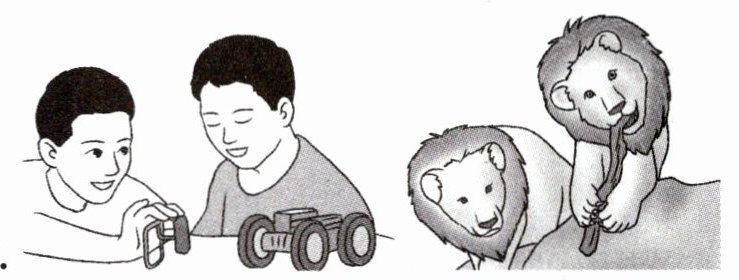
A. We play and learn. Lions do the same.
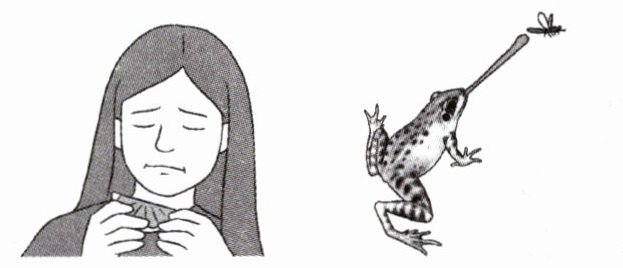
B. We taste food with our tongues. Frogs get food with their tongues.
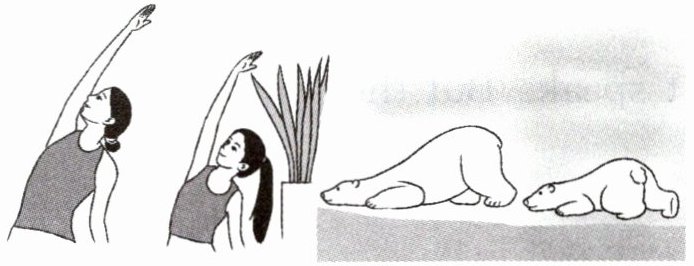
C. We learn from Mum and Dad. Polar bears do the same.
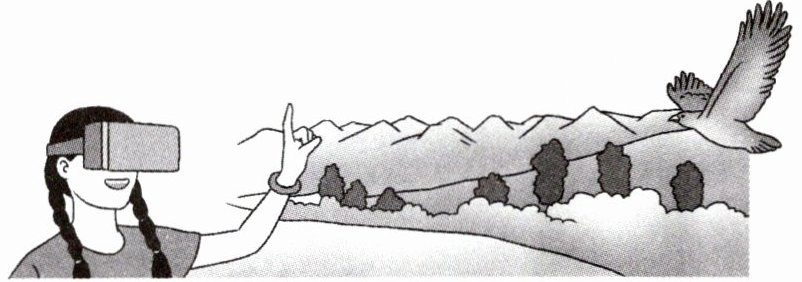
D. Eagles can see a rabbit from the sky. We can't. But we can use tools to see more!
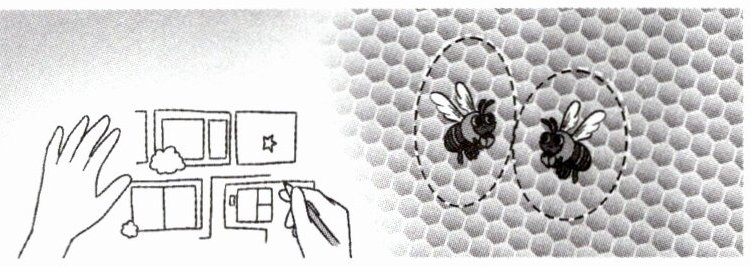
E. We draw maps with pencils and paper. Bees can't draw. But they can make a "map".
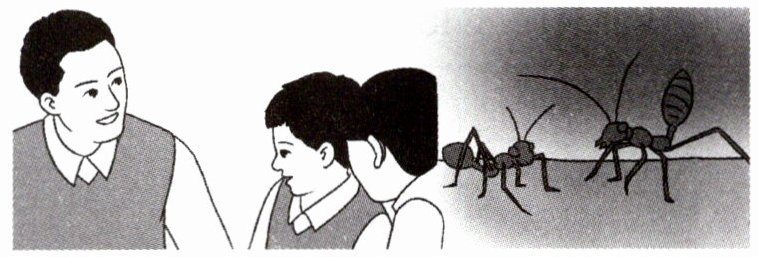
F. We speak and learn. Ants can't speak. But they can use smell to learn.
课外拓展
(
C
)1.(
A
)2.(
B
)3.(
F
)4.(
E
)5.(
D
)6.A. We play and learn. Lions do the same.
B. We taste food with our tongues. Frogs get food with their tongues.
C. We learn from Mum and Dad. Polar bears do the same.
D. Eagles can see a rabbit from the sky. We can't. But we can use tools to see more!
E. We draw maps with pencils and paper. Bees can't draw. But they can make a "map".
F. We speak and learn. Ants can't speak. But they can use smell to learn.
课外拓展
答案
Ⅰ.1.C 2.A 3.B 4.F 5.E 6.D
解析
【分析】
这是一道课内配套的图文匹配选择题,解题时首先要通读所有备选句子,提炼每句的核心信息:先明确每个选项对应的核心主体和特征,比如选项C核心是向父母学习、北极熊也有同类行为,选项A核心是边玩边学、狮子也一样,其余选项也逐一梳理核心元素,再结合课本36-37页对应插图的画面内容,将插图的场景和选项描述逐一比对,就能匹配出正确答案。
【解析】
1. 第1幅插图呈现人类向父母学习、北极熊亲子互动的场景,和选项C“We learn from Mum and Dad. Polar bears do the same.”描述完全一致,因此选C。
2. 第2幅插图呈现人类边玩耍边学习、狮子嬉闹的场景,和选项A“We play and learn. Lions do the same.”描述完全一致,因此选A。
3. 第3幅插图呈现人类用舌头品尝食物、青蛙伸舌头捕食的场景,和选项B“We taste food with our tongues. Frogs get food with their tongues.”描述完全一致,因此选B。
4. 第4幅插图呈现人类说话学习、蚂蚁依靠气味传递信息学习的场景,和选项F“We speak and learn. Ants can't speak. But they can use smell to learn.”描述完全一致,因此选F。
5. 第5幅插图呈现人类用纸笔画地图、蜜蜂通过特殊动作传递位置信息(即它们的“地图”)的场景,和选项E“We draw maps with pencils and paper. Bees can't draw. But they can make a "map".”描述完全一致,因此选E。
6. 第6幅插图呈现老鹰从高空发现地面的兔子、人类借助观测工具看得更远的场景,和选项D“Eagles can see a rabbit from the sky. We can't. But we can use tools to see more!”描述完全一致,因此选D。
【答案】
1.C 2.A 3.B 4.F 5.E 6.D
【知识点】
英语句义理解,图文信息匹配,动物常识认知
【点评】
本题紧扣课内教材内容,将英语语句理解和趣味动物科普知识结合,既考查学生对课内所学内容的熟悉度,也能拓展学生的自然常识储备,整体趣味性较强,只要读懂每个选项的核心含义、结合课本配图记忆就可以顺利完成作答。
【难度系数】
0.8
这是一道课内配套的图文匹配选择题,解题时首先要通读所有备选句子,提炼每句的核心信息:先明确每个选项对应的核心主体和特征,比如选项C核心是向父母学习、北极熊也有同类行为,选项A核心是边玩边学、狮子也一样,其余选项也逐一梳理核心元素,再结合课本36-37页对应插图的画面内容,将插图的场景和选项描述逐一比对,就能匹配出正确答案。
【解析】
1. 第1幅插图呈现人类向父母学习、北极熊亲子互动的场景,和选项C“We learn from Mum and Dad. Polar bears do the same.”描述完全一致,因此选C。
2. 第2幅插图呈现人类边玩耍边学习、狮子嬉闹的场景,和选项A“We play and learn. Lions do the same.”描述完全一致,因此选A。
3. 第3幅插图呈现人类用舌头品尝食物、青蛙伸舌头捕食的场景,和选项B“We taste food with our tongues. Frogs get food with their tongues.”描述完全一致,因此选B。
4. 第4幅插图呈现人类说话学习、蚂蚁依靠气味传递信息学习的场景,和选项F“We speak and learn. Ants can't speak. But they can use smell to learn.”描述完全一致,因此选F。
5. 第5幅插图呈现人类用纸笔画地图、蜜蜂通过特殊动作传递位置信息(即它们的“地图”)的场景,和选项E“We draw maps with pencils and paper. Bees can't draw. But they can make a "map".”描述完全一致,因此选E。
6. 第6幅插图呈现老鹰从高空发现地面的兔子、人类借助观测工具看得更远的场景,和选项D“Eagles can see a rabbit from the sky. We can't. But we can use tools to see more!”描述完全一致,因此选D。
【答案】
1.C 2.A 3.B 4.F 5.E 6.D
【知识点】
英语句义理解,图文信息匹配,动物常识认知
【点评】
本题紧扣课内教材内容,将英语语句理解和趣味动物科普知识结合,既考查学生对课内所学内容的熟悉度,也能拓展学生的自然常识储备,整体趣味性较强,只要读懂每个选项的核心含义、结合课本配图记忆就可以顺利完成作答。
【难度系数】
0.8
