

 登录
登录
B
① Human activities keep changing our planet, not just in temperature and on the Earth's surface, but also in the sound of the oceans. These changes influence many sea animals, from tiny fish to big whales.
②Sound travels far underwater. Sound is a better way for fish to know their environment than light. They use sound waves to talk with each other. Sound waves also help them find food and stay away from hunters. In short, sound helps ocean animals survive better.
③However, not all the sound is good for sea animals, such as the noise from human activities. It comes from ships, underwater oil, gas exploration and so on. This makes it harder for sea animals to live a normal life.
④ Scientists still don't fully understand what deep effects noise brings to sea animals. But some studies show noise might make them lose hearing. The stress from noise can also hurt their immune (免疫) systems. Since 1970, the number of sea animals has dropped by 56%. In some ocean areas, it's recorded that there are fewer animals "singing" and talking with others than before.
⑤When we talk about the threats (威胁) to the ocean, we often think of climate change, plastics, and overfishing. But noise pollution is also a serious problem. The good news is that dealing with noise pollution might be easier. We can reduce or stop the noise right away by changing our activities.
根据材料内容选择最佳答案。
(
①They use it to communicate.
②They use it to find food.
③They use it to swim faster.
④They use it to avoid hunters
A. ①②③
B. ①③④
C. ①②④
D. ②③④
(
A. Singing of whales and fish.
B. Natural climate change.
C. Human activities like shipping.
D. Plastic pollution in the sea.
(
A. Swimming in the sea will cause noise pollution.
B. Noise does more harm to sea animals than humans thought.
C. It will cost humans much money to reduce noise pollution in the ocean.
D. Ocean animals will get used to the noise soon.
(
(
A. Sound travels far underwater.
B. Plastics or climate change are much harder to solve than noise pollution.
C. Ocean animals might not hear each other because of noise from humans.
D. Noise has a negative effect on
① Human activities keep changing our planet, not just in temperature and on the Earth's surface, but also in the sound of the oceans. These changes influence many sea animals, from tiny fish to big whales.
②Sound travels far underwater. Sound is a better way for fish to know their environment than light. They use sound waves to talk with each other. Sound waves also help them find food and stay away from hunters. In short, sound helps ocean animals survive better.
③However, not all the sound is good for sea animals, such as the noise from human activities. It comes from ships, underwater oil, gas exploration and so on. This makes it harder for sea animals to live a normal life.
④ Scientists still don't fully understand what deep effects noise brings to sea animals. But some studies show noise might make them lose hearing. The stress from noise can also hurt their immune (免疫) systems. Since 1970, the number of sea animals has dropped by 56%. In some ocean areas, it's recorded that there are fewer animals "singing" and talking with others than before.
⑤When we talk about the threats (威胁) to the ocean, we often think of climate change, plastics, and overfishing. But noise pollution is also a serious problem. The good news is that dealing with noise pollution might be easier. We can reduce or stop the noise right away by changing our activities.
根据材料内容选择最佳答案。
(
C
)4. Why the sound is important for ocean animals?①They use it to communicate.
②They use it to find food.
③They use it to swim faster.
④They use it to avoid hunters
A. ①②③
B. ①③④
C. ①②④
D. ②③④
(
C
)5. What is the main cause of the increasing ocean noise?A. Singing of whales and fish.
B. Natural climate change.
C. Human activities like shipping.
D. Plastic pollution in the sea.
(
B
)6. What can we infer from the passage?A. Swimming in the sea will cause noise pollution.
B. Noise does more harm to sea animals than humans thought.
C. It will cost humans much money to reduce noise pollution in the ocean.
D. Ocean animals will get used to the noise soon.
(
A
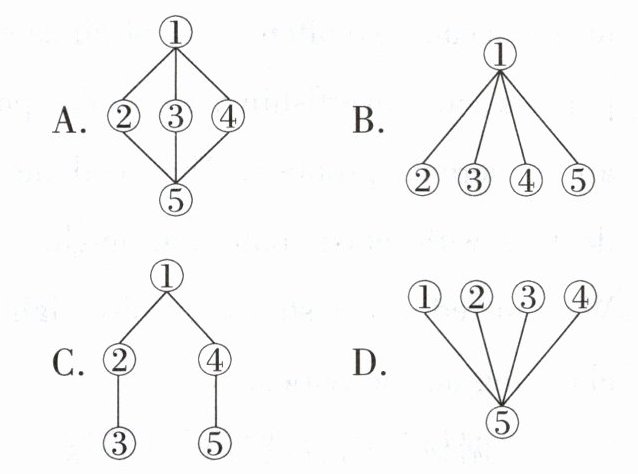
)7. Which of the following shows the structure of the passage?(
D
)8. Which of the following statements is NOT true according to the text?A. Sound travels far underwater.
B. Plastics or climate change are much harder to solve than noise pollution.
C. Ocean animals might not hear each other because of noise from humans.
D. Noise has a negative effect on
答案
4. C 由第二段可知,海洋生物利用声音来交流、觅食和远离捕食者。
只有第③条是文章内容未提到的。
5. C 6. B 7. A
8. D 由整篇文章尤其是第一段最后一句可知,噪声不只对小鱼有影响。
只有第③条是文章内容未提到的。
5. C 6. B 7. A
8. D 由整篇文章尤其是第一段最后一句可知,噪声不只对小鱼有影响。
解析
【分析】
本题为英语阅读理解题,需通读全文,定位各问题对应的原文段落,逐一分析选项,选出符合文章内容的答案。第4题考查海洋动物利用声音的作用,需定位第二段;第5题考查海洋噪音增加的原因,定位第三段;第6题考查推理判断,需结合全文内容;第7题考查文章结构,需梳理段落逻辑关系;第8题考查细节理解,需找出不符合原文的选项。
【解析】
4. 定位文章第二段:“They use sound waves to talk with each other. Sound waves also help them find food and stay away from hunters.” 可知海洋动物利用声音交流、找食物、远离捕食者,未提到“游泳更快”,故答案为C。
5. 定位第三段:“not all the sound is good for sea animals, such as the noise from human activities. It comes from ships, underwater oil, gas exploration and so on.” 可知海洋噪音增加的原因是人类活动(如航运),故答案为C。
6. 结合第四段“Scientists still don't fully understand what deep effects noise brings to sea animals.” 可知噪音对海洋动物的危害比人类预想的更大,B选项正确;A选项文中未提及游泳导致噪音;第五段提到处理噪音污染可能更容易,C选项错误;D选项未提及海洋动物会很快适应噪音,故答案为B。
7. 梳理文章结构:第一段总述人类活动改变海洋声音并影响海洋动物;第二段讲声音对海洋动物的重要性;第三段转折说明人类噪音的危害;第四段阐述噪音的深层影响;第五段总结噪音污染是海洋威胁且易处理。对应选项A的结构,故答案为A。
8. 选项D表述不完整且不符合原文,原文第一段最后提到噪音影响从小鱼到鲸鱼,而D选项未完整表述且错误;A选项符合第二段首句“Sound travels far underwater.”;B选项第五段提到处理噪音可能更容易,说明塑料等问题更难解决;C选项第四段提到噪音可能让海洋动物失去听力,故答案为D。
【答案】4.C 5.C 6.B 7.A 8.D
【知识点】英语阅读理解、细节理解、推理判断、文章结构
【点评】本题涵盖英语阅读理解的多种题型,需准确定位原文信息,梳理文章逻辑,难度适中,学生需仔细对比选项与原文内容,避免误判。
【难度系数】0.5
本题为英语阅读理解题,需通读全文,定位各问题对应的原文段落,逐一分析选项,选出符合文章内容的答案。第4题考查海洋动物利用声音的作用,需定位第二段;第5题考查海洋噪音增加的原因,定位第三段;第6题考查推理判断,需结合全文内容;第7题考查文章结构,需梳理段落逻辑关系;第8题考查细节理解,需找出不符合原文的选项。
【解析】
4. 定位文章第二段:“They use sound waves to talk with each other. Sound waves also help them find food and stay away from hunters.” 可知海洋动物利用声音交流、找食物、远离捕食者,未提到“游泳更快”,故答案为C。
5. 定位第三段:“not all the sound is good for sea animals, such as the noise from human activities. It comes from ships, underwater oil, gas exploration and so on.” 可知海洋噪音增加的原因是人类活动(如航运),故答案为C。
6. 结合第四段“Scientists still don't fully understand what deep effects noise brings to sea animals.” 可知噪音对海洋动物的危害比人类预想的更大,B选项正确;A选项文中未提及游泳导致噪音;第五段提到处理噪音污染可能更容易,C选项错误;D选项未提及海洋动物会很快适应噪音,故答案为B。
7. 梳理文章结构:第一段总述人类活动改变海洋声音并影响海洋动物;第二段讲声音对海洋动物的重要性;第三段转折说明人类噪音的危害;第四段阐述噪音的深层影响;第五段总结噪音污染是海洋威胁且易处理。对应选项A的结构,故答案为A。
8. 选项D表述不完整且不符合原文,原文第一段最后提到噪音影响从小鱼到鲸鱼,而D选项未完整表述且错误;A选项符合第二段首句“Sound travels far underwater.”;B选项第五段提到处理噪音可能更容易,说明塑料等问题更难解决;C选项第四段提到噪音可能让海洋动物失去听力,故答案为D。
【答案】4.C 5.C 6.B 7.A 8.D
【知识点】英语阅读理解、细节理解、推理判断、文章结构
【点评】本题涵盖英语阅读理解的多种题型,需准确定位原文信息,梳理文章逻辑,难度适中,学生需仔细对比选项与原文内容,避免误判。
【难度系数】0.5
