

 登录
登录
一、(2026·昆明期末)根据短文内容,判断正误(正确“T”,错误“F”)。
Yunnan's milk fan( rushan) is a traditional snack in Dali, Southwest China. It looks like a paper fan and has a strong milk taste. Let's walk into Eryuan County, the hometown of milk fan, to visit Li Peihe, a famous milk fan maker.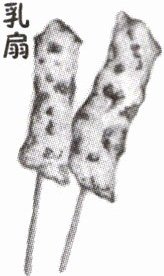
The main ingredient to make milk fan is fresh milk. "Most goodness of fresh milk is in the milk fan," Li said. "I can make only 0.5 kg of milk fan from 5 kg of fresh milk." Every time she makes it, she pours sour water into a pot first and boils it. Next, she pours fresh milk into the pot when the sour water is hot enough. After the milk solidifies (凝固), Li makes it into a ball skillfully, then pulls the milk ball into thin sheets (薄片) and rolls them onto the bamboo rods. Finally, people can eat milk fan directly after two or three days of air-drying. Besides, frying, roasting and steaming are also good ways to cook this snack.
When visitors from other countries try milk fan for the first time, they may be surprised to find it tastes like cheese. In fact, Dali has a long history of making and eating milk fan. Now milk fan is still popular among locals, and it is also sold to Beijing, Shanghai, Shenzhen and other cities in China.
(
(
(
(
(
Yunnan's milk fan( rushan) is a traditional snack in Dali, Southwest China. It looks like a paper fan and has a strong milk taste. Let's walk into Eryuan County, the hometown of milk fan, to visit Li Peihe, a famous milk fan maker.
The main ingredient to make milk fan is fresh milk. "Most goodness of fresh milk is in the milk fan," Li said. "I can make only 0.5 kg of milk fan from 5 kg of fresh milk." Every time she makes it, she pours sour water into a pot first and boils it. Next, she pours fresh milk into the pot when the sour water is hot enough. After the milk solidifies (凝固), Li makes it into a ball skillfully, then pulls the milk ball into thin sheets (薄片) and rolls them onto the bamboo rods. Finally, people can eat milk fan directly after two or three days of air-drying. Besides, frying, roasting and steaming are also good ways to cook this snack.
When visitors from other countries try milk fan for the first time, they may be surprised to find it tastes like cheese. In fact, Dali has a long history of making and eating milk fan. Now milk fan is still popular among locals, and it is also sold to Beijing, Shanghai, Shenzhen and other cities in China.
(
F
)1. Milk fan is a kind of Chinese paper fan.(
F
)2. Li Peihe pours fresh milk into a pot first when making milk fan.(
T
)3. There are many different ways of cooking milk fan.(
F
)4. People in Dali didn't make or eat milk fan in the past.(
T
)5. The text is mainly about a local snack—milk fan.答案
1.F 2.F 3.T 4.F 5.T
解析
【分析】
本题为阅读理解正误判断题,需根据短文内容逐一核对每个小题的描述,先定位每个小题关键词对应的原文语句,再对比描述与原文含义判断正误,重点关注细节(如顺序、修饰词等),避免误判。
【解析】
1. 定位原文第一段:“It looks like a paper fan and has a strong milk taste.” 可知乳扇只是外观像纸扇,并非真的纸扇,故本题错误。
2. 定位原文第二段:“Every time she makes it, she pours sour water into a pot first and boils it. Next, she pours fresh milk into the pot...” 可知制作时先倒酸水,再倒鲜奶,故本题错误。
3. 定位原文第二段最后一句:“Besides, frying, roasting and steaming are also good ways to cook this snack.” 可知乳扇有煎、烤、蒸等多种做法,故本题正确。
4. 定位原文第三段:“In fact, Dali has a long history of making and eating milk fan.” 可知大理过去就有制作和食用乳扇的历史,故本题错误。
5. 通读全文,短文围绕云南大理的传统小吃乳扇展开,介绍了其原料、制作过程、吃法及受欢迎程度,故本题正确。
【答案】
1.F 2.F 3.T 4.F 5.T
【知识点】
阅读理解细节判断,短文内容理解
【点评】
本题为细节类正误判断题,难度适中,需学生精准定位原文对应信息,通过对比判断即可,主要考查对短文细节的理解能力。
【难度系数】
0.6
本题为阅读理解正误判断题,需根据短文内容逐一核对每个小题的描述,先定位每个小题关键词对应的原文语句,再对比描述与原文含义判断正误,重点关注细节(如顺序、修饰词等),避免误判。
【解析】
1. 定位原文第一段:“It looks like a paper fan and has a strong milk taste.” 可知乳扇只是外观像纸扇,并非真的纸扇,故本题错误。
2. 定位原文第二段:“Every time she makes it, she pours sour water into a pot first and boils it. Next, she pours fresh milk into the pot...” 可知制作时先倒酸水,再倒鲜奶,故本题错误。
3. 定位原文第二段最后一句:“Besides, frying, roasting and steaming are also good ways to cook this snack.” 可知乳扇有煎、烤、蒸等多种做法,故本题正确。
4. 定位原文第三段:“In fact, Dali has a long history of making and eating milk fan.” 可知大理过去就有制作和食用乳扇的历史,故本题错误。
5. 通读全文,短文围绕云南大理的传统小吃乳扇展开,介绍了其原料、制作过程、吃法及受欢迎程度,故本题正确。
【答案】
1.F 2.F 3.T 4.F 5.T
【知识点】
阅读理解细节判断,短文内容理解
【点评】
本题为细节类正误判断题,难度适中,需学生精准定位原文对应信息,通过对比判断即可,主要考查对短文细节的理解能力。
【难度系数】
0.6
二、阅读理解。
The History of Pizza
——素材源自教材 P87 Reading Plus
① Do you know pizza is one of the most popular fast foods in the world? In fact, around the world, people eat 5 billion pizzas every year! But where did pizza come from and what makes it so popular? Read on to find out.
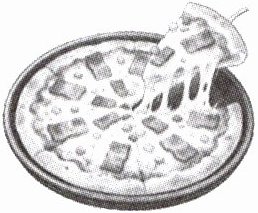
② Thousands of years ago, the Greeks, Italians, and Persians started putting vegetables, oil, cheese, and other things on flat bread. The ingredients depended on(取决于) the area, but there was one thing in common: Everyone put the toppings on some type of bread. This was the ancient form of “pizza”.
③ Our modern pizza goes back to the Romans more than 2,000 years ago. They put cheese and olive oil on bread. In the 1700s, a pizza with tomato sauce(酱) and cheese became popular in Naples, Italy. Later, Italians brought the pizza to America, and then it became a popular food all over the world, with different pizzas from different places.
④ Photographs of movie stars and famous athletes with pizza helped it become more and more popular, and that led to competitions. Today, we have the World Pizza Games. There are also all kinds of world records. For example, in 2017, there was a new record for the world's longest pizza. It was over 1.9 kilometres long!
⑤Today, pizza is popular all over the world, and different places have their own local pizzas. So do you like eating or cooking pizza? What is your favourite pizza style?
(
A. 2 million. B. 2.1 million.
C. 1.9 billion. D. 5 billion.
(
A. The ways pizza is cooked.
B. The pizza people like to eat.
C. The things put on pizza.
D. The bread used to make pizza.
(
a. The early kind of pizza appeared.
b. Italians brought the pizza to the US.
c. The Romans put cheese and olive oil on bread.
d. The 1.9-kilometre-long pizza became a new record.
A. a – b – d – c B. a – c – b – d
C. c – b – d – a D. d – c – a – b
(
The History of Pizza
——素材源自教材 P87 Reading Plus
① Do you know pizza is one of the most popular fast foods in the world? In fact, around the world, people eat 5 billion pizzas every year! But where did pizza come from and what makes it so popular? Read on to find out.
② Thousands of years ago, the Greeks, Italians, and Persians started putting vegetables, oil, cheese, and other things on flat bread. The ingredients depended on(取决于) the area, but there was one thing in common: Everyone put the toppings on some type of bread. This was the ancient form of “pizza”.
③ Our modern pizza goes back to the Romans more than 2,000 years ago. They put cheese and olive oil on bread. In the 1700s, a pizza with tomato sauce(酱) and cheese became popular in Naples, Italy. Later, Italians brought the pizza to America, and then it became a popular food all over the world, with different pizzas from different places.
④ Photographs of movie stars and famous athletes with pizza helped it become more and more popular, and that led to competitions. Today, we have the World Pizza Games. There are also all kinds of world records. For example, in 2017, there was a new record for the world's longest pizza. It was over 1.9 kilometres long!
⑤Today, pizza is popular all over the world, and different places have their own local pizzas. So do you like eating or cooking pizza? What is your favourite pizza style?
(
D
)1. How many pizzas are eaten every year around the world?A. 2 million. B. 2.1 million.
C. 1.9 billion. D. 5 billion.
(
C
)2. What does the underlined word “toppings” in Paragraph 2 mean?A. The ways pizza is cooked.
B. The pizza people like to eat.
C. The things put on pizza.
D. The bread used to make pizza.
(
B
)3. Which is the right time order of the following facts?a. The early kind of pizza appeared.
b. Italians brought the pizza to the US.
c. The Romans put cheese and olive oil on bread.
d. The 1.9-kilometre-long pizza became a new record.
A. a – b – d – c B. a – c – b – d
C. c – b – d – a D. d – c – a – b
(
A
)4. Which of the following best shows the structure of the text?答案
1.D 2.C 3.B 4.A
解析
【分析】
1. 第1题是细节理解题,需定位原文查找每年全球食用披萨的数量,直接匹配对应数字即可;
2. 第2题是词义猜测题,结合上下文语境,前文提到人们将蔬菜、油、奶酪等放在扁面包上,据此推断划线词含义;
3. 第3题是事件时间排序题,回原文逐一查找各事件的时间先后,再按顺序排列;
4. 第4题是文章结构题,梳理各段落主旨,分析段落间逻辑关系,确定文章结构类型。
【解析】
1. 第1题:根据原文第一段“In fact, around the world, people eat 5 billion pizzas every year!”可知,每年全球吃50亿个披萨,对应选项D。
2. 第2题:根据第二段“Everyone put the toppings on some type of bread”,结合前文“put vegetables, oil, cheese, and other things on flat bread”,可知toppings指放在披萨上的食材,对应选项C。
3. 第3题:回原文确认各事件时间顺序:a. 数千年前古希腊等出现古代披萨;c. 2000多年前罗马人将奶酪和橄榄油放在面包上;b. 后来意大利人将披萨带到美国;d. 2017年诞生1.9公里长的披萨记录,顺序为a-c-b-d,对应选项B。
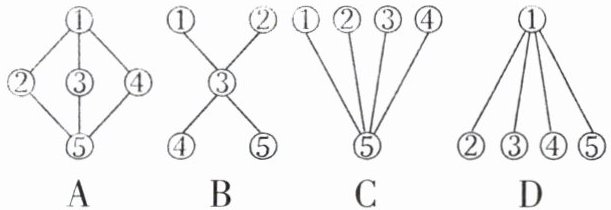
4. 第4题:文章结构为:①段引入披萨话题(总起);②-④段分别讲述披萨的古代形式、现代发展、流行原因(分述);⑤段总结披萨现状(总结),为总-分-总结构,对应选项A。
【答案】
1.D 2.C 3.B 4.A
【知识点】
英语阅读理解、细节理解、词义猜测
【点评】
本题是围绕披萨历史的英语阅读理解题,涵盖细节查找、词义猜测、时间排序、文章结构分析等基础阅读考点,侧重考查学生定位信息与梳理逻辑的能力,题目贴合教材阅读内容,难度适中。
【难度系数】
0.7
1. 第1题是细节理解题,需定位原文查找每年全球食用披萨的数量,直接匹配对应数字即可;
2. 第2题是词义猜测题,结合上下文语境,前文提到人们将蔬菜、油、奶酪等放在扁面包上,据此推断划线词含义;
3. 第3题是事件时间排序题,回原文逐一查找各事件的时间先后,再按顺序排列;
4. 第4题是文章结构题,梳理各段落主旨,分析段落间逻辑关系,确定文章结构类型。
【解析】
1. 第1题:根据原文第一段“In fact, around the world, people eat 5 billion pizzas every year!”可知,每年全球吃50亿个披萨,对应选项D。
2. 第2题:根据第二段“Everyone put the toppings on some type of bread”,结合前文“put vegetables, oil, cheese, and other things on flat bread”,可知toppings指放在披萨上的食材,对应选项C。
3. 第3题:回原文确认各事件时间顺序:a. 数千年前古希腊等出现古代披萨;c. 2000多年前罗马人将奶酪和橄榄油放在面包上;b. 后来意大利人将披萨带到美国;d. 2017年诞生1.9公里长的披萨记录,顺序为a-c-b-d,对应选项B。
4. 第4题:文章结构为:①段引入披萨话题(总起);②-④段分别讲述披萨的古代形式、现代发展、流行原因(分述);⑤段总结披萨现状(总结),为总-分-总结构,对应选项A。
【答案】
1.D 2.C 3.B 4.A
【知识点】
英语阅读理解、细节理解、词义猜测
【点评】
本题是围绕披萨历史的英语阅读理解题,涵盖细节查找、词义猜测、时间排序、文章结构分析等基础阅读考点,侧重考查学生定位信息与梳理逻辑的能力,题目贴合教材阅读内容,难度适中。
【难度系数】
0.7
