

 登录
登录
四、阅读理解
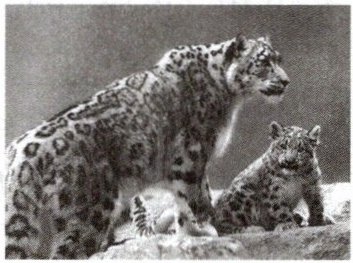
On a cold snowy day, 15-year-old Yeshe Dolkar, living in Nangqen County of Qinghai, was heading down a mountaintop with her family. Suddenly, they saw two snow leopards(雪豹)near the Lancang River. “It was my first time to see them. They looked so cool!” Yeshe Dolkar said.
Since the mid-20th century, the area of snow, grasslands and lakes in Sanjiangyuan has become smaller because of climate(气候)change and human activities. Many wild animals in the area have died out. Snow leopards are in danger.
On Jan. 24, 2003, China built Sanjiangyuan Nature Reserve to better protect the area and the wild animals there. In these years, the number of wild animals has been rising. More than 70 000 antelopes(藏羚羊)now live there. And over 1 000 snow leopards can be found in the area, more than in most other places around the world.
The local people have improved their understanding about environmental protection and have tried hard to look after the environment in Sanjiangyuan over the years. In Nangqen County, the local people still live on selling caterpillar fungus(冬虫夏草)they found in grasslands. They carried food with them in plastic bags and left the bags behind in the past. But now things have changed. The local people offer to pick up waste on the grasslands. People also take their plastic bags and food waste down the mountain after eating. The local environment has taken on a new look.
The story of Sanjiangyuan shows that when people and nature work together, amazing things can happen. Let’s all follow this good example. As young people, we should protect our home and keep on living together with nature in harmony(和谐).
(
A. Yeshe Dolkar raised two of them at home.
B. Human activities killed all the snow leopards.
C. Climate change once made their number drop.
D. Yeshe Dolkar saw them near the Lancang River many times.
(
A. To provide a home for more people.
B. To protect the natural environment.
C. To make people there have better lives.
D. To find the beginning of three rivers.
(
A. Their way of making a living.
B. Their way of crossing the grasslands.
C. Their way of treating waste.
D. Their way of carrying food with them.
(
A. China decides to build more nature reserves in the future.
B. Many young people choose to live in Sanjiangyuan.
C. The number of the antelopes in Sanjiangyuan is the smallest.
D. The future of Sanjiangyuan Nature Reserve will be much better.
On a cold snowy day, 15-year-old Yeshe Dolkar, living in Nangqen County of Qinghai, was heading down a mountaintop with her family. Suddenly, they saw two snow leopards(雪豹)near the Lancang River. “It was my first time to see them. They looked so cool!” Yeshe Dolkar said.
Since the mid-20th century, the area of snow, grasslands and lakes in Sanjiangyuan has become smaller because of climate(气候)change and human activities. Many wild animals in the area have died out. Snow leopards are in danger.
On Jan. 24, 2003, China built Sanjiangyuan Nature Reserve to better protect the area and the wild animals there. In these years, the number of wild animals has been rising. More than 70 000 antelopes(藏羚羊)now live there. And over 1 000 snow leopards can be found in the area, more than in most other places around the world.
The local people have improved their understanding about environmental protection and have tried hard to look after the environment in Sanjiangyuan over the years. In Nangqen County, the local people still live on selling caterpillar fungus(冬虫夏草)they found in grasslands. They carried food with them in plastic bags and left the bags behind in the past. But now things have changed. The local people offer to pick up waste on the grasslands. People also take their plastic bags and food waste down the mountain after eating. The local environment has taken on a new look.
The story of Sanjiangyuan shows that when people and nature work together, amazing things can happen. Let’s all follow this good example. As young people, we should protect our home and keep on living together with nature in harmony(和谐).
(
C
)1. What can we know about snow leopards from Paragraphs 1 and 2?A. Yeshe Dolkar raised two of them at home.
B. Human activities killed all the snow leopards.
C. Climate change once made their number drop.
D. Yeshe Dolkar saw them near the Lancang River many times.
(
B
)2. Why did China build Sanjiangyuan Nature Reserve?A. To provide a home for more people.
B. To protect the natural environment.
C. To make people there have better lives.
D. To find the beginning of three rivers.
(
C
)3. What have the local people in Sanjiangyuan changed?A. Their way of making a living.
B. Their way of crossing the grasslands.
C. Their way of treating waste.
D. Their way of carrying food with them.
(
D
)4. What can we infer(推断)from the passage?A. China decides to build more nature reserves in the future.
B. Many young people choose to live in Sanjiangyuan.
C. The number of the antelopes in Sanjiangyuan is the smallest.
D. The future of Sanjiangyuan Nature Reserve will be much better.
答案
1.C 2.B 3.C 4.D
解析
【分析】
本题为英语阅读理解题,需结合原文细节逐一分析选项:
1. 第1题定位原文1、2段,逐一核对选项表述与原文是否一致;
2. 第2题查找建立三江源自然保护区的目的,对应原文关键句;
3. 第3题聚焦当地居民的变化,定位第4段关于垃圾处理的描述;
4. 第4题需结合全文主旨,推断符合逻辑的结论。
【解析】
1. 第1题:根据第一段“It was my first time to see them”可知Yeshe Dolkar是第一次看到雪豹,A、D错误;第二段提到雪豹濒危,并非全部死亡,B错误;第二段指出气候变化和人类活动导致区域缩小、野生动物减少,雪豹数量下降,C正确。
2. 第2题:根据第三段“China built Sanjiangyuan Nature Reserve to better protect the area and the wild animals there”,可知建立保护区是为了保护自然环境及野生动物,B符合。
3. 第3题:根据第四段“过去人们用塑料袋装食物后留下袋子,现在主动捡垃圾、带走垃圾”,可知当地人改变了处理垃圾的方式,C正确。
4. 第4题:最后一段强调人与自然合作会有好结果,结合三江源当前的保护成果,可推断保护区未来会更好,D正确;A、B文中未提及,C与原文“超过7万藏羚羊”不符。
【答案】
1.C 2.B 3.C 4.D
【知识点】
英语阅读理解、细节理解、推理判断
【点评】
本题围绕三江源环境保护展开,考查学生对原文细节的定位能力和逻辑推理能力,需仔细比对选项与原文信息,难度适中。
【难度系数】
0.6
本题为英语阅读理解题,需结合原文细节逐一分析选项:
1. 第1题定位原文1、2段,逐一核对选项表述与原文是否一致;
2. 第2题查找建立三江源自然保护区的目的,对应原文关键句;
3. 第3题聚焦当地居民的变化,定位第4段关于垃圾处理的描述;
4. 第4题需结合全文主旨,推断符合逻辑的结论。
【解析】
1. 第1题:根据第一段“It was my first time to see them”可知Yeshe Dolkar是第一次看到雪豹,A、D错误;第二段提到雪豹濒危,并非全部死亡,B错误;第二段指出气候变化和人类活动导致区域缩小、野生动物减少,雪豹数量下降,C正确。
2. 第2题:根据第三段“China built Sanjiangyuan Nature Reserve to better protect the area and the wild animals there”,可知建立保护区是为了保护自然环境及野生动物,B符合。
3. 第3题:根据第四段“过去人们用塑料袋装食物后留下袋子,现在主动捡垃圾、带走垃圾”,可知当地人改变了处理垃圾的方式,C正确。
4. 第4题:最后一段强调人与自然合作会有好结果,结合三江源当前的保护成果,可推断保护区未来会更好,D正确;A、B文中未提及,C与原文“超过7万藏羚羊”不符。
【答案】
1.C 2.B 3.C 4.D
【知识点】
英语阅读理解、细节理解、推理判断
【点评】
本题围绕三江源环境保护展开,考查学生对原文细节的定位能力和逻辑推理能力,需仔细比对选项与原文信息,难度适中。
【难度系数】
0.6
