

 登录
登录
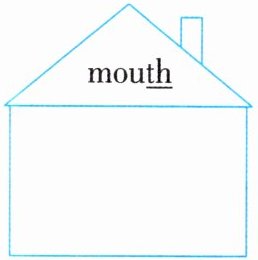
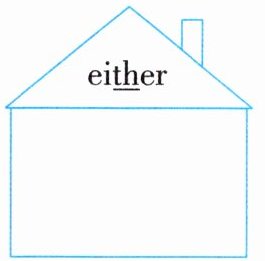
一、根据所给单词画线部分的读音,给下列单词归类。

1.
2.
1.
2.
答案
1. tooth anything thank birthday three
2. weather father them
2. weather father them
解析
【解析】
字母组合th有两种常见发音:清辅音/θ/和浊辅音/ð/。
发清辅音/θ/的单词:tooth, anything, thank, birthday, three;
发浊辅音/ð/的单词:weather, father, them。
【答案】
1. tooth anything thank birthday three
2. weather father them
【知识点】
字母组合th发音,单词读音归类
【点评】
本题考查字母组合th的清浊辅音发音辨析,要求学生掌握该字母组合的两种常见发音及对应单词,属于英语语音基础类题目。
【难度系数】
0.6
字母组合th有两种常见发音:清辅音/θ/和浊辅音/ð/。
发清辅音/θ/的单词:tooth, anything, thank, birthday, three;
发浊辅音/ð/的单词:weather, father, them。
【答案】
1. tooth anything thank birthday three
2. weather father them
【知识点】
字母组合th发音,单词读音归类
【点评】
本题考查字母组合th的清浊辅音发音辨析,要求学生掌握该字母组合的两种常见发音及对应单词,属于英语语音基础类题目。
【难度系数】
0.6
二、根据首字母或中文提示填空。
1. M
2. There is a dragon boat r
3. Look at the m
4. People
5. We have a food festival in
1. M
ay
comes after April.2. There is a dragon boat r
ace
at the Dragon Boat Festival.3. Look at the m
oon
. It's big and bright.4. People
visit
(看望) their parents and grandparents at this festival.5. We have a food festival in
November
(十一月).答案
1. May
2. race 解析:there is后面用可数名词单数或者不可数名词。
3. moon 4. visit 5. November
2. race 解析:there is后面用可数名词单数或者不可数名词。
3. moon 4. visit 5. November
解析
【解析】
1. 根据常识,四月之后的月份是五月,结合首字母M,可知填May。
2. 端午节有龙舟比赛,“龙舟比赛”为dragon boat race,there is后接可数名词单数,故填race。
3. 根据“又大又亮”的描述及首字母m,可知此处指月亮,填moon。
4. “看望”对应的英文动词是visit,主语people为复数,时态为一般现在时,用原形visit。
5. “十一月”的英文是November,注意首字母大写。
【答案】
1. May
2. race
3. moon
4. visit
5. November
【知识点】
月份类词汇;节日相关表达;基础动词运用
【点评】
本题考查基础英文词汇的积累与运用,涉及月份、节日活动、日常动词等内容,结合语境和生活常识即可作答,有助于巩固学生的基础词汇知识。
【难度系数】
0.8
1. 根据常识,四月之后的月份是五月,结合首字母M,可知填May。
2. 端午节有龙舟比赛,“龙舟比赛”为dragon boat race,there is后接可数名词单数,故填race。
3. 根据“又大又亮”的描述及首字母m,可知此处指月亮,填moon。
4. “看望”对应的英文动词是visit,主语people为复数,时态为一般现在时,用原形visit。
5. “十一月”的英文是November,注意首字母大写。
【答案】
1. May
2. race
3. moon
4. visit
5. November
【知识点】
月份类词汇;节日相关表达;基础动词运用
【点评】
本题考查基础英文词汇的积累与运用,涉及月份、节日活动、日常动词等内容,结合语境和生活常识即可作答,有助于巩固学生的基础词汇知识。
【难度系数】
0.8
三、用所给词的适当形式填空。
1. Liu Tao's mother calls
2. There are a lot of interesting
3. — What festival
— The Lantern Festival.
4. I don't like eating rice
5. Many
1. Liu Tao's mother calls
him
(he) Taotao.2. There are a lot of interesting
places
(place) in China.3. — What festival
comes
(come) after the Spring Festival?— The Lantern Festival.
4. I don't like eating rice
dumplings
(dumpling).5. Many
children
(child) love festivals.答案
1. him 2. places 3. comes 4. dumplings 5. children
解析
【解析】
1. 动词calls后接人称代词宾格作宾语,he的宾格形式是him。
2. a lot of后接可数名词复数,place的复数形式是places。
3. 主语the festival是单数,一般现在时中谓语动词用第三人称单数形式,come的第三人称单数是comes。
4. rice dumpling是可数名词,此处表示一类事物,应用复数形式dumplings。
5. many后接可数名词复数,child的复数形式是children。
【答案】
1. him 2. places 3. comes 4. dumplings 5. children
【知识点】
人称代词宾格、可数名词复数、主谓一致
【点评】
本题考查英语基础语法知识,涵盖人称代词形式变化、可数名词复数变形及一般现在时主谓一致,需学生掌握常见词形变化规则,夯实基础。
【难度系数】
0.8
1. 动词calls后接人称代词宾格作宾语,he的宾格形式是him。
2. a lot of后接可数名词复数,place的复数形式是places。
3. 主语the festival是单数,一般现在时中谓语动词用第三人称单数形式,come的第三人称单数是comes。
4. rice dumpling是可数名词,此处表示一类事物,应用复数形式dumplings。
5. many后接可数名词复数,child的复数形式是children。
【答案】
1. him 2. places 3. comes 4. dumplings 5. children
【知识点】
人称代词宾格、可数名词复数、主谓一致
【点评】
本题考查英语基础语法知识,涵盖人称代词形式变化、可数名词复数变形及一般现在时主谓一致,需学生掌握常见词形变化规则,夯实基础。
【难度系数】
0.8
四、从Ⅱ栏中选出与Ⅰ栏相对应的答句。
Ⅰ Ⅱ
(
(
(
(
(
(
Ⅰ Ⅱ
(
F
) 1. When's Chinese New Year? A. Yes, they are.(
C
) 2. Do they have a party? B. No. I like rice dumplings.(
A
) 3. Are the rice cakes nice? C. Yes, they do.(
D
) 4. Let's watch the race together. D. OK.(
B
) 5. Do you like jiaozi? E. The Double Ninth Festival.(
E
) 6. What festival is in October or November? F. It's in January or February.答案
1. F 2. C 3. A 4. D 5. B 6. E
解析
【解析】
1. 问句“When's Chinese New Year?”询问中国新年的时间,答句F“It's in January or February.”符合语境,故1连F。
2. 问句“Do they have a party?”是以Do they开头的一般疑问句,肯定回答用“Yes, they do.”,对应C,故2连C。
3. 问句“Are the rice cakes nice?”是以Are开头的一般疑问句,肯定回答用“Yes, they are.”,对应A,故3连A。
4. 句子“Let's watch the race together.”是提议,答句D“OK.”表示同意,故4连D。
5. 问句“Do you like jiaozi?”询问是否喜欢饺子,答句B“No. I like rice dumplings.”给出否定回答并说明喜好,符合语境,故5连B。
6. 问句“What festival is in October or November?”询问十月或十一月的节日,答句E“The Double Ninth Festival.”符合时间,故6连E。
【答案】
1. F 2. C 3. A 4. D 5. B 6. E
【知识点】
一般疑问句应答、中国节日常识、情景交际
【点评】
本题考查学生对一般疑问句的应答规则掌握,同时考查对中国传统节日的时间和相关内容的了解,还涉及日常情景交际的回应能力,题型基础,有助于巩固相关知识点。
【难度系数】
0.8
1. 问句“When's Chinese New Year?”询问中国新年的时间,答句F“It's in January or February.”符合语境,故1连F。
2. 问句“Do they have a party?”是以Do they开头的一般疑问句,肯定回答用“Yes, they do.”,对应C,故2连C。
3. 问句“Are the rice cakes nice?”是以Are开头的一般疑问句,肯定回答用“Yes, they are.”,对应A,故3连A。
4. 句子“Let's watch the race together.”是提议,答句D“OK.”表示同意,故4连D。
5. 问句“Do you like jiaozi?”询问是否喜欢饺子,答句B“No. I like rice dumplings.”给出否定回答并说明喜好,符合语境,故5连B。
6. 问句“What festival is in October or November?”询问十月或十一月的节日,答句E“The Double Ninth Festival.”符合时间,故6连E。
【答案】
1. F 2. C 3. A 4. D 5. B 6. E
【知识点】
一般疑问句应答、中国节日常识、情景交际
【点评】
本题考查学生对一般疑问句的应答规则掌握,同时考查对中国传统节日的时间和相关内容的了解,还涉及日常情景交际的回应能力,题型基础,有助于巩固相关知识点。
【难度系数】
0.8
五、按要求完成句子。
1. They also eat jiaozi. (改为否定句)
They
2. There is a running race in the playground. (改为否定句)
There
3. People usually look at the moon at night at the Mid - Autumn Festival. (对画线部分提问)
4. There are some rice cakes on the table. (对画线部分提问)
5. We fly kites in spring. (对画线部分提问)
1. They also eat jiaozi. (改为否定句)
They
don't
eat
jiaozi either
.2. There is a running race in the playground. (改为否定句)
There
isn't
a running race in the playground.3. People usually look at the moon at night at the Mid - Autumn Festival. (对画线部分提问)
What
do people usually do
at night at the Mid - Autumn Festival?4. There are some rice cakes on the table. (对画线部分提问)
What's
on the table?5. We fly kites in spring. (对画线部分提问)
When
do
you fly
kites?答案
1. don't eat; either 2. isn't 3. What; do 4. What's 5. When do; fly
解析
【解析】
1. 原句为一般现在时,主语They是复数,变否定句需借助助动词don't,其后接动词原形eat;also在否定句中要换成either,置于句末。
2. There be句型变否定句,直接在be动词is后加not,缩写为isn't。
3. 画线部分是具体动作,用疑问词What提问,助动词do提前,后面用动词原形do代替画线的动作内容。
4. 画线部分是桌上的物品,提问“有什么”用What's,不确定物品数量时be动词用单数形式。
5. 画线部分是时间状语,用疑问词When提问,主语为we,助动词用do,其后接动词原形fly。
【答案】
1. don't eat; either
2. isn't
3. What; do
4. What's
5. When do; fly
【知识点】
一般现在时句型转换、There be句型变形、特殊疑问句构成
【点评】
本题聚焦小学英语核心句型转换考点,涵盖一般现在时否定句、There be句型否定形式及特殊疑问句的构建,要求学生熟练掌握不同句型的变化规则,同时注意also与either的替换、疑问词的精准选择等细节,是对基础语法知识的综合考查。
【难度系数】
0.8
1. 原句为一般现在时,主语They是复数,变否定句需借助助动词don't,其后接动词原形eat;also在否定句中要换成either,置于句末。
2. There be句型变否定句,直接在be动词is后加not,缩写为isn't。
3. 画线部分是具体动作,用疑问词What提问,助动词do提前,后面用动词原形do代替画线的动作内容。
4. 画线部分是桌上的物品,提问“有什么”用What's,不确定物品数量时be动词用单数形式。
5. 画线部分是时间状语,用疑问词When提问,主语为we,助动词用do,其后接动词原形fly。
【答案】
1. don't eat; either
2. isn't
3. What; do
4. What's
5. When do; fly
【知识点】
一般现在时句型转换、There be句型变形、特殊疑问句构成
【点评】
本题聚焦小学英语核心句型转换考点,涵盖一般现在时否定句、There be句型否定形式及特殊疑问句的构建,要求学生熟练掌握不同句型的变化规则,同时注意also与either的替换、疑问词的精准选择等细节,是对基础语法知识的综合考查。
【难度系数】
0.8
