

 登录
登录
7Ⅰ. Rearrange the words to make sentences.
1. ice, land, and, it's, snow, full of, a (.)
2. take, from, water, people, the rivers, too much (.)
3. my trees, are, people, wood, for, cutting down (.)
4. becoming, year by year, am, smaller, I (.)
5. you, the film Frozen, in, do, the white world, want to, explore (?)
1. ice, land, and, it's, snow, full of, a (.)
It's a land full of ice and snow.
2. take, from, water, people, the rivers, too much (.)
People take too much water from the rivers.
3. my trees, are, people, wood, for, cutting down (.)
People are cutting down my trees for wood.
4. becoming, year by year, am, smaller, I (.)
I am becoming smaller year by year.
5. you, the film Frozen, in, do, the white world, want to, explore (?)
Do you want to explore the white world in the film Frozen?
答案
Ⅰ.
1. It's a land full of ice and snow.
2. People take too much water from the rivers.
3. People are cutting down my trees for wood.
4. I am becoming smaller year by year.
5. Do you want to explore the white world in the film Frozen?
1. It's a land full of ice and snow.
2. People take too much water from the rivers.
3. People are cutting down my trees for wood.
4. I am becoming smaller year by year.
5. Do you want to explore the white world in the film Frozen?
解析
【分析】
这是英语连词成句题型,解题思路为:先判断句子类型(陈述句/疑问句),再定位核心句子成分(主语、谓语等),接着搭配修饰性成分(定语、状语等),最后检查语序和标点是否正确。
1. 第1题:识别出主系表结构,It's是主语+系动词,a land为表语,full of ice and snow是后置定语修饰land,按主系表+定语的顺序组合。
2. 第2题:确定是陈述句,主语为People,谓语是take,too much water是宾语,from the rivers作状语,按照主谓宾+状语的语序组合。
3. 第3题:判断为现在进行时的陈述句,主语People,谓语是are cutting down,my trees是宾语,for wood是目的状语,依现在进行时陈述句语序组合。
4. 第4题:是现在进行时陈述句,主语I,谓语am becoming,smaller作表语,year by year是状语,按主系表+状语的顺序组合。
5. 第5题:为一般疑问句,以助动词Do开头,主语you,谓语want to explore,the white world是宾语,in the film Frozen是定语修饰宾语,按一般疑问句语序组合。
【解析】
1. 先确定核心结构It's(主+系),后接表语a land,再用full of ice and snow修饰land,组成句子:It's a land full of ice and snow.
2. 以People为主语,take作谓语,too much water为宾语,from the rivers放句末作状语,组成句子:People take too much water from the rivers.
3. 以People为主语,are cutting down作现在进行时谓语,my trees为宾语,for wood作目的状语放句末,组成句子:People are cutting down my trees for wood.
4. 以I为主语,am becoming作现在进行时系动词,smaller为表语,year by year作状语放句末,组成句子:I am becoming smaller year by year.
5. 以助动词Do开头引导一般疑问句,后接主语you,再跟谓语want to explore,the white world作宾语,in the film Frozen修饰宾语,组成句子:Do you want to explore the white world in the film Frozen?
【答案】
1. It's a land full of ice and snow.
2. People take too much water from the rivers.
3. People are cutting down my trees for wood.
4. I am becoming smaller year by year.
5. Do you want to explore the white world in the film Frozen?
【知识点】
英语连词成句,陈述句语序,一般疑问句语序
【点评】
本题聚焦英语基础句法,涵盖陈述句、现在进行时句子和一般疑问句的结构搭建,要求学生熟悉不同句式的成分排列逻辑,掌握定语、状语的位置规则,能有效巩固学生的英语句子构造能力。
【难度系数】
0.6
这是英语连词成句题型,解题思路为:先判断句子类型(陈述句/疑问句),再定位核心句子成分(主语、谓语等),接着搭配修饰性成分(定语、状语等),最后检查语序和标点是否正确。
1. 第1题:识别出主系表结构,It's是主语+系动词,a land为表语,full of ice and snow是后置定语修饰land,按主系表+定语的顺序组合。
2. 第2题:确定是陈述句,主语为People,谓语是take,too much water是宾语,from the rivers作状语,按照主谓宾+状语的语序组合。
3. 第3题:判断为现在进行时的陈述句,主语People,谓语是are cutting down,my trees是宾语,for wood是目的状语,依现在进行时陈述句语序组合。
4. 第4题:是现在进行时陈述句,主语I,谓语am becoming,smaller作表语,year by year是状语,按主系表+状语的顺序组合。
5. 第5题:为一般疑问句,以助动词Do开头,主语you,谓语want to explore,the white world是宾语,in the film Frozen是定语修饰宾语,按一般疑问句语序组合。
【解析】
1. 先确定核心结构It's(主+系),后接表语a land,再用full of ice and snow修饰land,组成句子:It's a land full of ice and snow.
2. 以People为主语,take作谓语,too much water为宾语,from the rivers放句末作状语,组成句子:People take too much water from the rivers.
3. 以People为主语,are cutting down作现在进行时谓语,my trees为宾语,for wood作目的状语放句末,组成句子:People are cutting down my trees for wood.
4. 以I为主语,am becoming作现在进行时系动词,smaller为表语,year by year作状语放句末,组成句子:I am becoming smaller year by year.
5. 以助动词Do开头引导一般疑问句,后接主语you,再跟谓语want to explore,the white world作宾语,in the film Frozen修饰宾语,组成句子:Do you want to explore the white world in the film Frozen?
【答案】
1. It's a land full of ice and snow.
2. People take too much water from the rivers.
3. People are cutting down my trees for wood.
4. I am becoming smaller year by year.
5. Do you want to explore the white world in the film Frozen?
【知识点】
英语连词成句,陈述句语序,一般疑问句语序
【点评】
本题聚焦英语基础句法,涵盖陈述句、现在进行时句子和一般疑问句的结构搭建,要求学生熟悉不同句式的成分排列逻辑,掌握定语、状语的位置规则,能有效巩固学生的英语句子构造能力。
【难度系数】
0.6
Ⅱ. Read and complete the cloze test.
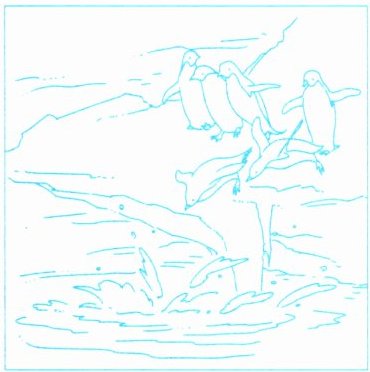
Magellanic penguins usually live along the coasts of South America, near the South Pole. But one day, some of them 1 their way and appeared on the north coast of Brazil!
When the penguins arrived in Brazil, many of them were 2, hungry, or even dying. Local people were surprised to see them and quickly called for help. 3, scientists and volunteers from the International Fund for Animal Welfare(IFAW)came. Scientists thought the ocean was 4 because of climate change, and a warm current(洋流)might have carried these animals north. 5 they couldn't live for long in warm water. To save time, IFAW borrowed a 6 from the army(军队)and flew the penguins to southern Brazil, bringing them 7 their home.
Many people came to watch these penguins make a 8 to the wild. At first, they just looked at the water, unsure of what to do. Then, some 9 ones started to swim. People cheered loudly as all the other penguins 10, and together, they were on their way home!
(
B. lost
C. found
D. made
(
B. excited
C. angry
D. relaxed
(
B. Sadly
C. Happily
D. Slowly
(
B. drying
C. cooling
D. warming
(
B. So
C. But
D. As
(
B. plane
C. ship
D. jeep
(
B. close to
C. high above
D. far behind
(
B. living
C. decision
D. return
(
B. small
C. happy
D. shy
(
B. stopped
C. followed
D. turned
Magellanic penguins usually live along the coasts of South America, near the South Pole. But one day, some of them 1 their way and appeared on the north coast of Brazil!
When the penguins arrived in Brazil, many of them were 2, hungry, or even dying. Local people were surprised to see them and quickly called for help. 3, scientists and volunteers from the International Fund for Animal Welfare(IFAW)came. Scientists thought the ocean was 4 because of climate change, and a warm current(洋流)might have carried these animals north. 5 they couldn't live for long in warm water. To save time, IFAW borrowed a 6 from the army(军队)and flew the penguins to southern Brazil, bringing them 7 their home.
Many people came to watch these penguins make a 8 to the wild. At first, they just looked at the water, unsure of what to do. Then, some 9 ones started to swim. People cheered loudly as all the other penguins 10, and together, they were on their way home!
(
B
)1. A. gotB. lost
C. found
D. made
(
A
)2. A. sickB. excited
C. angry
D. relaxed
(
A
)3. A. LuckilyB. Sadly
C. Happily
D. Slowly
(
D
)4. A. flowingB. drying
C. cooling
D. warming
(
C
)5. A. BecauseB. So
C. But
D. As
(
B
)6. A. carB. plane
C. ship
D. jeep
(
B
)7. A. away fromB. close to
C. high above
D. far behind
(
D
)8. A. visitB. living
C. decision
D. return
(
A
)9. A. braveB. small
C. happy
D. shy
(
C
)10. A. waitedB. stopped
C. followed
D. turned
答案
Ⅱ. 1. B 2. A 3. A 4. D 5. C 6. B 7. B 8. D 9. A 10. C
解析
【分析】
这是一篇讲述麦哲伦企鹅迷路后被救助并回归家园的完形填空题。解题时,首先要通读全文,梳理出“企鹅迷路至巴西北部→状态堪忧→得到救助→被送回适宜栖息地→回归野外”的核心故事线。之后针对每个空,结合上下文语境、固定短语搭配、逻辑关系以及词汇含义来逐一分析选择:
1. 第1题结合企鹅反常的出现地点,判断是“迷路”,对应固定短语;
2. 第2题根据后文描述的糟糕状态,选择匹配的形容词;
3. 第3题从“求助后救助人员赶来”的事件,判断是幸运的情况;
4. 第4题结合气候变化、暖流的线索,推断海洋的变化;
5. 第5题分析前后句的转折逻辑,选择转折连词;
6. 第6题根据“flew”的动作,判断交通工具;
7. 第7题结合巴西南部与企鹅原栖息地的位置关系,选择合适的介词短语;
8. 第8题结合企鹅回归自然的语境,选择对应的固定搭配;
9. 第9题根据企鹅从“不确定”到“先游泳”的行为,判断其性格特质;
10. 第10题根据“一起踏上回家路”的结果,推断其他企鹅的动作。
【解析】
1. 固定搭配题:“lost one's way”是固定短语,意为“迷路”。根据前文麦哲伦企鹅原本生活在南美海岸靠近南极区域,却出现在巴西北部,可知它们迷路了,故选B。
2. 语境推断题:根据后文“hungry, or even dying”可知企鹅的身体状态很差,“sick(生病的)”符合语境;excited(兴奋的)、angry(生气的)、relaxed(放松的)均不符合企鹅糟糕的状态,故选A。
3. 逻辑推断题:当地人发现状态不佳的企鹅后求助,随后救助人员赶来,这是幸运的情况,“Luckily(幸运地)”符合语境;Sadly(悲伤地)、Happily(开心地)、Slowly(缓慢地)均不符合此处逻辑,故选A。
4. 语境推断题:根据后文“climate change”和“warm current(暖流)”的线索,可知海洋因气候变化变暖了,“warming(变暖)”符合语境;flowing(流动)、drying(干涸)、cooling(变冷)均不符合,故选D。
5. 逻辑关系题:前文提到暖流将企鹅带到北方,后文指出它们在暖水中无法长期生存,前后为转折关系,“But(但是)”用于表转折;Because(因为)表原因,So(所以)表结果,As(因为/当……时)不符合此处逻辑,故选C。
6. 语境推断题:根据后文“flew the penguins”可知是用飞机运送企鹅,“plane(飞机)”符合;car(汽车)、ship(船)、jeep(吉普车)都无法实现“flew”的动作,故选B。
7. 语境推断题:巴西南部区域更靠近企鹅原本的栖息地,“close to(靠近)”符合语境;away from(远离)、high above(在……上方)、far behind(远远落后)均不符合,故选B。
8. 固定搭配题:“make a return to the wild”意为“回归野外”,契合文章中企鹅被送回适宜生存区域后回归自然的语境;visit(拜访)、living(生活)、decision(决定)均不符合此处搭配与语境,故选D。
9. 语境推断题:前文提到企鹅一开始看着水,不确定该做什么,后来有一些企鹅先开始游泳,这些企鹅是勇敢的,“brave(勇敢的)”符合语境;small(小的)、happy(开心的)、shy(害羞的)均不符合,故选A。
10. 语境推断题:根据前文部分企鹅开始游泳,后文“together, they were on their way home”可知其他企鹅跟着这些先游泳的企鹅出发了,“followed(跟随)”符合语境;waited(等待)、stopped(停止)、turned(转身)均不符合,故选C。
【答案】
1. B 2. A 3. A 4. D 5. C 6. B 7. B 8. D 9. A 10. C
【知识点】
固定短语搭配、语境逻辑推断、词义辨析
【点评】
本文以麦哲伦企鹅的救助事件为主题,将语言知识考查与科普类故事结合,既要求学生掌握固定短语、词汇含义等基础语言知识,也需要学生结合文章故事线,通过逻辑推理分析语境来解题,能有效锻炼学生的阅读理解与逻辑推理能力。
【难度系数】
0.6
这是一篇讲述麦哲伦企鹅迷路后被救助并回归家园的完形填空题。解题时,首先要通读全文,梳理出“企鹅迷路至巴西北部→状态堪忧→得到救助→被送回适宜栖息地→回归野外”的核心故事线。之后针对每个空,结合上下文语境、固定短语搭配、逻辑关系以及词汇含义来逐一分析选择:
1. 第1题结合企鹅反常的出现地点,判断是“迷路”,对应固定短语;
2. 第2题根据后文描述的糟糕状态,选择匹配的形容词;
3. 第3题从“求助后救助人员赶来”的事件,判断是幸运的情况;
4. 第4题结合气候变化、暖流的线索,推断海洋的变化;
5. 第5题分析前后句的转折逻辑,选择转折连词;
6. 第6题根据“flew”的动作,判断交通工具;
7. 第7题结合巴西南部与企鹅原栖息地的位置关系,选择合适的介词短语;
8. 第8题结合企鹅回归自然的语境,选择对应的固定搭配;
9. 第9题根据企鹅从“不确定”到“先游泳”的行为,判断其性格特质;
10. 第10题根据“一起踏上回家路”的结果,推断其他企鹅的动作。
【解析】
1. 固定搭配题:“lost one's way”是固定短语,意为“迷路”。根据前文麦哲伦企鹅原本生活在南美海岸靠近南极区域,却出现在巴西北部,可知它们迷路了,故选B。
2. 语境推断题:根据后文“hungry, or even dying”可知企鹅的身体状态很差,“sick(生病的)”符合语境;excited(兴奋的)、angry(生气的)、relaxed(放松的)均不符合企鹅糟糕的状态,故选A。
3. 逻辑推断题:当地人发现状态不佳的企鹅后求助,随后救助人员赶来,这是幸运的情况,“Luckily(幸运地)”符合语境;Sadly(悲伤地)、Happily(开心地)、Slowly(缓慢地)均不符合此处逻辑,故选A。
4. 语境推断题:根据后文“climate change”和“warm current(暖流)”的线索,可知海洋因气候变化变暖了,“warming(变暖)”符合语境;flowing(流动)、drying(干涸)、cooling(变冷)均不符合,故选D。
5. 逻辑关系题:前文提到暖流将企鹅带到北方,后文指出它们在暖水中无法长期生存,前后为转折关系,“But(但是)”用于表转折;Because(因为)表原因,So(所以)表结果,As(因为/当……时)不符合此处逻辑,故选C。
6. 语境推断题:根据后文“flew the penguins”可知是用飞机运送企鹅,“plane(飞机)”符合;car(汽车)、ship(船)、jeep(吉普车)都无法实现“flew”的动作,故选B。
7. 语境推断题:巴西南部区域更靠近企鹅原本的栖息地,“close to(靠近)”符合语境;away from(远离)、high above(在……上方)、far behind(远远落后)均不符合,故选B。
8. 固定搭配题:“make a return to the wild”意为“回归野外”,契合文章中企鹅被送回适宜生存区域后回归自然的语境;visit(拜访)、living(生活)、decision(决定)均不符合此处搭配与语境,故选D。
9. 语境推断题:前文提到企鹅一开始看着水,不确定该做什么,后来有一些企鹅先开始游泳,这些企鹅是勇敢的,“brave(勇敢的)”符合语境;small(小的)、happy(开心的)、shy(害羞的)均不符合,故选A。
10. 语境推断题:根据前文部分企鹅开始游泳,后文“together, they were on their way home”可知其他企鹅跟着这些先游泳的企鹅出发了,“followed(跟随)”符合语境;waited(等待)、stopped(停止)、turned(转身)均不符合,故选C。
【答案】
1. B 2. A 3. A 4. D 5. C 6. B 7. B 8. D 9. A 10. C
【知识点】
固定短语搭配、语境逻辑推断、词义辨析
【点评】
本文以麦哲伦企鹅的救助事件为主题,将语言知识考查与科普类故事结合,既要求学生掌握固定短语、词汇含义等基础语言知识,也需要学生结合文章故事线,通过逻辑推理分析语境来解题,能有效锻炼学生的阅读理解与逻辑推理能力。
【难度系数】
0.6
