

 登录
登录
Week 14
Wednesday 阅读理解 B
主题: 太空探索 语篇类型: 记叙文
词数: 162 难度:
建议用时: 9分钟 答案页码: P38
On October 31, 2025, four lab mice went into space on the Shenzhou-21 spacecraft. Their space journey was not easy. The return plan of Shenzhou-20 was put off, so the mice stayed in space longer. As a result, they didn't have enough food. Luckily, astronauts gave them clean water in time, and used soy milk as emergency (应急的) food.
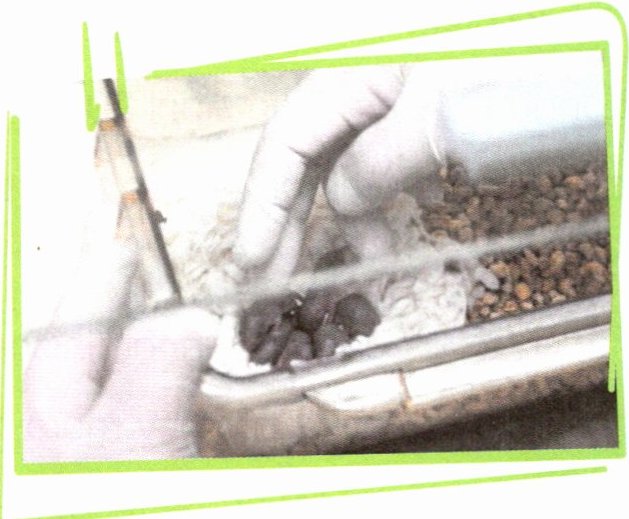
The four mice went back to the Earth on November 14. About one month later, one of the mice gave birth to nine baby mice. Among these new baby mice, six were alive (活的). Under the good care of scientists, these “space baby mice” grew very well. The mother mouse showed normal parental care (正常的抚育行为), and the baby mice were lively and active.
This task shows us that short space travel doesn’t stop the mice from having babies. Scientists will keep studying these baby mice. *They hope to raise second-generation mice to learn more about how space affects mammals.
1 The four space mice stayed in space for about
A. five days B. one week C. ten days D. two weeks
2 Why did the four mice face food problems in space later?
A. Because they ate too much food every day.
B. Because the Shenzhou-20’s return plan was changed.
C. Because the astronauts carried too little food at first.
D. Because the food for them went bad.
3 Astronauts gave the four mice

4 Which of the following is right?
① Three of these space mice have been dead in space.
② Short space travel doesn’t stop the mice from having babies.
③ Scientists took good care of the space baby mice.
④ Scientists will go on studying these baby mice.
A. ①②③ B. ①②④ C. ①③④ D. ②③④
Wednesday 阅读理解 B
主题: 太空探索 语篇类型: 记叙文
词数: 162 难度:
建议用时: 9分钟 答案页码: P38
On October 31, 2025, four lab mice went into space on the Shenzhou-21 spacecraft. Their space journey was not easy. The return plan of Shenzhou-20 was put off, so the mice stayed in space longer. As a result, they didn't have enough food. Luckily, astronauts gave them clean water in time, and used soy milk as emergency (应急的) food.
The four mice went back to the Earth on November 14. About one month later, one of the mice gave birth to nine baby mice. Among these new baby mice, six were alive (活的). Under the good care of scientists, these “space baby mice” grew very well. The mother mouse showed normal parental care (正常的抚育行为), and the baby mice were lively and active.
This task shows us that short space travel doesn’t stop the mice from having babies. Scientists will keep studying these baby mice. *They hope to raise second-generation mice to learn more about how space affects mammals.
1 The four space mice stayed in space for about
D
.A. five days B. one week C. ten days D. two weeks
2 Why did the four mice face food problems in space later?
A. Because they ate too much food every day.
B. Because the Shenzhou-20’s return plan was changed.
C. Because the astronauts carried too little food at first.
D. Because the food for them went bad.
3 Astronauts gave the four mice
A
as their emergency food.4 Which of the following is right?
① Three of these space mice have been dead in space.
② Short space travel doesn’t stop the mice from having babies.
③ Scientists took good care of the space baby mice.
④ Scientists will go on studying these baby mice.
A. ①②③ B. ①②④ C. ①③④ D. ②③④
答案
Wednesday 阅读理解 B
本文主要讲述了四只实验小鼠搭乘神舟二十一号飞船进入太空,因返程推迟而在太空遭遇食物短缺。幸好后来获得救助。返回地球后,其中一只鼠妈妈顺利产下幼崽。这项任务表明,短期太空旅行并不会影响小鼠的繁育能力。科学家还将继续研究这些太空幼鼠,进一步探究太空环境对哺乳动物产生的影响。
1. D 细节理解题。由第一段第一句 On October 31, 2025, four lab mice went into space on the Shenzhou-21 spacecraft. 和第二段第一句 The four mice went back to the Earth on November 14. 可知,四只实验小鼠于10月31日进入太空,11月14日返回地球,共停留约两周。
2. B 细节理解题。由第一段第三、四句 The return plan of Shenzhou-20 was put off, so the mice stayed in space longer. As a result, they didn’t have enough food. 可知,因为神舟二十号的返回计划被推迟,小鼠在太空待了更长的时间,所以才出现食物短缺问题。也就是说,神舟二十号飞船的返回计划发生了改变,导致小鼠的食物短缺。
3. A 细节理解题。由第一段最后一句 Luckily, astronauts... used soy milk as emergency food. 可知,航天员用豆浆作为太空小鼠的应急食物。
4. D 细节理解题。由第三段第一句 This task shows us that short space travel doesn’t stop the mice from having babies. 可知,短期太空飞行不会阻碍小鼠繁育后代,故②正确;由第二段第四句 Under the good care of scientists, these “space baby mice” grew very well. 可知,科学家悉心照料太空幼鼠,故③正确;由第三段第二句 Scientists will keep studying these baby mice. 可知,科学家会继续研究这些幼鼠,故④正确。文中并未提到有三只小鼠在太空死亡,故①不正确。
难句分析
They hope to raise second-generation mice to learn more about how space affects mammals. 他们希望培育出第二代小鼠,以更多地了解太空对哺乳动物的影响。
hope to do sth 意为“希望做某事”。to learn more about how space affects mammals 是动词不定式短语,表示目的;其中 how space affects mammals 作 about 的宾语,意为“太空如何影响哺乳动物”。
本文主要讲述了四只实验小鼠搭乘神舟二十一号飞船进入太空,因返程推迟而在太空遭遇食物短缺。幸好后来获得救助。返回地球后,其中一只鼠妈妈顺利产下幼崽。这项任务表明,短期太空旅行并不会影响小鼠的繁育能力。科学家还将继续研究这些太空幼鼠,进一步探究太空环境对哺乳动物产生的影响。
1. D 细节理解题。由第一段第一句 On October 31, 2025, four lab mice went into space on the Shenzhou-21 spacecraft. 和第二段第一句 The four mice went back to the Earth on November 14. 可知,四只实验小鼠于10月31日进入太空,11月14日返回地球,共停留约两周。
2. B 细节理解题。由第一段第三、四句 The return plan of Shenzhou-20 was put off, so the mice stayed in space longer. As a result, they didn’t have enough food. 可知,因为神舟二十号的返回计划被推迟,小鼠在太空待了更长的时间,所以才出现食物短缺问题。也就是说,神舟二十号飞船的返回计划发生了改变,导致小鼠的食物短缺。
3. A 细节理解题。由第一段最后一句 Luckily, astronauts... used soy milk as emergency food. 可知,航天员用豆浆作为太空小鼠的应急食物。
4. D 细节理解题。由第三段第一句 This task shows us that short space travel doesn’t stop the mice from having babies. 可知,短期太空飞行不会阻碍小鼠繁育后代,故②正确;由第二段第四句 Under the good care of scientists, these “space baby mice” grew very well. 可知,科学家悉心照料太空幼鼠,故③正确;由第三段第二句 Scientists will keep studying these baby mice. 可知,科学家会继续研究这些幼鼠,故④正确。文中并未提到有三只小鼠在太空死亡,故①不正确。
难句分析
They hope to raise second-generation mice to learn more about how space affects mammals. 他们希望培育出第二代小鼠,以更多地了解太空对哺乳动物的影响。
hope to do sth 意为“希望做某事”。to learn more about how space affects mammals 是动词不定式短语,表示目的;其中 how space affects mammals 作 about 的宾语,意为“太空如何影响哺乳动物”。
解析
【分析】
本题为太空探索主题的英语阅读理解,所有题目均为细节理解题,解题思路为:先明确题干的问题指向,再带着问题回到原文定位对应语句,将原文信息与选项逐一对比,选出匹配的答案;对于判断正误类题目,需逐一核对每个说法的原文依据,排除错误选项。
【解析】
1. 第1题:根据第一段“On October 31, 2025, four lab mice went into space on the Shenzhou-21 spacecraft.”和第二段“The four mice went back to the Earth on November 14.”,计算可知小鼠在太空停留约14天,即两周,对应选项D。
2. 第2题:根据第一段“The return plan of Shenzhou-20 was put off, so the mice stayed in space longer. As a result, they didn’t have enough food.”,可知食物短缺是因为神舟二十号的返程计划被推迟,小鼠在太空停留时间变长,对应选项B。
3. 第3题:根据第一段最后一句“Luckily, astronauts gave them clean water in time, and used soy milk as emergency (应急的) food.”,可知航天员用豆浆作为小鼠的应急食物,对应选项A。
4. 第4题:逐一核对四个说法:①原文未提及有三只小鼠在太空死亡,错误;②第三段第一句明确说明短期太空旅行不会阻碍小鼠繁育后代,正确;③第二段第四句提到科学家悉心照料太空幼鼠,正确;④第三段第二句指出科学家会继续研究这些幼鼠,正确。因此②③④正确,对应选项D。
【答案】
1.D 2.B 3.A 4.D
【知识点】
英语阅读理解、细节理解题、太空主题阅读
【点评】
本文围绕太空实验小鼠的经历展开,题型均为细节理解题,考查学生快速定位原文、抓取关键信息的能力,整体难度适中,只要仔细阅读原文即可准确解答。
【难度系数】
0.6
本题为太空探索主题的英语阅读理解,所有题目均为细节理解题,解题思路为:先明确题干的问题指向,再带着问题回到原文定位对应语句,将原文信息与选项逐一对比,选出匹配的答案;对于判断正误类题目,需逐一核对每个说法的原文依据,排除错误选项。
【解析】
1. 第1题:根据第一段“On October 31, 2025, four lab mice went into space on the Shenzhou-21 spacecraft.”和第二段“The four mice went back to the Earth on November 14.”,计算可知小鼠在太空停留约14天,即两周,对应选项D。
2. 第2题:根据第一段“The return plan of Shenzhou-20 was put off, so the mice stayed in space longer. As a result, they didn’t have enough food.”,可知食物短缺是因为神舟二十号的返程计划被推迟,小鼠在太空停留时间变长,对应选项B。
3. 第3题:根据第一段最后一句“Luckily, astronauts gave them clean water in time, and used soy milk as emergency (应急的) food.”,可知航天员用豆浆作为小鼠的应急食物,对应选项A。
4. 第4题:逐一核对四个说法:①原文未提及有三只小鼠在太空死亡,错误;②第三段第一句明确说明短期太空旅行不会阻碍小鼠繁育后代,正确;③第二段第四句提到科学家悉心照料太空幼鼠,正确;④第三段第二句指出科学家会继续研究这些幼鼠,正确。因此②③④正确,对应选项D。
【答案】
1.D 2.B 3.A 4.D
【知识点】
英语阅读理解、细节理解题、太空主题阅读
【点评】
本文围绕太空实验小鼠的经历展开,题型均为细节理解题,考查学生快速定位原文、抓取关键信息的能力,整体难度适中,只要仔细阅读原文即可准确解答。
【难度系数】
0.6
