

 登录
“Why is the sky blue?” “Why do we add sugar to food?” “Why...?”
Everyone knew 10-year-old Ananya as “the question girl”.
“Ananya, stop asking so many questions!” her teacher Mrs Sharma would say. “Just accept things as they are, ” her grandmother told her. “She talks too much, ” her classmates avoided her.
Ananya felt lonely. Maybe everyone was right. Maybe asking questions was bad. But Ananya couldn’t help it. She wanted to understand everything.
One day, Mr Patel, a new science teacher, joined their school. In his first class, Ananya raised her hand, “Why do birds fly south?” The class complained (抱怨), “Not again!” But Mr Patel smiled, “That’s an excellent question! Who else wants to know why?” Ananya blinked (眨眼) in surprise. No teacher had ever said that before!
After class, Mr Patel called Ananya aside. “Don’t ever stop asking questions, ” he said.
“Do you know what scientists do all day? They ask ‘why’. Every scientist was once a curious child. ”For the first time, Ananya didn’t feel annoyed (烦恼的). She felt special.
Mr Patel taught Ananya to find answers herself. “When you have a question, first try to find the answer. Read books. Watch carefully. Then, if you still don’t understand, ask. ”
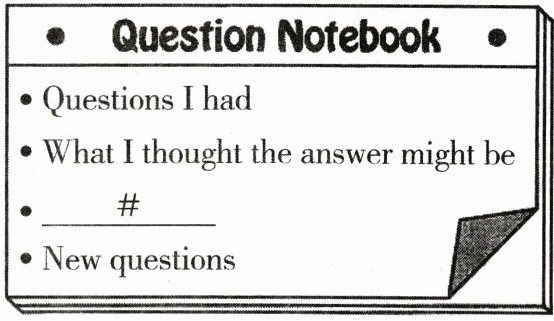
Ananya started visiting the library. She read books about science and nature. She started a “Question Notebook”.
Her questions became better. Instead of “Why is the sky blue?” she asked “Why does the sky’s color change during sunrise?” Teachers noticed. Ananya’s questions now sparked interesting discussions.
When Ananya was twelve, she had a question: “Why do some street dogs sleep on the road at night?” She studied that for three months. Then she created a project showing temperature differences. It won first prize at school, then district, then national level!
Today, Ananya is 24 and studies environmental science. She still asks “why” all the time.
She visits schools, talking to children. “Never let anyone make you feel bad for being curious, ” she tells them.
根据材料内容选择最佳答案。
26. Why did Ananya’s classmates avoid her?
A. Because she didn’t like to talk with others. B. Because she kept asking so many questions.
C. Because she always got into trouble with others. D. Because she couldn’t answer teachers’ questions.
27. What does the underlined word “curious” mean in the text?
A. Dealing with danger with courage. B. Showing a sense of humor.
C. Wanting to know about something. D. Enjoying meeting new people.
28. What did Mr Patel do to help Ananya?
A. He taught her some social skills. B. He created a project with her.
C. He bought a lot of books for her. D. He encouraged her to ask wisely.
29. Which of the following can be put in #?
A. How I became a good student B. Why I had to take notes
C. Where I found the real answer D. Who I made friends with
30. What can be learned from the story?
A. Every question is a door opening. B. Many hands make light work.
C. Actions speak louder than words. D. Be thankful for what you have.
C
Everyone knew 10-year-old Ananya as “the question girl”.
“Ananya, stop asking so many questions!” her teacher Mrs Sharma would say. “Just accept things as they are, ” her grandmother told her. “She talks too much, ” her classmates avoided her.
Ananya felt lonely. Maybe everyone was right. Maybe asking questions was bad. But Ananya couldn’t help it. She wanted to understand everything.
One day, Mr Patel, a new science teacher, joined their school. In his first class, Ananya raised her hand, “Why do birds fly south?” The class complained (抱怨), “Not again!” But Mr Patel smiled, “That’s an excellent question! Who else wants to know why?” Ananya blinked (眨眼) in surprise. No teacher had ever said that before!
After class, Mr Patel called Ananya aside. “Don’t ever stop asking questions, ” he said.
“Do you know what scientists do all day? They ask ‘why’. Every scientist was once a curious child. ”For the first time, Ananya didn’t feel annoyed (烦恼的). She felt special.
Mr Patel taught Ananya to find answers herself. “When you have a question, first try to find the answer. Read books. Watch carefully. Then, if you still don’t understand, ask. ”
Ananya started visiting the library. She read books about science and nature. She started a “Question Notebook”.
Her questions became better. Instead of “Why is the sky blue?” she asked “Why does the sky’s color change during sunrise?” Teachers noticed. Ananya’s questions now sparked interesting discussions.
When Ananya was twelve, she had a question: “Why do some street dogs sleep on the road at night?” She studied that for three months. Then she created a project showing temperature differences. It won first prize at school, then district, then national level!
Today, Ananya is 24 and studies environmental science. She still asks “why” all the time.
She visits schools, talking to children. “Never let anyone make you feel bad for being curious, ” she tells them.
根据材料内容选择最佳答案。
26. Why did Ananya’s classmates avoid her?
A. Because she didn’t like to talk with others. B. Because she kept asking so many questions.
C. Because she always got into trouble with others. D. Because she couldn’t answer teachers’ questions.
27. What does the underlined word “curious” mean in the text?
A. Dealing with danger with courage. B. Showing a sense of humor.
C. Wanting to know about something. D. Enjoying meeting new people.
28. What did Mr Patel do to help Ananya?
A. He taught her some social skills. B. He created a project with her.
C. He bought a lot of books for her. D. He encouraged her to ask wisely.
29. Which of the following can be put in #?
A. How I became a good student B. Why I had to take notes
C. Where I found the real answer D. Who I made friends with
30. What can be learned from the story?
A. Every question is a door opening. B. Many hands make light work.
C. Actions speak louder than words. D. Be thankful for what you have.
C
答案
26. B 27. C 28. D 29. C 30. A
