

 登录
登录
五、阅读下面短文,从短文后的选项中选出可以填入空白处的最佳选项。选项中有一项为多余选项。(2023·江苏盐城滨海一模)
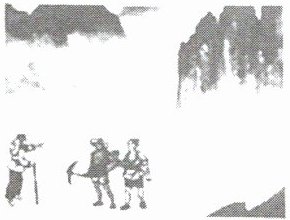
A long time ago, there was an old man called the Foolish Old Man, living in Jizhou, in northern China. In front of the old man's house were two high mountains, one called Mount Taihang and the other Mount Wangwu. The two mountains blocked the way to both the nearest town and a major river to the south. 1
One day, the old man called a meeting of his whole family and announced a plan to remove the two mountains. “In order to build a path to the southern area and create a direct way to the Hanshui River, we must remove these mountains,” the old man said. “Otherwise, we'll have to face the difficulty forever.” 2 Day and night, rain or shine, they never stopped digging.
Several days later, another gray-beard called Zhi Sou(the Wise Old Man) stopped by and asked the Foolish Old Man, “Aren't you silly? 3 ” The Foolish Old Man replied, “Why not? I may not live long enough to see the two mountains moved from here, but after I die, my sons will carry on the mission. After my sons die, my grandchildren will continue to dig up the mountains. 4 So as long as we keep digging, why can't the two mountains be cleared away someday?”
Hearing him, God was deeply moved and asked someone to carry away the two mountains. 5 Today the land between the southern part of Jizhou and the Hanshui River is a flat plain.
A. The next morning the whole family started digging up the two mountains.
B. And my grandchildren will have their own sons and grandchildren.
C. The man and his family had to climb the two high mountains to get to the places.
D. Do you think you can ever clear away these two mountains?
E. So there are no mountains in that part of the country to make travel difficult.
F. Where there are difficulties, there are helping hands.
1.
A long time ago, there was an old man called the Foolish Old Man, living in Jizhou, in northern China. In front of the old man's house were two high mountains, one called Mount Taihang and the other Mount Wangwu. The two mountains blocked the way to both the nearest town and a major river to the south. 1
One day, the old man called a meeting of his whole family and announced a plan to remove the two mountains. “In order to build a path to the southern area and create a direct way to the Hanshui River, we must remove these mountains,” the old man said. “Otherwise, we'll have to face the difficulty forever.” 2 Day and night, rain or shine, they never stopped digging.
Several days later, another gray-beard called Zhi Sou(the Wise Old Man) stopped by and asked the Foolish Old Man, “Aren't you silly? 3 ” The Foolish Old Man replied, “Why not? I may not live long enough to see the two mountains moved from here, but after I die, my sons will carry on the mission. After my sons die, my grandchildren will continue to dig up the mountains. 4 So as long as we keep digging, why can't the two mountains be cleared away someday?”
Hearing him, God was deeply moved and asked someone to carry away the two mountains. 5 Today the land between the southern part of Jizhou and the Hanshui River is a flat plain.
A. The next morning the whole family started digging up the two mountains.
B. And my grandchildren will have their own sons and grandchildren.
C. The man and his family had to climb the two high mountains to get to the places.
D. Do you think you can ever clear away these two mountains?
E. So there are no mountains in that part of the country to make travel difficult.
F. Where there are difficulties, there are helping hands.
1.
C
2. A
3. D
4. B
5. E
答案
1. C 2. A 3. D 4. B 5. E
解析
【分析】
这是一篇以愚公移山经典寓言为载体的阅读补全题,解题时首先要通读全文梳理故事的完整脉络:开篇交代两座大山挡路的背景→愚公召集全家提出移山计划→全家开始挖山行动→智叟出面质疑愚公→愚公以子子孙孙无穷尽的逻辑反驳→天帝被感动移走大山→最终当地变成无山阻碍的平原。我们只需要顺着情节发展的因果、承接逻辑,给每个空白匹配前后文语义能无缝衔接的选项即可:
1. 第1空前文刚说明两座山挡住了通往城镇和大河的道路,接下来自然要说明挡路带来的实际影响,对应描述家人出行必须翻山的选项。
2. 第2空前文是愚公宣布移山计划,后文直接描述大家日夜不停挖山,中间缺少“全家正式开始行动”的过渡内容。
3. 第3空是智叟的连续质疑,前半句智叟嘲讽愚公愚蠢,后半句自然是抛出反问,质疑愚公根本不可能移走大山。
4. 第4空前文愚公依次提到自己去世后儿子接班、儿子去世后孙子接班,接下来要顺着“子孙代代延续”的逻辑继续表述,才能支撑后文“不停挖就能移走山”的结论。
5. 第5空前文说明天帝派人搬走了两座山,后文讲现在当地是平坦平原,中间要衔接山被移走之后带来的出行便利的结果。
【解析】
1. 前文提到两座山阻断了通往城镇和南部大河的道路,C选项“这个人和他的家人不得不爬上这两座高山才能抵达目的地”,是山挡路带来的直接结果,语义衔接自然,选C。
2. 前文愚公向全家公布了移山的计划,后文直接描述大家风雨无阻不停挖山,A选项“第二天一早全家人就开始挖掘这两座大山”,完美承接“公布计划”到“付诸行动”的过渡,选A。
3. 此处是智叟对愚公的质疑对话,前半句智叟嘲讽愚公愚蠢,D选项“你觉得你真的能把这两座大山移走吗?”是符合语境的反问质疑,和后文愚公的回应形成对应,选D。
4. 前文愚公提到自己去世后儿子继续挖、儿子去世后孙子继续挖,B选项“而我的孙子又会拥有他们自己的儿子和孙辈”,延续了子子孙孙无穷尽的逻辑,为后文的结论做铺垫,选B。
5. 前文说明天帝派人移走了两座大山,后文描述如今冀州南部到汉水之间是平原,E选项“所以这片区域再也没有大山阻碍出行了”,是山被移走后的直接结果,衔接前后文,选E。
多余选项F的含义是“哪里有困难,哪里就有援手”,没有对应的上下文衔接位置,属于多余项。
【答案】
1. C 2. A 3. D 4. B 5. E
【知识点】
记叙文阅读补全,上下文逻辑衔接,语篇语境理解
【点评】
本题以学生熟悉的传统寓言故事为命题载体,情节脉络清晰,每个空白处的前后提示指向性很强,只要顺着故事发展的先后顺序梳理因果承接关系,就可以轻松匹配到正确选项,同时也能让学生进一步理解愚公移山寓言的精神内涵。
【难度系数】
0.7
这是一篇以愚公移山经典寓言为载体的阅读补全题,解题时首先要通读全文梳理故事的完整脉络:开篇交代两座大山挡路的背景→愚公召集全家提出移山计划→全家开始挖山行动→智叟出面质疑愚公→愚公以子子孙孙无穷尽的逻辑反驳→天帝被感动移走大山→最终当地变成无山阻碍的平原。我们只需要顺着情节发展的因果、承接逻辑,给每个空白匹配前后文语义能无缝衔接的选项即可:
1. 第1空前文刚说明两座山挡住了通往城镇和大河的道路,接下来自然要说明挡路带来的实际影响,对应描述家人出行必须翻山的选项。
2. 第2空前文是愚公宣布移山计划,后文直接描述大家日夜不停挖山,中间缺少“全家正式开始行动”的过渡内容。
3. 第3空是智叟的连续质疑,前半句智叟嘲讽愚公愚蠢,后半句自然是抛出反问,质疑愚公根本不可能移走大山。
4. 第4空前文愚公依次提到自己去世后儿子接班、儿子去世后孙子接班,接下来要顺着“子孙代代延续”的逻辑继续表述,才能支撑后文“不停挖就能移走山”的结论。
5. 第5空前文说明天帝派人搬走了两座山,后文讲现在当地是平坦平原,中间要衔接山被移走之后带来的出行便利的结果。
【解析】
1. 前文提到两座山阻断了通往城镇和南部大河的道路,C选项“这个人和他的家人不得不爬上这两座高山才能抵达目的地”,是山挡路带来的直接结果,语义衔接自然,选C。
2. 前文愚公向全家公布了移山的计划,后文直接描述大家风雨无阻不停挖山,A选项“第二天一早全家人就开始挖掘这两座大山”,完美承接“公布计划”到“付诸行动”的过渡,选A。
3. 此处是智叟对愚公的质疑对话,前半句智叟嘲讽愚公愚蠢,D选项“你觉得你真的能把这两座大山移走吗?”是符合语境的反问质疑,和后文愚公的回应形成对应,选D。
4. 前文愚公提到自己去世后儿子继续挖、儿子去世后孙子继续挖,B选项“而我的孙子又会拥有他们自己的儿子和孙辈”,延续了子子孙孙无穷尽的逻辑,为后文的结论做铺垫,选B。
5. 前文说明天帝派人移走了两座大山,后文描述如今冀州南部到汉水之间是平原,E选项“所以这片区域再也没有大山阻碍出行了”,是山被移走后的直接结果,衔接前后文,选E。
多余选项F的含义是“哪里有困难,哪里就有援手”,没有对应的上下文衔接位置,属于多余项。
【答案】
1. C 2. A 3. D 4. B 5. E
【知识点】
记叙文阅读补全,上下文逻辑衔接,语篇语境理解
【点评】
本题以学生熟悉的传统寓言故事为命题载体,情节脉络清晰,每个空白处的前后提示指向性很强,只要顺着故事发展的先后顺序梳理因果承接关系,就可以轻松匹配到正确选项,同时也能让学生进一步理解愚公移山寓言的精神内涵。
【难度系数】
0.7
