

 登录
登录
一、根据汉语提示填写单词。
1. Seeing someone wear shoes inside a house is very
2. Mum asked Jane to set the table with plates, knives, and
3. It is important to learn about local
4.
5. The tour guide taught us the
1. Seeing someone wear shoes inside a house is very
uncommon
(罕见的) in South Korea.2. Mum asked Jane to set the table with plates, knives, and
forks
(叉子) for dinner.3. It is important to learn about local
manners
(礼仪) before visiting a new country.4.
Chopsticks
(筷子) are a pair of thin sticks that are used for eating, especially in Asian countries.5. The tour guide taught us the
proper
(恰当的) pronunciation for “thank you” in the local language.答案
1. uncommon 2. forks 3. manners 4. Chopsticks 5. proper
解析
【分析】
这是一道根据汉语提示填写单词的基础题型,解题时可以按照三步思路推进:第一步先通读完整句子,准确理解句子的整体语义;第二步结合空格前后的语法成分,判断所需填写单词的词性,确认是否需要进行单复数、大小写等形式变化;第三步对照汉语提示写出对应单词后代入句子,检查语义通顺度和语法合规性即可。本题中并列结构的名词要和前后的可数名词复数保持形式一致、句首单词首字母要大写、部分表特定含义的名词要使用复数形式,这些细节都需要结合语法规则判断后填写。
【解析】
1. 本句是主系表结构,副词very后需要接形容词作表语,对应汉语“罕见的”,填入uncommon,完全符合语义和语法要求。
2. 句中and并列的plates、knives均为可数名词复数,为保持并列成分形式一致,可数名词“叉子”fork要变为复数形式forks。
3. 表示“礼仪”的常用英文表达为manners,是固定的复数名词用法,local manners意为当地礼仪,完全贴合语境。
4. 表示“筷子”的英文chopsticks本身通常以复数形式使用,句首单词首字母需大写,填入Chopsticks也能和后面的be动词are保持主谓一致。
5. 空格后是名词pronunciation,需要用形容词作定语修饰名词,对应汉语“恰当的”,填入proper符合所有要求。
【答案】
1. uncommon 2. forks 3. manners 4. Chopsticks 5. proper
【知识点】
形容词用法,名词单复数,英语词汇识记
【点评】
本题属于课标要求的基础词汇考察题,难度较低,既考察学生对核心单词拼写的掌握程度,也兼顾了对基础语法规则的应用,提醒学生记忆单词时不能只记汉意,还要结合语境注意单词的正确形式,避免出现细节失分。
【难度系数】
0.8
这是一道根据汉语提示填写单词的基础题型,解题时可以按照三步思路推进:第一步先通读完整句子,准确理解句子的整体语义;第二步结合空格前后的语法成分,判断所需填写单词的词性,确认是否需要进行单复数、大小写等形式变化;第三步对照汉语提示写出对应单词后代入句子,检查语义通顺度和语法合规性即可。本题中并列结构的名词要和前后的可数名词复数保持形式一致、句首单词首字母要大写、部分表特定含义的名词要使用复数形式,这些细节都需要结合语法规则判断后填写。
【解析】
1. 本句是主系表结构,副词very后需要接形容词作表语,对应汉语“罕见的”,填入uncommon,完全符合语义和语法要求。
2. 句中and并列的plates、knives均为可数名词复数,为保持并列成分形式一致,可数名词“叉子”fork要变为复数形式forks。
3. 表示“礼仪”的常用英文表达为manners,是固定的复数名词用法,local manners意为当地礼仪,完全贴合语境。
4. 表示“筷子”的英文chopsticks本身通常以复数形式使用,句首单词首字母需大写,填入Chopsticks也能和后面的be动词are保持主谓一致。
5. 空格后是名词pronunciation,需要用形容词作定语修饰名词,对应汉语“恰当的”,填入proper符合所有要求。
【答案】
1. uncommon 2. forks 3. manners 4. Chopsticks 5. proper
【知识点】
形容词用法,名词单复数,英语词汇识记
【点评】
本题属于课标要求的基础词汇考察题,难度较低,既考察学生对核心单词拼写的掌握程度,也兼顾了对基础语法规则的应用,提醒学生记忆单词时不能只记汉意,还要结合语境注意单词的正确形式,避免出现细节失分。
【难度系数】
0.8
二、从方框中选择适当的短语并用其正确形式填空。
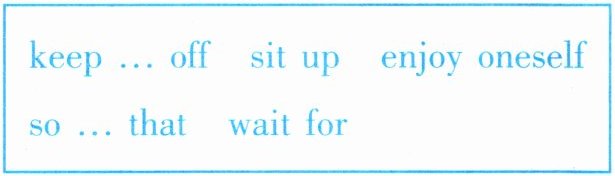
1. Even though I was very tired, I tried to
2. All the guests are
3. In many cultures, you are expected to
4. Learning about the tea ceremony was interesting, and we all
5. The differences in dining customs are
1. Even though I was very tired, I tried to
sit up
at the table to show good manners.2. All the guests are
waiting for
the birthday person to cut the cake first, as it is the custom here.3. In many cultures, you are expected to
keep
your elbows off
the table while eating.4. Learning about the tea ceremony was interesting, and we all
enjoyed ourselves
in the tea house.5. The differences in dining customs are
so
interesting that
I decide to learn more about it.答案
1. sit up 2. waiting for 3. keep; off 4. enjoyed ourselves 5. so; that
解析
【分析】
首先我们先明确方框内所有短语的含义:keep...off意为“使……远离,不触碰”,sit up意为“坐直”,enjoy oneself意为“玩得开心”,so...that意为“如此……以至于”,wait for意为“等待”。接下来逐句分析语境匹配短语:第一步先通读每个句子,判断空格处缺失的语义,从剩余短语中选出最贴合语境的选项,第二步再根据句子的时态、固定搭配规则调整短语的正确形式,同时保证5个短语刚好全部用完不重复。
第1题:句意为“即使我很累,我也努力在餐桌边______来展现良好礼仪”,符合“坐直”的语义,try to后接动词原形,直接用sit up即可。
第2题:句意为“所有客人都______过生日的人先切蛋糕,这是这里的习俗”,符合“等待”的语义,句中已有be动词are,是现在进行时,要把wait变为waiting。
第3题:句意为“在很多文化中,吃饭时你应该让你的手肘______桌子”,符合“手肘不放在桌上、远离桌子”的语义,be expected to后接动词原形,直接用keep和off即可。
第4题:句意为“了解茶道很有趣,我们所有人都在茶馆______”,符合“玩得开心”的语义,主语是we,反身代词要变为ourselves,句子描述过去发生的事,enjoy要变为过去式enjoyed。
第5题:句意为“餐饮习俗的差异______有趣______我决定更多地了解它”,符合“如此有趣以至于决定深入了解”的语义,刚好匹配so...that的结构。
【解析】
1. 语境需要表达“坐直”的含义,对应短语sit up,try to do sth.结构中to后接动词原形,因此填sit up。
2. 语境需要表达“等待”的含义,对应短语wait for,句中出现be动词are,时态为现在进行时,结构为be doing,因此wait变为现在分词waiting,填waiting for。
3. 语境需要表达“让手肘不触碰/远离桌面”的含义,对应短语keep...off,be expected to do sth.结构中to后接动词原形,因此依次填keep、off。
4. 语境需要表达“玩得愉快”的含义,对应短语enjoy oneself,主语为we,反身代词要和主语对应变为ourselves,句子描述过去发生的经历,时态用一般过去时,enjoy变为过去式enjoyed,因此填enjoyed ourselves。
5. 语境需要表达“如此有趣以至于想要深入了解”的含义,对应结果状语从句结构so...that,因此依次填so、that。
【答案】
1. sit up
2. waiting for
3. keep; off
4. enjoyed ourselves
5. so; that
【知识点】
动词短语辨析
固定短语变形
so...that结果状语从句
【点评】
本题围绕餐桌礼仪的主题考察常用短语的语境运用,既要求学生熟记短语的基础含义,也设置了时态变化、反身代词匹配、固定结构辨析的细节考点,能有效检验学生对短语的灵活运用能力,其中enjoy oneself的人称对应变形是比较容易出错的点。
【难度系数】
0.7
首先我们先明确方框内所有短语的含义:keep...off意为“使……远离,不触碰”,sit up意为“坐直”,enjoy oneself意为“玩得开心”,so...that意为“如此……以至于”,wait for意为“等待”。接下来逐句分析语境匹配短语:第一步先通读每个句子,判断空格处缺失的语义,从剩余短语中选出最贴合语境的选项,第二步再根据句子的时态、固定搭配规则调整短语的正确形式,同时保证5个短语刚好全部用完不重复。
第1题:句意为“即使我很累,我也努力在餐桌边______来展现良好礼仪”,符合“坐直”的语义,try to后接动词原形,直接用sit up即可。
第2题:句意为“所有客人都______过生日的人先切蛋糕,这是这里的习俗”,符合“等待”的语义,句中已有be动词are,是现在进行时,要把wait变为waiting。
第3题:句意为“在很多文化中,吃饭时你应该让你的手肘______桌子”,符合“手肘不放在桌上、远离桌子”的语义,be expected to后接动词原形,直接用keep和off即可。
第4题:句意为“了解茶道很有趣,我们所有人都在茶馆______”,符合“玩得开心”的语义,主语是we,反身代词要变为ourselves,句子描述过去发生的事,enjoy要变为过去式enjoyed。
第5题:句意为“餐饮习俗的差异______有趣______我决定更多地了解它”,符合“如此有趣以至于决定深入了解”的语义,刚好匹配so...that的结构。
【解析】
1. 语境需要表达“坐直”的含义,对应短语sit up,try to do sth.结构中to后接动词原形,因此填sit up。
2. 语境需要表达“等待”的含义,对应短语wait for,句中出现be动词are,时态为现在进行时,结构为be doing,因此wait变为现在分词waiting,填waiting for。
3. 语境需要表达“让手肘不触碰/远离桌面”的含义,对应短语keep...off,be expected to do sth.结构中to后接动词原形,因此依次填keep、off。
4. 语境需要表达“玩得愉快”的含义,对应短语enjoy oneself,主语为we,反身代词要和主语对应变为ourselves,句子描述过去发生的经历,时态用一般过去时,enjoy变为过去式enjoyed,因此填enjoyed ourselves。
5. 语境需要表达“如此有趣以至于想要深入了解”的含义,对应结果状语从句结构so...that,因此依次填so、that。
【答案】
1. sit up
2. waiting for
3. keep; off
4. enjoyed ourselves
5. so; that
【知识点】
动词短语辨析
固定短语变形
so...that结果状语从句
【点评】
本题围绕餐桌礼仪的主题考察常用短语的语境运用,既要求学生熟记短语的基础含义,也设置了时态变化、反身代词匹配、固定结构辨析的细节考点,能有效检验学生对短语的灵活运用能力,其中enjoy oneself的人称对应变形是比较容易出错的点。
【难度系数】
0.7
三、根据材料内容选择最佳答案。
In China, a host usually serves a visiting guest a cup of tea first when the guest enters the house. It is a traditional custom in China. But do you know how to serve tea to a visiting guest? Well, in different places, the ways of serving tea are different.
In Jiangsu and Zhejiang, a clay cup is usually used to brew (冲泡) Longjing, Biluochun, Maojian or just green tea. Chrysanthemum (菊花) tea is sometimes used in hot summer to reduce the hot from outside.
Serving a cup of tea is a very popular custom in the North China cities. In the cold northeastern provinces, the hosts would like to offer warm black tea with sugar to their guests.
In some coastal provinces such as Guangdong Province and Fujian Province, a pot of Oolong or Pu'er tea is the usual treat.
Serving tea to guests is a common practice in China. However, different tea is used in different places. In Inner Mongolia, a guest is usually treated with milky tea. The Jingpo people in Yunnan usually serve their guests baked tea, a kind of tea made by baking tea leaves first and then boiling them in water.
(
A. A glass cup.
B. A paper cup.
C. A plastic cup.
D. A clay cup.
(
A. Oolong tea.
B. Pu'er tea.
C. Chrysanthemum tea.
D. Milky tea.
(
A. Suzhou
B. Changchun
C. Hangzhou
D. Sanya
(
A. 内陆的
B. 沿海的
C. 边境的
D. 沿河的
(
A. Ways of serving tea in China.
B. Different kinds of tea in China.
C. Ways of drinking tea in China.
D. Reasons of serving tea in China.
In China, a host usually serves a visiting guest a cup of tea first when the guest enters the house. It is a traditional custom in China. But do you know how to serve tea to a visiting guest? Well, in different places, the ways of serving tea are different.
In Jiangsu and Zhejiang, a clay cup is usually used to brew (冲泡) Longjing, Biluochun, Maojian or just green tea. Chrysanthemum (菊花) tea is sometimes used in hot summer to reduce the hot from outside.
Serving a cup of tea is a very popular custom in the North China cities. In the cold northeastern provinces, the hosts would like to offer warm black tea with sugar to their guests.
In some coastal provinces such as Guangdong Province and Fujian Province, a pot of Oolong or Pu'er tea is the usual treat.
Serving tea to guests is a common practice in China. However, different tea is used in different places. In Inner Mongolia, a guest is usually treated with milky tea. The Jingpo people in Yunnan usually serve their guests baked tea, a kind of tea made by baking tea leaves first and then boiling them in water.
(
D
)1. What kind of cup is usually used to brew Longjing in Jiangsu and Zhejiang?A. A glass cup.
B. A paper cup.
C. A plastic cup.
D. A clay cup.
(
C
)2. Which kind of tea is sometimes used to make people feel cool in hot summer?A. Oolong tea.
B. Pu'er tea.
C. Chrysanthemum tea.
D. Milky tea.
(
B
)3. When you are visiting a friend in , you might be offered warm black tea with sugar.A. Suzhou
B. Changchun
C. Hangzhou
D. Sanya
(
B
)4. What does the underlined word “coastal” in Paragraph 4 mean?A. 内陆的
B. 沿海的
C. 边境的
D. 沿河的
(
A
)5. What is the text mainly about?A. Ways of serving tea in China.
B. Different kinds of tea in China.
C. Ways of drinking tea in China.
D. Reasons of serving tea in China.
答案
1—5 DCBBA
解析
【分析】
这是一篇介绍中国不同地区奉茶习俗的说明文,解题时可以按照常规的阅读理解细节定位法梳理思路:首先逐题划出题干里的核心关键词,带着关键词回到原文对应段落查找匹配内容,细节题直接比对选项选出答案;词义猜测题结合划线词后的举例和生活常识推断词义;主旨大意题结合首尾段的核心表述,排除片面选项选出最贴合全文主题的答案即可。
【解析】
1. 细节理解题:定位原文第二段第一句"In Jiangsu and Zhejiang, a clay cup is usually used to brew (冲泡) Longjing, Biluochun, Maojian or just green tea.",可知江浙地区冲泡龙井茶常用陶杯,对应选项D。
2. 细节理解题:定位原文第二段最后一句"Chrysanthemum (菊花) tea is sometimes used in hot summer to reduce the hot from outside.",可知夏天常用菊花茶消暑,对应选项C。
3. 细节理解题:定位原文第三段"In the cold northeastern provinces, the hosts would like to offer warm black tea with sugar to their guests.",可知东北省份的主人会给客人提供加糖的热红茶,选项中Changchun(长春)位于我国东北,符合描述,其余选项苏州、杭州位于江浙,三亚位于海南,均不符合要求,对应选项B。
4. 词义猜测题:划线词后列举的广东省、福建省都是我国的沿海省份,由此可推断coastal的含义是“沿海的”,对应选项B。
5. 主旨大意题:文章首段就点明核心主题“不同地区的奉茶方式不一样”,全文都在介绍中国各地不同的待客奉茶习俗,对应选项A。
【答案】
1—5 DCBBA
【知识点】
阅读理解细节查找,词义猜测,主旨大意
【点评】
本题属于文化类基础阅读题,绝大多数题目都可以通过直接回原文定位关键词得到答案,既考察了学生的信息快速提取能力,也渗透了中国传统茶文化的相关常识,仅词义猜测和主旨题需要结合常识和全文内容判断,整体难度不高。
【难度系数】
0.8
这是一篇介绍中国不同地区奉茶习俗的说明文,解题时可以按照常规的阅读理解细节定位法梳理思路:首先逐题划出题干里的核心关键词,带着关键词回到原文对应段落查找匹配内容,细节题直接比对选项选出答案;词义猜测题结合划线词后的举例和生活常识推断词义;主旨大意题结合首尾段的核心表述,排除片面选项选出最贴合全文主题的答案即可。
【解析】
1. 细节理解题:定位原文第二段第一句"In Jiangsu and Zhejiang, a clay cup is usually used to brew (冲泡) Longjing, Biluochun, Maojian or just green tea.",可知江浙地区冲泡龙井茶常用陶杯,对应选项D。
2. 细节理解题:定位原文第二段最后一句"Chrysanthemum (菊花) tea is sometimes used in hot summer to reduce the hot from outside.",可知夏天常用菊花茶消暑,对应选项C。
3. 细节理解题:定位原文第三段"In the cold northeastern provinces, the hosts would like to offer warm black tea with sugar to their guests.",可知东北省份的主人会给客人提供加糖的热红茶,选项中Changchun(长春)位于我国东北,符合描述,其余选项苏州、杭州位于江浙,三亚位于海南,均不符合要求,对应选项B。
4. 词义猜测题:划线词后列举的广东省、福建省都是我国的沿海省份,由此可推断coastal的含义是“沿海的”,对应选项B。
5. 主旨大意题:文章首段就点明核心主题“不同地区的奉茶方式不一样”,全文都在介绍中国各地不同的待客奉茶习俗,对应选项A。
【答案】
1—5 DCBBA
【知识点】
阅读理解细节查找,词义猜测,主旨大意
【点评】
本题属于文化类基础阅读题,绝大多数题目都可以通过直接回原文定位关键词得到答案,既考察了学生的信息快速提取能力,也渗透了中国传统茶文化的相关常识,仅词义猜测和主旨题需要结合常识和全文内容判断,整体难度不高。
【难度系数】
0.8
