

 登录
登录
六、根据图片提示,补全对话或写句子。
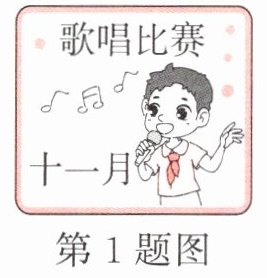
1. —When is the singing contest?
—
2. —
—It's usually in September or October.
3. —What will you do for your mum on
Mother's Day?
—
4.
(根据图片写一句话)
1. —When is the singing contest?
—
It's in November
.2. —
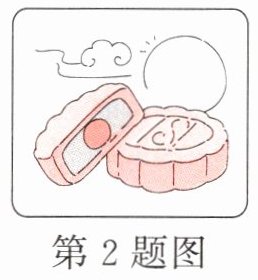
When is Mid-Autumn Festival
?—It's usually in September or October.
3. —What will you do for your mum on
Mother's Day?
—
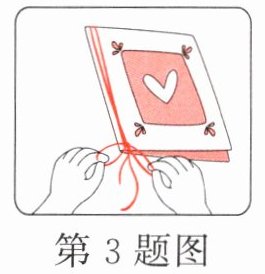
I will make a card for her
.4.
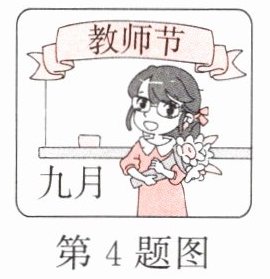
Teachers' Day is in September.
(根据图片写一句话)
答案
六、1.It's in November
2. When is Mid-Autumn Festival
3. I will make a card for her
4. 示例:Teachers' Day is in September.
解析
1. 句意:歌唱比赛在什么时候?
分析:结合图意可知,歌唱比赛在十一月,故答案
为"It is in November"。
2. 句意:它通常在九月或十月。
分析:答句为时间,图意为"中秋节",由此可知问
句提问中秋节的时间,故答案为"When is
Mid-Autumn Festival"。
3. 句意:你将在母亲节为你妈妈做什么?
分析:答句的基本结构为"I will+动词(短语)原形
(+其他)."。结合图意"做卡片"可知,答案
为"I will make a card for her"。
4. 图意:教师节在九月。
分析:可以写"教师节在九月",故答案可以为
"Teachers' Day is in September."。
2. When is Mid-Autumn Festival
3. I will make a card for her
4. 示例:Teachers' Day is in September.
解析
1. 句意:歌唱比赛在什么时候?
分析:结合图意可知,歌唱比赛在十一月,故答案
为"It is in November"。
2. 句意:它通常在九月或十月。
分析:答句为时间,图意为"中秋节",由此可知问
句提问中秋节的时间,故答案为"When is
Mid-Autumn Festival"。
3. 句意:你将在母亲节为你妈妈做什么?
分析:答句的基本结构为"I will+动词(短语)原形
(+其他)."。结合图意"做卡片"可知,答案
为"I will make a card for her"。
4. 图意:教师节在九月。
分析:可以写"教师节在九月",故答案可以为
"Teachers' Day is in September."。
解析
【分析】
1. 第一题:问句以When引导,询问歌唱比赛的时间,我们需要结合对应图片找到歌唱比赛所在的月份,再用“It's + 月份”的常用时间答语结构作答即可。
2. 第二题:答句给出了具体时间范围“in September or October”,结合图片呈现的中秋节,可知问句是要询问中秋节的时间,需用“When is + 节日名称”的特殊疑问句来提问。
3. 第三题:问句用一般将来时询问母亲节为妈妈做的事,答句要对应使用一般将来时(I will + 动词原形)的结构,再结合图片里“做卡片”的动作,组织语言完成回答。
4. 第四题:观察图片可知是教师节在九月,需要将这个信息组织成通顺的陈述句,清晰说明节日对应的月份。
【解析】
1. 问句句意:歌唱比赛在什么时候?
结合图意可知歌唱比赛在十一月,用“It's in November”回答,符合询问时间的答语规范。
2. 答句句意:它通常在九月或十月。
答句是时间信息,图中为中秋节,因此问句要提问中秋节的时间,故答案为“When is Mid-Autumn Festival”。
3. 问句句意:你将在母亲节为你妈妈做什么?
答句需遵循一般将来时“I will + 动词(短语)原形”的结构,结合图中“做卡片”的动作,得出答案“I will make a card for her”。
4. 图意显示教师节在九月,将该信息整理成陈述句,示例为“Teachers' Day is in September.”
【答案】
六、1. It's in November
2. When is Mid-Autumn Festival
3. I will make a card for her
4. 示例:Teachers' Day is in September.
【知识点】
时间问答、一般将来时、节日表达
【点评】
本题主要考查英语中时间问答、一般将来时的运用以及常见节日的表达,需要结合图片信息完成对话或句子,既考查学生的读图能力,也巩固了相关英语知识点,贴近生活实际,有助于提升学生的英语运用能力。
【难度系数】
0.8
1. 第一题:问句以When引导,询问歌唱比赛的时间,我们需要结合对应图片找到歌唱比赛所在的月份,再用“It's + 月份”的常用时间答语结构作答即可。
2. 第二题:答句给出了具体时间范围“in September or October”,结合图片呈现的中秋节,可知问句是要询问中秋节的时间,需用“When is + 节日名称”的特殊疑问句来提问。
3. 第三题:问句用一般将来时询问母亲节为妈妈做的事,答句要对应使用一般将来时(I will + 动词原形)的结构,再结合图片里“做卡片”的动作,组织语言完成回答。
4. 第四题:观察图片可知是教师节在九月,需要将这个信息组织成通顺的陈述句,清晰说明节日对应的月份。
【解析】
1. 问句句意:歌唱比赛在什么时候?
结合图意可知歌唱比赛在十一月,用“It's in November”回答,符合询问时间的答语规范。
2. 答句句意:它通常在九月或十月。
答句是时间信息,图中为中秋节,因此问句要提问中秋节的时间,故答案为“When is Mid-Autumn Festival”。
3. 问句句意:你将在母亲节为你妈妈做什么?
答句需遵循一般将来时“I will + 动词(短语)原形”的结构,结合图中“做卡片”的动作,得出答案“I will make a card for her”。
4. 图意显示教师节在九月,将该信息整理成陈述句,示例为“Teachers' Day is in September.”
【答案】
六、1. It's in November
2. When is Mid-Autumn Festival
3. I will make a card for her
4. 示例:Teachers' Day is in September.
【知识点】
时间问答、一般将来时、节日表达
【点评】
本题主要考查英语中时间问答、一般将来时的运用以及常见节日的表达,需要结合图片信息完成对话或句子,既考查学生的读图能力,也巩固了相关英语知识点,贴近生活实际,有助于提升学生的英语运用能力。
【难度系数】
0.8
七、陈杰正在和她的英国笔友Emily交流中国
Emily: When is China's National Day?
Chen Jie: 1.
Emily: Wow! It's coming soon. What do you
often do during the National Day
holiday?
Chen Jie: 2.
Emily: What will you do this year?
Chen Jie: 3.
Emily: A wonderful trip! The trees there
are colourful in autumn.
Chen Jie: Do you like autumn?
Emily: Yes, I do. My birthday is in autumn.
Chen Jie: When is your birthday?
Emily: 4.
come then.
1. A. It's on May 1st.
B. It's on October 1st.
2. A. I often pick apples on the farm.
B. I often plant trees in the park.
3. A. I will go to the beach and enjoy
the sunshine.
B. I will climb Huangshan Mountain
with my family.
4. A. It's on October 20th.
B. It's on August 15th.
Emily: When is China's National Day?
Chen Jie: 1.
B
Emily: Wow! It's coming soon. What do you
often do during the National Day
holiday?
Chen Jie: 2.
A
Emily: What will you do this year?
Chen Jie: 3.
B
Emily: A wonderful trip! The trees there
are colourful in autumn.
Chen Jie: Do you like autumn?
Emily: Yes, I do. My birthday is in autumn.
Chen Jie: When is your birthday?
Emily: 4.
A
I'll have a party. Pleasecome then.
1. A. It's on May 1st.
B. It's on October 1st.
2. A. I often pick apples on the farm.
B. I often plant trees in the park.
3. A. I will go to the beach and enjoy
the sunshine.
B. I will climb Huangshan Mountain
with my family.
4. A. It's on October 20th.
B. It's on August 15th.
答案
七、1.B 2.A 3.B 4.A
解析
选项:
1. A.它在5月1日。 B.它在10月1日。
2. A.我经常在农场摘苹果。B.我经常在公园种树。
3. A.我将去海滩享受阳光。B.我将和家人爬黄山。
4. A.它在10月20日。 B.它在8月15日。
分析:
1. 上句Emily询问Chen Jie中国国庆节的时间,国
庆节在10月1日,故选B。
2. 国庆节在秋季,结合选项可知,选A。B不属于此
季节的活动。
3. 结合下文中的"The trees there are colourful in
autumn."和生活常识可知,选B。
4. 由上文可知Emily的生日在秋天,故选A。8月
15日处于夏季,不符合题意。
解析
选项:
1. A.它在5月1日。 B.它在10月1日。
2. A.我经常在农场摘苹果。B.我经常在公园种树。
3. A.我将去海滩享受阳光。B.我将和家人爬黄山。
4. A.它在10月20日。 B.它在8月15日。
分析:
1. 上句Emily询问Chen Jie中国国庆节的时间,国
庆节在10月1日,故选B。
2. 国庆节在秋季,结合选项可知,选A。B不属于此
季节的活动。
3. 结合下文中的"The trees there are colourful in
autumn."和生活常识可知,选B。
4. 由上文可知Emily的生日在秋天,故选A。8月
15日处于夏季,不符合题意。
解析
【分析】
我们可以结合生活常识和对话语境逐步解题:
1. 第一空,Emily询问中国国庆节的时间,根据常识可知中国国庆节是10月1日,需选择对应日期的选项。
2. 第二空,国庆节处于秋季,要挑选符合秋季的活动,摘苹果是秋季常见活动,而种树多在春季,不符合季节特点,因此选秋季活动的选项。
3. 第三空,下一句提到“那里的树在秋天五颜六色”,结合生活常识,黄山秋季树木色彩丰富,符合描述,而海滩和树木色彩关联不大,所以选去黄山的选项。
4. 第四空,Emily表明自己的生日在秋天,要选择属于秋季的日期,10月20日属于秋季,8月15日属于夏季,不符合语境,因此选秋季的日期选项。
【解析】
1. 选项翻译:A.它在5月1日。B.它在10月1日。
分析:上句Emily询问中国国庆节的时间,中国国庆节是10月1日,故选B。
2. 选项翻译:A.我经常在农场摘苹果。B.我经常在公园种树。
分析:国庆节在秋季,摘苹果是秋季典型活动,种树多在春季,不符合季节特点,故选A。
3. 选项翻译:A.我将去海滩享受阳光。B.我将和家人爬黄山。
分析:下文中提到“The trees there are colourful in autumn.”(那里的树在秋天五颜六色),黄山秋季植被色彩丰富,符合描述,故选B。
4. 选项翻译:A.它在10月20日。B.它在8月15日。
分析:Emily提到自己的生日在秋天,10月20日属于秋季,8月15日属于夏季,不符合语境,故选A。
【答案】
1.B 2.A 3.B 4.A
【知识点】
1. 中国节日常识
2. 季节活动匹配
3. 情景交际问答
【点评】
这道题结合生活常识与情景对话,既考查学生对中国重要节日日期的掌握,也考查对不同季节典型活动的了解,需要学生结合语境和生活经验判断,有助于提升跨文化交际能力和常识积累。
【难度系数】
0.6
我们可以结合生活常识和对话语境逐步解题:
1. 第一空,Emily询问中国国庆节的时间,根据常识可知中国国庆节是10月1日,需选择对应日期的选项。
2. 第二空,国庆节处于秋季,要挑选符合秋季的活动,摘苹果是秋季常见活动,而种树多在春季,不符合季节特点,因此选秋季活动的选项。
3. 第三空,下一句提到“那里的树在秋天五颜六色”,结合生活常识,黄山秋季树木色彩丰富,符合描述,而海滩和树木色彩关联不大,所以选去黄山的选项。
4. 第四空,Emily表明自己的生日在秋天,要选择属于秋季的日期,10月20日属于秋季,8月15日属于夏季,不符合语境,因此选秋季的日期选项。
【解析】
1. 选项翻译:A.它在5月1日。B.它在10月1日。
分析:上句Emily询问中国国庆节的时间,中国国庆节是10月1日,故选B。
2. 选项翻译:A.我经常在农场摘苹果。B.我经常在公园种树。
分析:国庆节在秋季,摘苹果是秋季典型活动,种树多在春季,不符合季节特点,故选A。
3. 选项翻译:A.我将去海滩享受阳光。B.我将和家人爬黄山。
分析:下文中提到“The trees there are colourful in autumn.”(那里的树在秋天五颜六色),黄山秋季植被色彩丰富,符合描述,故选B。
4. 选项翻译:A.它在10月20日。B.它在8月15日。
分析:Emily提到自己的生日在秋天,10月20日属于秋季,8月15日属于夏季,不符合语境,故选A。
【答案】
1.B 2.A 3.B 4.A
【知识点】
1. 中国节日常识
2. 季节活动匹配
3. 情景交际问答
【点评】
这道题结合生活常识与情景对话,既考查学生对中国重要节日日期的掌握,也考查对不同季节典型活动的了解,需要学生结合语境和生活经验判断,有助于提升跨文化交际能力和常识积累。
【难度系数】
0.6
八、提素养 人文底蕴 阅读短文,判断句子正(T)误(F)。
Laba Festival is on the eighth(第八)
day of the twelfth(第十二) lunar month.
People think it is
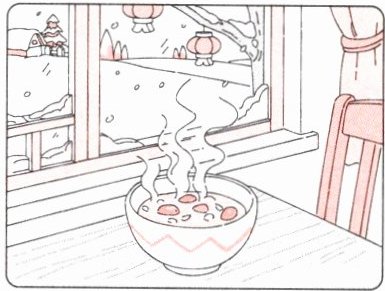
the start of Spring
Festival. "La" refers
to the twelfth lunar
month, and " ba "
means the number eight. This festival is
usually in January.
During Laba Festival, Chinese people
always eat Laba rice porridge. It usually
has many kinds of beans, peanuts, jujubes
(枣) and lotus seeds(莲子). But in some
places of China, people make a different
kind(种类) with only dried fruit and nuts.
It's very delicious.
(
(
month of the festival.
(
Laba rice porridge.
(
same in all places of China.
Laba Festival is on the eighth(第八)
day of the twelfth(第十二) lunar month.
People think it is
the start of Spring
Festival. "La" refers
to the twelfth lunar
month, and " ba "
means the number eight. This festival is
usually in January.
During Laba Festival, Chinese people
always eat Laba rice porridge. It usually
has many kinds of beans, peanuts, jujubes
(枣) and lotus seeds(莲子). But in some
places of China, people make a different
kind(种类) with only dried fruit and nuts.
It's very delicious.
(
F
)1. Laba Festival is after Spring Festival.(
T
)2. "La" in "Laba" tells us the lunarmonth of the festival.
(
F
)3. You can usually see meat in theLaba rice porridge.
(
F
)4. The Laba rice porridge is thesame in all places of China.
答案
八、1.F 2.T 3.F 4.F
解析
1. 句意:腊八节在春节之后。
依据:Laba Festival is on the eighth day of the
twelfth lunar month. People think it is the
start of Spring Festival.
分析:腊八节在春节之前,故答案为F。
2. 句意:"腊八"中的"腊"告诉我们这个节日的农历
月份。
依据:"La" refers to the twelfth lunar month, ...
分析:"腊"指的是农历十二月,能明确节日所在的
农历月份,故答案为T。
3. 句意:你通常能在腊八粥里看到肉。
依据:It usually has many kinds of beans,
peanuts, jujubes and lotus seeds.
分析:通常腊八粥的食材里没有肉,故答案为F。
4. 句意:中国所有地方的腊八粥都一样。
依据:But in some places of China, people make a
different kind with only dried fruit and
nuts.
分析:不同地方的腊八粥食材有差异,故答案为F。
解析
1. 句意:腊八节在春节之后。
依据:Laba Festival is on the eighth day of the
twelfth lunar month. People think it is the
start of Spring Festival.
分析:腊八节在春节之前,故答案为F。
2. 句意:"腊八"中的"腊"告诉我们这个节日的农历
月份。
依据:"La" refers to the twelfth lunar month, ...
分析:"腊"指的是农历十二月,能明确节日所在的
农历月份,故答案为T。
3. 句意:你通常能在腊八粥里看到肉。
依据:It usually has many kinds of beans,
peanuts, jujubes and lotus seeds.
分析:通常腊八粥的食材里没有肉,故答案为F。
4. 句意:中国所有地方的腊八粥都一样。
依据:But in some places of China, people make a
different kind with only dried fruit and
nuts.
分析:不同地方的腊八粥食材有差异,故答案为F。
解析
【分析】
解题思路:首先通读短文,熟悉腊八节的时间、名称含义、节日习俗等核心信息;然后逐个分析每个待判断的句子,回到短文中定位对应的原文内容,将句子表述与原文信息进行对比,判断是否一致,一致则为T,不一致则为F。
1. 针对第1题,先明确句子表述“腊八节在春节之后”,在原文中找到“People think it is the start of Spring Festival”,可知腊八节是春节的开端,即在春节之前,与句子表述矛盾,判断为F。
2. 第2题句子表明“‘腊八’中的‘腊’告诉我们这个节日的农历月份”,原文提到"La" refers to the twelfth lunar month,说明“腊”指农历十二月,能明确节日的农历月份,与句子表述一致,判断为T。
3. 第3题句子表述“腊八粥里通常有肉”,原文指出腊八粥食材是beans, peanuts, jujubes and lotus seeds,没有提到肉,与句子表述不符,判断为F。
4. 第4题句子说“中国所有地方的腊八粥都一样”,原文提到“But in some places of China, people make a different kind with only dried fruit and nuts”,说明各地腊八粥有差异,与句子表述矛盾,判断为F。
【解析】
1. 句意:腊八节在春节之后。
依据:Laba Festival is on the eighth day of the twelfth lunar month. People think it is the start of Spring Festival.
分析:腊八节是春节的开端,说明它在春节之前,与句子表述不符,故答案为F。
2. 句意:“腊八”中的“腊”告诉我们这个节日的农历月份。
依据:"La" refers to the twelfth lunar month, ...
分析:“腊”指农历十二月,能够明确节日所在的农历月份,与句子表述一致,故答案为T。
3. 句意:你通常能在腊八粥里看到肉。
依据:It usually has many kinds of beans, peanuts, jujubes and lotus seeds.
分析:原文提到的腊八粥食材里没有肉,与句子表述不符,故答案为F。
4. 句意:中国所有地方的腊八粥都一样。
依据:But in some places of China, people make a different kind with only dried fruit and nuts.
分析:部分地区的腊八粥食材与常规不同,说明各地腊八粥存在差异,与句子表述不符,故答案为F。
【答案】
1.F 2.T 3.F 4.F
【知识点】
细节信息查找、传统节日认知、阅读理解判断
【点评】
本题考查学生对短文细节信息的提取与对比能力,同时融入了腊八节的传统文化知识,需要学生仔细阅读原文,精准定位对应信息,培养严谨的阅读习惯,加深对中国传统节日的了解。
【难度系数】
0.8
解题思路:首先通读短文,熟悉腊八节的时间、名称含义、节日习俗等核心信息;然后逐个分析每个待判断的句子,回到短文中定位对应的原文内容,将句子表述与原文信息进行对比,判断是否一致,一致则为T,不一致则为F。
1. 针对第1题,先明确句子表述“腊八节在春节之后”,在原文中找到“People think it is the start of Spring Festival”,可知腊八节是春节的开端,即在春节之前,与句子表述矛盾,判断为F。
2. 第2题句子表明“‘腊八’中的‘腊’告诉我们这个节日的农历月份”,原文提到"La" refers to the twelfth lunar month,说明“腊”指农历十二月,能明确节日的农历月份,与句子表述一致,判断为T。
3. 第3题句子表述“腊八粥里通常有肉”,原文指出腊八粥食材是beans, peanuts, jujubes and lotus seeds,没有提到肉,与句子表述不符,判断为F。
4. 第4题句子说“中国所有地方的腊八粥都一样”,原文提到“But in some places of China, people make a different kind with only dried fruit and nuts”,说明各地腊八粥有差异,与句子表述矛盾,判断为F。
【解析】
1. 句意:腊八节在春节之后。
依据:Laba Festival is on the eighth day of the twelfth lunar month. People think it is the start of Spring Festival.
分析:腊八节是春节的开端,说明它在春节之前,与句子表述不符,故答案为F。
2. 句意:“腊八”中的“腊”告诉我们这个节日的农历月份。
依据:"La" refers to the twelfth lunar month, ...
分析:“腊”指农历十二月,能够明确节日所在的农历月份,与句子表述一致,故答案为T。
3. 句意:你通常能在腊八粥里看到肉。
依据:It usually has many kinds of beans, peanuts, jujubes and lotus seeds.
分析:原文提到的腊八粥食材里没有肉,与句子表述不符,故答案为F。
4. 句意:中国所有地方的腊八粥都一样。
依据:But in some places of China, people make a different kind with only dried fruit and nuts.
分析:部分地区的腊八粥食材与常规不同,说明各地腊八粥存在差异,与句子表述不符,故答案为F。
【答案】
1.F 2.T 3.F 4.F
【知识点】
细节信息查找、传统节日认知、阅读理解判断
【点评】
本题考查学生对短文细节信息的提取与对比能力,同时融入了腊八节的传统文化知识,需要学生仔细阅读原文,精准定位对应信息,培养严谨的阅读习惯,加深对中国传统节日的了解。
【难度系数】
0.8
