

 登录
登录
Ⅱ.Complete the passage with proper words or the proper form of the words given.
In Guangdong, people often greet each other by
1.
2.
Zao Cha, or morning tea, is 3.
Guangdong morning tea can go back to over 150 6.
Today, the 10.
In Guangdong, people often greet each other by
1.
saying
say "Yin Zuo Cha Mei?" It2.
means
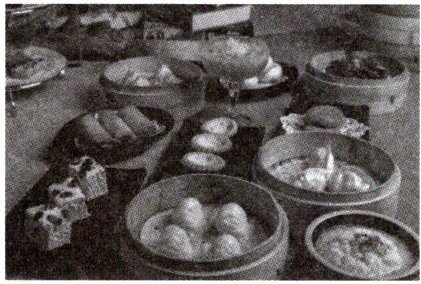
mean "Did you drink your morning tea?" in Cantonese. It is more common than "Hi" or "Good morning".Zao Cha, or morning tea, is 3.
an
important morning activity for Guangdong people. Rich or poor, young or old, men or women, local people will go to a morning tea house to drink tea or have dim sum点心4. for
breakfast. For them, Zao Cha is not only a daily habit 5. but
also a necessary way of social communication社交沟通.Guangdong morning tea can go back to over 150 6.
years
year ago during the Qing Dynasty. At that time, there was a small restaurant in Guangdong. It 7. served
serve tea and dim sum. Later, there were more and more restaurants 8. like
this. And Guangdong people slowly got into the habit of drinking morning tea in a tea house to enjoy 9. themselves
they.Today, the 10.
traditional
tradition culture of having morning tea becomes popular in other places, mainly in southern China.答案
Ⅱ. 1.saying 2.means 3.an 4.for 5.but 6.years 7.served 8.like 9.themselves
10.traditional
10.traditional
解析
【分析】
这是一篇结合广东早茶文化的语法填空题,解题时首先通读全文,明确文章核心是介绍广东早茶的起源和相关文化习俗,之后逐句分析空格的语法属性、结合固定搭配、时态规则、词性变换逻辑推导答案:
1. 先看第一空,空格前是介词by,介词后接动词必须用动名词形式,直接变形即可;
2. 第二空主语是第三人称单数it,描述客观含义用一般现在时,谓语动词要做三单变形;
3. 第三空要填冠词,后面important以元音音素开头,修饰可数名词单数activity,对应不定冠词an;
4. 第四空考察三餐相关的固定搭配,have sth for breakfast是固定表达;
5. 第五空对应并列连词的固定结构not only...but also...,直接补全but即可;
6. 第六空前有数词150,大于1,可数名词year要变为复数形式;
7. 第七空的时间状语是过去的清朝,谓语动词要变为一般过去式;
8. 第八空要表达“像这类的餐馆”,用介词like符合语义;
9. 第九空对应固定搭配enjoy oneself,要把人称代词they变为对应的反身代词;
10. 第十空后面是名词culture,需要用形容词修饰,把名词tradition变为形容词形式即可。
【解析】
1. 空格前by是方式介词,介词后接动词需用动名词形式,因此say变为saying;
2. 主语It是第三人称单数,句子描述客观含义用一般现在时,谓语动词mean变为三单形式means;
3. 此处表示“一项重要的晨间活动”,后面important以元音音素开头,用不定冠词an;
4. 固定搭配have sth. for + 三餐,表示“某餐食用某物”,因此填for;
5. 固定并列结构not only...but also...意为“不但…而且…”,符合语境,填but;
6. 前面有数词150,大于1,可数名词year要变为复数years,150 years ago表示150多年前;
7. 时间状语at that time指代清朝时期,属于过去时间,谓语动词serve要变为一般过去式served;
8. 此处表达“后来出现了越来越多像这样的餐馆”,like作介词表示“像、如同”,填like;
9. 固定搭配enjoy oneself意为“享受时光、玩得愉快”,主语是they,对应反身代词themselves;
10. 此处需要形容词修饰名词culture,名词tradition变为形容词traditional,表示“传统的”。
【答案】
1.saying 2.means 3.an 4.for 5.but 6.years 7.served 8.like 9.themselves 10.traditional
【知识点】
介词用法,固定搭配,词性转换
【点评】
本题结合本土饮食文化的语境考察初中英语核心基础语法,覆盖动名词变形、时态、冠词、并列结构、反身代词、形容词修饰名词等多个高频考点,难度适中,既考察学生的语法掌握熟练度,也能让学生了解地方特色文化,解题时要注意结合上下文时态提示,不要遗漏词形的正确变换。
【难度系数】
0.6
这是一篇结合广东早茶文化的语法填空题,解题时首先通读全文,明确文章核心是介绍广东早茶的起源和相关文化习俗,之后逐句分析空格的语法属性、结合固定搭配、时态规则、词性变换逻辑推导答案:
1. 先看第一空,空格前是介词by,介词后接动词必须用动名词形式,直接变形即可;
2. 第二空主语是第三人称单数it,描述客观含义用一般现在时,谓语动词要做三单变形;
3. 第三空要填冠词,后面important以元音音素开头,修饰可数名词单数activity,对应不定冠词an;
4. 第四空考察三餐相关的固定搭配,have sth for breakfast是固定表达;
5. 第五空对应并列连词的固定结构not only...but also...,直接补全but即可;
6. 第六空前有数词150,大于1,可数名词year要变为复数形式;
7. 第七空的时间状语是过去的清朝,谓语动词要变为一般过去式;
8. 第八空要表达“像这类的餐馆”,用介词like符合语义;
9. 第九空对应固定搭配enjoy oneself,要把人称代词they变为对应的反身代词;
10. 第十空后面是名词culture,需要用形容词修饰,把名词tradition变为形容词形式即可。
【解析】
1. 空格前by是方式介词,介词后接动词需用动名词形式,因此say变为saying;
2. 主语It是第三人称单数,句子描述客观含义用一般现在时,谓语动词mean变为三单形式means;
3. 此处表示“一项重要的晨间活动”,后面important以元音音素开头,用不定冠词an;
4. 固定搭配have sth. for + 三餐,表示“某餐食用某物”,因此填for;
5. 固定并列结构not only...but also...意为“不但…而且…”,符合语境,填but;
6. 前面有数词150,大于1,可数名词year要变为复数years,150 years ago表示150多年前;
7. 时间状语at that time指代清朝时期,属于过去时间,谓语动词serve要变为一般过去式served;
8. 此处表达“后来出现了越来越多像这样的餐馆”,like作介词表示“像、如同”,填like;
9. 固定搭配enjoy oneself意为“享受时光、玩得愉快”,主语是they,对应反身代词themselves;
10. 此处需要形容词修饰名词culture,名词tradition变为形容词traditional,表示“传统的”。
【答案】
1.saying 2.means 3.an 4.for 5.but 6.years 7.served 8.like 9.themselves 10.traditional
【知识点】
介词用法,固定搭配,词性转换
【点评】
本题结合本土饮食文化的语境考察初中英语核心基础语法,覆盖动名词变形、时态、冠词、并列结构、反身代词、形容词修饰名词等多个高频考点,难度适中,既考察学生的语法掌握熟练度,也能让学生了解地方特色文化,解题时要注意结合上下文时态提示,不要遗漏词形的正确变换。
【难度系数】
0.6
