

 登录
登录
B)阅读短文,在文中空白处填入1个适当的单词,或用括号内所给单词的正确形式填空。
Do you wonder why you get angry so easily while your friend smiles all the time? It's probably because you two have different
Part of the reason is that people are born like this. A baby
1. 2. 3. 4. 5.
6. 7. 8. 9. 10.
Do you wonder why you get angry so easily while your friend smiles all the time? It's probably because you two have different
personalities
(personality). The personality is about how people think, behave, and react(作出反应) in different situations. So what makes
(make) people think, behave and react in certain ways?Part of the reason is that people are born like this. A baby
gets
(get) its blood type, genes, and other physical things when
it's still inside its mother. These things may help decide what the baby will be
(be) like. But one's personality doesn't stop here. Family life, school education and life experiences can also make you the
person you are. This doesn't mean it's impossible
(possible) to change your personality. You can always try to make yourself
(you) better. Don't get too worried about
your shortcomings(缺点). Just accept them. This is a good way to start
(start) making changes.1. 2. 3. 4. 5.
6. 7. 8. 9. 10.
答案
B)1. personalities 2. makes 3. gets 4. when 5. will be 6. the 7. impossible 8. yourself 9. about 10. to start
解析
【分析】
本题为英语短文填空题,需结合短文语境及英语语法知识(如名词单复数、动词时态、固定搭配等)逐个分析填空。解题思路:先通读全文理解大意,再针对每个空的语法结构、语境含义确定合适的词或词的正确形式,注意词性变化、单复数、时态等细节。
【解析】
1. 空前有形容词different,需修饰可数名词复数,personality的复数形式为personalities,故填personalities。
2. 主语为what(视为单数),句子为一般现在时,谓语动词用第三人称单数形式,make的三单形式为makes,故填makes。
3. 主语a baby为第三人称单数,描述客观事实用一般现在时,get的三单形式为gets,故填gets。
4. 此处引导时间状语从句,表“当……时”,用连词when,故填when。
5. 句意表示“婴儿将会是什么样的”,表将来,用一般将来时will be,故填will be。
6. 此处特指“你现在的样子”,需用定冠词the,故填the。
7. 结合后文“你可以努力让自己更好”可知,此处表示“不是不可能改变性格”,possible的反义词为impossible,故填impossible。
8. 主语为you,此处作make的宾语指代主语本身,用反身代词yourself,故填yourself。
9. 固定搭配be worried about意为“担心……”,故填about。
10. 固定搭配a way to do sth意为“做某事的方法”,故填to start。
【答案】
1. personalities 2. makes 3. gets 4. when 5. will be 6. the 7. impossible 8. yourself 9. about 10. to start
【知识点】
名词用法、动词时态、固定搭配
【点评】
本题考查英语短文填空,涵盖多个基础语法点,需结合语境分析,难度适中,适合巩固英语基础语法知识。
【难度系数】
0.6
本题为英语短文填空题,需结合短文语境及英语语法知识(如名词单复数、动词时态、固定搭配等)逐个分析填空。解题思路:先通读全文理解大意,再针对每个空的语法结构、语境含义确定合适的词或词的正确形式,注意词性变化、单复数、时态等细节。
【解析】
1. 空前有形容词different,需修饰可数名词复数,personality的复数形式为personalities,故填personalities。
2. 主语为what(视为单数),句子为一般现在时,谓语动词用第三人称单数形式,make的三单形式为makes,故填makes。
3. 主语a baby为第三人称单数,描述客观事实用一般现在时,get的三单形式为gets,故填gets。
4. 此处引导时间状语从句,表“当……时”,用连词when,故填when。
5. 句意表示“婴儿将会是什么样的”,表将来,用一般将来时will be,故填will be。
6. 此处特指“你现在的样子”,需用定冠词the,故填the。
7. 结合后文“你可以努力让自己更好”可知,此处表示“不是不可能改变性格”,possible的反义词为impossible,故填impossible。
8. 主语为you,此处作make的宾语指代主语本身,用反身代词yourself,故填yourself。
9. 固定搭配be worried about意为“担心……”,故填about。
10. 固定搭配a way to do sth意为“做某事的方法”,故填to start。
【答案】
1. personalities 2. makes 3. gets 4. when 5. will be 6. the 7. impossible 8. yourself 9. about 10. to start
【知识点】
名词用法、动词时态、固定搭配
【点评】
本题考查英语短文填空,涵盖多个基础语法点,需结合语境分析,难度适中,适合巩固英语基础语法知识。
【难度系数】
0.6
四、本土文化阅读理解。
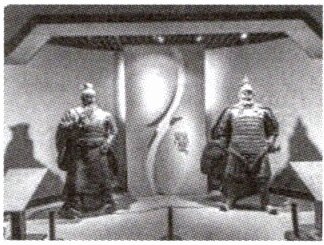
Chu-Han Culture is an important part of Chinese history, and it has a close connection with Xuzhou in Jiangsu Province. Xuzhou was once the capital of the Western Chu State led by Xiang Yu, and it is also the hometown of Liu Bang, who later founded the Han Dynasty. This special history makes Xuzhou a key place to learn about Chu-Han Culture.
Chu-Han Culture comes from the time more than 2,000 years ago, when Xiang Yu and Liu Bang fought for the state. Many famous stories from that period are still told today. For example, “Xiang Yu’s farewell to his concubine” shows his loyalty and bravery, while “Liu Bang’s return to his hometown” tells of his love for his birthplace. These stories have become part of Chinese culture, teaching people about courage, kindness, and responsibility.
There are many cultural symbols of Chu-Han Culture in Xuzhou. Xima Tai(Horse-Viewing Platform) is a famous site where Xiang Yu once watched his soldiers train horses. The old streets and buildings in Xuzhou also keep the style of the Chu-Han period. Additionally, traditional arts like Xuzhou Bangzi opera often perform stories from this time, making the culture alive for people today.
Chu-Han Culture is not just about the past. It teaches people important values that are still useful now. For example, Liu Bang’s wisdom and Xiang Yu’s bravery inspire people to face challenges in life. Every year, many students and tourists visit Xuzhou to learn about this culture. They walk through historical sites, listen to old stories, and feel the spirit of the Chu-Han period. This culture helps people remember history and understand the importance of unity and courage.
(
A. Xuzhou was the capital of the Qin Dynasty.
B. Xuzhou is the hometown of Xiang Yu and Liu Bang.
C. Xuzhou was once the capital of the Western Chu State and Liu Bang’s hometown.
D. Xuzhou has the oldest buildings in China from the Chu-Han period.
(
A. The story of Mulan joining the army.
B. Xiang Yu’s farewell to his concubine.
C. The story of Monkey King.
D. The story of Cinderella.
(
A. To buy expensive souvenirs.
B. To learn about its values and spirit.
C. To watch modern movies about war.
D. To taste special food from the Chu-Han period.
(
A. The life stories of Xiang Yu and Liu Bang.
B. The history of the Han Dynasty founded by Liu Bang.
C. The connection between Xuzhou and Chu-Han Culture, and its value.
D. The best historical sites to visit in Xuzhou.
Chu-Han Culture is an important part of Chinese history, and it has a close connection with Xuzhou in Jiangsu Province. Xuzhou was once the capital of the Western Chu State led by Xiang Yu, and it is also the hometown of Liu Bang, who later founded the Han Dynasty. This special history makes Xuzhou a key place to learn about Chu-Han Culture.
Chu-Han Culture comes from the time more than 2,000 years ago, when Xiang Yu and Liu Bang fought for the state. Many famous stories from that period are still told today. For example, “Xiang Yu’s farewell to his concubine” shows his loyalty and bravery, while “Liu Bang’s return to his hometown” tells of his love for his birthplace. These stories have become part of Chinese culture, teaching people about courage, kindness, and responsibility.
There are many cultural symbols of Chu-Han Culture in Xuzhou. Xima Tai(Horse-Viewing Platform) is a famous site where Xiang Yu once watched his soldiers train horses. The old streets and buildings in Xuzhou also keep the style of the Chu-Han period. Additionally, traditional arts like Xuzhou Bangzi opera often perform stories from this time, making the culture alive for people today.
Chu-Han Culture is not just about the past. It teaches people important values that are still useful now. For example, Liu Bang’s wisdom and Xiang Yu’s bravery inspire people to face challenges in life. Every year, many students and tourists visit Xuzhou to learn about this culture. They walk through historical sites, listen to old stories, and feel the spirit of the Chu-Han period. This culture helps people remember history and understand the importance of unity and courage.
(
C
)1. What is the connection between Xuzhou and Chu-Han Culture?A. Xuzhou was the capital of the Qin Dynasty.
B. Xuzhou is the hometown of Xiang Yu and Liu Bang.
C. Xuzhou was once the capital of the Western Chu State and Liu Bang’s hometown.
D. Xuzhou has the oldest buildings in China from the Chu-Han period.
(
B
)2. Which story is related to Chu-Han Culture?A. The story of Mulan joining the army.
B. Xiang Yu’s farewell to his concubine.
C. The story of Monkey King.
D. The story of Cinderella.
(
B
)3. Why do people visit Xuzhou to learn about Chu-Han Culture?A. To buy expensive souvenirs.
B. To learn about its values and spirit.
C. To watch modern movies about war.
D. To taste special food from the Chu-Han period.
(
C
)4. What is the main idea of the passage?A. The life stories of Xiang Yu and Liu Bang.
B. The history of the Han Dynasty founded by Liu Bang.
C. The connection between Xuzhou and Chu-Han Culture, and its value.
D. The best historical sites to visit in Xuzhou.
答案
1. C 【点拨】根据第一段中“Xuzhou was once the capital of the Western Chu State led by Xiang Yu, and it is also the hometown of Liu Bang”可知,徐州曾是项羽领导的西楚的都城,也是后来建立汉朝的刘邦的故乡。故选 C。
2. B 【点拨】根据第二段中“Many famous stories from that period are still told today. For example, ‘Xiang Yu's farewell to his concubine’”可知,那个时期的许多著名故事流传至今,例如《霸王别姬》。故选 B。
3. B 【点拨】根据第四段中“It teaches people important values... They walk through historical sites, listen to old stories, and feel the spirit of the Chu-Han period.”可知,楚汉文化教会人们重要的价值观……他们漫步历史遗址,聆听古老故事,感受楚汉时期的精神。故选 B。
4. C 【点拨】短文开篇介绍徐州与楚汉文化的关联(西楚都城、刘邦故乡),接着讲述楚汉文化的经典故事、文化符号,最后说明其传承的价值观和现实意义。A、B、D 均是文章局部内容,不能概括主旨。故选 C。
2. B 【点拨】根据第二段中“Many famous stories from that period are still told today. For example, ‘Xiang Yu's farewell to his concubine’”可知,那个时期的许多著名故事流传至今,例如《霸王别姬》。故选 B。
3. B 【点拨】根据第四段中“It teaches people important values... They walk through historical sites, listen to old stories, and feel the spirit of the Chu-Han period.”可知,楚汉文化教会人们重要的价值观……他们漫步历史遗址,聆听古老故事,感受楚汉时期的精神。故选 B。
4. C 【点拨】短文开篇介绍徐州与楚汉文化的关联(西楚都城、刘邦故乡),接着讲述楚汉文化的经典故事、文化符号,最后说明其传承的价值观和现实意义。A、B、D 均是文章局部内容,不能概括主旨。故选 C。
解析
【分析】
做这类英语阅读理解题,需先通读全文把握大意,再针对每道题的题干关键词,回到原文定位对应段落,对比选项与原文信息,排除错误选项确定答案。第1题定位第一段找徐州与楚汉文化的关联;第2题定位第二段找楚汉相关故事;第3题定位第四段找去徐州的原因;第4题梳理全文结构,排除片面选项概括主旨。
【解析】
1. 细节理解题:根据第一段“Xuzhou was once the capital of the Western Chu State led by Xiang Yu, and it is also the hometown of Liu Bang”可知,徐州曾是西楚的都城,也是刘邦的故乡。A选项错误(徐州不是秦朝都城),B选项错误(徐州不是项羽的故乡),D选项错误(文中未提及徐州有最古老的楚汉时期建筑),故选C。
2. 细节理解题:根据第二段“Many famous stories from that period are still told today. For example, ‘Xiang Yu's farewell to his concubine’”可知,《霸王别姬》是楚汉时期的故事。A选项是木兰从军的故事,C选项是《西游记》的故事,D选项是西方童话,均与楚汉文化无关,故选B。
3. 细节理解题:根据第四段“Chu-Han Culture is not just about the past. It teaches people important values... They walk through historical sites, listen to old stories, and feel the spirit of the Chu-Han period”可知,人们去徐州是为了学习楚汉文化的价值观和精神。A选项(买纪念品)、C选项(看现代战争电影)、D选项(尝楚汉时期的食物)均未提及,故选B。
4. 主旨大意题:文章先介绍徐州与楚汉文化的关联,接着讲述楚汉文化的经典故事、文化符号,最后说明其传承的价值观和现实意义。A选项仅涉及项羽和刘邦的生平,B选项仅涉及汉朝历史,D选项仅涉及徐州的历史遗址,均为文章局部内容,不能概括主旨,故选C。
【答案】
1.C 2.B 3.B 4.C
【知识点】
英语阅读理解、细节理解、主旨大意
【点评】
本题围绕本土楚汉文化展开英语阅读理解,考查学生的细节定位与主旨概括能力,题目设置贴合原文,难度适中,能引导学生了解本土文化的同时提升英语阅读技能。
【难度系数】
0.6
做这类英语阅读理解题,需先通读全文把握大意,再针对每道题的题干关键词,回到原文定位对应段落,对比选项与原文信息,排除错误选项确定答案。第1题定位第一段找徐州与楚汉文化的关联;第2题定位第二段找楚汉相关故事;第3题定位第四段找去徐州的原因;第4题梳理全文结构,排除片面选项概括主旨。
【解析】
1. 细节理解题:根据第一段“Xuzhou was once the capital of the Western Chu State led by Xiang Yu, and it is also the hometown of Liu Bang”可知,徐州曾是西楚的都城,也是刘邦的故乡。A选项错误(徐州不是秦朝都城),B选项错误(徐州不是项羽的故乡),D选项错误(文中未提及徐州有最古老的楚汉时期建筑),故选C。
2. 细节理解题:根据第二段“Many famous stories from that period are still told today. For example, ‘Xiang Yu's farewell to his concubine’”可知,《霸王别姬》是楚汉时期的故事。A选项是木兰从军的故事,C选项是《西游记》的故事,D选项是西方童话,均与楚汉文化无关,故选B。
3. 细节理解题:根据第四段“Chu-Han Culture is not just about the past. It teaches people important values... They walk through historical sites, listen to old stories, and feel the spirit of the Chu-Han period”可知,人们去徐州是为了学习楚汉文化的价值观和精神。A选项(买纪念品)、C选项(看现代战争电影)、D选项(尝楚汉时期的食物)均未提及,故选B。
4. 主旨大意题:文章先介绍徐州与楚汉文化的关联,接着讲述楚汉文化的经典故事、文化符号,最后说明其传承的价值观和现实意义。A选项仅涉及项羽和刘邦的生平,B选项仅涉及汉朝历史,D选项仅涉及徐州的历史遗址,均为文章局部内容,不能概括主旨,故选C。
【答案】
1.C 2.B 3.B 4.C
【知识点】
英语阅读理解、细节理解、主旨大意
【点评】
本题围绕本土楚汉文化展开英语阅读理解,考查学生的细节定位与主旨概括能力,题目设置贴合原文,难度适中,能引导学生了解本土文化的同时提升英语阅读技能。
【难度系数】
0.6
