

 登录
登录
Ⅱ. 读Linda和机器人的故事。根据图片和首字母提示填写单词,补全句子。
1.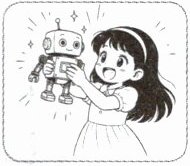
Linda gets a nice robot.
She is so e.
2.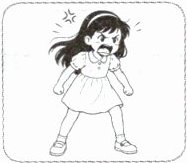
Her cousin takes her robot away.
Linda is very a.
3.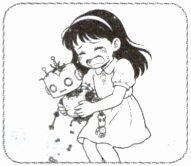
Her cousin gives it back.
But it’s broken(破损的).
Linda is very s.
4.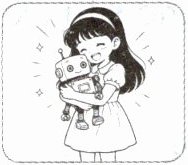
Binbin helps Linda repair(修理)her robot. Linda thanks Binbin.
She is h again.
1.
Linda gets a nice robot.
She is so e.
2.
Her cousin takes her robot away.
Linda is very a.
3.
Her cousin gives it back.
But it’s broken(破损的).
Linda is very s.
4.
Binbin helps Linda repair(修理)her robot. Linda thanks Binbin.
She is h again.
答案
1. excited
2. angry
3. sad
4. happy
2. angry
3. sad
4. happy
解析
【分析】
先通读每个句子,理解句子描述的情绪场景,再结合句首给出的字母,匹配对应的情绪类形容词,完成填空。
【解析】
1. 句意:Linda得到一个很棒的机器人,她非常______。结合首字母e,表达“兴奋”的情绪,填excited。
2. 句意:她的表姐把她的机器人拿走了,Linda非常______。结合首字母a,表达“生气”的情绪,填angry。
3. 句意:表姐把机器人还回来,但它破损了,Linda非常______。结合首字母s,表达“难过”的情绪,填sad。
4. 句意:彬彬帮Linda修理机器人,Linda感谢彬彬,她又变得______了。结合首字母h,表达“开心”的情绪,填happy。
【答案】
1. excited
2. angry
3. sad
4. happy
【知识点】
情绪类形容词;词汇匹配
【点评】
本题结合生活场景和首字母提示,考查基础情绪类形容词的运用,贴近学生认知,难度适中。
【难度系数】
0.6
先通读每个句子,理解句子描述的情绪场景,再结合句首给出的字母,匹配对应的情绪类形容词,完成填空。
【解析】
1. 句意:Linda得到一个很棒的机器人,她非常______。结合首字母e,表达“兴奋”的情绪,填excited。
2. 句意:她的表姐把她的机器人拿走了,Linda非常______。结合首字母a,表达“生气”的情绪,填angry。
3. 句意:表姐把机器人还回来,但它破损了,Linda非常______。结合首字母s,表达“难过”的情绪,填sad。
4. 句意:彬彬帮Linda修理机器人,Linda感谢彬彬,她又变得______了。结合首字母h,表达“开心”的情绪,填happy。
【答案】
1. excited
2. angry
3. sad
4. happy
【知识点】
情绪类形容词;词汇匹配
【点评】
本题结合生活场景和首字母提示,考查基础情绪类形容词的运用,贴近学生认知,难度适中。
【难度系数】
0.6
Ⅲ.读故事,给下列图片排序,并圈出故事中描述心情的单词。
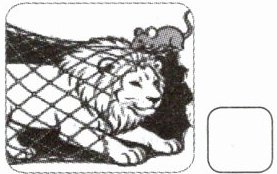
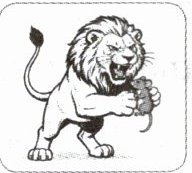
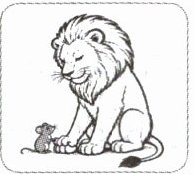
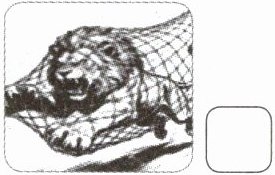
One day, a lion catches a mouse and wants to eat him. The mouse is very worried. He says, “Don’t eat me! I can help you someday!” Then the lion lets him go. The next day, two men catch the lion with a large net(网). The lion is angry and sad, but he cannot get out. Then the mouse comes. He makes a big hole(洞)in the net with his teeth. The lion gets out. He is very excited. “Thank you!” says the lion. Then they become good friends.
One day, a lion catches a mouse and wants to eat him. The mouse is very worried. He says, “Don’t eat me! I can help you someday!” Then the lion lets him go. The next day, two men catch the lion with a large net(网). The lion is angry and sad, but he cannot get out. Then the mouse comes. He makes a big hole(洞)in the net with his teeth. The lion gets out. He is very excited. “Thank you!” says the lion. Then they become good friends.
答案
从左到右四幅图的排序依次为:4、1、2、3;需要圈出的描述心情的单词是:worried、angry、sad、excited。
解析
【分析】
首先通读故事,梳理故事的情节发展顺序:先明确故事中每个场景对应的先后顺序,再匹配图片完成排序;同时在故事中找出描述动物心情的形容词,注意区分情绪类词汇。具体步骤:1.逐句读故事,标记关键情节:狮子抓老鼠→老鼠担心(worried)求放→狮子放鼠→人用网抓狮→狮生气(angry)难过(sad)→鼠咬网救狮→狮兴奋(excited)→成朋友;2.对应图片场景,按情节先后排序;3.提取故事中表达心情的单词。
【解析】
1.梳理故事情节顺序:①狮子捕捉老鼠欲吃掉(对应某图);②老鼠因害怕而担心(worried),请求狮子放了自己,狮子同意;③次日人们用大网抓住狮子,狮子生气(angry)且难过(sad),无法逃脱;④老鼠用牙齿咬出网洞,狮子逃脱后十分兴奋(excited),最终二者成为朋友。2.匹配图片场景,确定从左到右的排序为4、1、2、3;3.提取故事中描述心情的单词:worried、angry、sad、excited,需圈出这些单词。
【答案】
从左到右四幅图的排序依次为:4、1、2、3;需要圈出的描述心情的单词是:worried、angry、sad、excited。
【知识点】
故事阅读理解、心情类形容词识别
【点评】
本题考查学生对英语故事内容的梳理能力和情绪类词汇的识别能力,解题需先理清故事脉络再完成排序,难度适中,适合小学阶段学生练习。
【难度系数】
0.5
首先通读故事,梳理故事的情节发展顺序:先明确故事中每个场景对应的先后顺序,再匹配图片完成排序;同时在故事中找出描述动物心情的形容词,注意区分情绪类词汇。具体步骤:1.逐句读故事,标记关键情节:狮子抓老鼠→老鼠担心(worried)求放→狮子放鼠→人用网抓狮→狮生气(angry)难过(sad)→鼠咬网救狮→狮兴奋(excited)→成朋友;2.对应图片场景,按情节先后排序;3.提取故事中表达心情的单词。
【解析】
1.梳理故事情节顺序:①狮子捕捉老鼠欲吃掉(对应某图);②老鼠因害怕而担心(worried),请求狮子放了自己,狮子同意;③次日人们用大网抓住狮子,狮子生气(angry)且难过(sad),无法逃脱;④老鼠用牙齿咬出网洞,狮子逃脱后十分兴奋(excited),最终二者成为朋友。2.匹配图片场景,确定从左到右的排序为4、1、2、3;3.提取故事中描述心情的单词:worried、angry、sad、excited,需圈出这些单词。
【答案】
从左到右四幅图的排序依次为:4、1、2、3;需要圈出的描述心情的单词是:worried、angry、sad、excited。
【知识点】
故事阅读理解、心情类形容词识别
【点评】
本题考查学生对英语故事内容的梳理能力和情绪类词汇的识别能力,解题需先理清故事脉络再完成排序,难度适中,适合小学阶段学生练习。
【难度系数】
0.5
