

 登录
登录
【新题型】短文填空
阅读下面短文,在空白处填入恰当的单词或用所给单词的正确形式填空。
For Chinese people, chopsticks are one of the most commonly used 1.
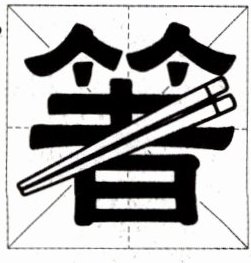
Chinese people 2.
However, there is no historical record about 5.
Chopsticks are not just simple dining tools. They have their own special rules and traditions. When 8.
Nowadays, chopsticks are becoming popular around the world. People in many countries have learnt to use them. They bring people 10.
阅读下面短文,在空白处填入恰当的单词或用所给单词的正确形式填空。
For Chinese people, chopsticks are one of the most commonly used 1.
things
(thing) in daily life. But not many of us know the history of them.Chinese people 2.
started
(start) to use chopsticks as early as the Shang Dynasty. In the Qin and Han dynasties, people called them “Zhu(箸)”. “Zhu” sounds the same as “stop” in Chinese, which is 3. an
unlucky word. So by the Ming Dynasty, people began to call 4. them
(they) “Kuai”, meaning “fast” in Chinese. This is the start of today's name of Chinese chopsticks.However, there is no historical record about 5.
who
made chopsticks. It is said that Dayu, the founder of the Xia Dynasty, invented chopsticks. He used sticks to pick 6. up
hot food in order to save time for flood control. 7. Finally
(final), the floods were under control and the sticks that helped Dayu became chopsticks.Chopsticks are not just simple dining tools. They have their own special rules and traditions. When 8.
eating
(eat) with the elders, Chinese people usually let the elders take up chopsticks before anyone else. Besides, playing with chopsticks is thought to be a bad manner. It's also impolite 9. to make
(make) any noise with chopsticks.Nowadays, chopsticks are becoming popular around the world. People in many countries have learnt to use them. They bring people 10.
closer
(close) to Chinese food and traditions than ever before.答案
1. things 2. started 3. an 4. them 5. who 6. up 7. Finally 8. eating 9. to make 10. closer
解析
【分析】
本题为短文填空题,考查英语基础语法与词汇运用。解题思路:先通读短文理解关于筷子的文化背景,再结合每个空格的语境、语法结构(如名词复数、时态、冠词、代词、固定搭配等),逐一确定单词的正确形式。
【解析】
1. 考查名词复数:one of后接可数名词复数,故将thing变为things。
2. 考查一般过去时:时间状语“as early as the Shang Dynasty(早在商朝)”表过去,动词用过去式,故填started。
3. 考查冠词:unlucky以元音音素开头,泛指“一个不吉利的词”,用不定冠词an。
4. 考查代词宾格:动词call后接宾语,需用they的宾格形式them。
5. 考查宾语从句引导词:根据语境“谁制作了筷子”,填who引导宾语从句。
6. 考查固定搭配:pick up为固定短语,意为“拿起”,故填up。
7. 考查副词:修饰整个句子,需用final的副词形式Finally,句首首字母大写。
8. 考查现在分词作状语:when引导时间状语从句,省略主语和be动词,用现在分词eating。
9. 考查固定句型:It's + adj + to do sth为固定结构,故填to make。
10. 考查形容词比较级:由than ever before可知用比较级,close的比较级为closer。
【答案】
1. things 2. started 3. an 4. them 5. who 6. up 7. Finally 8. eating 9. to make 10. closer
【知识点】
名词复数;一般过去时;固定搭配
【点评】
本题结合中国筷子文化,考查基础语法与词汇运用,贴近生活,侧重对核心知识点的掌握,难度适中。
【难度系数】
0.7
本题为短文填空题,考查英语基础语法与词汇运用。解题思路:先通读短文理解关于筷子的文化背景,再结合每个空格的语境、语法结构(如名词复数、时态、冠词、代词、固定搭配等),逐一确定单词的正确形式。
【解析】
1. 考查名词复数:one of后接可数名词复数,故将thing变为things。
2. 考查一般过去时:时间状语“as early as the Shang Dynasty(早在商朝)”表过去,动词用过去式,故填started。
3. 考查冠词:unlucky以元音音素开头,泛指“一个不吉利的词”,用不定冠词an。
4. 考查代词宾格:动词call后接宾语,需用they的宾格形式them。
5. 考查宾语从句引导词:根据语境“谁制作了筷子”,填who引导宾语从句。
6. 考查固定搭配:pick up为固定短语,意为“拿起”,故填up。
7. 考查副词:修饰整个句子,需用final的副词形式Finally,句首首字母大写。
8. 考查现在分词作状语:when引导时间状语从句,省略主语和be动词,用现在分词eating。
9. 考查固定句型:It's + adj + to do sth为固定结构,故填to make。
10. 考查形容词比较级:由than ever before可知用比较级,close的比较级为closer。
【答案】
1. things 2. started 3. an 4. them 5. who 6. up 7. Finally 8. eating 9. to make 10. closer
【知识点】
名词复数;一般过去时;固定搭配
【点评】
本题结合中国筷子文化,考查基础语法与词汇运用,贴近生活,侧重对核心知识点的掌握,难度适中。
【难度系数】
0.7
