

 登录
登录
一、用方框中所给单词的适当形式填空。
pain therefore effect nobody prove
1. Who is able to your answer is proper, Tina?
2. Exercising is good for health. , you should exercise.
3. It was for Tom to say goodbye to his old friends.
4. The book will cause some positive on young people.
5. ______ can go back and start a new beginning, but anyone can start from today and make a new ending.
pain therefore effect nobody prove
1. Who is able to your answer is proper, Tina?
2. Exercising is good for health. , you should exercise.
3. It was for Tom to say goodbye to his old friends.
4. The book will cause some positive on young people.
5. ______ can go back and start a new beginning, but anyone can start from today and make a new ending.
答案
1. prove
2. Therefore
3. painful
4. effects
5. Nobody
2. Therefore
3. painful
4. effects
5. Nobody
解析
【分析】
本题为用方框中所给单词的适当形式填空题,需先理解每个句子的句意,再结合单词的词性、语法规则(如be able to后接动词原形、副词作状语、形容词作表语、名词复数变化、代词作主语等),确定每个空的正确单词形式。
【解析】
1. 句意:谁能证明你的答案是合适的,蒂娜?be able to后接动词原形,方框中动词prove符合语境,故填prove。
2. 句意:锻炼对健康有益,因此你应该锻炼。此处需副词连接前后句,方框中therefore为副词,句首需大写,故填Therefore。
3. 句意:对汤姆来说,和老朋友告别是痛苦的。此处需形容词作表语,名词pain的形容词形式为painful,故填painful。
4. 句意:这本书会对年轻人产生一些积极影响。effect为可数名词,some后接可数名词复数,故填effects。
5. 句意:没人能回到过去重新开始,但任何人都能从今天开始创造新结局。此处需代词作主语,方框中nobody符合语境,句首需大写,故填Nobody。
【答案】
1. prove
2. Therefore
3. painful
4. effects
5. Nobody
【知识点】
单词适当形式填空、词性转换、词汇运用
【点评】
本题考查基础词汇的词性变化及在句子中的正确运用,是英语学习中常见的基础题型,侧重考查学生对核心词汇的掌握和语法规则的运用能力。
【难度系数】
0.6
本题为用方框中所给单词的适当形式填空题,需先理解每个句子的句意,再结合单词的词性、语法规则(如be able to后接动词原形、副词作状语、形容词作表语、名词复数变化、代词作主语等),确定每个空的正确单词形式。
【解析】
1. 句意:谁能证明你的答案是合适的,蒂娜?be able to后接动词原形,方框中动词prove符合语境,故填prove。
2. 句意:锻炼对健康有益,因此你应该锻炼。此处需副词连接前后句,方框中therefore为副词,句首需大写,故填Therefore。
3. 句意:对汤姆来说,和老朋友告别是痛苦的。此处需形容词作表语,名词pain的形容词形式为painful,故填painful。
4. 句意:这本书会对年轻人产生一些积极影响。effect为可数名词,some后接可数名词复数,故填effects。
5. 句意:没人能回到过去重新开始,但任何人都能从今天开始创造新结局。此处需代词作主语,方框中nobody符合语境,句首需大写,故填Nobody。
【答案】
1. prove
2. Therefore
3. painful
4. effects
5. Nobody
【知识点】
单词适当形式填空、词性转换、词汇运用
【点评】
本题考查基础词汇的词性变化及在句子中的正确运用,是英语学习中常见的基础题型,侧重考查学生对核心词汇的掌握和语法规则的运用能力。
【难度系数】
0.6
二、句型转换。
1. Mr Brown has worked here for 5 years.(对画线部分提问)
2. I have already watched the TV play.(改为否定句)
I
3. Tom has already finished doing his homework.(改为一般疑问句)
4. Sally saw the film last week.(改为现在完成时)
Sally
5. They have made some delicious food for Tony.(对画线部分提问)
1. Mr Brown has worked here for 5 years.(对画线部分提问)
How
long
has
Mr Brown worked here?2. I have already watched the TV play.(改为否定句)
I
haven't
watched
the TV play yet
.3. Tom has already finished doing his homework.(改为一般疑问句)
Has
Tom finished
doing his homework yet
?4. Sally saw the film last week.(改为现在完成时)
Sally
has
seen
the film before.5. They have made some delicious food for Tony.(对画线部分提问)
What
have
they done
for Tony?答案
1. How long has
2. haven't watched; yet
3. Has; finished; yet
4. has seen
5. What have; done
2. haven't watched; yet
3. Has; finished; yet
4. has seen
5. What have; done
解析
【分析】
本题考查现在完成时的相关句型转换,解题思路如下:
1. 对“for+时间段”提问用疑问词组How long,现在完成时特殊疑问句结构为“疑问词组+助动词have/has+主语+过去分词”,主语Mr Brown是第三人称单数,助动词用has;
2. 现在完成时变否定句,需在助动词后加not,同时将肯定词already改为否定句专用的yet;
3. 现在完成时变一般疑问句,需将助动词has/have提前至句首,already改为yet;
4. 一般过去时改现在完成时,谓语动词变为“have/has+过去分词”,主语Sally是第三人称单数,用has,see的过去分词为seen;
5. 对“做的事情”提问用疑问词What,现在完成时特殊疑问句结构为“疑问词+助动词have/has+主语+过去分词”,主语they是复数,助动词用have,do的过去分词为done。
【解析】
1. 画线部分是表时间段的“for 5 years”,用How long提问;主语Mr Brown是第三人称单数,现在完成时助动词用has,故填How long has;
2. 现在完成时否定句,主语I后加have not(缩写为haven't),动词watch用过去分词watched;already改为否定句的yet,故填haven't watched; yet;
3. 现在完成时一般疑问句,将助动词has提前至句首;动词finish用过去分词finished;already改为yet,故填Has; finished; yet;
4. 现在完成时结构为has+see的过去分词seen,故填has seen;
5. 画线部分是做的事,用What提问;主语they是复数,助动词用have;do的过去分词为done,故填What have; done。
【答案】
1. How long has
2. haven't watched; yet
3. Has; finished; yet
4. has seen
5. What have; done
【知识点】
现在完成时、句型转换
【点评】
本题围绕现在完成时的核心考点,涵盖特殊疑问句、否定句、一般疑问句转换及时态变化,是初中英语现在完成时的基础题型,需牢记现在完成时的结构及句式变化规则。
【难度系数】
0.6
本题考查现在完成时的相关句型转换,解题思路如下:
1. 对“for+时间段”提问用疑问词组How long,现在完成时特殊疑问句结构为“疑问词组+助动词have/has+主语+过去分词”,主语Mr Brown是第三人称单数,助动词用has;
2. 现在完成时变否定句,需在助动词后加not,同时将肯定词already改为否定句专用的yet;
3. 现在完成时变一般疑问句,需将助动词has/have提前至句首,already改为yet;
4. 一般过去时改现在完成时,谓语动词变为“have/has+过去分词”,主语Sally是第三人称单数,用has,see的过去分词为seen;
5. 对“做的事情”提问用疑问词What,现在完成时特殊疑问句结构为“疑问词+助动词have/has+主语+过去分词”,主语they是复数,助动词用have,do的过去分词为done。
【解析】
1. 画线部分是表时间段的“for 5 years”,用How long提问;主语Mr Brown是第三人称单数,现在完成时助动词用has,故填How long has;
2. 现在完成时否定句,主语I后加have not(缩写为haven't),动词watch用过去分词watched;already改为否定句的yet,故填haven't watched; yet;
3. 现在完成时一般疑问句,将助动词has提前至句首;动词finish用过去分词finished;already改为yet,故填Has; finished; yet;
4. 现在完成时结构为has+see的过去分词seen,故填has seen;
5. 画线部分是做的事,用What提问;主语they是复数,助动词用have;do的过去分词为done,故填What have; done。
【答案】
1. How long has
2. haven't watched; yet
3. Has; finished; yet
4. has seen
5. What have; done
【知识点】
现在完成时、句型转换
【点评】
本题围绕现在完成时的核心考点,涵盖特殊疑问句、否定句、一般疑问句转换及时态变化,是初中英语现在完成时的基础题型,需牢记现在完成时的结构及句式变化规则。
【难度系数】
0.6
三、阅读理解。
The world has become closer. People like to enjoy local food when they are in different countries. The following tips will help you avoid making mistakes while having a meal around the world.
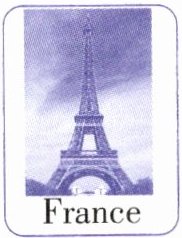
◆Keep your hands above the table. Do not rest them on your lap.
◆It is OK to use bread to soak up sauce(吸收酱汁).
◆If you haven't finished eating, cross your knife and fork on your plate with
the fork over the knife.
◆Drink directly(直接地)from a soup bowl because spoons are uncommon.
◆Do not cross your chopsticks or stick them into a bowl of rice.
◆Make a loud noise while eating to show that you like the food.

◆Always follow the lead of the host.
◆An important guest should make a toast(祝酒)later in the meal.
◆The host is the first to sit,eat,give a toast and get up at the end of the meal.
◆It's impolite to put more cheese on top of your pizza,and don't add it to seafood.

(
A. Eating up your food. B. Putting your hands on the lap.
C. Soaking up sauce with bread. D. Crossing your knife and fork.
(
A. Have soup with a spoon. B. Cross your chopsticks.
C. Make a noise while eating. D. Pass food with chopsticks at table.
(
A. The host. B. The oldest guest.
C. An important guest. D. The youngest guest.
(
A. B. C. D.
(
A. To share tips on flying around the world.
B. To teach table manners in different countries.
C. To help find delicious food in some countries.
D. To show how to avoid mistakes while cooking food.
The world has become closer. People like to enjoy local food when they are in different countries. The following tips will help you avoid making mistakes while having a meal around the world.
◆Keep your hands above the table. Do not rest them on your lap.
◆It is OK to use bread to soak up sauce(吸收酱汁).
◆If you haven't finished eating, cross your knife and fork on your plate with
the fork over the knife.
◆Drink directly(直接地)from a soup bowl because spoons are uncommon.
◆Do not cross your chopsticks or stick them into a bowl of rice.
◆Make a loud noise while eating to show that you like the food.
◆Always follow the lead of the host.
◆An important guest should make a toast(祝酒)later in the meal.
◆The host is the first to sit,eat,give a toast and get up at the end of the meal.
◆It's impolite to put more cheese on top of your pizza,and don't add it to seafood.
(
B
)1. Which of the following is impolite in France?A. Eating up your food. B. Putting your hands on the lap.
C. Soaking up sauce with bread. D. Crossing your knife and fork.
(
C
)2. What can you do while dining in Japan?A. Have soup with a spoon. B. Cross your chopsticks.
C. Make a noise while eating. D. Pass food with chopsticks at table.
(
A
)3. In Italy,who usually eats first?A. The host. B. The oldest guest.
C. An important guest. D. The youngest guest.
(
A
)4. Which kind of food should be avoided putting cheese on in Italy?A.
B. C. D.(
B
)5. What is the purpose of this passage?A. To share tips on flying around the world.
B. To teach table manners in different countries.
C. To help find delicious food in some countries.
D. To show how to avoid mistakes while cooking food.
答案
1-5 BCAAB
解析
【分析】
本题为英语阅读理解题,考查学生对不同国家餐桌礼仪相关细节的定位与主旨的把握。解题思路为:1. 通读全文,明确文章核心是介绍世界各地用餐的礼仪建议;2. 逐题定位原文对应内容,排除与原文不符的选项,选出正确答案;3. 最后一题需结合全文内容判断写作目的。
【解析】
1. 第1题:根据原文第一部分第一条“Keep your hands above the table. Do not rest them on your lap.”可知,把手放在腿上是不礼貌的,对应选项B,故选B。
2. 第2题:根据原文第一部分第六条“Make a loud noise while eating to show that you like the food.”可知,在日本吃饭时发出声响是合适的,对应选项C;A选项原文提到勺子不常见,故A错误;B选项原文提到不能交叉筷子,故B错误;D选项原文未提及,故选C。
3. 第3题:根据原文第二部分第三条“The host is the first to sit,eat,give a toast and get up at the end of the meal.”可知,主人是第一个吃饭的,对应选项A,故选A。
4. 第4题:根据原文第二部分最后一条“don't add it to seafood”可知,不能在海鲜上加奶酪,对应选项A,故选A。
5. 第5题:文章围绕世界各地的用餐礼仪展开,目的是教读者不同国家的餐桌礼仪,对应选项B,故选B。
【答案】
1-5 BCAAB
【知识点】
英语阅读理解、细节理解题、主旨大意题
【点评】
本题结合跨文化餐桌礼仪的话题,通过细节定位和主旨理解类题目考查学生的英语阅读能力,题目难度适中,需学生仔细匹配原文信息与选项。
【难度系数】
0.6
本题为英语阅读理解题,考查学生对不同国家餐桌礼仪相关细节的定位与主旨的把握。解题思路为:1. 通读全文,明确文章核心是介绍世界各地用餐的礼仪建议;2. 逐题定位原文对应内容,排除与原文不符的选项,选出正确答案;3. 最后一题需结合全文内容判断写作目的。
【解析】
1. 第1题:根据原文第一部分第一条“Keep your hands above the table. Do not rest them on your lap.”可知,把手放在腿上是不礼貌的,对应选项B,故选B。
2. 第2题:根据原文第一部分第六条“Make a loud noise while eating to show that you like the food.”可知,在日本吃饭时发出声响是合适的,对应选项C;A选项原文提到勺子不常见,故A错误;B选项原文提到不能交叉筷子,故B错误;D选项原文未提及,故选C。
3. 第3题:根据原文第二部分第三条“The host is the first to sit,eat,give a toast and get up at the end of the meal.”可知,主人是第一个吃饭的,对应选项A,故选A。
4. 第4题:根据原文第二部分最后一条“don't add it to seafood”可知,不能在海鲜上加奶酪,对应选项A,故选A。
5. 第5题:文章围绕世界各地的用餐礼仪展开,目的是教读者不同国家的餐桌礼仪,对应选项B,故选B。
【答案】
1-5 BCAAB
【知识点】
英语阅读理解、细节理解题、主旨大意题
【点评】
本题结合跨文化餐桌礼仪的话题,通过细节定位和主旨理解类题目考查学生的英语阅读能力,题目难度适中,需学生仔细匹配原文信息与选项。
【难度系数】
0.6
