

 登录
登录
八、(2025·苏州市工业园区期中)信息还原。(5分)
In ancient China, during the Tang dynasty, there was a poor scholar(秀才$) who travelled to the city of Xianyang in Shaanxi. \underline{1} Inside, he heard the loud “biang, biang” sound of the noodles being slapped($拍打$) on the board. \underline{2} After wolfing it down, he realized he had no money to pay the bill. Sensing trouble with the cook, the scholar thought fast.$
“Do you know how to write the character ‘biang’?”
$\underline{3}$
“Then I’ll teach you how to write it and my noodles can be free of charge(收费)!”
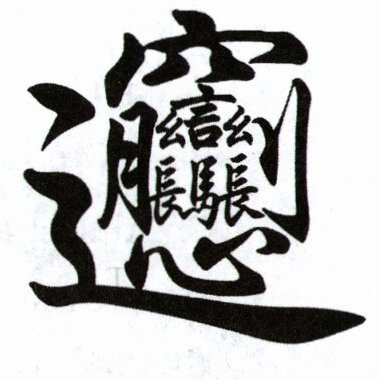
$Before the cook had the chance to say anything, the scholar quickly picked up the brush and wrote down the character. \underline{4} Everyone in the restaurant stood up and cheered.$
$From then on, the noodles were known as “Biangbiang noodles”. \underline{5}$
A. Excited, he asked for one bowl.
B. What do you call your noodles?
C. His hunger led him to a noodle shop.
D. It is an interesting story behind the special noodle dish.
E. The cook shook his head, having never thought about it.
F. The “biang” character also became a symbol of Shaanxi culture.
G. It included a horse, a moon, a knife and a heart plus other parts.
1. _________
2. _________
3. _________
4. _________
5. _________
In ancient China, during the Tang dynasty, there was a poor scholar(秀才$) who travelled to the city of Xianyang in Shaanxi. \underline{1} Inside, he heard the loud “biang, biang” sound of the noodles being slapped($拍打$) on the board. \underline{2} After wolfing it down, he realized he had no money to pay the bill. Sensing trouble with the cook, the scholar thought fast.$
“Do you know how to write the character ‘biang’?”
$\underline{3}$
“Then I’ll teach you how to write it and my noodles can be free of charge(收费)!”
$Before the cook had the chance to say anything, the scholar quickly picked up the brush and wrote down the character. \underline{4} Everyone in the restaurant stood up and cheered.$
$From then on, the noodles were known as “Biangbiang noodles”. \underline{5}$
A. Excited, he asked for one bowl.
B. What do you call your noodles?
C. His hunger led him to a noodle shop.
D. It is an interesting story behind
the special noodle dish.E. The cook shook his head, having never thought about it.
F. The “biang” character also became a symbol of Shaanxi culture.
G. It included a horse, a moon, a knife and a heart plus other parts.
1. _________
2. _________
3. _________
4. _________
5. _________
答案
1.C 2.A 3.E 4.G 5.F
解析
【分析】
这是一道英语信息还原题,解题思路为:先通读全文,把握故事整体脉络(唐代秀才到咸阳遇面馆、吃面没钱、用写“biang”字免单、biangbiang面成名的过程);再逐个分析每个空的前后语境,结合逻辑关系(顺承、问答衔接、内容补充等)匹配选项:1空需衔接“到咸阳”和“进入面馆”,选对应选项;2空需衔接“要面”和“吃面”,选对应选项;3空需衔接“问厨师会不会写biang字”和“提出教写免单”,选对应选项;4空需衔接“写biang字”和“众人欢呼”,选补充字组成的选项;5空需衔接“面名由来”和“文化意义”,选对应选项。
【解析】
1. 选C:前文提到秀才到咸阳,后文“Inside”指向室内场所,C选项“他的饥饿让他来到一家面馆”符合顺承逻辑;
2. 选A:后文“wolfing it down(狼吞虎咽)”说明他吃了面,A选项“他兴奋地要了一碗”衔接合理;
3. 选E:前文秀才问厨师是否会写“biang”字,后文秀才提出教写免单,E选项“厨师摇了摇头,从未想过这个问题”符合问答逻辑;
4. 选G:前文提到秀才快速写下“biang”字,后文众人欢呼,G选项“它包含马、月亮、刀、心及其他部分”补充了“biang”字的组成,衔接自然;
5. 选F:前文说明面叫“biangbiang面”,F选项“‘biang’字也成为陕西文化的象征”承接前文,说明该面的文化影响,符合逻辑。
【答案】
1.C 2.A 3.E 4.G 5.F
【知识点】
信息还原题、语篇理解
【点评】
本题考查学生对语篇逻辑和上下文衔接的理解能力,需梳理故事发展脉络,结合语境匹配选项,是初中英语常见题型,难度适中。
【难度系数】
0.4
这是一道英语信息还原题,解题思路为:先通读全文,把握故事整体脉络(唐代秀才到咸阳遇面馆、吃面没钱、用写“biang”字免单、biangbiang面成名的过程);再逐个分析每个空的前后语境,结合逻辑关系(顺承、问答衔接、内容补充等)匹配选项:1空需衔接“到咸阳”和“进入面馆”,选对应选项;2空需衔接“要面”和“吃面”,选对应选项;3空需衔接“问厨师会不会写biang字”和“提出教写免单”,选对应选项;4空需衔接“写biang字”和“众人欢呼”,选补充字组成的选项;5空需衔接“面名由来”和“文化意义”,选对应选项。
【解析】
1. 选C:前文提到秀才到咸阳,后文“Inside”指向室内场所,C选项“他的饥饿让他来到一家面馆”符合顺承逻辑;
2. 选A:后文“wolfing it down(狼吞虎咽)”说明他吃了面,A选项“他兴奋地要了一碗”衔接合理;
3. 选E:前文秀才问厨师是否会写“biang”字,后文秀才提出教写免单,E选项“厨师摇了摇头,从未想过这个问题”符合问答逻辑;
4. 选G:前文提到秀才快速写下“biang”字,后文众人欢呼,G选项“它包含马、月亮、刀、心及其他部分”补充了“biang”字的组成,衔接自然;
5. 选F:前文说明面叫“biangbiang面”,F选项“‘biang’字也成为陕西文化的象征”承接前文,说明该面的文化影响,符合逻辑。
【答案】
1.C 2.A 3.E 4.G 5.F
【知识点】
信息还原题、语篇理解
【点评】
本题考查学生对语篇逻辑和上下文衔接的理解能力,需梳理故事发展脉络,结合语境匹配选项,是初中英语常见题型,难度适中。
【难度系数】
0.4
九、用方框中所给单词或词组的适当形式填空。(10 分)
find, willing, worry, collect, treasure, with, more than, China, successful, agree
亮点原创· Thanks to the efforts of the National Cultural Heritage Administration,
1 two important ancient books, the Zidanku Silk Manuscript(《子弹库帛书》) volumes Ⅱ and Ⅲ, finally got their way back to China from the US on May 16th, 2025. These books came from Changsha, Hunan Province. They were made 2 2,000 years ago in the Warring States period (475 BC—221 BC).
It's reported that the Zidanku Silk Manuscript 3 in 1942 in a place in Changsha. They are very useful for studying old Chinese writing and history. However, in 1946, someone took them to the US 4 any permission(许可). The problem 5 Chinese people for many years.
When the Chinese government knew about this, it worked hard to bring the books back. At first, the US was 6 to give them back to China. After many years' talks, the two countries finally reached an 7 on the return of these books. The two volumes, Wuxing Ling and Gongshou Zhan, tell people about climate changes and war skills in ancient China.
In July 2025, these precious books were shown to the public for the first time at the National Museum of China. This is a great 8, which shows China's love for its cultural 9. Well, it is not the end of the story. The government will keep looking for the first volume of the Zidanku Silk Manuscript to make the 10 complete.
1. 2. 3. 4. 5.
6. 7. 8. 9. 10.
find, willing, worry, collect, treasure, with, more than, China, successful, agree
亮点原创· Thanks to the efforts of the National Cultural Heritage Administration,
1 two important ancient books, the Zidanku Silk Manuscript(《子弹库帛书》) volumes Ⅱ and Ⅲ, finally got their way back to China from the US on May 16th, 2025. These books came from Changsha, Hunan Province. They were made 2 2,000 years ago in the Warring States period (475 BC—221 BC).
It's reported that the Zidanku Silk Manuscript 3 in 1942 in a place in Changsha. They are very useful for studying old Chinese writing and history. However, in 1946, someone took them to the US 4 any permission(许可). The problem 5 Chinese people for many years.
When the Chinese government knew about this, it worked hard to bring the books back. At first, the US was 6 to give them back to China. After many years' talks, the two countries finally reached an 7 on the return of these books. The two volumes, Wuxing Ling and Gongshou Zhan, tell people about climate changes and war skills in ancient China.
In July 2025, these precious books were shown to the public for the first time at the National Museum of China. This is a great 8, which shows China's love for its cultural 9. Well, it is not the end of the story. The government will keep looking for the first volume of the Zidanku Silk Manuscript to make the 10 complete.
1. 2. 3. 4. 5.
6. 7. 8. 9. 10.
答案
1. China's 2. more than 3. were found 4. without 5. has worried 6. unwilling 7. agreement 8. success 9. treasures 10. collection
解析
【分析】
本题为选词填空,需结合语境、词性、时态及固定搭配选择方框内单词的适当形式。解题思路:先通读全文理解文章大意,再逐空分析:根据句子成分确定所需词性,结合语境判断词义,最后对单词进行适当变形(如名词变复数、动词变时态/语态、形容词变名词等)。
【解析】
1. 句意:多亏国家文物局的努力,中国的两本重要古籍……回到中国。此处需所属格修饰名词“books”,故将“China”变为“China's”。
2. 句意:它们是2000多年前战国时期制作的。“more than”表示“超过”,符合“2000 years ago”的数量语境,直接填“more than”。
3. 句意:据报道,子弹库帛书是1942年在长沙被发现的。主语“manuscript”与“find”是被动关系,时间为过去,故用一般过去时被动语态“were found”。
4. 句意:1946年,有人未经许可把它们带到美国。“without”表示“没有”,符合“any permission”的否定语境,填“without”。
5. 句意:这个问题已经困扰中国人很多年了。“for many years”是现在完成时标志,主语“problem”为单数,故用“has worried”。
6. 句意:起初,美国不愿意把它们还给中国。固定搭配“be unwilling to do sth”(不愿意做某事),故将“willing”变为“unwilling”。
7. 句意:经过多年谈判,两国最终达成了归还协议。固定短语“reach an agreement”(达成协议),将“agree”变为名词“agreement”。
8. 句意:这是一个巨大的成功。形容词“great”后需名词,将形容词“successful”变为名词“success”。
9. 句意:这显示了中国对其文化宝藏的热爱。形容词“cultural”后需名词,“treasure”为可数名词,此处表复数概念,故变“treasures”。
10. 句意:政府会继续寻找第一卷,让整套藏品完整。“collection”表示“收藏品”,符合“the Zidanku Silk Manuscript”整套藏品的语境,填“collection”。
【答案】
1. China's 2. more than 3. were found 4. without 5. has worried 6. unwilling 7. agreement 8. success 9. treasures 10. collection
【知识点】
英语词汇运用、动词时态语态、固定搭配
【点评】
本题考查基础词汇的词义、词性变形及语境运用,需结合上下文逻辑和语法规则解题,是英语考试常见题型,注重学生对核心词汇的灵活掌握。
【难度系数】
0.5
本题为选词填空,需结合语境、词性、时态及固定搭配选择方框内单词的适当形式。解题思路:先通读全文理解文章大意,再逐空分析:根据句子成分确定所需词性,结合语境判断词义,最后对单词进行适当变形(如名词变复数、动词变时态/语态、形容词变名词等)。
【解析】
1. 句意:多亏国家文物局的努力,中国的两本重要古籍……回到中国。此处需所属格修饰名词“books”,故将“China”变为“China's”。
2. 句意:它们是2000多年前战国时期制作的。“more than”表示“超过”,符合“2000 years ago”的数量语境,直接填“more than”。
3. 句意:据报道,子弹库帛书是1942年在长沙被发现的。主语“manuscript”与“find”是被动关系,时间为过去,故用一般过去时被动语态“were found”。
4. 句意:1946年,有人未经许可把它们带到美国。“without”表示“没有”,符合“any permission”的否定语境,填“without”。
5. 句意:这个问题已经困扰中国人很多年了。“for many years”是现在完成时标志,主语“problem”为单数,故用“has worried”。
6. 句意:起初,美国不愿意把它们还给中国。固定搭配“be unwilling to do sth”(不愿意做某事),故将“willing”变为“unwilling”。
7. 句意:经过多年谈判,两国最终达成了归还协议。固定短语“reach an agreement”(达成协议),将“agree”变为名词“agreement”。
8. 句意:这是一个巨大的成功。形容词“great”后需名词,将形容词“successful”变为名词“success”。
9. 句意:这显示了中国对其文化宝藏的热爱。形容词“cultural”后需名词,“treasure”为可数名词,此处表复数概念,故变“treasures”。
10. 句意:政府会继续寻找第一卷,让整套藏品完整。“collection”表示“收藏品”,符合“the Zidanku Silk Manuscript”整套藏品的语境,填“collection”。
【答案】
1. China's 2. more than 3. were found 4. without 5. has worried 6. unwilling 7. agreement 8. success 9. treasures 10. collection
【知识点】
英语词汇运用、动词时态语态、固定搭配
【点评】
本题考查基础词汇的词义、词性变形及语境运用,需结合上下文逻辑和语法规则解题,是英语考试常见题型,注重学生对核心词汇的灵活掌握。
【难度系数】
0.5
