

 登录
登录
四、根据短文内容及首字母提示,填写所缺单词,使其意思完整。
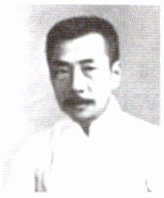
Lu Xun is one of the greatest Chinese writers of the 20th century. Besides his famous stories, he also wrote many influential(有很大影响的) articles about the life of Chinese people.
Born into a w 1 family in 1881, Lu Xun had a happy childhood. U 2, his father became seriously ill and died in 1896. From then on, his family were no longer accepted by their relatives and friends. These early experiences deeply i 3 his writing.
In 1899, he already believed that Chinese society had to change and become modern. In 1902, he went to study in Japan. There, he began writing articles for several magazines which were set up by Chinese students to make a l 4. He showed a gift for writing and t 5 and he even wrote several books, though none was popular. He returned to China in 1909 because his family was in need of money.
After working for several years as a teacher, Lu Xun again returned to writing. In 1918, he c 6 his famous short story Diary of a Mad Man which was the first Chinese novel to use the everyday language. It came out to be a great s 7. And his other novels such as The True Story of Ah Q and Kong Yiji were r 8 by Chinese young people in that period.
Although successful, Lu Xun still worried greatly about China's future. In 1927, he moved to Shanghai and gave up writing stories in order to f 9 on articles which could call on people to fight for a better country.
Since his death in 1936, Lu Xun's influence has g 10 with time. Today, many of his writings are included in school textbooks and his works are valued by millions around the world.
1.
6.
Lu Xun is one of the greatest Chinese writers of the 20th century. Besides his famous stories, he also wrote many influential(有很大影响的) articles about the life of Chinese people.
Born into a w 1 family in 1881, Lu Xun had a happy childhood. U 2, his father became seriously ill and died in 1896. From then on, his family were no longer accepted by their relatives and friends. These early experiences deeply i 3 his writing.
In 1899, he already believed that Chinese society had to change and become modern. In 1902, he went to study in Japan. There, he began writing articles for several magazines which were set up by Chinese students to make a l 4. He showed a gift for writing and t 5 and he even wrote several books, though none was popular. He returned to China in 1909 because his family was in need of money.
After working for several years as a teacher, Lu Xun again returned to writing. In 1918, he c 6 his famous short story Diary of a Mad Man which was the first Chinese novel to use the everyday language. It came out to be a great s 7. And his other novels such as The True Story of Ah Q and Kong Yiji were r 8 by Chinese young people in that period.
Although successful, Lu Xun still worried greatly about China's future. In 1927, he moved to Shanghai and gave up writing stories in order to f 9 on articles which could call on people to fight for a better country.
Since his death in 1936, Lu Xun's influence has g 10 with time. Today, many of his writings are included in school textbooks and his works are valued by millions around the world.
1.
wealthy
2. Unluckily
3. influenced
4. living
5. translating
6.
created
7. success
8. read
9. focus
10. grown
答案
1. wealthy 2. Unluckily 3. influenced 4. living 5. translating 6. created 7. success 8. read 9. focus 10. grown
解析
【分析】
需结合上下文语境、首字母提示及英语语法、固定搭配来填写单词:
1. 由“had a happy childhood”可推断,出生在富裕家庭,对应首字母w填wealthy;
2. 父亲病重去世是不幸的事,用副词修饰句子,对应首字母U填Unluckily;
3. 早期经历对写作产生影响,用动词过去式,对应首字母i填influenced;
4. 固定搭配make a living意为“谋生”,符合“为杂志写文章谋生”的语境,对应首字母l填living;
5. 与writing并列,需用动名词,对应首字母t填translating;
6. 1918年创作《狂人日记》,用动词过去式,对应首字母c填created;
7. 固定搭配great success意为“巨大成功”,对应首字母s填success;
8. 小说被年轻人阅读,用过去分词构成被动语态,对应首字母r填read;
9. 固定搭配focus on意为“专注于”,符合“放弃写小说专注于文章”的语境,对应首字母f填focus;
10. 现在完成时结构需用过去分词,对应首字母g填grown。
【解析】
1. 根据“happy childhood”及首字母w,wealthy(富裕的)修饰family,符合语境;
2. 父亲去世是不幸事件,Unluckily(不幸地)作状语,符合逻辑;
3. 早期经历“影响”写作,influenced(影响,过去式)符合时态;
4. make a living是固定短语,意为“谋生”,匹配语境;
5. translating(翻译,动名词)与writing并列,体现写作和翻译的天赋;
6. created(创作,过去式)对应1918年创作《狂人日记》的动作;
7. great success(巨大成功)是固定表达,符合小说出版后的结果;
8. read(阅读,过去分词)构成被动语态,表小说被年轻人阅读;
9. focus on是固定短语,意为“专注于”,符合放弃写小说后的选择;
10. grown(增长,过去分词)用于现在完成时,表鲁迅的影响随时间增长。
【答案】
1. wealthy 2. Unluckily 3. influenced 4. living 5. translating 6. created 7. success 8. read 9. focus 10. grown
【知识点】
固定搭配、动词时态、副词用法
【点评】
本题考查首字母填空,需结合语境、固定短语和语法知识,综合考查学生的词汇运用能力,难度适中。
【难度系数】
0.5
需结合上下文语境、首字母提示及英语语法、固定搭配来填写单词:
1. 由“had a happy childhood”可推断,出生在富裕家庭,对应首字母w填wealthy;
2. 父亲病重去世是不幸的事,用副词修饰句子,对应首字母U填Unluckily;
3. 早期经历对写作产生影响,用动词过去式,对应首字母i填influenced;
4. 固定搭配make a living意为“谋生”,符合“为杂志写文章谋生”的语境,对应首字母l填living;
5. 与writing并列,需用动名词,对应首字母t填translating;
6. 1918年创作《狂人日记》,用动词过去式,对应首字母c填created;
7. 固定搭配great success意为“巨大成功”,对应首字母s填success;
8. 小说被年轻人阅读,用过去分词构成被动语态,对应首字母r填read;
9. 固定搭配focus on意为“专注于”,符合“放弃写小说专注于文章”的语境,对应首字母f填focus;
10. 现在完成时结构需用过去分词,对应首字母g填grown。
【解析】
1. 根据“happy childhood”及首字母w,wealthy(富裕的)修饰family,符合语境;
2. 父亲去世是不幸事件,Unluckily(不幸地)作状语,符合逻辑;
3. 早期经历“影响”写作,influenced(影响,过去式)符合时态;
4. make a living是固定短语,意为“谋生”,匹配语境;
5. translating(翻译,动名词)与writing并列,体现写作和翻译的天赋;
6. created(创作,过去式)对应1918年创作《狂人日记》的动作;
7. great success(巨大成功)是固定表达,符合小说出版后的结果;
8. read(阅读,过去分词)构成被动语态,表小说被年轻人阅读;
9. focus on是固定短语,意为“专注于”,符合放弃写小说后的选择;
10. grown(增长,过去分词)用于现在完成时,表鲁迅的影响随时间增长。
【答案】
1. wealthy 2. Unluckily 3. influenced 4. living 5. translating 6. created 7. success 8. read 9. focus 10. grown
【知识点】
固定搭配、动词时态、副词用法
【点评】
本题考查首字母填空,需结合语境、固定短语和语法知识,综合考查学生的词汇运用能力,难度适中。
【难度系数】
0.5
五、阅读理解。(2025·江苏无锡·期中)
I never thought much about my name until we came to Mango Street. Before that, we were always moving. When the pipes broke at our last apartment and the landlord refused to fix them, that was the final push. My parents found this house, our own house on Mango Street. No rent to pay, no house owner. But it wasn't the house they had promised.
My father, holding a lottery ticket(彩票), would describe our future home: white, with a big yard, real stairs inside, running water, a basement, and three washrooms. My mother, in her bedtime stories, painted the same picture. The house on Mango Street is small and old. Its bricks are crumbling. The windows are small, and the front door is hard to open. There are no great elms(榆树), just four small ones. There's one washroom for all of us. The stairs are just ordinary hallway stairs.
I thought I had accepted this. But a sharp memory often returns. A cleaner from my school saw me playing outside our old flat. “Where do you live?” she asked.
“There,” I said, pointing to the third floor with its peeling(脱落) paint.
“You live there?” The way she said it made me feel like nothing.
This feeling stayed with me, like a quiet friend, until my English class this week. Ms Rivera asked us to draw our “dream house”. My hand seemed to move on its own, guided by my father's lottery dreams and my mother's bedtime stories. I drew a white house with a green yard, real stairs, and three washrooms. I even added a little yellow bird in a tree.
Holding up my drawing, I felt a familiar pang of shame. It wasn't real. But then, Alicia, who also lives on my street, whispered, “It's beautiful, Esperanza. It looks like a real home.” She didn't say her home was like that. She said it looked like one. And in that difference, I found a strange comfort. My name means “hope”, but it also means sadness and waiting. Maybe a house is the same. Maybe it can be both what it is and what it could be. I pinned the drawing to my wall. It is not a lie, but a target. For the first time, the distance between Mango Street and that white house feels like a distance I can cross.
(
A. Strong and new. B. Weak and broken.
C. Bright and red. D. Repaired and clean.
(
A. From shame to acceptance, seeing it as an aim for her future.
B. From hope to loss, realizing it was impossible to have one.
C. From excitement to boredom, losing interest in the drawing.
D. From sadness to anger, saying her parents caused their situation.
(
A. My dream house B. A special drawing
C. The house on Mango Street D. From loss to hope
I never thought much about my name until we came to Mango Street. Before that, we were always moving. When the pipes broke at our last apartment and the landlord refused to fix them, that was the final push. My parents found this house, our own house on Mango Street. No rent to pay, no house owner. But it wasn't the house they had promised.
My father, holding a lottery ticket(彩票), would describe our future home: white, with a big yard, real stairs inside, running water, a basement, and three washrooms. My mother, in her bedtime stories, painted the same picture. The house on Mango Street is small and old. Its bricks are crumbling. The windows are small, and the front door is hard to open. There are no great elms(榆树), just four small ones. There's one washroom for all of us. The stairs are just ordinary hallway stairs.
I thought I had accepted this. But a sharp memory often returns. A cleaner from my school saw me playing outside our old flat. “Where do you live?” she asked.
“There,” I said, pointing to the third floor with its peeling(脱落) paint.
“You live there?” The way she said it made me feel like nothing.
This feeling stayed with me, like a quiet friend, until my English class this week. Ms Rivera asked us to draw our “dream house”. My hand seemed to move on its own, guided by my father's lottery dreams and my mother's bedtime stories. I drew a white house with a green yard, real stairs, and three washrooms. I even added a little yellow bird in a tree.
Holding up my drawing, I felt a familiar pang of shame. It wasn't real. But then, Alicia, who also lives on my street, whispered, “It's beautiful, Esperanza. It looks like a real home.” She didn't say her home was like that. She said it looked like one. And in that difference, I found a strange comfort. My name means “hope”, but it also means sadness and waiting. Maybe a house is the same. Maybe it can be both what it is and what it could be. I pinned the drawing to my wall. It is not a lie, but a target. For the first time, the distance between Mango Street and that white house feels like a distance I can cross.
(
B
)1. What does the underlined “crumbling” mean in this story?A. Strong and new. B. Weak and broken.
C. Bright and red. D. Repaired and clean.
(
A
)2. How did the author's feeling about her dream house change by the end of the story?A. From shame to acceptance, seeing it as an aim for her future.
B. From hope to loss, realizing it was impossible to have one.
C. From excitement to boredom, losing interest in the drawing.
D. From sadness to anger, saying her parents caused their situation.
(
C
)3. Which is the best title for the story?A. My dream house B. A special drawing
C. The house on Mango Street D. From loss to hope
答案
1. B 【点拨】根据第二段的内容可知,房子又小又旧,砖块状况不佳,窗户小且门难开,说明房子破旧。故选B。
2. A 【点拨】根据全文内容可知,Esperanza 最初因梦想与现实的差距感到羞耻,但最终将绘画视为目标,态度从羞耻转为接纳。故选A。
3. C 【点拨】全文围绕“芒果街的房子”展开,C项“The house on Mango Street”是贯穿全文的核心线索,适合作为文章标题。故选C。
2. A 【点拨】根据全文内容可知,Esperanza 最初因梦想与现实的差距感到羞耻,但最终将绘画视为目标,态度从羞耻转为接纳。故选A。
3. C 【点拨】全文围绕“芒果街的房子”展开,C项“The house on Mango Street”是贯穿全文的核心线索,适合作为文章标题。故选C。
解析
【分析】
1. 第1题是词义猜测题,需结合上下文语境判断词义:定位到第二段对芒果街房子的描述,前文提到房子small and old,后续列举窗户小、前门难开等破旧特征,由此推断划线词含义。
2. 第2题是情感变化题,需梳理文中作者的情感线索:找到体现作者情感的关键语句,如“felt a familiar pang of shame”“It is not a lie, but a target”等,分析情感转变过程。
3. 第3题是主旨大意题,需明确文章核心线索:全文围绕“芒果街的房子”展开,从父母的梦想家到现实的房子,再到作者的梦想画,以此确定最佳标题。
【解析】
1. 词义猜测:第二段明确说明芒果街的房子small and old,且描述其窗户小、前门难开等破旧状态,因此划线词“crumbling”应表示“破碎的、破旧的”,对应选项B(Weak and broken),故选B。
2. 情感变化:作者最初因梦想与现实的差距感到羞耻(“felt a familiar pang of shame”),最后将画视为未来的目标(“It is not a lie, but a target”“the distance... feels like a distance I can cross”),情感从羞耻转变为接纳,对应选项A,故选A。
3. 主旨大意:全文以“芒果街的房子”为核心线索,串联起父母的梦想、现实的居住状况及作者的情感变化,因此最佳标题为“The house on Mango Street”,对应选项C,故选C。
【答案】
1. B 2. A 3. C
【知识点】
词义猜测题;情感态度题;主旨大意题
【点评】
本题为英语阅读理解题,围绕记叙文展开,考查词义猜测、情感变化及主旨大意的理解,需学生结合上下文细节分析,难度适中,适合期中检测使用。
【难度系数】
0.6
1. 第1题是词义猜测题,需结合上下文语境判断词义:定位到第二段对芒果街房子的描述,前文提到房子small and old,后续列举窗户小、前门难开等破旧特征,由此推断划线词含义。
2. 第2题是情感变化题,需梳理文中作者的情感线索:找到体现作者情感的关键语句,如“felt a familiar pang of shame”“It is not a lie, but a target”等,分析情感转变过程。
3. 第3题是主旨大意题,需明确文章核心线索:全文围绕“芒果街的房子”展开,从父母的梦想家到现实的房子,再到作者的梦想画,以此确定最佳标题。
【解析】
1. 词义猜测:第二段明确说明芒果街的房子small and old,且描述其窗户小、前门难开等破旧状态,因此划线词“crumbling”应表示“破碎的、破旧的”,对应选项B(Weak and broken),故选B。
2. 情感变化:作者最初因梦想与现实的差距感到羞耻(“felt a familiar pang of shame”),最后将画视为未来的目标(“It is not a lie, but a target”“the distance... feels like a distance I can cross”),情感从羞耻转变为接纳,对应选项A,故选A。
3. 主旨大意:全文以“芒果街的房子”为核心线索,串联起父母的梦想、现实的居住状况及作者的情感变化,因此最佳标题为“The house on Mango Street”,对应选项C,故选C。
【答案】
1. B 2. A 3. C
【知识点】
词义猜测题;情感态度题;主旨大意题
【点评】
本题为英语阅读理解题,围绕记叙文展开,考查词义猜测、情感变化及主旨大意的理解,需学生结合上下文细节分析,难度适中,适合期中检测使用。
【难度系数】
0.6
