

 登录
登录
B
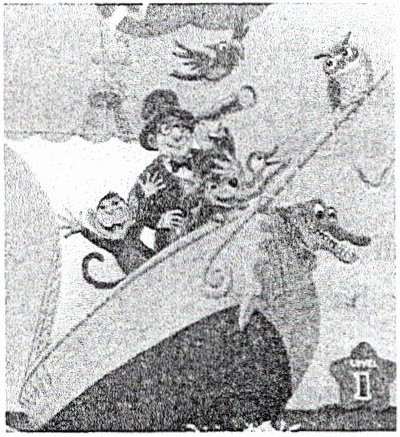
Dr. Dolittle lived in a small town called Puddleby. Everyone in the town knew him. The dog and children ran after him. He lived in a small house, but he had a large garden. He kept many animals in his garden. His favorite animals were Dab-Dab, a duck; Jip, a dog; Gub-Gub, a baby pig and Polynesia, a parrot. He also kept some fish, rabbits, cats, a squirrel, a cow and a baby cow, a horse, chickens and so on.
Dr. Dolittle didn't have many patients (病人). Most people didn't like all of his animals, so when they were ill, they went to a doctor in another town.
"But you don't have any money," his sister told him. "You need patients."
"I have a patient," Dr. Dolittle answered, "The cat's-meat-man. He's the man who sells me meat for the cat."
"He doesn't pay you enough to live on," his sister told him.
"Then I'll sell everything I have," he said.
And he did. He sold most of his furniture (家具). He also sold most of his clothes. Then he had enough money to buy food for himself and his animals.
One day, the cat's-meat-man said to him, "Why don't you stop being a doctor for people and become a doctor for animals instead? I'm sure that you know a lot about animals—more than most vets. You wrote a wonderful book about cats. I'd send all the people with sick dogs or cats to you."
When the cat's-meat-man left, Polynesia, the parrot, flew onto the table. "He's right, Doctor," Polynesia said. "You should become an animal doctor."
"There are a lot of vets," Dr, Dolittle said.
"Perhaps there are a lot of vets. But you'd be the best vet of all. I'm not the only animal that can talk. All the animals can talk. Each kind of animal has its own language. I'll teach you mine if you like."
"Yes, please," Dr. Dolittle said. He opened a drawer and took out a notebook and pencil. "Will you teach me the parrot's ABCs first?" he asked.
Polynesia agreed to teach Dr. Dolittle parrot language. Later that day, Jip came into the room. Polynesia said, "He's talking to you, Doctor."
"I don't think he is," Dr. Dolittle said. "He's just scratching (挠) himself."
"Dogs talk with their ears, their noses, and their tails," Polynesia told him. They don't always make a noise. Do you see how he is moving his nose now?"
"Yes."
"He is telling us that it has stopped raining, and he wants to ask you a question."
Every day, Dr. Dolittle learned the languages of the animals. When people found out he was now an animal doctor, they brought their sick pets to him.
One day, a horse said to him, "You're a much better animal doctor than the vet. You knew I couldn't see well, ▲".
The horse was very pleased. He could see very well. He told all his friends how clever Dr. Dolittle was, and they told all their friends. Soon, many animals came to see him. He had a different door for each animal, and he wrote the name of each kind of animal above each door. HORSES, COWS, ...
Before long, every animal that lived in or near the town became the doctor's patient.
—Adapted from The Story of Dr. Dolittle
() 4. Why did most people go to a doctor in another town when they were ill?
A. Because they didn't like all of Dr. Dolittle's animals.
B. Because the doctor in another town was very famous.
C. Because Dr. Dolittle was busy looking after his animals.
D. Because Dr. Dolittle had no time to care for them well
() 5. Which is the correct order of what happened to Dr. Dolittle in the story?
a. Dr. Dolittle learned the languages of the animals.
b. Dr. Dolittle sold most of his furniture and clothes.
c. Animals in or near the town became Dr. Dolittle's patients.
d. Polynesia flew onto the table and taught Dr. Dolittle parrot language.
A. b-a-d-c B. d-a-c-b C. b-d-a-c D. d-c-b-a
() 6. Which of the following is the most suitable for ▲?
A. but you gave me some medicine. B. and you made glasses for me.
C. and you shared your room with me. D. but you asked me to go back home.
() 7. What can we infer from the passage?
A. Dr. Dolittle had much money at first. B. Dr. Dolittle only talked to his parrot.
C. Dr. Dolittle was very happy in the end. D. Dr. Dolittle was liked by everyone in the town.
Dr. Dolittle lived in a small town called Puddleby. Everyone in the town knew him. The dog and children ran after him. He lived in a small house, but he had a large garden. He kept many animals in his garden. His favorite animals were Dab-Dab, a duck; Jip, a dog; Gub-Gub, a baby pig and Polynesia, a parrot. He also kept some fish, rabbits, cats, a squirrel, a cow and a baby cow, a horse, chickens and so on.
Dr. Dolittle didn't have many patients (病人). Most people didn't like all of his animals, so when they were ill, they went to a doctor in another town.
"But you don't have any money," his sister told him. "You need patients."
"I have a patient," Dr. Dolittle answered, "The cat's-meat-man. He's the man who sells me meat for the cat."
"He doesn't pay you enough to live on," his sister told him.
"Then I'll sell everything I have," he said.
And he did. He sold most of his furniture (家具). He also sold most of his clothes. Then he had enough money to buy food for himself and his animals.
One day, the cat's-meat-man said to him, "Why don't you stop being a doctor for people and become a doctor for animals instead? I'm sure that you know a lot about animals—more than most vets. You wrote a wonderful book about cats. I'd send all the people with sick dogs or cats to you."
When the cat's-meat-man left, Polynesia, the parrot, flew onto the table. "He's right, Doctor," Polynesia said. "You should become an animal doctor."
"There are a lot of vets," Dr, Dolittle said.
"Perhaps there are a lot of vets. But you'd be the best vet of all. I'm not the only animal that can talk. All the animals can talk. Each kind of animal has its own language. I'll teach you mine if you like."
"Yes, please," Dr. Dolittle said. He opened a drawer and took out a notebook and pencil. "Will you teach me the parrot's ABCs first?" he asked.
Polynesia agreed to teach Dr. Dolittle parrot language. Later that day, Jip came into the room. Polynesia said, "He's talking to you, Doctor."
"I don't think he is," Dr. Dolittle said. "He's just scratching (挠) himself."
"Dogs talk with their ears, their noses, and their tails," Polynesia told him. They don't always make a noise. Do you see how he is moving his nose now?"
"Yes."
"He is telling us that it has stopped raining, and he wants to ask you a question."
Every day, Dr. Dolittle learned the languages of the animals. When people found out he was now an animal doctor, they brought their sick pets to him.
One day, a horse said to him, "You're a much better animal doctor than the vet. You knew I couldn't see well, ▲".
The horse was very pleased. He could see very well. He told all his friends how clever Dr. Dolittle was, and they told all their friends. Soon, many animals came to see him. He had a different door for each animal, and he wrote the name of each kind of animal above each door. HORSES, COWS, ...
Before long, every animal that lived in or near the town became the doctor's patient.
—Adapted from The Story of Dr. Dolittle
() 4. Why did most people go to a doctor in another town when they were ill?
A. Because they didn't like all of Dr. Dolittle's animals.
B. Because the doctor in another town was very famous.
C. Because Dr. Dolittle was busy looking after his animals.
D. Because Dr. Dolittle had no time to care for them well
() 5. Which is the correct order of what happened to Dr. Dolittle in the story?
a. Dr. Dolittle learned the languages of the animals.
b. Dr. Dolittle sold most of his furniture and clothes.
c. Animals in or near the town became Dr. Dolittle's patients.
d. Polynesia flew onto the table and taught Dr. Dolittle parrot language.
A. b-a-d-c B. d-a-c-b C. b-d-a-c D. d-c-b-a
() 6. Which of the following is the most suitable for ▲?
A. but you gave me some medicine. B. and you made glasses for me.
C. and you shared your room with me. D. but you asked me to go back home.
() 7. What can we infer from the passage?
A. Dr. Dolittle had much money at first. B. Dr. Dolittle only talked to his parrot.
C. Dr. Dolittle was very happy in the end. D. Dr. Dolittle was liked by everyone in the town.
答案
4.A 5.C 6.B 7.C
解析
【分析】
这是一篇记叙文类阅读理解,解题时我们可以按照不同题型的特点逐个突破:1. 细节题直接回到原文对应段落定位题干相关描述,匹配选项即可;2. 排序题需要顺着故事的发展脉络,逐个标记每个事件在原文出现的先后顺序,排除不符合时间线的选项;3. 补全句子题要结合上下文的逻辑线索,选出最贴合语境的内容;4. 推断题要先排除和原文内容明显矛盾的干扰项,选出符合故事逻辑的合理推论,注意不能选择原文已经直接明确给出的信息。
【解析】
4. 细节定位:原文第二段明确提到"Most people didn't like all of his animals, so when they were ill, they went to a doctor in another town",直接对应A选项,B、C、D的内容原文均无相关表述,因此选A。
5. 事件排序:梳理故事发展顺序:① 首先Dr. Dolittle收入不足,卖掉了大部分家具和衣服(事件b);② 之后猫肉店老板建议他做动物医生,鹦鹉Polynesia飞到桌上提出要教他鹦鹉语言(事件d);③ 之后Dr. Dolittle每天坚持学习各类动物的语言(事件a);④ 最终镇上和周边的所有动物都成了他的病人(事件c),正确顺序为b-d-a-c,对应C选项。
6. 语境补全:后文提到这匹马看完病之后视力恢复得非常好,之前它的问题是看不清东西,最贴合逻辑的治疗方案是给它配眼镜,对应B选项;A选项吃药无法解决视力差的问题,C选项分享房间和治疗眼疾无关,D选项让它回家不符合治好病的语境,因此选B。
7. 推理判断:逐一排除错误选项:A选项原文提到他几乎没有人类病人,还要变卖家具换钱,说明他一开始并没有很多钱,表述错误;B选项Dr. Dolittle学习了所有动物的语言,和各类动物都能交流,不是只和鹦鹉说话,表述错误;D选项一开始镇上的人都不喜欢他的动物,生病都去别的镇看医生,说明并不是所有人都喜欢他,表述错误;C选项Dr. Dolittle热爱动物,最终成功成为了受动物欢迎的兽医,做自己喜欢的事,可推断他最后非常开心,表述正确。因此选C。
【答案】
4.A 5.C 6.B 7.C
【知识点】
阅读理解细节查找,阅读理解逻辑排序,阅读理解推理判断
【点评】
本篇题目改编自经典儿童文学,整体情节易懂,大部分题目都可以通过回文定位找到直接线索,排序题需要学生耐心梳理故事的时间线,补全句子题需要结合前后文的隐含信息推导,推断题重点考察学生排除干扰项、区分原文事实和合理推论的能力。
【难度系数】
0.7
这是一篇记叙文类阅读理解,解题时我们可以按照不同题型的特点逐个突破:1. 细节题直接回到原文对应段落定位题干相关描述,匹配选项即可;2. 排序题需要顺着故事的发展脉络,逐个标记每个事件在原文出现的先后顺序,排除不符合时间线的选项;3. 补全句子题要结合上下文的逻辑线索,选出最贴合语境的内容;4. 推断题要先排除和原文内容明显矛盾的干扰项,选出符合故事逻辑的合理推论,注意不能选择原文已经直接明确给出的信息。
【解析】
4. 细节定位:原文第二段明确提到"Most people didn't like all of his animals, so when they were ill, they went to a doctor in another town",直接对应A选项,B、C、D的内容原文均无相关表述,因此选A。
5. 事件排序:梳理故事发展顺序:① 首先Dr. Dolittle收入不足,卖掉了大部分家具和衣服(事件b);② 之后猫肉店老板建议他做动物医生,鹦鹉Polynesia飞到桌上提出要教他鹦鹉语言(事件d);③ 之后Dr. Dolittle每天坚持学习各类动物的语言(事件a);④ 最终镇上和周边的所有动物都成了他的病人(事件c),正确顺序为b-d-a-c,对应C选项。
6. 语境补全:后文提到这匹马看完病之后视力恢复得非常好,之前它的问题是看不清东西,最贴合逻辑的治疗方案是给它配眼镜,对应B选项;A选项吃药无法解决视力差的问题,C选项分享房间和治疗眼疾无关,D选项让它回家不符合治好病的语境,因此选B。
7. 推理判断:逐一排除错误选项:A选项原文提到他几乎没有人类病人,还要变卖家具换钱,说明他一开始并没有很多钱,表述错误;B选项Dr. Dolittle学习了所有动物的语言,和各类动物都能交流,不是只和鹦鹉说话,表述错误;D选项一开始镇上的人都不喜欢他的动物,生病都去别的镇看医生,说明并不是所有人都喜欢他,表述错误;C选项Dr. Dolittle热爱动物,最终成功成为了受动物欢迎的兽医,做自己喜欢的事,可推断他最后非常开心,表述正确。因此选C。
【答案】
4.A 5.C 6.B 7.C
【知识点】
阅读理解细节查找,阅读理解逻辑排序,阅读理解推理判断
【点评】
本篇题目改编自经典儿童文学,整体情节易懂,大部分题目都可以通过回文定位找到直接线索,排序题需要学生耐心梳理故事的时间线,补全句子题需要结合前后文的隐含信息推导,推断题重点考察学生排除干扰项、区分原文事实和合理推论的能力。
【难度系数】
0.7
