

 登录
二、阅读理解
A
Madison Kohout is a 19-year-old girl from Oklahoma, the US. She has no parents. However, she made one friend online named Lori Parker. Lori treated Madison just like her own daughter. After getting to know Lori throughout the year, Madison decided to move to Arkansas because Lori lived there.
Lori soon found an apartment for Madison and the girl moved in quickly. Madison was happy with her new life. She spent the first week setting up her home and looking for a job.
Madison found that her neighbours were all older than her, but she didn't think too much about it. A week later, however, she saw a sign that read, “Senior Citizens(老年人) Apartments.” Then she came to know that she was living in a retirement(退休) community.
Madison didn't think about moving out. Instead, she has become friends with a lot of her neighbours. They bring her delicious food and share their stories with her. The girl feels at home there.
Madison enjoys her new life in the retirement community very much. It is always quiet and she can be the noisy one. She can listen to any kind of music she wants, because most of her neighbours are half deaf(聋的).
Sometimes, a good thing might develop from a bad thing. Do you think so?
1. At the very beginning, Madison became a friend with Lori ______ .
A. by having a meeting
B. by chatting online
C. by writing letters
D. by sending gifts
2. What does the underlined word “apartment” mean in Paragraph 2?
A. A place to live.
B. A place to work.
C. A place to study.
D. A place to play.
3. Madison doesn't leave the retirement community because .
A. she thinks she can look after her neighbours
B. she thinks she can work with her neighbours
C. she feels she and her neighbours are a big family
D. she feels she can give lessons to her neighbours
4. From the passage, we can infer that Madison .
A. only makes friends with elder people
B. likes listening to soft music very much
C. doesn't visit Lori any more because she has new friends
D. lives a new and happy life in the retirement community
A
Madison Kohout is a 19-year-old girl from Oklahoma, the US. She has no parents. However, she made one friend online named Lori Parker. Lori treated Madison just like her own daughter. After getting to know Lori throughout the year, Madison decided to move to Arkansas because Lori lived there.
Lori soon found an apartment for Madison and the girl moved in quickly. Madison was happy with her new life. She spent the first week setting up her home and looking for a job.
Madison found that her neighbours were all older than her, but she didn't think too much about it. A week later, however, she saw a sign that read, “Senior Citizens(老年人) Apartments.” Then she came to know that she was living in a retirement(退休) community.
Madison didn't think about moving out. Instead, she has become friends with a lot of her neighbours. They bring her delicious food and share their stories with her. The girl feels at home there.
Madison enjoys her new life in the retirement community very much. It is always quiet and she can be the noisy one. She can listen to any kind of music she wants, because most of her neighbours are half deaf(聋的).
Sometimes, a good thing might develop from a bad thing. Do you think so?
1. At the very beginning, Madison became a friend with Lori ______ .
A. by having a meeting
B. by chatting online
C. by writing letters
D. by sending gifts
2. What does the underlined word “apartment” mean in Paragraph 2?
A. A place to live.
B. A place to work.
C. A place to study.
D. A place to play.
3. Madison doesn't leave the retirement community because .
A. she thinks she can look after her neighbours
B. she thinks she can work with her neighbours
C. she feels she and her neighbours are a big family
D. she feels she can give lessons to her neighbours
4. From the passage, we can infer that Madison .
A. only makes friends with elder people
B. likes listening to soft music very much
C. doesn't visit Lori any more because she has new friends
D. lives a new and happy life in the retirement community
答案
【文章大意】本文是一篇记叙文,讲述了 19 岁的女孩 Madison 是一个没有父母的孩子,后来她在网上认识了 Lori,并搬到了 Lori 居住的城市,在那里 Lori 为她找了一套老年公寓,Madison 在那里住得很开心。
1. B 细节理解题。根据“However,she made one friend online named Lori Parker.”可知,在最开始的时候,Madison 和 Lori 是通过网上聊天成了朋友.故选 B。
2. A 词义猜测题。根据“the girl moved in quickly. Madison was happy with her new life. She spent the first week setting up her home”可知,Madison 很快就搬进来了,她对她的新生活很满意。她用了第一个星期来布置她的家,所以“apartment”指的是“居住的地方”,故选 A。
3. C 细节理解题。根据“Madison didn't think about moving out. Instead,she has become friends with a lot of her neighbours. They bring her delicious food and share their stories with her. The girl feels at home there.”可知,Madison 没有离开老年公寓是因为她觉得她和她的邻居们是一个大家庭,故选 C。
4. D 推理判断题。根据“Madison enjoys her new life in the retirement community very much.”可知,Madison 在老年社区过着新的幸福生活,故选 D。
解析
【分析】
做本题时,先通读全文把握主旨(本文讲述19岁女孩Madison在退休社区的新生活),再逐题定位原文信息:第1题是细节题,需找Madison和Lori成为朋友的方式;第2题是词义猜测题,结合上下文判断单词含义;第3题是细节题,找Madison不搬走的原因;第4题是推理题,根据原文推断Madison的生活状态。
【解析】
1. 细节理解题:根据第一段关键句“However, she made one friend online named Lori Parker.”可知,Madison和Lori是通过网上成为朋友,对应选项B。
2. 词义猜测题:第二段提到“the girl moved in quickly”“setting up her home”,说明Madison搬进去布置家,因此“apartment”指居住的地方,对应选项A。
3. 细节理解题:根据第四段关键句“Madison didn't think about moving out... The girl feels at home there.”可知,Madison把邻居当作家人,所以不搬走,对应选项C。
4. 推理判断题:根据第五段关键句“Madison enjoys her new life in the retirement community very much.”可推断,Madison在退休社区过着幸福的新生活,对应选项D。
【答案】
1.B 2.A 3.C 4.D
【知识点】
细节理解题;词义猜测题;推理判断题
【点评】
本文为社区主题的记叙文,题目设置以基础的细节查找和简单推理为主,考查学生快速定位原文信息的能力,整体难度适中,能帮助学生巩固阅读理解的基本解题思路。
【难度系数】
0.7
B

Do you think backpacks are important for students? You may say yes. With backpacks, we carry books, water bottles, pencil boxes and other school things. But a growing number of schools in America are banning(禁止) backpacks in class now. Here are some reasons.
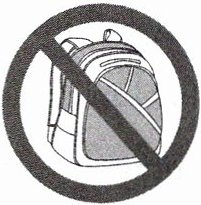
Students may bring something unnecessary(不必要的) or dangerous to school. They may put phones into their backpacks. They may carry snacks. And some of them may bring something dangerous like knives(刀). To solve these problems, some schools make a rule—No backpacks in classrooms.
Students' backpacks take up much space in the classroom. Because of them, the hallways are always crowded(拥挤的). Without backpacks, the classroom will be less crowded and much tidier.
▲ Backpacks = Bad Backs! Some backpacks are big and huge. If a student carries a heavy backpack, he or she may have problems in the neck, back and shoulders. A large number of schools ban the use of backpacks to help students keep healthy.
With the rule, students no longer carry backpacks during school hours. They need to keep them in lockers(储物柜). Do students like such a rule?
Some of them think the rule is good. They are glad to put their backpacks into the lockers before walking into the classroom. But some of them don't like it. “I'd like to keep my backpack because my locker isn't close to my classrooms,” said Kemezis. “Without a backpack, it's hard for me to take so many things with my hands, including textbooks, a water bottle, a pencil bag, and more,” Amelia said. “I keep losing things, like my cards,” Nikitha said.
1. How does the writer start the passage?
A. By telling a story.
B. By asking a question.
C. By giving a suggestion.
D. By showing an example.
2. Which sentence can be put in “ ▲ ” in Paragraph 4?
A. Using backpacks makes life easier.
B. Backpacks make the classrooms crowded.
C. Heavy backpacks are not good for students.
D. Without backpacks, students take fewer things to school.
3. Why does Nikitha dislike the No-backpack rule?
A. Without a backpack she keeps losing things.
B. Her locker is not close to the classroom.
C. She wants to put a water bottle in the backpack.
D. It's hard to take many things with her hands.
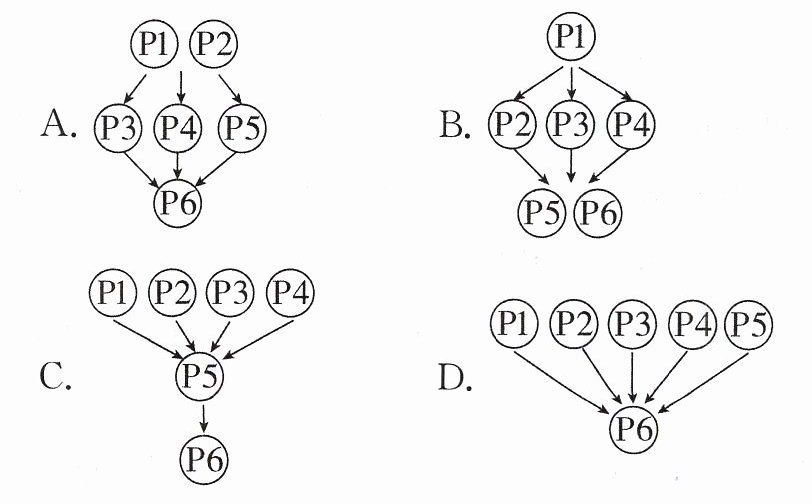
4. Which of the following best shows the structure of the passage? (P1 = Paragraph 1, P2 = Paragraph 2...)
Do you think backpacks are important for students? You may say yes. With backpacks, we carry books, water bottles, pencil boxes and other school things. But a growing number of schools in America are banning(禁止) backpacks in class now. Here are some reasons.
Students may bring something unnecessary(不必要的) or dangerous to school. They may put phones into their backpacks. They may carry snacks. And some of them may bring something dangerous like knives(刀). To solve these problems, some schools make a rule—No backpacks in classrooms.
Students' backpacks take up much space in the classroom. Because of them, the hallways are always crowded(拥挤的). Without backpacks, the classroom will be less crowded and much tidier.
▲ Backpacks = Bad Backs! Some backpacks are big and huge. If a student carries a heavy backpack, he or she may have problems in the neck, back and shoulders. A large number of schools ban the use of backpacks to help students keep healthy.
With the rule, students no longer carry backpacks during school hours. They need to keep them in lockers(储物柜). Do students like such a rule?
Some of them think the rule is good. They are glad to put their backpacks into the lockers before walking into the classroom. But some of them don't like it. “I'd like to keep my backpack because my locker isn't close to my classrooms,” said Kemezis. “Without a backpack, it's hard for me to take so many things with my hands, including textbooks, a water bottle, a pencil bag, and more,” Amelia said. “I keep losing things, like my cards,” Nikitha said.
1. How does the writer start the passage?
A. By telling a story.
B. By asking a question.
C. By giving a suggestion.
D. By showing an example.
2. Which sentence can be put in “ ▲ ” in Paragraph 4?
A. Using backpacks makes life easier.
B. Backpacks make the classrooms crowded.
C. Heavy backpacks are not good for students.
D. Without backpacks, students take fewer things to school.
3. Why does Nikitha dislike the No-backpack rule?
A. Without a backpack she keeps losing things.
B. Her locker is not close to the classroom.
C. She wants to put a water bottle in the backpack.
D. It's hard to take many things with her hands.
4. Which of the following best shows the structure of the passage? (P1 = Paragraph 1, P2 = Paragraph 2...)
答案
【文章大意】本文是一篇议论文,主要讨论了美国部分学校禁止学生在班级使用背包的原因,包括学生可能携带不必要或危险物品、背包占用空间导致教室拥挤以及重背包对学生健康的影响,同时也提到了学生对这一规定的不同看法。
1. B 细节理解题。根据文章第一段中的“Do you think backpacks are important for students?”可知,作者通过提问“你认为背包对学生重要吗?”来开启文章。故选 B。
2. C 补全文章题。根据文章第四段“Backpacks = Bad Backs!... If a student carries a heavy backpack,he or she may have problems in the neck,back and shoulders.”可知,本段主要讲述重的背包对学生健康的不良影响,因此“Heavy backpacks are not good for students.”适合填入空白处。故选 C。
3. A 细节理解题。根据文章最后一段中的“‘I keep losing things,like my cards,’ Nikitha said.”可知,Nikitha 不喜欢禁止背包的规定是因为没有背包她会不断丢失东西。故选 A。
4. B 篇章结构题。文章第一段提出问题,引出话题;第二至四段分别阐述了禁止背包的原因;第五至六段介绍了学生对这一规定的不同看法。因此,文章结构为 B 选项所示。故选 B。
解析
【分析】
这是一篇关于美国部分学校禁止学生在教室使用背包的英语阅读理解题,包含4道不同类型的题目。解题思路如下:1. 第1题是细节理解题,需定位文章开头的方式,找到第一段首句的提问即可判断;2. 第2题是补全段落题,要结合第四段的主题,该段围绕重背包对学生健康的危害展开,匹配对应选项;3. 第3题是细节理解题,需定位Nikitha的发言内容,明确她不喜欢规定的原因;4. 第4题是篇章结构题,需梳理各段落的作用,划分文章整体结构。
【解析】
1. 细节理解题:根据文章第一段第一句“Do you think backpacks are important for students?”可知,作者通过提问的方式开启文章,对应选项B。
2. 补全文章题:第四段主题为“Backpacks = Bad Backs!”,内容围绕重背包会导致学生颈、背、肩出现健康问题,说明重背包对学生有害,选项C符合该段主旨,故选C。
3. 细节理解题:根据文章最后一段Nikitha的话“I keep losing things, like my cards”可知,她不喜欢禁止背包的规定是因为没有背包会丢失物品,对应选项A。
4. 篇章结构题:文章第一段引出美国学校禁背包的话题;第二至四段分别阐述禁背包的三个原因;第五至六段介绍学生对该规定的不同看法,结构对应选项B。
【答案】
1.B 2.C 3.A 4.B
【知识点】
英语阅读理解、细节理解题、篇章结构题
【点评】
本题是一篇关于校园规定的英语阅读理解,涵盖细节理解、补全段落、篇章结构等常见阅读题型,考查学生快速定位信息、把握段落主旨和梳理文章结构的能力,贴近初中英语阅读的考察重点。
【难度系数】
0.6
