

 登录
登录
阅读量: 146词 难度: ★★★★☆ 建议用时: 8分钟 正确率: /5 读解改
China explored the moon many times. By sending spaceships named "Chang'e", we know many things about the moon! Let's see their fantastic adventures.
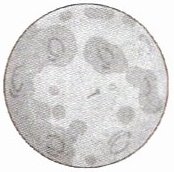
In 2004, China established its lunar exploration program(探月工程), and the program was named "Project Chang'e". It was named after a goddess from a Chinese myth. She flew to the moon.
China launched(发射) Chang'e-1, its first lunar probe(探测器), in 2007. This made China the fifth country to launch its own lunar probe.
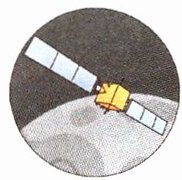
In 2019, Chang'e-4 made a soft landing on the far side of the moon. It was the first time in human history.
Chang'e-5 went to the moon in 2020 and brought back around 1,731 grams of moon samples.
In 2024, Chang'e-6 made new history. It returned to Earth with samples from the far side of the moon. Scientists call this a "golden opportunity(机会)" for research.
思维新题
任务一:根据文章内容,选择正确答案。
(
A. China's history of studying the moon.
B. The story of the goddess Chang'e.
C. Countries studying the moon together.
(
A. two
B. three
C. four
(
A. 2007
B. 2019
C. 2020
(
A. 回报
B. 归还
C. 回到
任务二:根据文章内容,回答问题。
5. How did China visit the moon?
China explored the moon many times. By sending spaceships named "Chang'e", we know many things about the moon! Let's see their fantastic adventures.
In 2004, China established its lunar exploration program(探月工程), and the program was named "Project Chang'e". It was named after a goddess from a Chinese myth. She flew to the moon.
China launched(发射) Chang'e-1, its first lunar probe(探测器), in 2007. This made China the fifth country to launch its own lunar probe.
In 2019, Chang'e-4 made a soft landing on the far side of the moon. It was the first time in human history.
Chang'e-5 went to the moon in 2020 and brought back around 1,731 grams of moon samples.
In 2024, Chang'e-6 made new history. It returned to Earth with samples from the far side of the moon. Scientists call this a "golden opportunity(机会)" for research.
思维新题
任务一:根据文章内容,选择正确答案。
(
A
)1. What is this passage mainly about? 考点 主旨大意A. China's history of studying the moon.
B. The story of the goddess Chang'e.
C. Countries studying the moon together.
(
B
)2. China launched Chang'e-1 3
years after starting Project Chang'e.A. two
B. three
C. four
(
B
)3. China landed on the moon's far side in 2019
.A. 2007
B. 2019
C. 2020
(
C
)4. What does the underlined phrase "returned to" mean in Chinese? 考点 词义猜测A. 回报
B. 归还
C. 回到
任务二:根据文章内容,回答问题。
5. How did China visit the moon?
By sending spaceships named "Chang'e".
答案
任务一:
1. A 【主旨大意】通读全文可知,文章主要介绍了中国探月工程"嫦娥工程"的发展历程和主要成就。
2. B 【细节理解】由文章中的"In 2004,China established its lunar exploration program..."和"China launched Chang'e-1...in 2007."可知,2004年,中国确立了探月工程,2007年,中国发射了第一颗月球探测器嫦娥一号,时隔三年。
3. B 【细节理解】由文章中的"In 2019,Chang'e-4 made a soft landing on the farside of the moon."可知,2019年,嫦娥四号在月球背面实现了软着陆。
4. C 【词义猜测】由文章中的"It returned to Earth with samples..."并结合选项可推知,嫦娥六号带着来自月球背面的样本"回到"地球。returned to 意为"回到"。
任务二:
5. By sending spaceships named "Chang'e".【细节理解】由文章中的"By sending spaceships named 'Chang'e', we know many things about the moon!"可知,通过发射名为"嫦娥"的航天器,我们对月球有了很多了解,中国通过此方式探索月球。
1. A 【主旨大意】通读全文可知,文章主要介绍了中国探月工程"嫦娥工程"的发展历程和主要成就。
2. B 【细节理解】由文章中的"In 2004,China established its lunar exploration program..."和"China launched Chang'e-1...in 2007."可知,2004年,中国确立了探月工程,2007年,中国发射了第一颗月球探测器嫦娥一号,时隔三年。
3. B 【细节理解】由文章中的"In 2019,Chang'e-4 made a soft landing on the farside of the moon."可知,2019年,嫦娥四号在月球背面实现了软着陆。
4. C 【词义猜测】由文章中的"It returned to Earth with samples..."并结合选项可推知,嫦娥六号带着来自月球背面的样本"回到"地球。returned to 意为"回到"。
任务二:
5. By sending spaceships named "Chang'e".【细节理解】由文章中的"By sending spaceships named 'Chang'e', we know many things about the moon!"可知,通过发射名为"嫦娥"的航天器,我们对月球有了很多了解,中国通过此方式探索月球。
解析
【分析】
解题时先通读全文把握核心内容,再按题型逐一处理:1题为主旨大意题,需梳理全文围绕中国探月工程的内容,排除无关选项;2、3题为细节理解题,需定位原文对应时间信息计算或匹配;4题为词义猜测题,结合语境判断短语含义;5题为信息提取题,直接定位原文关于探月方式的表述作答。
【解析】
1. 主旨大意题:通读全文可知,文章核心介绍中国探月工程(嫦娥工程)的发展历程与成就,A选项符合;B选项仅为工程命名来源,非主旨;C选项未提及多国,排除,故选A。
2. 细节理解题:原文明确2004年启动探月工程,2007年发射嫦娥一号,2007-2004=3,故选B。
3. 细节理解题:原文指出2019年嫦娥四号在月球背面实现软着陆,故选B。
4. 词义猜测题:“returned to”后接“Earth”,结合语境“带着样本回到地球”,意为“回到”,故选C。
5. 信息提取题:原文“By sending spaceships named 'Chang'e'”明确说明中国探月的方式,直接提取作答。
【答案】
任务一:1.A 2.B 3.B 4.C;任务二:5.By sending spaceships named "Chang'e"
【知识点】
英语阅读理解(主旨大意)、英语阅读理解(细节理解)、英语词义猜测
【点评】
本题围绕中国探月工程展开,题型涵盖主旨大意、细节理解、词义猜测和信息问答,侧重考查学生的文本信息定位与提取能力,难度适中,贴近学生对科技话题的认知,有助于提升英语阅读应用能力。
【难度系数】
0.7
解题时先通读全文把握核心内容,再按题型逐一处理:1题为主旨大意题,需梳理全文围绕中国探月工程的内容,排除无关选项;2、3题为细节理解题,需定位原文对应时间信息计算或匹配;4题为词义猜测题,结合语境判断短语含义;5题为信息提取题,直接定位原文关于探月方式的表述作答。
【解析】
1. 主旨大意题:通读全文可知,文章核心介绍中国探月工程(嫦娥工程)的发展历程与成就,A选项符合;B选项仅为工程命名来源,非主旨;C选项未提及多国,排除,故选A。
2. 细节理解题:原文明确2004年启动探月工程,2007年发射嫦娥一号,2007-2004=3,故选B。
3. 细节理解题:原文指出2019年嫦娥四号在月球背面实现软着陆,故选B。
4. 词义猜测题:“returned to”后接“Earth”,结合语境“带着样本回到地球”,意为“回到”,故选C。
5. 信息提取题:原文“By sending spaceships named 'Chang'e'”明确说明中国探月的方式,直接提取作答。
【答案】
任务一:1.A 2.B 3.B 4.C;任务二:5.By sending spaceships named "Chang'e"
【知识点】
英语阅读理解(主旨大意)、英语阅读理解(细节理解)、英语词义猜测
【点评】
本题围绕中国探月工程展开,题型涵盖主旨大意、细节理解、词义猜测和信息问答,侧重考查学生的文本信息定位与提取能力,难度适中,贴近学生对科技话题的认知,有助于提升英语阅读应用能力。
【难度系数】
0.7
