

 登录
二、阅读理解
A(2025·南京建邺期中)
It is a good idea to give school trips to students. Students sometimes need to learn outside. Studying and learning are not just reading books!
Some school trips make students see more about nature. The students visit many places such as zoos, mountains, forests, farms and so on. The teachers want the students to know about nature, to learn to love it and care about it.
Some school trips are for students to learn about their cities. For example, they take students to some places of interest. Other school trips can help students know more about some different jobs. They take students to visit a police station or a fire station. These kinds of school trips help students learn about jobs, and help them to be thankful to the people who work for their city.
Students usually love school trips. They can go out of the classroom and enjoy themselves. The teachers know that students can learn a lot when they relax and have fun. In a word, school trips can please both teachers and students!
1. According to the passage, students can learn
①how to love nature ②to read books ③about interesting places in their cities
④how to climb mountains ⑤to know more about jobs
A. ①②③ B. ①③⑤ C. ①②⑤ D. ②③④
2. The underlined word "please" in the passage means
A. make somebody happy B. make somebody tired
C. make somebody surprised D. make somebody sad
3. What's the best title for the passage?
A. School trips and useful tips B. How to plan a fun school trip
C. Learning outside the classroom D. Activities better than reading books
A(2025·南京建邺期中)
It is a good idea to give school trips to students. Students sometimes need to learn outside. Studying and learning are not just reading books!
Some school trips make students see more about nature. The students visit many places such as zoos, mountains, forests, farms and so on. The teachers want the students to know about nature, to learn to love it and care about it.
Some school trips are for students to learn about their cities. For example, they take students to some places of interest. Other school trips can help students know more about some different jobs. They take students to visit a police station or a fire station. These kinds of school trips help students learn about jobs, and help them to be thankful to the people who work for their city.
Students usually love school trips. They can go out of the classroom and enjoy themselves. The teachers know that students can learn a lot when they relax and have fun. In a word, school trips can please both teachers and students!
1. According to the passage, students can learn
B
from school trips.①how to love nature ②to read books ③about interesting places in their cities
④how to climb mountains ⑤to know more about jobs
A. ①②③ B. ①③⑤ C. ①②⑤ D. ②③④
2. The underlined word "please" in the passage means
A
.A. make somebody happy B. make somebody tired
C. make somebody surprised D. make somebody sad
3. What's the best title for the passage?
A. School trips and useful tips B. How to plan a fun school trip
C. Learning outside the classroom D. Activities better than reading books
答案
【语篇导读】本文讲述了学校旅行的多重意义:引导学生亲近自然、了解城市风貌、认识不同职业,实现寓教于乐。师生双方均对学校旅行感到满意。
1. B 提示:细节理解题。根据第二段最后一句“The teachers want the students to know about nature, to learn to love it and care about it.”可知,从学校旅行中学生能学会热爱自然,①正确;根据第三段第一句“Some school trips are for students to learn about their cities.”可知,学校旅行可以让学生了解城市,③正确;根据第三段最后一句中“These kinds of school trips help students learn about jobs”可知,学校旅行可以让学生了解不同职业,⑤正确。
2. A 提示:词义猜测题。根据最后一段第一至三句“Students usually love school trips. They can go out of the classroom and enjoy themselves. The teachers know that students can learn a lot when they relax and have fun.”可知,学生们通常都很喜欢学校旅行,他们可以走出教室,玩得很开心;老师们知道学生们在放松娱乐的过程中能够学到很多东西。由此可见,学校旅行能让老师和学生都满意,所以画线词please意为“使……感到高兴、满意”。
3. C 提示:标题归纳题。通读全文可知,文章围绕学校旅行的意义展开,指出其通过课堂之外的学习引导学生亲近自然、了解城市风貌、认识不同职业,最终实现寓教于乐。因此,C项“课堂之外的学习”最适合作文章标题。
长难句分析
The teachers know that students can learn a lot when they relax and have fun.
译文:老师们明白,当学生们放松身心、享受乐趣时,他们能学到很多东西。
分析:本句是主从复合句。
主句:The teachers know。
宾语从句:students can learn a lot when they relax and have fun。该从句包含一个when引导的时间状语从句when they relax and have fun。
解析
【分析】
这是一篇英语阅读理解题,包含3道小题,分别考查细节理解、词义猜测和标题归纳。解题思路为:1. 通读全文把握文章主旨(学校旅行的多重教育意义);2. 针对第1题,回到原文定位各选项对应的信息,筛选学生能从学校旅行学到的内容;3. 针对第2题,结合上下文语境推断画线词含义;4. 针对第3题,梳理文章核心内容,概括最贴合的标题。
【解析】
1. 细节理解题:根据第二段最后一句“The teachers want the students to know about nature, to learn to love it and care about it.”可知学生能学会热爱自然(①正确);根据第三段第一句“Some school trips are for students to learn about their cities.”可知学生能了解城市里的有趣地方(③正确);根据第三段最后一句“These kinds of school trips help students learn about jobs”可知学生能了解更多职业(⑤正确),故①③⑤对应选项B,选B。
2. 词义猜测题:根据最后一段“Students usually love school trips. They can go out of the classroom and enjoy themselves. The teachers know that students can learn a lot when they relax and have fun.”可知学校旅行让学生开心、老师满意,故画线词“please”意为“使某人高兴”,选A。
3. 标题归纳题:全文围绕学校旅行展开,指出其是课堂之外的学习方式,能让学生在放松中学习,核心是课堂外的学习,故最佳标题为C选项“Learning outside the classroom”,选C。
【答案】
1.B 2.A 3.C
【知识点】
英语阅读理解、细节理解、词义猜测
【点评】
本题为初中英语常见阅读理解题型,涵盖细节理解、词义猜测、标题归纳三类考点,考查学生信息定位、语境推断和主旨概括能力,文章内容贴近学生生活,易于理解,难度适中。
【难度系数】
0.6
B(2025·河南中考)
“Stephen!” shouted Billy from the back of the class. “What’s 160 divided by 7?”
“22. 85714,” replied Stephen without looking up.
“Good job!” said Billy, copying the number down in his notebook.
“Stephen! When is Thomas’s birthday?” asked Mary.
“It’s February 16,” said Stephen, “and he was born on a Tuesday.”
“Wow!” said Thomas. “How did you know that?”
“You told me,” said Stephen, “on November 5 last year, at 3:05 p. m. It was nine months, three days, four hours and sixteen minutes ago...”
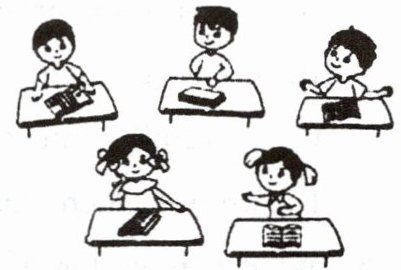
Carol cut in, “You did the calculation(计算) all in your head?”
“Yes, of course,” said Stephen. “How else would I have done it?”
Carol couldn’t believe her ears and almost fell off her chair.
“Wow!” said Thomas. “We have a real genius(天才) here. Right here, in our class!” He looked at Stephen and gave him a big smile.
Stephen turned bright red, like a tomato. “I am not a genius,” he said quietly. “I’m just Stephen.”
“But you’re so good at Maths and remembering things, surely you must be a genius,” said Thomas kindly.
“I can prove(证明) I’m not,” said Stephen.
He got up and started to collect things from his classmates: a painting, a geography notebook, a history notebook and an English notebook. Then he went to the front of the class.
“Tell me what you see,” Stephen said, holding up Carol’s painting.
“A really good picture!” shouted out Thomas.
Next Stephen picked out Thomas’s geography notebook. “Listen up,” he said. “Test 1, A⁺. Test 2, A⁺. Test 3, A⁺.”
“Good job!” Mary shouted.
“Now you, Mary,” said Stephen. “History project last term—teacher’s words: an excellent piece of work. History project last year—teacher’s words: excellent, good job, Mary.”
Stephen continued, “Now I’m going to read you a poem.” It was from Billy’s English notebook.
“What a beautiful poem!” said Carol.
“And what a nice way to prove you’re not a genius,” said Thomas. “You just showed us that ▲, didn’t you?”
“I hope so,” said Stephen, and he went back to his desk without another word.
1. How was Stephen’s special ability shown at the beginning of the story?
A. He found his classmates’ mistakes.
B. He accepted his classmates’ advice.
C. He compared his classmates’ ideas.
D. He answered his classmates’ questions.
2. How might Carol be feeling when she almost fell off the chair?
A. Surprised.
B. Relaxed.
C. Worried.
D. Bored.
3. Which subject was Mary good at?
A. Art.
B. English.
C. History.
D. Geography.
4. Which of the following can be put in “ ▲ ”?
A. it’s very important to learn Maths well
B. it’s no use being a genius at all
C. we’re all geniuses in our special ways
D. we are much smarter than you
5. What can we learn about Stephen?
A. He was smart but not proud.
B. He was good at telling stories.
C. He was hard to get along with.
D. He was used to copying others.
“Stephen!” shouted Billy from the back of the class. “What’s 160 divided by 7?”
“22. 85714,” replied Stephen without looking up.
“Good job!” said Billy, copying the number down in his notebook.
“Stephen! When is Thomas’s birthday?” asked Mary.
“It’s February 16,” said Stephen, “and he was born on a Tuesday.”
“Wow!” said Thomas. “How did you know that?”
“You told me,” said Stephen, “on November 5 last year, at 3:05 p. m. It was nine months, three days, four hours and sixteen minutes ago...”
Carol cut in, “You did the calculation(计算) all in your head?”
“Yes, of course,” said Stephen. “How else would I have done it?”
Carol couldn’t believe her ears and almost fell off her chair.
“Wow!” said Thomas. “We have a real genius(天才) here. Right here, in our class!” He looked at Stephen and gave him a big smile.
Stephen turned bright red, like a tomato. “I am not a genius,” he said quietly. “I’m just Stephen.”
“But you’re so good at Maths and remembering things, surely you must be a genius,” said Thomas kindly.
“I can prove(证明) I’m not,” said Stephen.
He got up and started to collect things from his classmates: a painting, a geography notebook, a history notebook and an English notebook. Then he went to the front of the class.
“Tell me what you see,” Stephen said, holding up Carol’s painting.
“A really good picture!” shouted out Thomas.
Next Stephen picked out Thomas’s geography notebook. “Listen up,” he said. “Test 1, A⁺. Test 2, A⁺. Test 3, A⁺.”
“Good job!” Mary shouted.
“Now you, Mary,” said Stephen. “History project last term—teacher’s words: an excellent piece of work. History project last year—teacher’s words: excellent, good job, Mary.”
Stephen continued, “Now I’m going to read you a poem.” It was from Billy’s English notebook.
“What a beautiful poem!” said Carol.
“And what a nice way to prove you’re not a genius,” said Thomas. “You just showed us that ▲, didn’t you?”
“I hope so,” said Stephen, and he went back to his desk without another word.
1. How was Stephen’s special ability shown at the beginning of the story?
A. He found his classmates’ mistakes.
B. He accepted his classmates’ advice.
C. He compared his classmates’ ideas.
D. He answered his classmates’ questions.
2. How might Carol be feeling when she almost fell off the chair?
A. Surprised.
B. Relaxed.
C. Worried.
D. Bored.
3. Which subject was Mary good at?
A. Art.
B. English.
C. History.
D. Geography.
4. Which of the following can be put in “ ▲ ”?
A. it’s very important to learn Maths well
B. it’s no use being a genius at all
C. we’re all geniuses in our special ways
D. we are much smarter than you
5. What can we learn about Stephen?
A. He was smart but not proud.
B. He was good at telling stories.
C. He was hard to get along with.
D. He was used to copying others.
答案
【语篇导读】斯蒂芬拥有惊人的计算能力与记忆力,能快速回答同学们提出的问题。当同学们称赞他是天才时,斯蒂芬通过展示每个同学擅长的事情巧妙地证明了:每个人都有自己的特长。
1. D 提示:细节理解题。根据第一段中“What's 160 divided by 7?”,第二段“‘22. 85714,’ replied Stephen without looking up.”,第四段中“Stephen! When is Thomas's birthday?”以及第五段“‘It's February 16,’ said Stephen, ‘and he was born on a Tuesday.’”可知,斯蒂芬通过回答同学们的问题,展现了其特殊能力。
2. A 提示:推理判断题。根据第八段“Carol cut in, ‘You did the calculation all in your head?’”和第十段“Carol couldn't believe her ears and almost fell off her chair.”可知,当卡罗尔听到斯蒂芬说这些都是他用大脑计算的之后,她简直不敢相信自己的耳朵,差点从椅子上摔下来。由此推知,她感到很惊讶。
3. C 提示:细节理解题。根据倒数第五段中“History project last term—teacher's words: an excellent piece of work. History project last year—teacher's words: excellent, good job, Mary.”可知,玛丽获得了历史老师的高度评价,由此可见,她擅长的科目是历史。
4. C 提示:推理判断题。根据文章第十五到二十二段的内容可知,斯蒂芬依次展示同学们在不同方面的优秀表现(卡罗尔的绘画、托马斯的地理、玛丽的历史、比利的诗歌),证明每个人都有自己的长处,所以选项C“我们在各自特殊的领域都是天才”最适合填入空处。
5. A 提示:推理判断题。根据斯蒂芬能够快速准确地回答同学们提出的问题,可以看出他具有超常的计算能力和记忆力,这说明他很聪明;然而当同学们称赞他是天才时,他红着脸否认自己是天才,并主动展示其他同学的优点,由此可推知,他为人谦虚。
解析
【分析】
这是一篇英语记叙文阅读理解题,共5道小题,包含细节理解题和推理判断题。解题思路为:针对细节理解题,需定位原文对应段落,查找题目关键词相关的信息;针对推理判断题,需结合上下文语境,分析人物的行为、语言背后的情感或文章的深层含义,从而选出正确答案。
【解析】
1. 第1题(细节理解题):根据原文第一段至第五段,Billy问“160除以7是多少”,Mary问“Thomas的生日是什么时候”,Stephen都快速准确地回答了这些问题,展现了他的特殊能力,故选D。
2. 第2题(推理判断题):根据原文第八段Carol说“You did the calculation all in your head?”和第十段“Carol couldn't believe her ears and almost fell off her chair.”可知,Carol听到Stephen说这些都是他用大脑计算的后,简直不敢相信,差点从椅子上摔下来,由此推知她感到很惊讶,故选A。
3. 第3题(细节理解题):根据原文倒数第五段“History project last term—teacher's words: an excellent piece of work. History project last year—teacher's words: excellent, good job, Mary.”可知,Mary的历史项目获得老师的高度评价,说明她擅长历史,故选C。
4. 第4题(推理判断题):根据原文第十五至二十二段,Stephen依次展示了Carol的绘画、Thomas的地理成绩、Mary的历史项目、Billy的诗歌,证明每个人都有自己的特长,因此“我们在各自特殊的领域都是天才”最适合填入空格,故选C。
5. 第5题(推理判断题):Stephen能快速准确回答同学们的问题,说明他很聪明;当同学们称赞他是天才时,他红着脸否认,还主动展示其他同学的优点,说明他为人谦虚,故选A。
【答案】
1.D 2.A 3.C 4.C 5.A
【知识点】
英语阅读理解、细节理解题、推理判断题
【点评】
本文通过讲述Stephen用惊人的计算和记忆能力回答同学问题,后又展示同学各自特长证明自己不是天才的故事,传达了每个人都有独特之处的道理。题目类型涵盖细节理解和推理判断,需要学生精准定位原文信息并结合语境分析,难度适中。
【难度系数】
0.7
