

 登录
二、阅读理解
A(2026·南京期末)
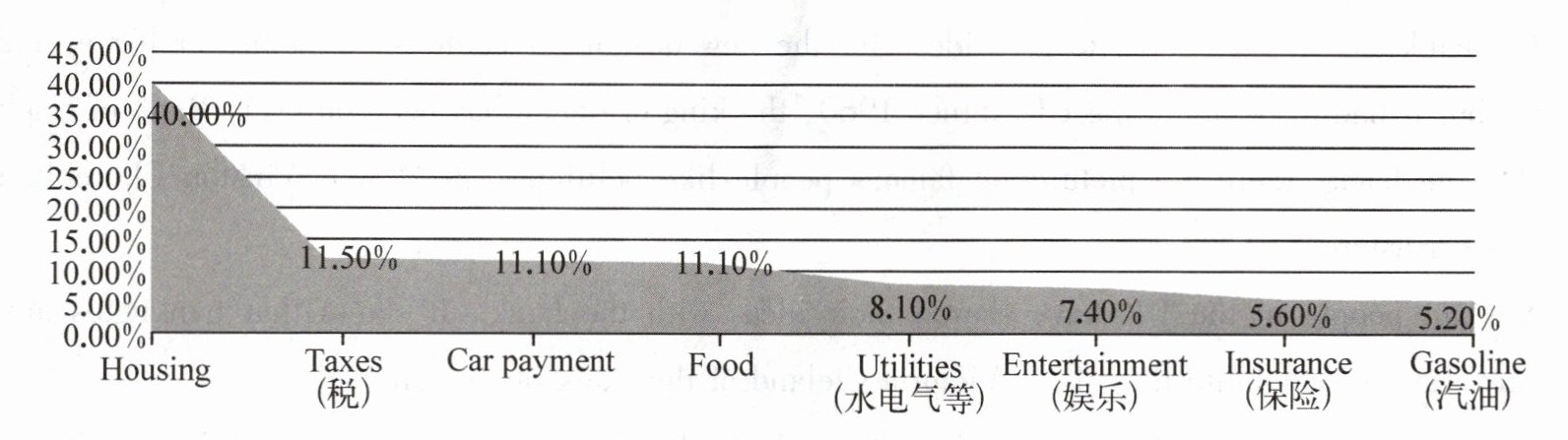
■ Peter's monthly spending
■ Mary's monthly spending
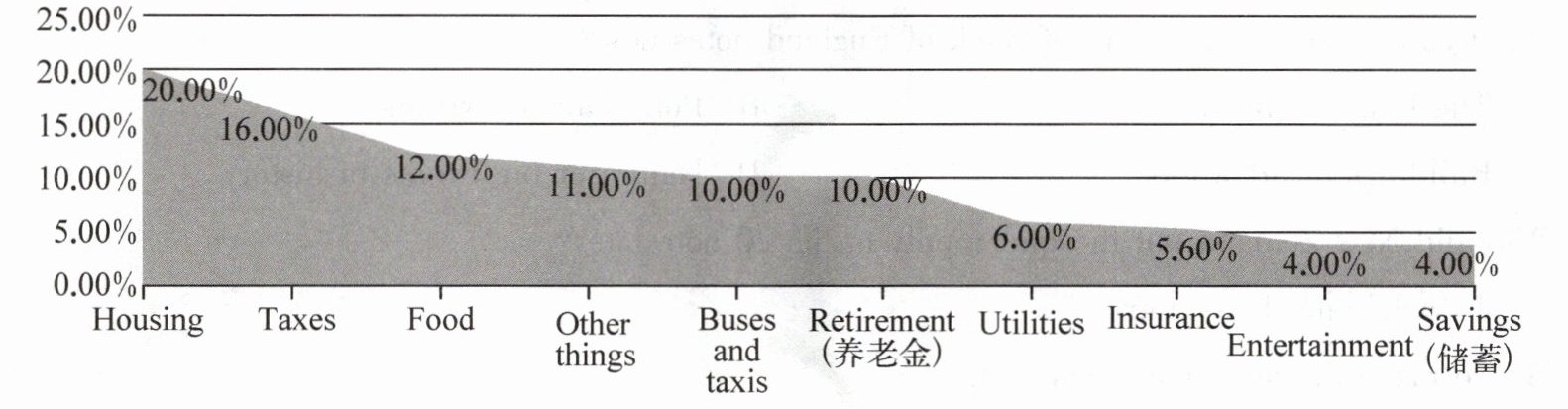
1. Which item makes up the same percentage(百分比) for Peter and Mary?
A. Savings.
B. Food.
C. Entertainment.
D. Insurance.
2. Which of the following statements is TRUE?
A. Mary has her own car while Peter doesn't.
B. Peter never saves any money every month.
C. Mary spends less money on food than Peter.
D. They spend over 12% of their money on taxes.
3. In which part of a magazine can we find the reading?
A. School Time.
B. Amazing World.
C. Daily Life.
D. Outdoor Fun.
A(2026·南京期末)
■ Peter's monthly spending
■ Mary's monthly spending
1. Which item makes up the same percentage(百分比) for Peter and Mary?
A. Savings.
B. Food.
C. Entertainment.
D. Insurance.
2. Which of the following statements is TRUE?
A. Mary has her own car while Peter doesn't.
B. Peter never saves any money every month.
C. Mary spends less money on food than Peter.
D. They spend over 12% of their money on taxes.
3. In which part of a magazine can we find the reading?
A. School Time.
B. Amazing World.
C. Daily Life.
D. Outdoor Fun.
答案
【语篇导读】本文主要介绍了彼得和玛丽每月的支出。
1. D 提示:细节理解题。根据图表内容可知,彼得和玛丽在保险上花的钱占比是一样的。
2. B 提示:细节理解题。选项A:玛丽有自己的车,而彼得没有;选项B:彼得每月从不存钱;选项C:玛丽花在食物上的钱比彼得少;选项D:他们把超过12%的钱花在交税上。根据图表内容可知,彼得每个月不存钱。选项B符合图表内容。
3. C 提示:推理判断题。本文主要介绍了彼得和玛丽每月的支出,故文章可能出现在杂志的“日常生活”部分。
1. D 提示:细节理解题。根据图表内容可知,彼得和玛丽在保险上花的钱占比是一样的。
2. B 提示:细节理解题。选项A:玛丽有自己的车,而彼得没有;选项B:彼得每月从不存钱;选项C:玛丽花在食物上的钱比彼得少;选项D:他们把超过12%的钱花在交税上。根据图表内容可知,彼得每个月不存钱。选项B符合图表内容。
3. C 提示:推理判断题。本文主要介绍了彼得和玛丽每月的支出,故文章可能出现在杂志的“日常生活”部分。
解析
【分析】本题是关于彼得和玛丽月度支出的阅读理解,包含细节理解题和推理判断题。解题时需先明确题目类型,再对应图表信息逐一排查:第1题需定位两人占比相同的支出项目;第2题要核对每个选项与图表内容是否一致;第3题根据文章主题判断杂志板块。
【解析】1. 细节理解题:根据彼得和玛丽的月度支出图表,两人在Insurance(保险)项目上的占比相同,故选D。2. 细节理解题:查看彼得的支出图表,其Savings(储蓄)项占比为0,说明彼得每月不存钱,选项B符合图表内容,故选B。3. 推理判断题:文章主要介绍彼得和玛丽的日常月度支出情况,属于日常生活范畴,因此最可能出现在杂志的Daily Life板块,故选C。
【答案】1.D 2.B 3.C
【知识点】英语阅读理解、细节理解题、推理判断题
【点评】本题为日常生活类阅读理解,侧重考查学生从图表中提取关键信息的能力,题型基础,难度适中,适合巩固细节查找和推理判断的解题方法。
【难度系数】0.6
B(2026·泰州期末)
Many countries around the world put famous people's faces on their money. In the US, you can see George Washington and Benjamin Franklin on dollar bills(钞票). Japanese banknotes(纸币) show scientists, artists and businessmen.
Sometimes countries change their money design to show important changes. For example, New Zealand was once ruled by the UK. To keep the link(联系) with the UK, New Zealand started using new banknotes with Queen Elizabeth Ⅱ on the front in 1967.
But later, the country wanted to show its independence(独立). So New Zealand only put the queen on its 20 note and put famous New Zealanders on other notes.
In fact, money can also be art. In July 2025, the Bank of England said that it would give its banknotes a new look. This will be the biggest change in more than 50 years.
The bank asked UK people to give ideas for the new design. It could show nature or big events in history, but it had to be about the UK. Since 1960, the king or queen has been on every Bank of England note. On the back, there are pictures of famous people like politician(政治家) Winston Churchill and writer Jane Austen.
A lot of people in the UK have shared their ideas with the bank. It shows that banknotes are an important way to "celebrate the UK", Victoria Cleland of the Bank of England said.
So next time you hold a banknote, take a closer look. It's not just paper for buying things—it's a little piece of art, a story, and a way to celebrate the country it comes from.
1. What can we see on the front of Bank of England notes now?
A. The king or queen.
B. Politicians or writers.
C. Buildings or art works.
D. Nature or big events in history.
2. Why did New Zealand put the queen only on its 20 note later?
A. To celebrate the country.
B. To make the note more beautiful.
C. To show its independence.
D. To keep the connection with the UK.
3. In Paragraph 4, what does the underlined word "This" refer to?
A. Putting a king or queen on the money.
B. Giving the banknotes of the UK a new look.
C. Designing New Zealand's banknotes.
D. Still using banknotes.
4. What can we infer from the fact that many UK people shared ideas with the bank?
A. People do not care about how money looks.
B. The government needs help designing everything.
C. People see banknotes as an important part of their culture.
D. It is very easy to design a banknote.
5. Which is the best title for the article?
A. The history of money around the world
B. Famous people who appear on money
C. How to collect beautiful banknotes
D. More than money: money tells a story
答案
【语篇导读】本文列举了不同国家钞票上的图案设计,揭示其背后的文化内涵,从而说明纸币不仅是交易工具,更是艺术与民族认同的文化载体。
1. A 提示:细节理解题。根据第五段第三句“Since 1960, the king or queen has been on every Bank of England note.”可知,自1960年以来,英格兰银行发行的纸币正面印的是国王或女王。
2. C 提示:细节理解题。根据第三段“But later, the country wanted to show its independence. So New Zealand only put the queen on its 20 note...”可知,新西兰为了彰显国家独立,后来只在20元纸币上保留英女王头像。
3. B 提示:代词指代题。根据第四段第二句“In July 2025, the Bank of England said that it would give its banknotes a new look. This will be the biggest change in more than 50 years.”可知,This指代给纸币设计新面貌这件事。
4. C 提示:推理判断题。根据第六段“A lot of people in the UK have shared their ideas with the bank. It shows that banknotes are an important way to 'celebrate the UK'...”可推知,人们与银行分享想法,是因为他们将钞票视为文化的重要部分。
5. D 提示:标题归纳题。根据最后一句“It's not just paper for buying things—it's a little piece of art, a story, and a way to celebrate the country it comes from.”及通读全文可知,钱不仅是用来买东西的纸,它还是一件艺术品,一个故事,一种庆祝它来自的那个国家的方式。故D项“不仅仅是钱:钱讲述了一个故事”作为标题最合适。
解析
【分析】
这是一篇英语阅读理解题,解题思路为:1. 先快速通读全文,把握文章核心主旨(纸币不仅是交易工具,更是承载文化的载体);2. 针对每个问题确定题型(细节理解、代词指代、推理判断、标题归纳);3. 带着问题回原文定位对应段落或关键句子;4. 结合选项逐一比对,排除错误选项,选出正确答案。
【解析】
1. 细节理解题:根据第五段第三句“Since 1960, the king or queen has been on every Bank of England note.”可知,英格兰银行发行的纸币正面印的是国王或女王,故选A。
2. 细节理解题:根据第三段“But later, the country wanted to show its independence. So New Zealand only put the queen on its 20 note...”可知,新西兰此举是为了彰显国家独立,故选C。
3. 代词指代题:第四段第二句提到“the Bank of England said that it would give its banknotes a new look”,紧接着说“This will be the biggest change...”,故This指代“给英格兰银行纸币设计新面貌”这件事,选B。
4. 推理判断题:根据第六段“...It shows that banknotes are an important way to 'celebrate the UK'...”可推知,人们积极分享想法,是因为将钞票视为英国文化的重要部分,选C。
5. 标题归纳题:最后一段点明主旨“ It's not just paper for buying things—it's a little piece of art, a story, and a way to celebrate the country it comes from.”,结合全文内容,D项“不仅仅是钱:钱讲述了一个故事”最贴合,选D。
【答案】
1.A 2.C 3.B 4.C 5.D
【知识点】
英语阅读理解、细节理解题、主旨大意题
【点评】
本文围绕各国纸币设计的文化内涵展开,题目类型全面,考查学生的信息定位、代词理解、推理判断及主旨归纳能力,贴近生活,易于理解。
【难度系数】
0.6
