

 登录
登录
The leap year in China
中国的闰年

Usually, there are 28 days in February and 365 days in a year. But
2024 is different, because there are 29 days in February, so there are
366 days in 2024. In China, we call it "the leap year".
Our calendars are based on the Sun and the way the Earth
moves around it. The Earth spends about 365.25 days orbiting the
Sun, so to make sure our calendars match the real time, we add
another day every four years.
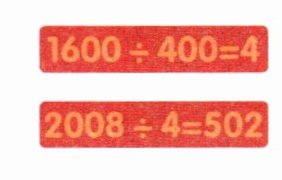
As we know, there's a special rule: if a year can be divisible by
100, but cannot be divisible by 400, it's not a leap year. For example,
1700 cannot be divisible by 400, so it is not a leap year, but 2000 is.
Can you remember the special rule to count the leap year?
词汇积累
divisible /dɪ'vɪzəbl/ adj. 可除尽 be based on 以……为基础
Read and choose.(根据文章内容,选择最佳答案。)
 1. How many days are there in a leap year?
A. 365. B. 29. C. 366.
 2. The Earth needs about
A. 350 B. 365.25 C. 29
 3. If we want to have the real time, we should add one day every
A. 1 B. 29 C. 4
中国的闰年
Usually, there are 28 days in February and 365 days in a year. But
2024 is different, because there are 29 days in February, so there are
366 days in 2024. In China, we call it "the leap year".
Our calendars are based on the Sun and the way the Earth
moves around it. The Earth spends about 365.25 days orbiting the
Sun, so to make sure our calendars match the real time, we add
another day every four years.
As we know, there's a special rule: if a year can be divisible by
100, but cannot be divisible by 400, it's not a leap year. For example,
1700 cannot be divisible by 400, so it is not a leap year, but 2000 is.
Can you remember the special rule to count the leap year?
词汇积累
divisible /dɪ'vɪzəbl/ adj. 可除尽 be based on 以……为基础
Read and choose.(根据文章内容,选择最佳答案。)
1. How many days are there in a leap year?A. 365. B. 29. C. 366.
2. The Earth needs about B
days to orbit the Sun.A. 350 B. 365.25 C. 29
3. If we want to have the real time, we should add one day every C
year(s).A. 1 B. 29 C. 4
答案
趣味阅读
中国的闰年
[译文]通常,二月有28天,一年有365天。但2024年不同,因为二月有29天,所以2024年有366天。在中国,我们称之为"闰年"。
我们的日历基于太阳及地球围绕它的运动方式。地球绕太阳一周大约花费365.25天,所以为了确保我们的日历与实时相匹配,我们每四年增加一天。
众所周知,有一个特殊的规则:如果一年可以被100整除,但不能被400整除,那么它就不是闰年。例如,1700不能被400整除,所以它不是闰年,但2000是。
你能记得计算闰年的特殊规则吗?
[答案]1. C 2. B 3. C
中国的闰年
[译文]通常,二月有28天,一年有365天。但2024年不同,因为二月有29天,所以2024年有366天。在中国,我们称之为"闰年"。
我们的日历基于太阳及地球围绕它的运动方式。地球绕太阳一周大约花费365.25天,所以为了确保我们的日历与实时相匹配,我们每四年增加一天。
众所周知,有一个特殊的规则:如果一年可以被100整除,但不能被400整除,那么它就不是闰年。例如,1700不能被400整除,所以它不是闰年,但2000是。
你能记得计算闰年的特殊规则吗?
[答案]1. C 2. B 3. C
解析
【分析】
这是一篇关于中国闰年的科普类阅读理解题,题目均为细节理解题。解题思路如下:
1. 先通读全文,了解文章关于闰年的定义、地球公转周期以及闰年的设置规则等核心内容;
2. 针对每一道题目,回到原文中定位对应的关键信息句,将选项与原文内容进行匹配,选出正确答案;
3. 注意题目均为直接细节题,无需过度推理,只需精准找到原文对应表述即可。
【解析】
1. 第1题:根据文章第一段“But 2024 is different, because there are 29 days in February, so there are 366 days in 2024. In China, we call it 'the leap year'.”可知,闰年全年有366天,故选C。
2. 第2题:根据文章第二段“The Earth spends about 365.25 days orbiting the Sun”可知,地球绕太阳一周大约需要365.25天,故选B。
3. 第3题:根据文章第二段“so to make sure our calendars match the real time, we add another day every four years.”可知,为了让日历和实时时间匹配,我们每四年增加一天,故选C。
【答案】
1. C 2. B 3. C
【知识点】
阅读理解细节定位、闰年相关知识
【点评】
本文是一篇兼具知识性和趣味性的科普文本,介绍了闰年的定义、成因及特殊规则。题目设置均为基础细节题,旨在考查学生从文本中快速提取关键信息的能力,同时能帮助学生拓展天文历法相关常识,适合巩固英语阅读基础和积累科普知识。
【难度系数】
0.8
这是一篇关于中国闰年的科普类阅读理解题,题目均为细节理解题。解题思路如下:
1. 先通读全文,了解文章关于闰年的定义、地球公转周期以及闰年的设置规则等核心内容;
2. 针对每一道题目,回到原文中定位对应的关键信息句,将选项与原文内容进行匹配,选出正确答案;
3. 注意题目均为直接细节题,无需过度推理,只需精准找到原文对应表述即可。
【解析】
1. 第1题:根据文章第一段“But 2024 is different, because there are 29 days in February, so there are 366 days in 2024. In China, we call it 'the leap year'.”可知,闰年全年有366天,故选C。
2. 第2题:根据文章第二段“The Earth spends about 365.25 days orbiting the Sun”可知,地球绕太阳一周大约需要365.25天,故选B。
3. 第3题:根据文章第二段“so to make sure our calendars match the real time, we add another day every four years.”可知,为了让日历和实时时间匹配,我们每四年增加一天,故选C。
【答案】
1. C 2. B 3. C
【知识点】
阅读理解细节定位、闰年相关知识
【点评】
本文是一篇兼具知识性和趣味性的科普文本,介绍了闰年的定义、成因及特殊规则。题目设置均为基础细节题,旨在考查学生从文本中快速提取关键信息的能力,同时能帮助学生拓展天文历法相关常识,适合巩固英语阅读基础和积累科普知识。
【难度系数】
0.8
