

 登录
登录
快捷英语 英语时文阅读理解 七年级 30
Wednesday/Week 11
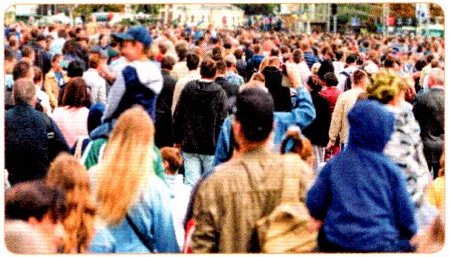
ometimes, when you walk through a crowd,
people move in an orderly line. But other
times, people are everywhere. You have
to turn left and right to keep away from them. In a new
study, researchers found out
when crowds change from
orderly to disorderly.
Math experts from a university created computer
programs to study how people move at different angles(角
度) in different spaces. They also did an experiment with
volunteers walking across a gym from different points.
The team found that how people move depends on
something called "angular spread". It counts how many
people are walking in different directions. *The angular
spread can change depending on whether people are
walking in a narrow place, like a hallway, or moving
through a wide open place, like a square.
When a crowd's angular spread reaches 13 degrees or
higher, orderly walkers can naturally become a disorderly
crowd. If a crowd's angular spread is less than 13 degrees,
people keep moving in lines. The team also found that
disorderly crowds made people walk slower. Because
they didn't want to run into each other.
Scientists said the findings could help design public
places where people can move around faster and more
easily.
▶题型: 阅读理解
▶主题: 人类研究
▶语篇类型: 说明文
▶词数: 206
▶难度: ■■■■■
▶建议用时: 6分钟
1 What can we know about the math
experts from a university?
A. They studied crowd movement.
B. They helped volunteers learn math.
C. They tried to stay away from
crowds.
D. They are learning computer
programs.
2 How does a narrow place affect the
angular spread?
A. It makes the angular spread larger.
B. It makes the angular spread smaller.
C. It makes the angular spread
disappear.
D. It has no influence on the
angular spread.
3 What happens when a crowd's
angular spread is 15 degrees?
A. People stop walking.
B. People walk much faster.
C. People run in orderly lines.
D. People move in a disorderly way.
4 In the last paragraph, scientists
agreed that
A. it's important to build the habit of
walking in lines
B. it's possible to use the findings to
keep traffic safe
C. it's good to use the findings to
design public places
D. it's hard to use the findings to stop
disorderly movement
5 What is the structure of the passage?
Wednesday/Week 11
ometimes, when you walk through a crowd,
people move in an orderly line. But other
times, people are everywhere. You have
to turn left and right to keep away from them. In a new
study, researchers found out
when crowds change from
orderly to disorderly.
Math experts from a university created computer
programs to study how people move at different angles(角
度) in different spaces. They also did an experiment with
volunteers walking across a gym from different points.
The team found that how people move depends on
something called "angular spread". It counts how many
people are walking in different directions. *The angular
spread can change depending on whether people are
walking in a narrow place, like a hallway, or moving
through a wide open place, like a square.
When a crowd's angular spread reaches 13 degrees or
higher, orderly walkers can naturally become a disorderly
crowd. If a crowd's angular spread is less than 13 degrees,
people keep moving in lines. The team also found that
disorderly crowds made people walk slower. Because
they didn't want to run into each other.
Scientists said the findings could help design public
places where people can move around faster and more
easily.
▶题型: 阅读理解
▶主题: 人类研究
▶语篇类型: 说明文
▶词数: 206
▶难度: ■■■■■
▶建议用时: 6分钟
1 What can we know about the math
experts from a university?
A. They studied crowd movement.
B. They helped volunteers learn math.
C. They tried to stay away from
crowds.
D. They are learning computer
programs.
2 How does a narrow place affect the
angular spread?
A. It makes the angular spread larger.
B. It makes the angular spread smaller.
C. It makes the angular spread
disappear.
D. It has no influence on the
angular spread.
3 What happens when a crowd's
angular spread is 15 degrees?
A. People stop walking.
B. People walk much faster.
C. People run in orderly lines.
D. People move in a disorderly way.
4 In the last paragraph, scientists
agreed that
C
.A. it's important to build the habit of
walking in lines
B. it's possible to use the findings to
keep traffic safe
C. it's good to use the findings to
design public places
D. it's hard to use the findings to stop
disorderly movement
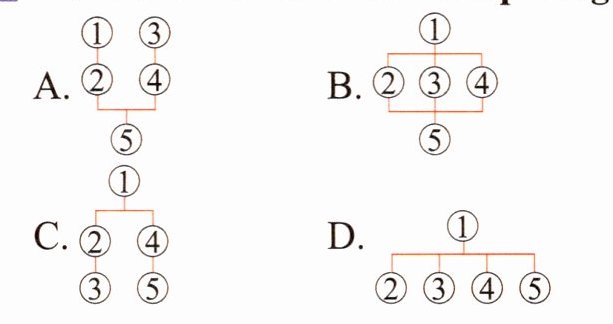
5 What is the structure of the passage?
答案
Wednesday
一项新研究发现,人群从有序状态变为无序状态的临界点——角度分散度达到13度。当人群的角度分散度达到13度或更高时,有序的行人会自然地变成无序的人群,当小于13度时,人们会保持排队前行。这一发现可助力公共场所的优化设计。
1. A 细节理解题。由第二段第一句可知,来自某大学的数学专家研究人们在不同空间中以不同角度移动的规律,即人群的移动规律。
2. B 推理判断题。由第三段最后一句可知,角度分散度会因人们是在狭窄空间(如走廊)还是开阔区域(如广场)中移动而发生变化。由第四段前两句可知,当人群的角度分散度达到13度或更高时,有序的行人会自然地变成无序的人群。如果一个人群的角度分散度小于13度,人们就会保持排队前行。由常识可推知,一个狭窄的地方会使角度分散度变小。
3. D 推理判断题。由第四段第一句可知,当人群的角度分散度达到13度或更高时,有序的行人会自然地变成无序的人群。由此可推知,人群角度分散度为15度时,人们会移动得杂乱无章。
4. C 细节理解题。由最后一段可知,科学家指出,这些发现有助于设计出让人们能够更快速、更轻松地通行的公共场所。
5. B 文章结构题。通读全文可知,第一段给出全文话题,科学家通过研究发现人群从有序变为无序的临界点;第二、三、四段介绍了实验过程与结果;第五段介绍了研究结果的实用意义。
一项新研究发现,人群从有序状态变为无序状态的临界点——角度分散度达到13度。当人群的角度分散度达到13度或更高时,有序的行人会自然地变成无序的人群,当小于13度时,人们会保持排队前行。这一发现可助力公共场所的优化设计。
1. A 细节理解题。由第二段第一句可知,来自某大学的数学专家研究人们在不同空间中以不同角度移动的规律,即人群的移动规律。
2. B 推理判断题。由第三段最后一句可知,角度分散度会因人们是在狭窄空间(如走廊)还是开阔区域(如广场)中移动而发生变化。由第四段前两句可知,当人群的角度分散度达到13度或更高时,有序的行人会自然地变成无序的人群。如果一个人群的角度分散度小于13度,人们就会保持排队前行。由常识可推知,一个狭窄的地方会使角度分散度变小。
3. D 推理判断题。由第四段第一句可知,当人群的角度分散度达到13度或更高时,有序的行人会自然地变成无序的人群。由此可推知,人群角度分散度为15度时,人们会移动得杂乱无章。
4. C 细节理解题。由最后一段可知,科学家指出,这些发现有助于设计出让人们能够更快速、更轻松地通行的公共场所。
5. B 文章结构题。通读全文可知,第一段给出全文话题,科学家通过研究发现人群从有序变为无序的临界点;第二、三、四段介绍了实验过程与结果;第五段介绍了研究结果的实用意义。
