

 登录
B
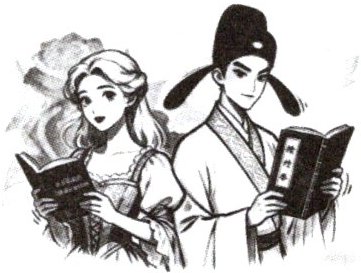
A great cultural event took place in Fuzhou, Jiangxi Province. The English-language version of The Peony Pavilion (《牡丹亭》) by Tang Xianzu was performed in China for the first time. At the same time, A Midsummer Night’s Dream and The Dream of Nanke were also performed. These plays created a dialogue across time and space and showed the shared human feelings explored by Tang Xianzu and William Shakespeare.
Tang Xianzu from China and William Shakespeare from England were great writers during the 16th century. Though they never met, their works share many similarities. Their works were about themes like love, life and death, and human spirit, and often used dreams in plays to express feelings that still touch people today. This idea was shown clearly at the gala held by CCTV in Fuzhou.
In a special performance named Tang & Shakespeare, The Peony Pavilion and Romeo and Juliet appeared on the same stage. The performance showed Eastern “pure love” and Western “devoted love”, which proves that writers from different cultures can express similar feelings about love and life.
The English-language version of The Peony Pavilion was successful in bringing Eastern and Western cultures together. However, it also faced a challenge: how to make the special singing and music of Kunqu opera easy for English-speaking audiences to understand? To solve this problem, the actors used rhythms often found in Shakespeare’s plays and mixed Western and Chinese styles in movement, dance and music. With actors from different countries, the performance became a real cultural exchange, not just a translation.
Another exciting part of the event was the “Tang-Shakespeare Legacy: Youth Dialogue”, which brought together young actors from China and the UK. These young artists not only keep traditions alive, but also bring new ideas to classic works. Their work proves that cultural differences are bridges, not barriers (障碍). As we witness the exchange, we are reminded that the influence of Tang and Shakespeare is not limited to their time but lives on in every play, every shared story, and every heart it touches.
(
A. They worked together to write plays.
B. They were writers in different times.
C. They used dreams to express feelings.
D. They wrote plays in the same country.
(
A. By inviting many famous international actors.
B. By changing the old story into a modern one.
C. By using Western rhythms and mixing art styles.
D. By explaining the play before each performance.
(
A. They help make the performance shorter.
B. They bring new life to traditional works.
C. They follow old traditions without change.
D. They decide which plays to perform.
(
A. Chinese artists play an important role in this cultural event.
B. Traditional art should be protected without making changes.
C. Without communication, cultural differences can lead to misunderstandings.
D. Cultural exchange helps classical works connect different cultures.
A great cultural event took place in Fuzhou, Jiangxi Province. The English-language version of The Peony Pavilion (《牡丹亭》) by Tang Xianzu was performed in China for the first time. At the same time, A Midsummer Night’s Dream and The Dream of Nanke were also performed. These plays created a dialogue across time and space and showed the shared human feelings explored by Tang Xianzu and William Shakespeare.
Tang Xianzu from China and William Shakespeare from England were great writers during the 16th century. Though they never met, their works share many similarities. Their works were about themes like love, life and death, and human spirit, and often used dreams in plays to express feelings that still touch people today. This idea was shown clearly at the gala held by CCTV in Fuzhou.
In a special performance named Tang & Shakespeare, The Peony Pavilion and Romeo and Juliet appeared on the same stage. The performance showed Eastern “pure love” and Western “devoted love”, which proves that writers from different cultures can express similar feelings about love and life.
The English-language version of The Peony Pavilion was successful in bringing Eastern and Western cultures together. However, it also faced a challenge: how to make the special singing and music of Kunqu opera easy for English-speaking audiences to understand? To solve this problem, the actors used rhythms often found in Shakespeare’s plays and mixed Western and Chinese styles in movement, dance and music. With actors from different countries, the performance became a real cultural exchange, not just a translation.
Another exciting part of the event was the “Tang-Shakespeare Legacy: Youth Dialogue”, which brought together young actors from China and the UK. These young artists not only keep traditions alive, but also bring new ideas to classic works. Their work proves that cultural differences are bridges, not barriers (障碍). As we witness the exchange, we are reminded that the influence of Tang and Shakespeare is not limited to their time but lives on in every play, every shared story, and every heart it touches.
(
C
) 24. What do we know about Tang and Shakespeare according to the passage?A. They worked together to write plays.
B. They were writers in different times.
C. They used dreams to express feelings.
D. They wrote plays in the same country.
(
C
) 25. How did the performers help English speakers enjoy The Peony Pavilion?A. By inviting many famous international actors.
B. By changing the old story into a modern one.
C. By using Western rhythms and mixing art styles.
D. By explaining the play before each performance.
(
B
) 26. Why are young artists important in this cultural event?A. They help make the performance shorter.
B. They bring new life to traditional works.
C. They follow old traditions without change.
D. They decide which plays to perform.
(
D
) 27. Which idea is best supported by the passage as a whole?A. Chinese artists play an important role in this cultural event.
B. Traditional art should be protected without making changes.
C. Without communication, cultural differences can lead to misunderstandings.
D. Cultural exchange helps classical works connect different cultures.
答案
24. C 25. C 26. B 27. D
解析
【分析】
解答此类阅读理解题,需先通读全文把握核心主旨,再针对每道题的题干关键词定位原文对应内容,逐一比对选项与原文信息,排除错误选项得出正确答案。具体步骤为:24题定位关于汤显祖与莎士比亚的描述;25题定位帮助英语观众理解《牡丹亭》的措施;26题定位年轻艺术家的作用;27题定位全文的核心观点。
【解析】
24题:根据原文第二段“their works... often used dreams in plays to express feelings”,可知两人都通过戏剧中的梦境表达情感,对应选项C。A选项“合作写剧本”与原文“never met”矛盾;B选项“不同时代”与原文“16th century”矛盾;D选项“同一国家”与汤显祖(中国)、莎士比亚(英国)的身份矛盾,排除A、B、D,选C。
25题:根据原文第四段“actors used rhythms often found in Shakespeare’s plays and mixed Western and Chinese styles in movement, dance and music”,可知表演者通过使用西方节奏、融合中西艺术风格帮助英语观众理解,对应选项C。A选项“邀请著名国际演员”原文未提及;B选项“改编为现代故事”无依据;D选项“演出前解释”未提到,排除A、B、D,选C。
26题:根据原文第五段“These young artists not only keep traditions alive, but also bring new ideas to classic works”,可知年轻艺术家为传统作品注入新活力,对应选项B。A选项“缩短演出时长”未提及;C选项“固守传统不变”与原文“bring new ideas”矛盾;D选项“决定演出剧目”无依据,排除A、C、D,选B。
27题:全文围绕中西方经典文化的交流展开,最后一段指出“cultural differences are bridges, not barriers”,强调文化交流能连接不同文化的经典作品,对应选项D。A选项仅为局部内容,非全文主旨;B选项“不做改变保护传统”与原文“bring new ideas”矛盾;C选项“差异导致误解”与原文“差异是桥梁”矛盾,排除A、B、C,选D。
【答案】
24. C 25. C 26. B 27. D
【知识点】
阅读理解细节题、阅读理解主旨题、跨文化交流
【点评】
本题为跨文化主题的阅读理解题,侧重考查学生的细节定位能力和主旨归纳能力,需结合原文信息逐一分析选项,整体难度适中。
【难度系数】
0.6
