

 登录
登录
八、将下列句子排序,组成一段完整、通顺的对话。(其中两句已给出)(15分)
A. Why do you like spring best?
B. I like winter best.
C. Yes, it's cold. But we can play in the snow.
D. Spring.
E. Helen, what's your favourite season?
F. Why? Winter is cold.
G. Because my birthday is in spring. What about you?

A. Why do you like spring best?
B. I like winter best.
C. Yes, it's cold. But we can play in the snow.
D. Spring.
E. Helen, what's your favourite season?
F. Why? Winter is cold.
G. Because my birthday is in spring. What about you?
答案
正确顺序:E D A G B F C
解析
【分析】首先,对话排序需先定位起始句,通常是引出话题的问句,本题中E句是询问对方最喜欢的季节,作为对话开头;接着需回答季节,对应D句;之后针对喜欢春天提问原因,对应A句;回答原因并反问对方,对应G句;对方回答自己的季节,对应B句;接着针对喜欢冬天提问原因,对应F句;最后补充冬天的乐趣,对应C句,由此梳理出正确顺序。
【解析】1. 确定起始句:E句“ Helen, what's your favourite season?”是引出季节话题的问句,作为对话开头;2. 回答季节:E后接D句“Spring.”,回应最喜欢的季节;3. 询问春天的原因:D后接A句“Why do you like spring best?”,针对喜欢春天提问;4. 回答原因并反问:A后接G句“Because my birthday is in spring. What about you?”,说明原因并询问对方喜好;5. 回答自身季节:G后接B句“I like winter best.”,说明自己最喜欢冬天;6. 询问冬天的原因:B后接F句“Why? Winter is cold.”,针对喜欢冬天提问;7. 补充冬天的乐趣:F后接C句“Yes, it's cold. But we can play in the snow.”,补充冬天的活动,完成对话。
【答案】E D A G B F C
【知识点】日常交际用语、对话排序
【点评】本题考查日常情景对话的逻辑排序,需掌握季节相关的交际用语,理清问答逻辑即可完成,难度适中。
【难度系数】0.6
【解析】1. 确定起始句:E句“ Helen, what's your favourite season?”是引出季节话题的问句,作为对话开头;2. 回答季节:E后接D句“Spring.”,回应最喜欢的季节;3. 询问春天的原因:D后接A句“Why do you like spring best?”,针对喜欢春天提问;4. 回答原因并反问:A后接G句“Because my birthday is in spring. What about you?”,说明原因并询问对方喜好;5. 回答自身季节:G后接B句“I like winter best.”,说明自己最喜欢冬天;6. 询问冬天的原因:B后接F句“Why? Winter is cold.”,针对喜欢冬天提问;7. 补充冬天的乐趣:F后接C句“Yes, it's cold. But we can play in the snow.”,补充冬天的活动,完成对话。
【答案】E D A G B F C
【知识点】日常交际用语、对话排序
【点评】本题考查日常情景对话的逻辑排序,需掌握季节相关的交际用语,理清问答逻辑即可完成,难度适中。
【难度系数】0.6
九、〔重庆市·中华优秀传统文化〕竹是中国美德的物质载体,其作为君子的象征,被无数人喜爱。请阅读竹的故事,完成下列任务。(13分)
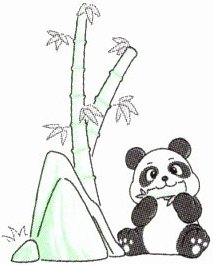
Hi! I am Bamboo. I live in China with my friend Panda. In spring, I grow out of the ground(地面). People use bamboo to make yummy food. It’s hot in summer. People play in the bamboo forest. They are happy. It’s autumn. Some of my yellow leaves fall. But I am still green. I like to enjoy the moon with people. Lots of my plant friends sleep in winter. But I can meet Miss Wintersweet(腊梅)again!
任务一:根据故事内容,判断句子正(T)误(F)。(8分)
(
(
(
(
任务二:〔学科融合〕请你为画线部分的内容匹配合适的诗句,圈出相应的诗句序号。(2分)
A. 竹影和诗瘦,梅花入梦香。
B. 过江千尺浪,入竹万竿斜。
C. 竹外桃花三两枝,春江水暖鸭先知。
任务三:〔开放性试题〕What’s your favourite season? Why?(3分)
Hi! I am Bamboo. I live in China with my friend Panda. In spring, I grow out of the ground(地面). People use bamboo to make yummy food. It’s hot in summer. People play in the bamboo forest. They are happy. It’s autumn. Some of my yellow leaves fall. But I am still green. I like to enjoy the moon with people. Lots of my plant friends sleep in winter. But I can meet Miss Wintersweet(腊梅)again!
任务一:根据故事内容,判断句子正(T)误(F)。(8分)
(
T
)1. In spring, people make food with bamboo.(
F
)2. Bamboo is yellow in autumn.(
F
)3. Bamboo doesn’t like winter.(
T
)4. People can play in the bamboo forest in summer.任务二:〔学科融合〕请你为画线部分的内容匹配合适的诗句,圈出相应的诗句序号。(2分)
A. 竹影和诗瘦,梅花入梦香。
B. 过江千尺浪,入竹万竿斜。
C. 竹外桃花三两枝,春江水暖鸭先知。
任务三:〔开放性试题〕What’s your favourite season? Why?(3分)
答案
任务一:1. T
2. F 【解析】根据故事中“It's autumn. Some of my yellow leaves fall. But I am still green.”可知,竹子在秋天时,黄色的叶子会凋落,但是竹子仍然是绿色的,本题“竹子在秋天是黄色的”与故事内容不符。
3. F 4. T
任务二:A
任务三:示例一 I like summer best. Because I can eat ice cream.
示例二 My favourite season is winter. Because I can play in the snow with my friends.
2. F 【解析】根据故事中“It's autumn. Some of my yellow leaves fall. But I am still green.”可知,竹子在秋天时,黄色的叶子会凋落,但是竹子仍然是绿色的,本题“竹子在秋天是黄色的”与故事内容不符。
3. F 4. T
任务二:A
任务三:示例一 I like summer best. Because I can eat ice cream.
示例二 My favourite season is winter. Because I can play in the snow with my friends.
解析
【分析】
本题分为三个任务,需分别处理:任务一为阅读判断正误,需回到原文定位对应信息,对比句子与原文内容是否一致;任务二为诗句匹配,需理解画线句(冬天竹子与腊梅相伴)的含义,再匹配选项;任务三为开放性表达,需结合自身实际说明喜欢的季节及原因,语句通顺即可。
【解析】
任务一:1. 原文提到“In spring, I grow out of the ground. People use bamboo to make yummy food.”,说明春天人们用竹子做食物,故判断为T;2. 原文指出“It’s autumn. Some of my yellow leaves fall. But I am still green.”,即秋天竹子本身仍为绿色,并非整体黄色,故判断为F;3. 原文未体现竹子不喜欢冬天,反而提到冬天能见到腊梅,故判断为F;4. 原文说明“It’s hot in summer. People play in the bamboo forest.”,即夏天人们可在竹林玩耍,故判断为T。
任务二:画线句描述冬天竹子与腊梅相伴,A选项“竹影和诗瘦,梅花入梦香”包含竹与梅,符合语境;B写风过竹,C写春景,均不符合,故选A。
任务三:结合自身实际,说明喜欢的季节及原因,语句通顺合理即可,如示例所示。
【答案】
任务一:1. T 2. F 3. F 4. T
任务二:A
任务三:示例一 I like summer best. Because I can eat ice cream. 示例二 My favourite season is winter. Because I can play in the snow with my friends.
【知识点】
英语阅读理解、中华传统文化、季节话题表达
【点评】
本题融合英语学科与中华优秀传统文化,通过阅读题考察信息提取能力,学科融合题考察诗句理解匹配,开放性试题考察语言运用能力,题型全面且贴近生活。
【难度系数】
0.7
本题分为三个任务,需分别处理:任务一为阅读判断正误,需回到原文定位对应信息,对比句子与原文内容是否一致;任务二为诗句匹配,需理解画线句(冬天竹子与腊梅相伴)的含义,再匹配选项;任务三为开放性表达,需结合自身实际说明喜欢的季节及原因,语句通顺即可。
【解析】
任务一:1. 原文提到“In spring, I grow out of the ground. People use bamboo to make yummy food.”,说明春天人们用竹子做食物,故判断为T;2. 原文指出“It’s autumn. Some of my yellow leaves fall. But I am still green.”,即秋天竹子本身仍为绿色,并非整体黄色,故判断为F;3. 原文未体现竹子不喜欢冬天,反而提到冬天能见到腊梅,故判断为F;4. 原文说明“It’s hot in summer. People play in the bamboo forest.”,即夏天人们可在竹林玩耍,故判断为T。
任务二:画线句描述冬天竹子与腊梅相伴,A选项“竹影和诗瘦,梅花入梦香”包含竹与梅,符合语境;B写风过竹,C写春景,均不符合,故选A。
任务三:结合自身实际,说明喜欢的季节及原因,语句通顺合理即可,如示例所示。
【答案】
任务一:1. T 2. F 3. F 4. T
任务二:A
任务三:示例一 I like summer best. Because I can eat ice cream. 示例二 My favourite season is winter. Because I can play in the snow with my friends.
【知识点】
英语阅读理解、中华传统文化、季节话题表达
【点评】
本题融合英语学科与中华优秀传统文化,通过阅读题考察信息提取能力,学科融合题考察诗句理解匹配,开放性试题考察语言运用能力,题型全面且贴近生活。
【难度系数】
0.7
