

 登录
五、短文填空
请认真阅读下面短文,并根据各题所给首字母的提示,写出一个合适的英语单词完整、正确的形式,使短文通顺。
This is a story about two wise men—Zhuge Liang and Zhou Yu. The Chinese people have told it for many years.
One day, Zhou Yu gave Zhuge Liang a seemingly i
Zhuge Liang asked his soldiers to fill 20 large boats with a lot of scarecrows. In the early m
Zhuge Liang’s soldiers then turned the boats a
51.
56.
请认真阅读下面短文,并根据各题所给首字母的提示,写出一个合适的英语单词完整、正确的形式,使短文通顺。
This is a story about two wise men—Zhuge Liang and Zhou Yu. The Chinese people have told it for many years.
One day, Zhou Yu gave Zhuge Liang a seemingly i
impossible
51 task. He asked him to mmake
52 100,000 arrows within ten days. “No problem,” Zhuge Liang said. “I’ll bring you 100,000 arrows in tthree
53 days.”Zhuge Liang asked his soldiers to fill 20 large boats with a lot of scarecrows. In the early m
morning
54 of the third day, Zhuge Liang’s soldiers sailed the boats towards the camps of Cao Cao’s aarmy
55 on the other side of the river. The soldiers shouted and bbeat
56 their drums loudly. When Cao Cao’s soldiers heard the sounds, they tthought
57 they were under attack. However, they could not see tthrough
58 the thick fog on the river. Cao Cao decided to oorder
59 his soldiers to shoot arrows towards the sounds of the drums and the shouting. Zhuge Liang’s boats were soon full of arrows.Zhuge Liang’s soldiers then turned the boats a
around
60 and shouted, “Thank you for your arrows, Cao Cao.” Zhuge Liang took all these arrows to Zhou Yu. There were more than 100,000 of them.51.
impossible
52. make
53. three
54. morning
55. army
56.
beat
57. thought
58. through
59. order
60. around
答案
51. impossible
52. make
53. three
54. morning
55. army
56. beat
57. thought
58. through
59. order
60. around
解析
【分析】这是一道短文填空题,解题时需先通读全文把握核心内容(草船借箭的故事),再结合每个空的首字母提示,联系上下文语境、固定搭配来筛选合适的英语单词,确保单词形式正确,使短文逻辑通顺。
【解析】51. 由语境可知周瑜给诸葛亮的是看似不可能的任务,首字母为i,故填impossible;52. 固定搭配make arrows意为“制作箭”,首字母为m,故填make;53. 结合前文“within ten days”及诸葛亮的回应,可知是三天,首字母为t,故填three;54. 固定短语in the early morning意为“在清晨”,首字母为m,故填morning;55. 此处指曹操的军队,首字母为a,故填army;56. 固定搭配beat drums意为“敲鼓”,首字母为b,故填beat;57. 曹操的士兵以为遭到攻击,首字母为t,故填thought;58. 固定短语see through意为“看穿”,首字母为t,故填through;59. 固定搭配order sb to do sth意为“命令某人做某事”,首字母为o,故填order;60. 固定短语turn around意为“转身”,首字母为a,故填around。
【答案】51. impossible 52. make 53. three 54. morning 55. army 56. beat 57. thought 58. through 59. order 60. around
【知识点】英语词汇运用,短文语境理解,固定搭配
【点评】本题以中国经典历史故事为载体,考查学生对英语基础词汇的掌握及语境运用能力,需结合故事背景和首字母提示准确作答,难度适中。
【难度系数】0.6
六、阅读与回答问题
The air is thin and we have to rest several times on the short hike from camp.
To our left, snow-covered mountains disappear into clouds that seem almost close
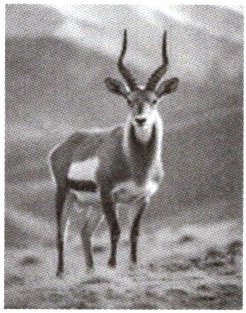
enough to touch. On the plain in front of us, we can just make out a herd of graceful animals. This is why we’re here—to observe Tibetan antelopes.
Tibetan antelopes live on the plains of Xizang, Xinjiang and Qinghai. Watching them move slowly across the green grass, I’m struck by their beauty. I’m also reminded of the danger they were in. They were once hunted for their valuable fur.
My guide is Zhaxi, a villager from Changtang. He works at the Changtang National Nature Reserve. The reserve is a shelter for the animals and plants of northwestern Xizang. To Zhaxi, the land is sacred and protecting the wildlife is a way of life. “We’re not trying to save the animals,” he says. “Actually, we’re trying to save ourselves.”
The 1980s and 1990s were bad times for the Tibetan antelope. Their population dropped by more than 50 per cent. Hunters shot antelopes to make profits. Their habitats became smaller as new roads and railways were built.
In order to save this species from disappearing, the Chinese government placed it under national protection. Zhaxi and other volunteers watched over the antelopes day and night to keep them safe from attacks. Bridges and gates were added to let the antelopes move easily and keep them safe from cars and trains.
The measures were effective. The antelope population has recovered and in May 2015, the Tibetan antelope was removed from the endangered species list. The government, however, does not plan to stop the protection programmes, since the threats to the Tibetan antelope have not yet disappeared.
In the evening, I drink a cup of tea and watch the stars. I think about the antelopes and what Zhaxi told me. Much is being done to protect wildlife, but if we really want to save the planet, we must change our way of life. Only when we learn to live in harmony with nature can we stop being a threat to wildlife and to our planet.
61. Where do Tibetan antelopes live?
62. How did Zhaxi and other volunteers keep Tibetan antelopes safe from attacks?
63. When was the Tibetan antelope removed from the endangered species list?
64. Why did the population of Tibetan antelopes drop in the 1980s and 1990s?
65. What can we do to protect endangered wildlife like Tibetan antelopes? (请自拟一句话作答)
The air is thin and we have to rest several times on the short hike from camp.
To our left, snow-covered mountains disappear into clouds that seem almost close
enough to touch. On the plain in front of us, we can just make out a herd of graceful animals. This is why we’re here—to observe Tibetan antelopes.
Tibetan antelopes live on the plains of Xizang, Xinjiang and Qinghai. Watching them move slowly across the green grass, I’m struck by their beauty. I’m also reminded of the danger they were in. They were once hunted for their valuable fur.
My guide is Zhaxi, a villager from Changtang. He works at the Changtang National Nature Reserve. The reserve is a shelter for the animals and plants of northwestern Xizang. To Zhaxi, the land is sacred and protecting the wildlife is a way of life. “We’re not trying to save the animals,” he says. “Actually, we’re trying to save ourselves.”
The 1980s and 1990s were bad times for the Tibetan antelope. Their population dropped by more than 50 per cent. Hunters shot antelopes to make profits. Their habitats became smaller as new roads and railways were built.
In order to save this species from disappearing, the Chinese government placed it under national protection. Zhaxi and other volunteers watched over the antelopes day and night to keep them safe from attacks. Bridges and gates were added to let the antelopes move easily and keep them safe from cars and trains.
The measures were effective. The antelope population has recovered and in May 2015, the Tibetan antelope was removed from the endangered species list. The government, however, does not plan to stop the protection programmes, since the threats to the Tibetan antelope have not yet disappeared.
In the evening, I drink a cup of tea and watch the stars. I think about the antelopes and what Zhaxi told me. Much is being done to protect wildlife, but if we really want to save the planet, we must change our way of life. Only when we learn to live in harmony with nature can we stop being a threat to wildlife and to our planet.
61. Where do Tibetan antelopes live?
They live on the plains of Xizang, Xinjiang and Qinghai.
62. How did Zhaxi and other volunteers keep Tibetan antelopes safe from attacks?
They watched over the antelopes day and night./By watching over the antelopes day and night.
63. When was the Tibetan antelope removed from the endangered species list?
In May 2015.
64. Why did the population of Tibetan antelopes drop in the 1980s and 1990s?
Because hunters shot them to make profits and their habitats became smaller.
65. What can we do to protect endangered wildlife like Tibetan antelopes? (请自拟一句话作答)
We can refuse to buy things made from them./We can join volunteers to protect them.(言之有理即可)
答案
61. They live on the plains of Xizang, Xinjiang and Qinghai.
62. They watched over the antelopes day and night./By watching over the antelopes day and night.
63. In May 2015.
64. Because hunters shot them to make profits and their habitats became smaller.
65. We can refuse to buy things made from them./We can join volunteers to protect them.(言之有理即可)
解析
【分析】
本题为英语阅读理解细节类题目,解题时需先明确每个问题的核心关键词,再带着关键词回到原文对应段落定位相关信息,提取匹配内容后整理成符合要求的答案,开放性问题需结合原文主旨给出合理表述。
【解析】
61. 定位原文第二段第一句“Tibetan antelopes live on the plains of Xizang, Xinjiang and Qinghai.”,直接提取答案。
62. 定位原文第五段第二句“Zhaxi and other volunteers watched over the antelopes day and night to keep them safe from attacks.”,提取核心动作作答。
63. 定位原文第六段第二句“...in May 2015, the Tibetan antelope was removed from the endangered species list.”,提取时间作答。
64. 定位原文第四段,提取两个原因:偷猎者为获利捕杀、栖息地因道路铁路修建变小,整理成答案。
65. 结合原文保护藏羚羊的措施,给出合理的个人做法,如拒绝购买藏羚羊制品等。
【答案】
61. They live on the plains of Xizang, Xinjiang and Qinghai.
62. They watched over the antelopes day and night./By watching over the antelopes day and night.
63. In May 2015.
64. Because hunters shot them to make profits and their habitats became smaller.
65. We can refuse to buy things made from them./We can join volunteers to protect them.(言之有理即可)
【知识点】
英语阅读理解、细节信息查找
【点评】
本题围绕藏羚羊保护的话题展开,以细节理解题为主,考查学生快速定位原文信息的能力,开放性问题还能引导学生结合实际表达保护野生动物的做法,兼具知识性与教育意义。
【难度系数】
0.8
