

 登录
一、阅读下列短文,从每小题的四个选项中选出最佳选项。
A
Can you count and tell the difference between odd (ending in 1, 3, 5, 7 and 9) and even numbers (ending in 0, 2, 4, 6 and 8)? Most people can do this easily. But a recent study shows that bees can do it too. With a little training, they can tell the difference between odd and even numbers.
Some scientists in Australia did an experiment with bees. They used cards with different numbers of shapes on them. The cards had numbers from 1 to 10. They trained the first group of bees to find cards with odd numbers and the second group to find cards with even numbers. If a bee chose the right card, it got a reward of sweet sugar water. If it chose the wrong card, it got bitter water instead.
After a short time, the bees learned what odd and even numbers were. They could choose the right cards 80% of the time. Later, the scientists added new cards with the numbers 11 and 12. The bees had never seen these numbers before, but they still chose the right cards 70% of the time. Amazingly, bees learned to recognize odd numbers faster than humans do.
How did the bees learn so quickly? Scientists aren’t sure yet. But they believe that understanding how bees learn could help us build better and faster computers. After all, a bee’s brain is much smaller than ours. The number of neurons(神经元)in a human brain is 86,000 times that of a bee!
1. How does the writer start the text?
A. By telling a story.
B. By comparing facts.
C. By asking a question.
D. By listing numbers.
2. Which of the following cards should the first group of bees fly to?
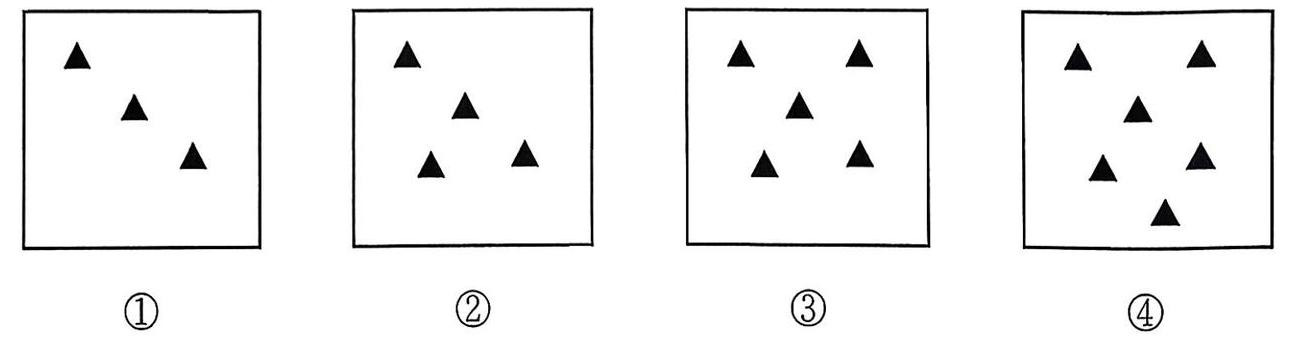
A. ①③
B. ②④
C. ①②
D. ③④
3. Why does the writer say that a bee’s brain is much smaller than ours?
A. To stress the high quality of bees’ learning.
B. To show bees are less intelligent than humans.
C. To explain why bees learn faster than humans.
D. To suggest that smaller brains are always better.
4. Which can be the best title of the text?
A. The secret life of bees
B. Bees and their amazing maths skills
C. How bees learn faster than humans
D. Building better computers with bees
A
Can you count and tell the difference between odd (ending in 1, 3, 5, 7 and 9) and even numbers (ending in 0, 2, 4, 6 and 8)? Most people can do this easily. But a recent study shows that bees can do it too. With a little training, they can tell the difference between odd and even numbers.
Some scientists in Australia did an experiment with bees. They used cards with different numbers of shapes on them. The cards had numbers from 1 to 10. They trained the first group of bees to find cards with odd numbers and the second group to find cards with even numbers. If a bee chose the right card, it got a reward of sweet sugar water. If it chose the wrong card, it got bitter water instead.
After a short time, the bees learned what odd and even numbers were. They could choose the right cards 80% of the time. Later, the scientists added new cards with the numbers 11 and 12. The bees had never seen these numbers before, but they still chose the right cards 70% of the time. Amazingly, bees learned to recognize odd numbers faster than humans do.
How did the bees learn so quickly? Scientists aren’t sure yet. But they believe that understanding how bees learn could help us build better and faster computers. After all, a bee’s brain is much smaller than ours. The number of neurons(神经元)in a human brain is 86,000 times that of a bee!
1. How does the writer start the text?
A. By telling a story.
B. By comparing facts.
C. By asking a question.
D. By listing numbers.
2. Which of the following cards should the first group of bees fly to?
A. ①③
B. ②④
C. ①②
D. ③④
3. Why does the writer say that a bee’s brain is much smaller than ours?
A. To stress the high quality of bees’ learning.
B. To show bees are less intelligent than humans.
C. To explain why bees learn faster than humans.
D. To suggest that smaller brains are always better.
4. Which can be the best title of the text?
A. The secret life of bees
B. Bees and their amazing maths skills
C. How bees learn faster than humans
D. Building better computers with bees
答案
1. C 2. A 3. A 4. B
解析
【分析】
本题为科普类阅读理解,需结合文章内容逐一分析各小题:第1题考查写作手法,需定位文章开篇方式;第2题考查奇偶数判断,需先数图形数量再区分奇偶;第3题考查细节理解,需结合上下文理解举例的作用;第4题考查主旨大意,需概括全文核心内容。
【解析】
1. 文章开篇第一句“Can you count and tell the difference between odd...?”是一个问句,因此作者通过提问开篇,对应选项C。
2. 第一组蜜蜂被训练找奇数,先数各图三角形数量:①有3个(奇数)、②有4个(偶数)、③有5个(奇数)、④有6个(偶数),所以奇数卡片是①③,对应选项A。
3. 最后一段提到蜜蜂脑小但学习速度快,举“蜜蜂脑比人类小得多”的例子是为了强调蜜蜂学习能力的高质量,对应选项A。
4. 全文围绕“蜜蜂能识别奇偶数,具备惊人的数学技能”展开,因此最佳标题是B选项。
【答案】
1.C 2.A 3.A 4.B
【知识点】
阅读理解、写作手法、细节理解
【点评】
本题为科普类阅读,侧重考查学生对文章细节、写作手法及主旨的把握,需仔细阅读原文定位关键信息,难度适中。
【难度系数】
0.6
