

 登录
登录
[2026 吉林长春调研] Sure, reading textbooks and using cards help, but the best way to learn to speak a new language is to practise speaking. We've listed plenty of great ways to practise
Repeat
Use music to
Build your speaking skills by describing daily
Practise with
encourage each other. You'll also be
While practising speaking, you can also learn to read and write.
(
(
(
(
(
(
(
(
(
(
(
(
(
(
(
A
1 a new language in this article.Repeat
D
2 you hear in movies. Find video productions made in the C
3 you're trying to learn. Stop the playback often so you can do B
4 best to repeat what you have just heard.Use music to
D
5 words and pick up speech patterns. Listen to a song in the language you're trying to learn, and play it again and try to B
6 along to it. At this point, pay less attention to understanding what's being said and pay more attention to repeating the sounds A
7 speech patterns you hear.Build your speaking skills by describing daily
C
8. This is a great way to practise all day C
9 breaking your daily life. For the best results, describe what you're doing loudly in the language you're learning. For example, if you're learning to speak French, D
10 the following while washing the dishes—faire la vaisselle.Practise with
A
11 learner. Getting immediate feedback by talking with another person is really B
12 when you learn to speak a language. Talking with a teacher is great, of course, but D
13 a fellow learner is nice too. Since you're in the same boat, you'll want toencourage each other. You'll also be
C
14 in keeping up with each other.While practising speaking, you can also learn to read and write.
B
15 you focus on speaking the new language, it's helpful to spend some time reading and writing the language.(
A
)1. A. speaking B. reading C. hearing D. writing(
D
)2. A. when B. how C. why D. what(
C
)3. A. book B. movie C. language D. word(
B
)4. A. their B. your C. our D. my(
D
)5. A. find B. lose C. forget D. remember(
B
)6. A. see B. sing C. dance D. work(
A
)7. A. and B. but C. to D. so(
C
)8. A. food B. drink C. activities D. clothes(
C
)9. A. about B. with C. without D. for(
D
)10. A. control B. count C. feel D. say(
A
)11. A. another B. others C. the others D. the other(
B
)12. A. thankful B. helpful C. useless D. careful(
D
)13. A. doing with B. looking for C. caring for D. talking with(
C
)14. A. weak B. honest C. active D. lazy(
B
)15. A. Because B. Even if C. So that D. Unless答案
完形填空·语篇导读 本文介绍了一些练习说一门新语言的好方法。
快速
对答案
1—5 A D C B D
6—10 B A C C D
11—15 A B D C B
1. A 句意为:我们在这篇文章中列出了很多练习说一门新语言的好方法。speak意为"说";read意为"读";hear意为"听";write意为"写"。根据上文提到的practise speaking可知,此处指练习说。故选A项。
2. D 句意为:重复你在电影里听到的内容。when意为"当……时";how意为"怎样";why意为"为什么";what意为"什么"。根据you hear in movies可知,此处引导宾语从句,作hear的宾语,应用what。故选D项。
3. C 句意为:寻找用你正在努力学习的语言制作的视频作品。book意为"书";movie意为"电影";language意为"语言";word意为"单词"。根据you're trying to learn可知,此处指寻找用目标语言制作的视频。故选C项。
4. B 句意为:停止经常性的重放,这样你就可以尽你最大的努力重复你刚刚听到的内容。their意为"他们的";your意为"你的";our意为"我们的";my意为"我的"。根据so you can do可知,此处是对读者说的,用your。故选B项。
5. D 句意为:用音乐来记单词和学习语音模式。find意为"找到";lose意为"失去";forget意为"忘记";remember意为"记住"。根据words and pick up speech patterns可知,此处指利用音乐记住单词。故选D项。
6. B 句意为:听一首你正在努力学习的语言的歌曲,再播放一遍,努力跟着唱。see意为"看见";sing意为"唱";dance意为"跳舞";work意为"工作"。根据语境可知,这里建议跟着歌曲唱,sing along to意为"随着……唱"。故选B项。
7. A 句意为:在这一点上,少关注理解所说的内容,多关注重复你听到的声音和语音模式。and意为"和";but意为"但是";to意为"到";so意为"所以"。根据sounds和speech patterns可知,二者是并列关系。故选A项。
8. C 句意为:通过描述日常活动来提高你的口语技能。food意为"食物";drink意为"饮料";activity意为"活动";clothes意为"衣服"。根据后文可知,这里介绍用语言描述日常活动,以此提高口语能力。故选C项。
9. C 句意为:这是一种可以整天练习而不打乱你日常生活的好方法。about意为"关于";with意为"和……一起";without意为"没有";for意为"为了"。根据语境可知,此处表示"不打乱日常生活",应用without。故选C项。
10. D 句意为:例如,如果你正在学习说法语,在洗碗的时候说下面的话……control意为"控制";count意为"数数";feel意为"感觉";say意为"说"。根据faire la vaisselle可知,这里指说下面的法语内容。故选D项。
11. A 句意为:和另一个学习者一起练习。another意为"(三者或三者以上中的)另一个";others意为"其他人";the others意为"其余的",表示在一个范围内的其他全部;the other意为"(两者中的)另一个"。根据learner可知,这里表示另一个学习者。故选A项。
12. B 句意为:你学习说一门语言时,通过和另一个人交谈得到即时反馈真的很有帮助。thankful意为"感激的";helpful意为"有帮助的";useless意为"无用的";careful意为"仔细的"。根据"Getting immediate feedback...is really..."可知,得到反馈很有帮助。故选B项。
13. D 句意为:当然,和老师交谈很好,但和一个同学交谈也很好。do with意为"处理";look for意为"寻找";care for意为"照顾";talk with意为"和……交谈"。根据语境可知,和同学交谈也是个不错的选择。故选D项。
14. C 句意为:你们也会积极地跟上彼此的进度。weak意为"虚弱的";honest意为"诚实的";active意为"积极的";lazy意为"懒惰的"。根据in keeping up with each other可知,这里表示积极跟上彼此的学习进度。故选C项。
15. B 句意为:即使你的注意力集中在说这门新语言上,花些时间读和写这门语言也是有帮助的。because意为"因为";even if意为"即使";so that意为"以便";unless意为"除非"。根据语境可知,此处应用Even if引导让步状语从句。故选B项。
快速
对答案
1—5 A D C B D
6—10 B A C C D
11—15 A B D C B
1. A 句意为:我们在这篇文章中列出了很多练习说一门新语言的好方法。speak意为"说";read意为"读";hear意为"听";write意为"写"。根据上文提到的practise speaking可知,此处指练习说。故选A项。
2. D 句意为:重复你在电影里听到的内容。when意为"当……时";how意为"怎样";why意为"为什么";what意为"什么"。根据you hear in movies可知,此处引导宾语从句,作hear的宾语,应用what。故选D项。
3. C 句意为:寻找用你正在努力学习的语言制作的视频作品。book意为"书";movie意为"电影";language意为"语言";word意为"单词"。根据you're trying to learn可知,此处指寻找用目标语言制作的视频。故选C项。
4. B 句意为:停止经常性的重放,这样你就可以尽你最大的努力重复你刚刚听到的内容。their意为"他们的";your意为"你的";our意为"我们的";my意为"我的"。根据so you can do可知,此处是对读者说的,用your。故选B项。
5. D 句意为:用音乐来记单词和学习语音模式。find意为"找到";lose意为"失去";forget意为"忘记";remember意为"记住"。根据words and pick up speech patterns可知,此处指利用音乐记住单词。故选D项。
6. B 句意为:听一首你正在努力学习的语言的歌曲,再播放一遍,努力跟着唱。see意为"看见";sing意为"唱";dance意为"跳舞";work意为"工作"。根据语境可知,这里建议跟着歌曲唱,sing along to意为"随着……唱"。故选B项。
7. A 句意为:在这一点上,少关注理解所说的内容,多关注重复你听到的声音和语音模式。and意为"和";but意为"但是";to意为"到";so意为"所以"。根据sounds和speech patterns可知,二者是并列关系。故选A项。
8. C 句意为:通过描述日常活动来提高你的口语技能。food意为"食物";drink意为"饮料";activity意为"活动";clothes意为"衣服"。根据后文可知,这里介绍用语言描述日常活动,以此提高口语能力。故选C项。
9. C 句意为:这是一种可以整天练习而不打乱你日常生活的好方法。about意为"关于";with意为"和……一起";without意为"没有";for意为"为了"。根据语境可知,此处表示"不打乱日常生活",应用without。故选C项。
10. D 句意为:例如,如果你正在学习说法语,在洗碗的时候说下面的话……control意为"控制";count意为"数数";feel意为"感觉";say意为"说"。根据faire la vaisselle可知,这里指说下面的法语内容。故选D项。
11. A 句意为:和另一个学习者一起练习。another意为"(三者或三者以上中的)另一个";others意为"其他人";the others意为"其余的",表示在一个范围内的其他全部;the other意为"(两者中的)另一个"。根据learner可知,这里表示另一个学习者。故选A项。
12. B 句意为:你学习说一门语言时,通过和另一个人交谈得到即时反馈真的很有帮助。thankful意为"感激的";helpful意为"有帮助的";useless意为"无用的";careful意为"仔细的"。根据"Getting immediate feedback...is really..."可知,得到反馈很有帮助。故选B项。
13. D 句意为:当然,和老师交谈很好,但和一个同学交谈也很好。do with意为"处理";look for意为"寻找";care for意为"照顾";talk with意为"和……交谈"。根据语境可知,和同学交谈也是个不错的选择。故选D项。
14. C 句意为:你们也会积极地跟上彼此的进度。weak意为"虚弱的";honest意为"诚实的";active意为"积极的";lazy意为"懒惰的"。根据in keeping up with each other可知,这里表示积极跟上彼此的学习进度。故选C项。
15. B 句意为:即使你的注意力集中在说这门新语言上,花些时间读和写这门语言也是有帮助的。because意为"因为";even if意为"即使";so that意为"以便";unless意为"除非"。根据语境可知,此处应用Even if引导让步状语从句。故选B项。
[2026福建南平期中]①If you think you don't learn a foreign language well, what can you do? Experts (专家) say that we can all learn from the behaviour of good language learners to become better at languages.
②Good language learners look for chances to hear and use the new language outside of the classroom, so they learn the language more quickly. They can talk to salesmen, join sports clubs, or even talk to people in coffee shops. All of these activities are helpful and can also be fun.
③What's more, good language learners try different ways to make their messages understood. If they don't know the word for "launderette",
they might say "the place where you can wash clothes". If that doesn't work, they might even try drawing a launderette with washing machines, or acting. The point is that good language learners are creative and don't easily give up. Because of these qualities, they can learn more and better.
④Finally, good language learners are prepared to take risks. They think that making mistakes is ▲. If they don't understand what someone says the first time, they aren't afraid to ask him to repeat it again and again until they do understand. Or, if someone corrects their pronunciation or grammar, they try to remember it instead of becoming shy.
⑤ Learning a language well takes time. However, looking for chances to practise the language, trying different ways to communicate, taking risks, and being prepared to make mistakes will help you become a confident language learner.
(
A. Because they are really smart.
B. Because they join different language clubs.
C. Because they try to practise the language often.
D. Because they have more classes in that language.
(
A. Awful.
B. Negative.
C. Personal.
D. Natural.
(
(
A. The Secrets of Learning a Language
B. Some Good Ways to Communicate
C. The Differences Among Language Learners
D. It Takes Time to Become a Good Language Teacher
②Good language learners look for chances to hear and use the new language outside of the classroom, so they learn the language more quickly. They can talk to salesmen, join sports clubs, or even talk to people in coffee shops. All of these activities are helpful and can also be fun.
③What's more, good language learners try different ways to make their messages understood. If they don't know the word for "launderette",
they might say "the place where you can wash clothes". If that doesn't work, they might even try drawing a launderette with washing machines, or acting. The point is that good language learners are creative and don't easily give up. Because of these qualities, they can learn more and better.
④Finally, good language learners are prepared to take risks. They think that making mistakes is ▲. If they don't understand what someone says the first time, they aren't afraid to ask him to repeat it again and again until they do understand. Or, if someone corrects their pronunciation or grammar, they try to remember it instead of becoming shy.
⑤ Learning a language well takes time. However, looking for chances to practise the language, trying different ways to communicate, taking risks, and being prepared to make mistakes will help you become a confident language learner.
(
C
)16. Why do good language learners learn a language more quickly?A. Because they are really smart.
B. Because they join different language clubs.
C. Because they try to practise the language often.
D. Because they have more classes in that language.
(
D
)17. (新考法内容回填) Which of the following can be the missing word in "▲"?A. Awful.
B. Negative.
C. Personal.
D. Natural.
(
C
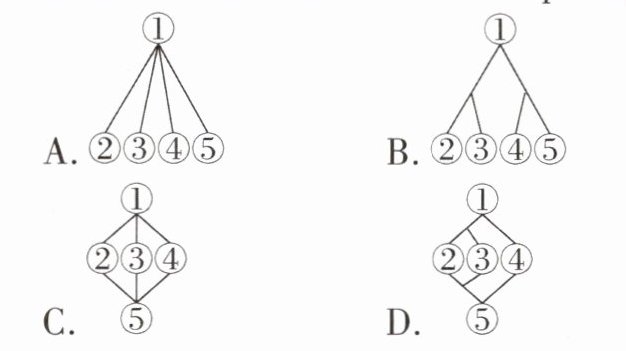
)18. (新考法篇章结构) Which of the following best shows the structure of the passage?(
A
)19. What's the best title for the passage?A. The Secrets of Learning a Language
B. Some Good Ways to Communicate
C. The Differences Among Language Learners
D. It Takes Time to Become a Good Language Teacher
答案
阅读理解·语篇导读 本文主要介绍了优秀的语言学习者所具备的特点。
快速对答案 16—19 C D C A
16. C 细节理解题。根据第二段的第一句可知,优秀的语言学习者会寻找在课堂外听和使用这门新语言的机会,所以他们学语言更快。也就是说他们经常设法练习这门语言。故选C项。
17. D 推理判断题。根据第四段可知,优秀的语言学习者愿意冒险。如果他们第一次没听懂别人说的话,他们不怕一遍遍地让对方重复,直到听懂为止,即他们不畏惧犯错。因此犯错对他们而言是"自然的",故选D项。
18. C 推理判断题。第一段引出话题;第二至四段分别从三个方面介绍优秀的语言学习者的特点;第五段总结。故选C项。
19. A 主旨大意题。文章围绕"如何更好地学习外语"展开,介绍优秀的语言学习者的学习语言的有效方法。A选项(学习语言的秘诀)最适合作标题,故选A项。
快速对答案 16—19 C D C A
16. C 细节理解题。根据第二段的第一句可知,优秀的语言学习者会寻找在课堂外听和使用这门新语言的机会,所以他们学语言更快。也就是说他们经常设法练习这门语言。故选C项。
17. D 推理判断题。根据第四段可知,优秀的语言学习者愿意冒险。如果他们第一次没听懂别人说的话,他们不怕一遍遍地让对方重复,直到听懂为止,即他们不畏惧犯错。因此犯错对他们而言是"自然的",故选D项。
18. C 推理判断题。第一段引出话题;第二至四段分别从三个方面介绍优秀的语言学习者的特点;第五段总结。故选C项。
19. A 主旨大意题。文章围绕"如何更好地学习外语"展开,介绍优秀的语言学习者的学习语言的有效方法。A选项(学习语言的秘诀)最适合作标题,故选A项。
