

 登录
登录
一、完形填空
My love of building things began when I was a kid. It wasn't until I
When I was in fourth grade, our teacher gave us a
Soon
My dad noticed my interest
Together, my dad and I repaired radios and televisions. Once, I made a(n)
As my father and I worked together, I began to
(
C. heard D. thought
(
C. surprise D. gift
(
C. started D. chose
(
C. after D. while
(
C. avoided D. hated
(
C. controlled D. mentioned
(
C. hero D. teacher
(
C. on D. in
(
C. mistake D. joke
(
C. famous D. real
(
C. imperfect D. unusual
(
C. Happiness D. Creativity
(
C. realize D. consider
(
C. Her D. His
(
C. true D. useful
My love of building things began when I was a kid. It wasn't until I
C
about Thomas Edison, though, that I really became excited about inventing.When I was in fourth grade, our teacher gave us a
A
. We had to write to a company and learn about the products it made. Each student would then give a report in front of the class. I D
the Thomas A. Edison Company.Soon
C
I wrote to the company, our postman, sent a package to me. It contained(包含) a book about the life of Thomas Edison. How I A
reading and rereading about his inventions! The ones that B
me most were movies, recorded sound, and the electric light. Edison became my C
.My dad noticed my interest
D
inventing and he encouraged me. He showed me how to turn my ideas into plans and, finally, into new things.Together, my dad and I repaired radios and televisions. Once, I made a(n)
A
to adjust(调整) the brakes(刹车片) of our car. This surprised my dad so much. Later, we found a similar tool in a store. That's when I learnt that B
inventors often invent similar things. It is not D
for this to happen. I also learnt that not all great ideas work. B
is a common part of the inventing process.As my father and I worked together, I began to
C
that my dad was quite an inventor himself. D
guiding hands, together with my interest in inventing, led me to become an engineer and inventor. But I am A
to Thomas Edison, too, for first lighting that bulb(电灯泡) inside me.(
C
)1. A. cared B. worriedC. heard D. thought
(
A
)2. A. project B. lessonC. surprise D. gift
(
D
)3. A. joined B. ownedC. started D. chose
(
C
)4. A. since B. beforeC. after D. while
(
A
)5. A. enjoyed B. mindedC. avoided D. hated
(
B
)6. A. warned B. interestedC. controlled D. mentioned
(
C
)7. A. scientist B. inventorC. hero D. teacher
(
D
)8. A. at B. forC. on D. in
(
A
)9. A. tool B. ideaC. mistake D. joke
(
B
)10. A. young B. differentC. famous D. real
(
D
)11. A. common B. rightC. imperfect D. unusual
(
B
)12. A. Imagination B. FailureC. Happiness D. Creativity
(
C
)13. A. hope B. rememberC. realize D. consider
(
D
)14. A. My B. YourC. Her D. His
(
A
)15. A. thankful B. politeC. true D. useful
答案
1.C 2.A 3.D 4.C 5.A 6.B 7.C 8.D 9.A 10.B 11.D 12.B 13.C 14.D 15.A
解析
【分析】
这是一篇讲述作者发明兴趣起源的记叙文完形填空,解题需结合上下文语境、词汇词义辨析及固定搭配选择答案。每道题的思考方向:1. 结合“about Thomas Edison”及语境,选表“听说”的动词;2. 根据后文“写信给公司做报告”,判断老师布置的是项目;3. 结合语境,作者选定爱迪生公司;4. 逻辑上是写信后收到包裹,选对应介词;5. 用固定搭配enjoy doing,结合语境选“喜欢”;6. 选表“使感兴趣”的词对应发明;7. 爱迪生成为作者的英雄;8. 用固定搭配interest in;9. 结合后文“similar tool”选“工具”;10. 选表“不同的”的形容词;11. 选表“不寻常的”的形容词,对应“这种情况常见”;12. 选表“失败”的名词,对应前文“不是所有好想法都成功”;13. 选表“意识到”的动词;14. 选指代爸爸的物主代词;15. 选表“感谢的”的形容词。
【解析】
1. 考查动词辨析,heard about意为“听说”,符合“了解爱迪生后才兴奋”的语境,故选C;
2. 考查名词,project意为“项目”,对应后文“写信给公司做报告”的任务,故选A;
3. 考查动词,chose意为“选择”,符合作者选定爱迪生公司的语境,故选D;
4. 考查介词,after意为“在…之后”,逻辑上是写信后收到包裹,故选C;
5. 考查动词,enjoyed构成enjoy doing结构,意为“喜欢做某事”,符合作者反复读爱迪生事迹的语境,故选A;
6. 考查动词,interested意为“使感兴趣”,对应“最让我感兴趣的发明”,故选B;
7. 考查名词,hero意为“英雄”,爱迪生成为作者的崇拜对象,故选C;
8. 考查固定搭配,interest in是固定搭配,意为“对…的兴趣”,故选D;
9. 考查名词,tool意为“工具”,对应后文“similar tool”,故选A;
10. 考查形容词,different意为“不同的”,表示不同发明家会有相似发明,故选B;
11. 考查形容词,unusual意为“不寻常的”,表示这种情况很常见(即不罕见),故选D;
12. 考查名词,Failure意为“失败”,对应前文“不是所有好想法都能成功”,故选B;
13. 考查动词,realize意为“意识到”,作者意识到爸爸也是发明家,故选C;
14. 考查物主代词,His指代爸爸的,对应爸爸的指导,故选D;
15. 考查形容词,thankful意为“感谢的”,对应作者对爱迪生的感激,故选A。
【答案】
1.C 2.A 3.D 4.C 5.A 6.B 7.C 8.D 9.A 10.B 11.D 12.B 13.C 14.D 15.A
【知识点】
完形填空、词汇辨析、固定搭配
【点评】
本题为记叙文完形填空,围绕作者发明兴趣的起源展开,重点考查学生对语境的理解、词汇词义辨析及固定搭配的运用,需结合上下文逻辑推理作答,难度适中。
【难度系数】
0.6
这是一篇讲述作者发明兴趣起源的记叙文完形填空,解题需结合上下文语境、词汇词义辨析及固定搭配选择答案。每道题的思考方向:1. 结合“about Thomas Edison”及语境,选表“听说”的动词;2. 根据后文“写信给公司做报告”,判断老师布置的是项目;3. 结合语境,作者选定爱迪生公司;4. 逻辑上是写信后收到包裹,选对应介词;5. 用固定搭配enjoy doing,结合语境选“喜欢”;6. 选表“使感兴趣”的词对应发明;7. 爱迪生成为作者的英雄;8. 用固定搭配interest in;9. 结合后文“similar tool”选“工具”;10. 选表“不同的”的形容词;11. 选表“不寻常的”的形容词,对应“这种情况常见”;12. 选表“失败”的名词,对应前文“不是所有好想法都成功”;13. 选表“意识到”的动词;14. 选指代爸爸的物主代词;15. 选表“感谢的”的形容词。
【解析】
1. 考查动词辨析,heard about意为“听说”,符合“了解爱迪生后才兴奋”的语境,故选C;
2. 考查名词,project意为“项目”,对应后文“写信给公司做报告”的任务,故选A;
3. 考查动词,chose意为“选择”,符合作者选定爱迪生公司的语境,故选D;
4. 考查介词,after意为“在…之后”,逻辑上是写信后收到包裹,故选C;
5. 考查动词,enjoyed构成enjoy doing结构,意为“喜欢做某事”,符合作者反复读爱迪生事迹的语境,故选A;
6. 考查动词,interested意为“使感兴趣”,对应“最让我感兴趣的发明”,故选B;
7. 考查名词,hero意为“英雄”,爱迪生成为作者的崇拜对象,故选C;
8. 考查固定搭配,interest in是固定搭配,意为“对…的兴趣”,故选D;
9. 考查名词,tool意为“工具”,对应后文“similar tool”,故选A;
10. 考查形容词,different意为“不同的”,表示不同发明家会有相似发明,故选B;
11. 考查形容词,unusual意为“不寻常的”,表示这种情况很常见(即不罕见),故选D;
12. 考查名词,Failure意为“失败”,对应前文“不是所有好想法都能成功”,故选B;
13. 考查动词,realize意为“意识到”,作者意识到爸爸也是发明家,故选C;
14. 考查物主代词,His指代爸爸的,对应爸爸的指导,故选D;
15. 考查形容词,thankful意为“感谢的”,对应作者对爱迪生的感激,故选A。
【答案】
1.C 2.A 3.D 4.C 5.A 6.B 7.C 8.D 9.A 10.B 11.D 12.B 13.C 14.D 15.A
【知识点】
完形填空、词汇辨析、固定搭配
【点评】
本题为记叙文完形填空,围绕作者发明兴趣的起源展开,重点考查学生对语境的理解、词汇词义辨析及固定搭配的运用,需结合上下文逻辑推理作答,难度适中。
【难度系数】
0.6
二、阅读理解
Scientists from the Massachusetts Institute of Technology(MIT) have made a new “bubble wrap(气泡塑料)” that can collect clean drinking water from the air—even in Death Valley, the driest place in North America.
This invention could help many people around the world get safe drinking water, especially in places where water is hard to find.
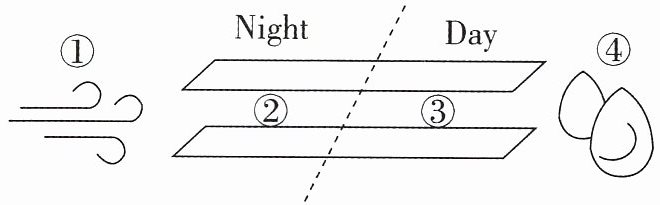
The team shared their results in a study in 2025. The tool uses a special material: hydrogel(水凝胶). It can take in water and it is placed between two pieces of glass, much like a window. At night, it takes water vapor(水蒸气) from the air. During the day, the water vapor turns into liquid water on the cool glass and then drops. The hydrogel has many small round parts, like air bubbles. These round parts grow bigger when they take in water from the air. They increase the surface area, helping the material collect more water.
Scientists tested the tool for one week in Death Valley. Each small board made about 57 to 161 ml of water daily—about a quarter to two-thirds of a cup. In wetter areas, it could make even more. The tool also works without electricity.
Older designs had a problem: lithium(锂) salt, used to help take in water, sometimes leaked(泄漏) into the water and made it dangerous to drink. But this new design uses glycerol(甘油), which keeps the salt from leaking. This way, the lithium salt level stays far below safety limits.
“We imagine these could be used in many places,” said an MIT researcher. “They don’t take up much space, and people can build more of them to make a real difference.”
(
A. To make dry places wetter.
B. To produce power from air.
C. To provide safe water to drink.
D. To clean polluted river water.
(
A. Water disappears.
B. Air turns into water vapor.
C. Water vapor becomes liquid.
D. Hydrogel takes water vapor from the air.
(
A. By placing it in a dry area.
B. By using it in a wet place with electricity.
C. By asking local people to use it in daily life.
D. By trying it out in a laboratory for a whole year.
(
A. They test the water quality every day.
B. They use lithium salt to clean the water.
C. They use the tool only in areas with fresh air.
D. They use glycerol to avoid lithium-salt leakage.
(
A. To introduce a useful new invention.
B. To ask people to save more water.
C. To tell readers a story about Death Valley.
D. To teach people how to make clean water at home.
Scientists from the Massachusetts Institute of Technology(MIT) have made a new “bubble wrap(气泡塑料)” that can collect clean drinking water from the air—even in Death Valley, the driest place in North America.
This invention could help many people around the world get safe drinking water, especially in places where water is hard to find.
The team shared their results in a study in 2025. The tool uses a special material: hydrogel(水凝胶). It can take in water and it is placed between two pieces of glass, much like a window. At night, it takes water vapor(水蒸气) from the air. During the day, the water vapor turns into liquid water on the cool glass and then drops. The hydrogel has many small round parts, like air bubbles. These round parts grow bigger when they take in water from the air. They increase the surface area, helping the material collect more water.
Scientists tested the tool for one week in Death Valley. Each small board made about 57 to 161 ml of water daily—about a quarter to two-thirds of a cup. In wetter areas, it could make even more. The tool also works without electricity.
Older designs had a problem: lithium(锂) salt, used to help take in water, sometimes leaked(泄漏) into the water and made it dangerous to drink. But this new design uses glycerol(甘油), which keeps the salt from leaking. This way, the lithium salt level stays far below safety limits.
“We imagine these could be used in many places,” said an MIT researcher. “They don’t take up much space, and people can build more of them to make a real difference.”
(
C
)1. Why was the bubble wrap invented?A. To make dry places wetter.
B. To produce power from air.
C. To provide safe water to drink.
D. To clean polluted river water.
(
C
)2. 新考法 图文转换 According to the picture, what happens in Stage ③?A. Water disappears.
B. Air turns into water vapor.
C. Water vapor becomes liquid.
D. Hydrogel takes water vapor from the air.
(
A
)3. How did the scientists test the tool?A. By placing it in a dry area.
B. By using it in a wet place with electricity.
C. By asking local people to use it in daily life.
D. By trying it out in a laboratory for a whole year.
(
D
)4. How do the scientists make sure the collected water is safe to drink?A. They test the water quality every day.
B. They use lithium salt to clean the water.
C. They use the tool only in areas with fresh air.
D. They use glycerol to avoid lithium-salt leakage.
(
A
)5. Why does the writer write this passage?A. To introduce a useful new invention.
B. To ask people to save more water.
C. To tell readers a story about Death Valley.
D. To teach people how to make clean water at home.
答案
1.C 2.C 3.A 4.D 5.A
解析
【分析】
1. 第1题:根据题干关键词“invented”定位原文第二段,找到发明的目的是帮助人们获得安全饮用水,对应选项C。
2. 第2题:图文转换题,Stage③对应图片的Day区域,结合原文第三段“During the day, the water vapor turns into liquid water on the cool glass”,可知此时水蒸气变成液态水,对应选项C。
3. 第3题:根据题干“test the tool”定位原文第四段,科学家在北美最干旱的死亡谷测试该工具,对应选项A。
4. 第4题:根据题干“water is safe”定位原文第五段,新设计用甘油防止锂盐泄漏,保证水安全,对应选项D。
5. 第5题:作者写作目的,全文围绕MIT的新发明展开介绍,对应选项A。
【解析】
1. 细节理解题:由第二段“This invention could help many people around the world get safe drinking water”可知,发明目的是提供安全饮用水,故选C。
2. 图文转换题:Stage③属于Day阶段,原文提到“During the day, the water vapor turns into liquid water on the cool glass”,即水蒸气变为液态水,故选C。
3. 细节理解题:由第四段“Scientists tested the tool for one week in Death Valley, the driest place in North America”可知,测试地点是干旱地区,故选A。
4. 细节理解题:由第五段“But this new design uses glycerol(甘油), which keeps the salt from leaking. This way, the lithium salt level stays far below safety limits”可知,用甘油防止锂盐泄漏保证水安全,故选D。
5. 主旨大意题:全文介绍MIT的一项收集空气中饮用水的新发明,作者目的是介绍该新发明,故选A。
【答案】
1.C 2.C 3.A 4.D 5.A
【知识点】
阅读理解、细节理解题、主旨大意题
【点评】
本文是一篇介绍新发明的英语阅读理解材料,题目设置围绕文章细节查找和主旨把握展开,需要学生精准定位原文信息,难度适中,适合初中阶段学生巩固阅读理解能力。
【难度系数】
0.6
1. 第1题:根据题干关键词“invented”定位原文第二段,找到发明的目的是帮助人们获得安全饮用水,对应选项C。
2. 第2题:图文转换题,Stage③对应图片的Day区域,结合原文第三段“During the day, the water vapor turns into liquid water on the cool glass”,可知此时水蒸气变成液态水,对应选项C。
3. 第3题:根据题干“test the tool”定位原文第四段,科学家在北美最干旱的死亡谷测试该工具,对应选项A。
4. 第4题:根据题干“water is safe”定位原文第五段,新设计用甘油防止锂盐泄漏,保证水安全,对应选项D。
5. 第5题:作者写作目的,全文围绕MIT的新发明展开介绍,对应选项A。
【解析】
1. 细节理解题:由第二段“This invention could help many people around the world get safe drinking water”可知,发明目的是提供安全饮用水,故选C。
2. 图文转换题:Stage③属于Day阶段,原文提到“During the day, the water vapor turns into liquid water on the cool glass”,即水蒸气变为液态水,故选C。
3. 细节理解题:由第四段“Scientists tested the tool for one week in Death Valley, the driest place in North America”可知,测试地点是干旱地区,故选A。
4. 细节理解题:由第五段“But this new design uses glycerol(甘油), which keeps the salt from leaking. This way, the lithium salt level stays far below safety limits”可知,用甘油防止锂盐泄漏保证水安全,故选D。
5. 主旨大意题:全文介绍MIT的一项收集空气中饮用水的新发明,作者目的是介绍该新发明,故选A。
【答案】
1.C 2.C 3.A 4.D 5.A
【知识点】
阅读理解、细节理解题、主旨大意题
【点评】
本文是一篇介绍新发明的英语阅读理解材料,题目设置围绕文章细节查找和主旨把握展开,需要学生精准定位原文信息,难度适中,适合初中阶段学生巩固阅读理解能力。
【难度系数】
0.6
