

 登录
登录
一、用所给词的适当形式填空。
1. Thanks for
2. Our teacher taught us some good
3. I spend about twenty minutes
4. (微语境练词汇) He
5. (微语境练词汇) Tom is a really
1. Thanks for
telling
(tell) me the answer to this maths problem.2. Our teacher taught us some good
strategies
(strategy) to remember English words.3. I spend about twenty minutes
watching
(watch) English videos every day.4. (微语境练词汇) He
enjoys
teaching very much. And he tries to make every class enjoyable
by using different ways. (enjoy)5. (微语境练词汇) Tom is a really
active
English learner. He takes part in different English activities
. And he actively
practices speaking English every day. (active)答案
1. telling 2. strategies
3. watching 点拨:spend time(in) doing sth.为固定短语,意为:花时间做某事,故此空填watching。其他用法:spend time/ money on sth.花费时间/金钱在某事/物上。
4. enjoys; enjoyable 点拨:第一空主语是He,且用一般现在时,故填enjoys;第二空考查"make sth. +形容词"结构,故填enjoyable。其他用法:enjoy doing sth.喜欢做某事。
5. active; activities; actively
3. watching 点拨:spend time(in) doing sth.为固定短语,意为:花时间做某事,故此空填watching。其他用法:spend time/ money on sth.花费时间/金钱在某事/物上。
4. enjoys; enjoyable 点拨:第一空主语是He,且用一般现在时,故填enjoys;第二空考查"make sth. +形容词"结构,故填enjoyable。其他用法:enjoy doing sth.喜欢做某事。
5. active; activities; actively
二、根据句意用适当的词填空。
6. I need to prepare
7. If you don't practice playing the piano, your ability will stay
8. The maths problem based
9.
10. She is afraid to speak English
6. I need to prepare
for
my English test this weekend, so I can't go out to play.7. If you don't practice playing the piano, your ability will stay
at
zero.8. The maths problem based
on
the knowledge we learned last week is not difficult.9.
An
active learner always asks questions when he doesn't understand the lesson.10. She is afraid to speak English
with
the foreigner, but her parents tell her to be brave.答案
6. for 7. at 8. on 9. An 10. with
11. (
A.build up
B.break up
C.cheer up
D.end up
A
) When you start learning a new skill, don't be afraid of mistakes. They can help you build up
confidence little by little.A.build up
B.break up
C.cheer up
D.end up
答案
11. A
12. (
A.how
B.whether
C.that
D.what
B
)[安徽人文信息题]Experts are discussing whether
Huangmei Opera , originating from Anqing, should add modern elements (元素) to attract young audiences.A.how
B.whether
C.that
D.what
答案
12. B
13. (
A.face to face
B.step by step
C.side by side
D.hand in hand
B
) The teacher told us to learn the new grammar rules step by step
instead of rushing to remember all at once.A.face to face
B.step by step
C.side by side
D.hand in hand
答案
13. B
14. (
Should we
—Maybe we can choose next weekend instead.
A.put up
B.put on
C.put off
D.put away
C
)—We planned to have a party this Saturday, but most friends are busy.Should we
put off
the party?—Maybe we can choose next weekend instead.
A.put up
B.put on
C.put off
D.put away
答案
14. C
15. (
—What a surprise! You haven't seen each other for years, right?
A.cared about
B.looked for
C.waited for
D.came across
D
)— I came across
my primary school teacher in the supermarket yesterday.—What a surprise! You haven't seen each other for years, right?
A.cared about
B.looked for
C.waited for
D.came across
答案
15. D
四、[马鞍山期末]阅读理解。
语篇类型 素材内容 文化意识
说明文 独特视角学汉字 跨文化意识
To many foreigners, Chinese 侃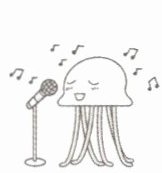
characters may seem like a random (任意的) mix of lines. But to Lena, a 20-year-old girl from Northern Virginia, US, each one tells its own story.
In her eyes, the character “kan (侃)” looks like a singing jellyfish, and the traditional form of “wu (無)” lets her think of a sheep. One day, she tried to draw them as she saw them. To her surprise, after she posted the picture “wu” online, many loved it. Then, she noticed that many Chinese characters “stood out as looking like different objects”. Now, thanks to Lena’s drawings, more people are thinking about language, art and cultural exchanges.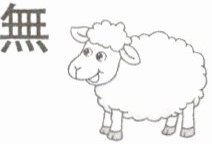
Some people think that Lena seems to understand the beauty of Chinese characters even better than many Chinese people.
“
Lena’s story shows that language is more than just words. She also encourages Chinese learners to talk with native English speakers. “It’s more fun if you are teaching them your language and they’re teaching you theirs at the same time, because then it’s more of a cultural exchange.”
16.(
A. Chinese characters seem like a random mix of lines.
B. A foreigner’s special understanding of Chinese characters.
C. Many more foreigners would like to learn Chinese characters.
D. Every Chinese character can be expressed with a funny picture.
17.(
A.典 B.教 C.铭 D.波
18.(
A. I love Chinese characters very much,
B. I have stayed in China for many years,
C. Chinese is the most difficult language to learn,
D. It’s because you are all used to seeing the characters,
语篇类型 素材内容 文化意识
说明文 独特视角学汉字 跨文化意识
To many foreigners, Chinese 侃
characters may seem like a random (任意的) mix of lines. But to Lena, a 20-year-old girl from Northern Virginia, US, each one tells its own story.
In her eyes, the character “kan (侃)” looks like a singing jellyfish, and the traditional form of “wu (無)” lets her think of a sheep. One day, she tried to draw them as she saw them. To her surprise, after she posted the picture “wu” online, many loved it. Then, she noticed that many Chinese characters “stood out as looking like different objects”. Now, thanks to Lena’s drawings, more people are thinking about language, art and cultural exchanges.
Some people think that Lena seems to understand the beauty of Chinese characters even better than many Chinese people.
“
It’s because you are all used to seeing the characters,
★ ” said Lena. She said that the reverse (反过来) is also true. For example, she learned from her Chinese friends that the letters “orz” together look like a person kneeling (下跪) to say sorry. But it carries no meaning in English.Lena’s story shows that language is more than just words. She also encourages Chinese learners to talk with native English speakers. “It’s more fun if you are teaching them your language and they’re teaching you theirs at the same time, because then it’s more of a cultural exchange.”
16.(
B
)What can the examples in Para. 2 show us?A. Chinese characters seem like a random mix of lines.
B. A foreigner’s special understanding of Chinese characters.
C. Many more foreigners would like to learn Chinese characters.
D. Every Chinese character can be expressed with a funny picture.
17.(
A
)[跨学科·语文]Which Chinese character looks like a birthday cake according to Lena?A.典 B.教 C.铭 D.波
18.(
D
)[新考法·信息还原] Which of the following can be put in “ ★ ”?A. I love Chinese characters very much,
B. I have stayed in China for many years,
C. Chinese is the most difficult language to learn,
D. It’s because you are all used to seeing the characters,
答案
16. B 17. A 18. D
