

 登录
登录
(
—That's a good idea.
A.go to skate
B.going to skating
C.to go to skate
D.going skating
D
) 1. [2024 江苏扬州期末]—What about going skating
?—That's a good idea.
A.go to skate
B.going to skating
C.to go to skate
D.going skating
答案
1 D what about doing sth 表示“做某事怎么样”;go skating 意为“去滑冰”。故选 D 项。
解析
【分析】
这道题考查英语中的固定搭配用法,解题思路分为两步:第一步,明确句型“What about...”的用法,该句型用于提出建议,介词about后需接动词的-ing形式,据此排除不符合形式要求的选项;第二步,掌握“去滑冰”的固定短语表达,排除错误搭配的选项,从而得出正确答案。
【解析】
1. 分析句型要求:“What about...”用于提出建议,about是介词,后面接动词时需用动名词(doing)形式,因此排除A选项(go为动词原形)和C选项(to go为动词不定式)。
2. 分析短语搭配:“去滑冰”的正确固定表达是go skating,不存在go to skating的错误用法,因此排除B选项。
综上,正确答案为D。
【答案】D
【知识点】固定句型搭配;动词-ing形式;常用动词短语
【点评】本题考查基础的英语交际句型及常用动词短语,属于易掌握的基础语法题,需要学生牢记常见固定搭配,难度适中。
【难度系数】0.6
这道题考查英语中的固定搭配用法,解题思路分为两步:第一步,明确句型“What about...”的用法,该句型用于提出建议,介词about后需接动词的-ing形式,据此排除不符合形式要求的选项;第二步,掌握“去滑冰”的固定短语表达,排除错误搭配的选项,从而得出正确答案。
【解析】
1. 分析句型要求:“What about...”用于提出建议,about是介词,后面接动词时需用动名词(doing)形式,因此排除A选项(go为动词原形)和C选项(to go为动词不定式)。
2. 分析短语搭配:“去滑冰”的正确固定表达是go skating,不存在go to skating的错误用法,因此排除B选项。
综上,正确答案为D。
【答案】D
【知识点】固定句型搭配;动词-ing形式;常用动词短语
【点评】本题考查基础的英语交际句型及常用动词短语,属于易掌握的基础语法题,需要学生牢记常见固定搭配,难度适中。
【难度系数】0.6
(
—Sorry, I
A.will not see
B.see
C.didn’t see
D.don’t see
C
)2. [2025 江苏昆山质检]—Sir, please don’t smoke here!—Sorry, I
didn’t see
the sign on the wall.A.will not see
B.see
C.didn’t see
D.don’t see
答案
2 C 句意为:——先生,请不要在这里抽烟!——对不起,我没看到墙上的标志。根据语境可知,此处指没有看到标志,且表示过去发生的事情,时态用一般过去时。故选 C项。
解析
【分析】首先理解对话语境:对方提醒不要在此抽烟,答语是道歉,表达“刚才没看到墙上的标志”,该动作发生在过去,需结合时态规则判断选项。
【解析】根据语境,“没看到标志”是过去发生的动作,需用一般过去时。A项为一般将来时,B项为一般现在时(表经常性动作),D项为一般现在时,均不符合;C项didn’t see是一般过去时,符合语境,故选C。
【答案】C
【知识点】一般过去时;情景交际
【点评】本题结合日常情景对话考查时态运用,需准确判断动作发生的时间,属于基础时态题,难度适中。
【难度系数】0.5
【解析】根据语境,“没看到标志”是过去发生的动作,需用一般过去时。A项为一般将来时,B项为一般现在时(表经常性动作),D项为一般现在时,均不符合;C项didn’t see是一般过去时,符合语境,故选C。
【答案】C
【知识点】一般过去时;情景交际
【点评】本题结合日常情景对话考查时态运用,需准确判断动作发生的时间,属于基础时态题,难度适中。
【难度系数】0.5
(
A.do
B.did
C.have done
D.will do
B
)3. [2025江苏兴化一模]In my school days, I did
a lot of reading in English every day. That was how I learnt English at that time.A.do
B.did
C.have done
D.will do
答案
3 B 句意为:在我上学的时候,我每天都阅读大量英语。那时我就是这样学习英语的。根据下文“That was how I learnt English at that time.”可知,此处表示过去发生的事情,时态用一般过去时。故选 B 项。
解析
【分析】本题考查动词时态辨析,解题时需先抓取句中的时间线索,判断动作发生的时间,再匹配对应时态的选项。
【解析】根据句中时间状语“In my school days”以及“That was how I learnt English at that time”可知,描述的是过去上学时期的日常动作,时态应用一般过去时。A选项do为一般现在时,B选项did为一般过去时,C选项have done为现在完成时,D选项will do为一般将来时,因此选B。
【答案】B
【知识点】一般过去时;动词时态辨析
【点评】本题是初中英语基础时态考查题,核心是通过时间标志判断时态,难度较低,属于学生易掌握的知识点。
【难度系数】0.8
【解析】根据句中时间状语“In my school days”以及“That was how I learnt English at that time”可知,描述的是过去上学时期的日常动作,时态应用一般过去时。A选项do为一般现在时,B选项did为一般过去时,C选项have done为现在完成时,D选项will do为一般将来时,因此选B。
【答案】B
【知识点】一般过去时;动词时态辨析
【点评】本题是初中英语基础时态考查题,核心是通过时间标志判断时态,难度较低,属于学生易掌握的知识点。
【难度系数】0.8
(
A.stand up
B.find out
C.wait for
D.let off
B
)4. [2025 江苏海安质检]After watching the film, Peter wants to read some books to find out
more behind the story.A.stand up
B.find out
C.wait for
D.let off
答案
4 B stand up 意为“起立”;find out 意为“查明;弄清”;wait for 意为“等待”;let off 意为“宽恕”。根据 more behind the story 可知,B 选项符合题意。故选 B 项。
解析
【分析】先理解句子语境,明确句子表达的是Peter看完电影后想通过读书弄清更多故事背后的内容,再辨析四个选项的动词短语含义,结合语境选出合适的短语。
【解析】逐一分析选项:A选项stand up意为“起立”;B选项find out意为“查明;弄清”;C选项wait for意为“等待”;D选项let off意为“宽恕”。根据句子“read some books to ____ more behind the story”(读一些书来弄清更多关于故事背后的内容),可知B选项符合语境,故选B。
【答案】B
【知识点】动词短语辨析
【点评】本题考查常用动词短语的词义辨析,需结合句子语境判断合适的短语,属于基础词义辨析题,难度较低。
【难度系数】0.8
【解析】逐一分析选项:A选项stand up意为“起立”;B选项find out意为“查明;弄清”;C选项wait for意为“等待”;D选项let off意为“宽恕”。根据句子“read some books to ____ more behind the story”(读一些书来弄清更多关于故事背后的内容),可知B选项符合语境,故选B。
【答案】B
【知识点】动词短语辨析
【点评】本题考查常用动词短语的词义辨析,需结合句子语境判断合适的短语,属于基础词义辨析题,难度较低。
【难度系数】0.8
(
—The bus door is too
A.and; narrow
B.or; big
C.or; narrow
D.and; big
C
)5. —Hurry up, or
we will be late for school.—The bus door is too
narrow
. Neither of us can go through it.A.and; narrow
B.or; big
C.or; narrow
D.and; big
答案
5 C 句意为:——快点,否则我们上学要迟到了。——这个公交车门太狭窄了。我们两个人都不能通过它。根据语境可知,第一空表示“否则”;根据“Neither of us can go through it.”可知,第二空表示“窄的”。故选 C 项。
解析
【分析】
首先分析第一空:句子是祈使句+连词+陈述句的结构,此处需要表达“否则”的含义,对应连词or;而and表并列/顺承,不符合“快点,否则上学迟到”的逻辑,故第一空选or。再分析第二空:根据后句“我们都不能通过它”,可知公交车门的特点是“狭窄的”,对应形容词narrow;big(大的)不符合语境,故第二空选narrow,综上确定答案。
【解析】
1. 第一空:祈使句后接or可表示“否则”,符合语境;and表顺承,不符合,排除A、D选项。
2. 第二空:由“我们都不能通过它”可知门是狭窄的,narrow符合;big不符合,排除B选项。因此选C。
【答案】
C
【知识点】
连词用法、形容词词义辨析
【点评】
本题考查祈使句的固定句式及形容词词义辨析,属于基础题型,需掌握常用连词和形容词的语境运用。
【难度系数】
0.6
首先分析第一空:句子是祈使句+连词+陈述句的结构,此处需要表达“否则”的含义,对应连词or;而and表并列/顺承,不符合“快点,否则上学迟到”的逻辑,故第一空选or。再分析第二空:根据后句“我们都不能通过它”,可知公交车门的特点是“狭窄的”,对应形容词narrow;big(大的)不符合语境,故第二空选narrow,综上确定答案。
【解析】
1. 第一空:祈使句后接or可表示“否则”,符合语境;and表顺承,不符合,排除A、D选项。
2. 第二空:由“我们都不能通过它”可知门是狭窄的,narrow符合;big不符合,排除B选项。因此选C。
【答案】
C
【知识点】
连词用法、形容词词义辨析
【点评】
本题考查祈使句的固定句式及形容词词义辨析,属于基础题型,需掌握常用连词和形容词的语境运用。
【难度系数】
0.6
(
—OK.
A.slowly
B.clearly
C.sadly
D.loudly
B
)6. —Sit in the front of the hall, and you can see the pictures clearly
.—OK.
A.slowly
B.clearly
C.sadly
D.loudly
答案
6 B 句意为:——坐在大厅的前面,你可以清楚地看到这些画。——好的。根据语境可知,此处指清楚地看到这些画。故选 B 项。
解析
【分析】首先理解句子语境:坐在大厅前面的目的是能清楚看到画。接着分析各选项副词的含义:A选项slowly意为“慢慢地”,B选项clearly意为“清楚地”,C选项sadly意为“难过地”,D选项loudly意为“大声地”。结合语境,坐在大厅前面是为了清楚看到画,因此可锁定正确选项。
【解析】先翻译句子:——坐在大厅的前面,你可以清楚地看到这些画。——好的。逐一分析选项:A项slowly描述动作速度,不符合“看画”的语境;B项clearly表示“清楚地”,符合“坐在前面能看清画”的逻辑;C项sadly表达情绪,与看画的状态无关;D项loudly修饰声音,不修饰“看”的动作。综上,正确答案为B。
【答案】B
【知识点】副词词义辨析、语境运用
【点评】本题为英语基础题型,考查副词词义辨析,结合日常场景语境即可快速选出答案,难度较低。
【难度系数】0.8
【解析】先翻译句子:——坐在大厅的前面,你可以清楚地看到这些画。——好的。逐一分析选项:A项slowly描述动作速度,不符合“看画”的语境;B项clearly表示“清楚地”,符合“坐在前面能看清画”的逻辑;C项sadly表达情绪,与看画的状态无关;D项loudly修饰声音,不修饰“看”的动作。综上,正确答案为B。
【答案】B
【知识点】副词词义辨析、语境运用
【点评】本题为英语基础题型,考查副词词义辨析,结合日常场景语境即可快速选出答案,难度较低。
【难度系数】0.8
(
—Yes, I saw it last week.
A.never
B.ever
C.often
D.then
B
)7. [2024 江苏淮安期末]—Have you ever
seen the film before?—Yes, I saw it last week.
A.never
B.ever
C.often
D.then
答案
7 B 句意为:——你以前看过这部电影吗?——是的,我上周看的。ever 意为“在任何时候”,常用于时态为现在完成时的疑问句中,符合语境。故选 B 项。
解析
【分析】首先观察问句时态为现在完成时(结构为Have + 主语 + 过去分词),需辨析四个选项副词的含义与适用语境:A项never意为“从不”,表否定;B项ever意为“曾经”,常用于现在完成时的疑问句中;C项often意为“经常”,多修饰一般现在时或一般过去时的动作;D项then意为“然后、那时”,不符合句意。结合答语“上周看过”,问句是询问是否有过相关经历,因此需选择符合语境的副词。
【解析】该句为现在完成时的一般疑问句,用于询问是否有过某种经历。ever意为“曾经”,常用于现在完成时的疑问句中,符合语境;never表否定,不符合问句的询问意图;often用于描述经常性动作,不适合此处询问单次经历的语境;then语义不符。因此正确答案为B。
【答案】B
【知识点】现在完成时;副词辨析
【点评】本题考查现在完成时中副词的用法,属于基础语法题,需掌握ever在现在完成时疑问句中的常用含义,难度较低,大部分学生可正确作答。
【难度系数】0.8
【解析】该句为现在完成时的一般疑问句,用于询问是否有过某种经历。ever意为“曾经”,常用于现在完成时的疑问句中,符合语境;never表否定,不符合问句的询问意图;often用于描述经常性动作,不适合此处询问单次经历的语境;then语义不符。因此正确答案为B。
【答案】B
【知识点】现在完成时;副词辨析
【点评】本题考查现在完成时中副词的用法,属于基础语法题,需掌握ever在现在完成时疑问句中的常用含义,难度较低,大部分学生可正确作答。
【难度系数】0.8
(
A.looked
B.followed
C.rushed
D.passed
B
)8. Which of the following "ed" has a different pronunciation from the other three?A.looked
B.followed
C.rushed
D.passed
答案
8 B A、C、D 项中 ed 前发音为清辅音,ed 的读音为/t/,B 选项中 ed 前发音为浊辅音 ed 的读音为/d/。故选 B 项。
解析
【分析】本题考查动词过去式后缀“ed”的发音规则,解题思路是:先明确“ed”的发音规律——在清辅音后读/t/,在浊辅音或元音后读/d/,在/t/、/d/后读/id/;再逐一分析每个选项中单词末尾的发音,判断“ed”的读音,找出读音不同的选项。
【解析】根据“ed”的发音规则:A选项looked中,look的末尾发音为清辅音/k/,故“ed”读/t/;B选项followed中,follow的末尾发音为浊辅音/l/,故“ed”读/d/;C选项rushed中,rush的末尾发音为清辅音/ʃ/,故“ed”读/t/;D选项passed中,pass的末尾发音为清辅音/s/,故“ed”读/t/。因此,只有B选项中“ed”的读音与其他三项不同。
【答案】B
【知识点】英语语音(ed的发音规则)
【点评】本题聚焦英语基础语音知识,考查动词过去式后缀“ed”的发音规律,只要牢记规则即可轻松解答,属于易得分的基础题。
【难度系数】0.7
【解析】根据“ed”的发音规则:A选项looked中,look的末尾发音为清辅音/k/,故“ed”读/t/;B选项followed中,follow的末尾发音为浊辅音/l/,故“ed”读/d/;C选项rushed中,rush的末尾发音为清辅音/ʃ/,故“ed”读/t/;D选项passed中,pass的末尾发音为清辅音/s/,故“ed”读/t/。因此,只有B选项中“ed”的读音与其他三项不同。
【答案】B
【知识点】英语语音(ed的发音规则)
【点评】本题聚焦英语基础语音知识,考查动词过去式后缀“ed”的发音规律,只要牢记规则即可轻松解答,属于易得分的基础题。
【难度系数】0.7
(
—I'd love to, but I'll
A.suffer from
B.turn off
C.set off
D.sit up
C
)9. —Will you go to Amy's birthday party next weekend?—I'd love to, but I'll
set off
for a ten-day trip to Guangzhou tomorrow morning.A.suffer from
B.turn off
C.set off
D.sit up
答案
9 C 句意为:——下周末你会去参加埃米的生日聚会吗?——我很想去,但明天早上我要出发去广州进行为期十天的旅行。根据 for a ten-day trip 可知是动身去旅行。故选 C 项。
解析
【分析】
先理解对话语境:答句表示想去参加聚会,但明天早上要去广州进行十天的旅行,需选择表示“出发去某地”的短语。再逐一分析各选项短语含义,结合语境排除不符合的选项,选出正确答案。
【解析】
逐一分析选项:
A. suffer from:意为“遭受;患(病)”,与“去广州旅行”的语境不符;
B. turn off:意为“关掉(电器、开关等)”,和旅行无关,排除;
C. set off:意为“出发;动身”,set off for是固定搭配,表“动身去某地”,符合“去广州旅行”的语境;
D. sit up:意为“熬夜;端坐”,不符合句意,排除。
结合语境,此处需表达“出发去旅行”,故选C。
【答案】
C
【知识点】
动词短语辨析
【点评】
本题考查常用动词短语在语境中的运用,需准确掌握各短语含义并结合句子语境判断,属于基础语境类题目。
【难度系数】
0.4
先理解对话语境:答句表示想去参加聚会,但明天早上要去广州进行十天的旅行,需选择表示“出发去某地”的短语。再逐一分析各选项短语含义,结合语境排除不符合的选项,选出正确答案。
【解析】
逐一分析选项:
A. suffer from:意为“遭受;患(病)”,与“去广州旅行”的语境不符;
B. turn off:意为“关掉(电器、开关等)”,和旅行无关,排除;
C. set off:意为“出发;动身”,set off for是固定搭配,表“动身去某地”,符合“去广州旅行”的语境;
D. sit up:意为“熬夜;端坐”,不符合句意,排除。
结合语境,此处需表达“出发去旅行”,故选C。
【答案】
C
【知识点】
动词短语辨析
【点评】
本题考查常用动词短语在语境中的运用,需准确掌握各短语含义并结合句子语境判断,属于基础语境类题目。
【难度系数】
0.4
(
—
A.Good luck
B.You’re welcome
C.Thanks so much
D.Sure, no problem
D
)10. [2024山东滨州期末]—I can’t find Rick. Could you tell him to call me back?—
Sure, no problem
.A.Good luck
B.You’re welcome
C.Thanks so much
D.Sure, no problem
答案
10 D 句意为:——我找不到里克。你能让他给我回电话吗?——当然,没问题。根据语境,故选 D 项。
解析
【分析】
这是一道日常情景交际题,解题时需先明确对话语境:一方请求另一方帮忙传话(让Rick回电话),再分析各选项含义,选择符合请求回应的答语。
【解析】
对话中前者提出请求“你能让Rick给我回电话吗?”,需匹配恰当回应:A项“Good luck”(祝你好运)与请求无关;B项“You’re welcome”(不客气)用于回应感谢,不适用;C项“Thanks so much”(非常感谢)用于表达感谢,不符合语境;D项“Sure, no problem”(当然,没问题)是对请求帮忙的合理回应,故选D。
【答案】
D
【知识点】
情景交际(日常用语)
【点评】
本题考查日常情景交际用语,结合对话语境即可选出正确答语,属于基础题型。
【难度系数】
0.8
这是一道日常情景交际题,解题时需先明确对话语境:一方请求另一方帮忙传话(让Rick回电话),再分析各选项含义,选择符合请求回应的答语。
【解析】
对话中前者提出请求“你能让Rick给我回电话吗?”,需匹配恰当回应:A项“Good luck”(祝你好运)与请求无关;B项“You’re welcome”(不客气)用于回应感谢,不适用;C项“Thanks so much”(非常感谢)用于表达感谢,不符合语境;D项“Sure, no problem”(当然,没问题)是对请求帮忙的合理回应,故选D。
【答案】
D
【知识点】
情景交际(日常用语)
【点评】
本题考查日常情景交际用语,结合对话语境即可选出正确答语,属于基础题型。
【难度系数】
0.8
Ⅱ.完形填空(15分)
[2024河南南阳期中]In September 2019, I was travelling along Cabbage Tree Creek (小溪) alone. It was not easy to travel there. Although I’d done it many times before, I wanted to be
I reached the base of a waterfall. From there, I started
Deep in a thick forest, there was no
As I couldn’t walk, I set off on my
I was told it was my manager who found I hadn’t
Now I’m back to enjoying the great outdoor activities—but I always tell people where I’m going.
(
(
(
(
(
(
(
(
(
(
(
(
(
(
(
Ⅲ.阅读选择(10分)
[2025江苏靖江质检]①A lot of people play sports, but very few people become sports professionals. If sports aren’t going to be your future, then why should you play them? Why should you train every day? Why should you work hard and feel sore the next day? Wouldn’t it be better to forget sports and only pay attention to your lessons? In fact, there are a lot of reasons to play sports.
②First of all, sports are a great way to exercise. Exercising keeps you healthy and strong. It also helps you stay in a good condition. When you exercise, your body makes endorphins (内啡肽) which give you more energy and make you feel happier.
③Also, sports teach young people how to communicate (沟通) and work as a team. They teach young people to respect their coaches, teammates and players from the other team. Many reports say that sports help young people stay out of trouble. If a young person plays sports, he or she may have fewer problems. This is because sports teach people about rules. They also teach people that if they work hard, they might succeed.
④Another good way of sports is that they make people leave their houses. These days, a lot of people spend too much time watching television and playing video games. When you play sports, you go outside and exercise in the sun. You take in fresh air. All of these things are important.
⑤Maybe you’re not going to become a sports professional, but that doesn’t matter. Sports will help you become a better and happier person.
(
A. make a survey
B. ask for advice
C. introduce the topic
D. share knowledge of sports
(
A. When endorphins are made in our bodies, we will get angry easily.
B. If young people do more sports, they will have more problems.
C. When doing sports, we should respect everyone in the game.
D. More indoor exercise can bring people happiness and health.
(
A. Reports.
B. Sports.
C. Problems.
D. Rules.
(
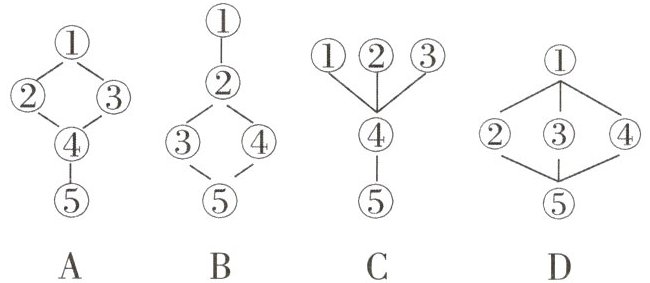
(
A. Sports Are Good for People
B. Sports Make People Go Outside
C. Sports Are Just for Professionals
D. Sports Teach People to Work Hard
[2024河南南阳期中]In September 2019, I was travelling along Cabbage Tree Creek (小溪) alone. It was not easy to travel there. Although I’d done it many times before, I wanted to be
safe
11. So I filled my backpack with essentials, like snacks, warm clothes, and maps.I reached the base of a waterfall. From there, I started
climbing
12 the rocks at the right side of the falls. But around three-quarters of the way up, I made a mistake and broke my left hand on a rock before dropping
13 into the water. I knew I was in trouble
14 as soon as I started swimming. Finally, I pulled
15 myself out of the water and saw that my foot was dangling (悬垂) from my leg. I used a splint (夹板) to keep them in place
16. Then I got my phone from my dry bag. There was no signal (信号), but I guessed I could make
17 the 30 metres east to get it. However, as I went to put the phone in my pocket, it fell into the creek. Now I found myself in an even more dangerous situation.Deep in a thick forest, there was no
chance
18 that anyone would find me. I knew there was an open space between two creeks three kilometres away, where a helicopter (直升机) could notice me.As I couldn’t walk, I set off on my
bottom
19 with the help of my right hand. The following three days were very tiring. Every metre I stopped to take a rest. To keep myself going
20, I thought about my family and encouraged
21 myself. Luckily
22, I was saved by a helicopter in the end.I was told it was my manager who found I hadn’t
turned up
23 on Monday morning and phoned my sister. She called a few people, including my friend Judy, who happened
24 to know about my walking plans. I didn’t even remember telling her, but I was so thankful
25 I had!Now I’m back to enjoying the great outdoor activities—but I always tell people where I’m going.
(
B
)11. A. difficult B. safe C. famous D. friendly(
B
)12. A. cutting B. climbing C. cleaning D. checking(
D
)13. A. hiding B. looking C. jumping D. dropping(
C
)14. A. time B. order C. trouble D. control(
A
)15. A. pulled B. pushed C. reached D. gave(
D
)16. A. mind B. case C. touch D. place(
B
)17. A. run B. make C. drive D. hear(
B
)18. A. doubt B. chance C. worry D. secret(
C
)19. A. head B. neck C. bottom D. shoulder(
B
)20. A. changing B. going C. imagining D. waiting(
D
)21. A. taught B. enjoyed C. showed D. encouraged(
A
)22. A. Luckily B. Gradually C. Suddenly D. Normally(
A
)23. A. turned up B. turned down C. turned off D. turned out(
D
)24. A. refused B. failed C. pretended D. happened(
C
)25. A. sorry B. confident C. thankful D. proudⅢ.阅读选择(10分)
[2025江苏靖江质检]①A lot of people play sports, but very few people become sports professionals. If sports aren’t going to be your future, then why should you play them? Why should you train every day? Why should you work hard and feel sore the next day? Wouldn’t it be better to forget sports and only pay attention to your lessons? In fact, there are a lot of reasons to play sports.
②First of all, sports are a great way to exercise. Exercising keeps you healthy and strong. It also helps you stay in a good condition. When you exercise, your body makes endorphins (内啡肽) which give you more energy and make you feel happier.
③Also, sports teach young people how to communicate (沟通) and work as a team. They teach young people to respect their coaches, teammates and players from the other team. Many reports say that sports help young people stay out of trouble. If a young person plays sports, he or she may have fewer problems. This is because sports teach people about rules. They also teach people that if they work hard, they might succeed.
④Another good way of sports is that they make people leave their houses. These days, a lot of people spend too much time watching television and playing video games. When you play sports, you go outside and exercise in the sun. You take in fresh air. All of these things are important.
⑤Maybe you’re not going to become a sports professional, but that doesn’t matter. Sports will help you become a better and happier person.
(
C
)26. The purpose of the first paragraph is to .A. make a survey
B. ask for advice
C. introduce the topic
D. share knowledge of sports
(
C
)27. According to the passage, which of the following is TRUE about sports?A. When endorphins are made in our bodies, we will get angry easily.
B. If young people do more sports, they will have more problems.
C. When doing sports, we should respect everyone in the game.
D. More indoor exercise can bring people happiness and health.
(
B
)28. What does the underlined word “They” in Paragraph 3 refer to?A. Reports.
B. Sports.
C. Problems.
D. Rules.
(
D
)29. [新考法篇章结构]Which of the following shows the structure of the passage?(
A
)30. What is the best title for the passage?A. Sports Are Good for People
B. Sports Make People Go Outside
C. Sports Are Just for Professionals
D. Sports Teach People to Work Hard
答案
完形填空·语篇导读 本文作者讲述了自己在一次旅行中遇险并获救的难忘经历。
快速对答案 11—15 B B D C A 16—20 D B B C B 21—25 D A A D C
11 B 根据第一段最后一句可知,作者想保证自己的安全。故选 B 项。
12 B 根据 But around three-quarters of the way up 可知,此处指的是爬岩石。故选 B 项。
13 D 根据上文和 into the water 可知,作者掉入了水中。故选 D 项。
14 C 句意为:我一开始游泳就知道我有麻烦了。固定短语 in trouble 意为“处于麻烦中”,符合语境。故选 C 项。
15 A 句意为:最后,我用力逃出水中……pull sb out of sth 意为“让某人摆脱(不好的局面)/离开(危险地带)”,符合语境。故选 A项。
16 D 句意为:我用夹板把它们固定住。根据 my foot was dangling from my leg 以及 I used a splint to keep them in 可知,此处指固定住脚和腿,in place 意为“在正确的位置”,符合语境。故选 D 项。
17 B 句意为:没有信号,但我想我可以向东走 30 米去找信号。根据上文及下文的 I couldn't walk 可知,make 意为“到达;达到”,符合语境。故选 B 项。
18 B 句意为:在茂密的森林深处,任何人都不可能找到我。there is/was no chance 意为“不可能”,符合语境。故选 B 项。
19 C 根据 I couldn't walk 及 with the help of my right hand 可知,此处指在右手的帮助下用臀部移动,bottom 意为“臀部”。故选 C 项。
20 B 句意为:为了让自己坚持下去,我想到了我的家人并鼓励自己。keep sb going 意为“使某人坚持下去”,符合语境。故选 B 项。
21 D 句意见上一题解析。根据语境可知,此处表示“鼓励”,故选 D 项。
22 A 句意为:幸运的是,一架直升机最后救了我。根据 I was saved by a helicopter in the end 可知,此处指幸运的是,作者被救了。故选 A 项。
23 A 根据“my manager who found I hadn't... on Monday morning”可知,此处指经理发现作者在周一早上没出现,turn up 意为“出现”。故选 A 项。
24 D 句意为:她给几个人打了电话,包括我的朋友朱迪,她碰巧知道我的步行计划。happen to do sth 意为“碰巧做某事”,符合语境,故选 D 项。
25 C 句意为:我甚至不记得告诉过她,但我很感激我告诉了她!根据上下文可知,作者感激自己把步行计划告诉了她。故选 C 项。
阅读选择·语篇导读 本文主要介绍了运动给人们带来的诸多好处。
快速对答案 26—30 C C B D A
26 C 推理判断题。根据第一段中“In fact, there are a lot of reasons to play sports.”可推知,本段是为了介绍文章主题。故选 C 项。
27 C 细节理解题。根据第三段中“They teach young people to respect their coaches, teammates and players from the other team.”可知,在做运动时,我们应该尊重比赛中的每一个人。故选 C 项。
28 B 词义猜测题。根据第三段中“Also, sports teach young people how to communicate and work as a team... from the other team.”可知,此处的 They 指代运动。故选 B 项。
29 D 推理判断题。通读全文可知,文章第一段引出“运动”这一主题,第二、三、四段讲述做运动的原因及好处,第五段总结并点明主旨,属于“总—分—总”的结构。故选 D 项。
30 A 主旨大意题。根据最后一段中“Sports will help you become a better and happier person.”及全文可知,文章主要介绍了运动给人们带来的诸多好处。选项 A(运动对人们有益)最适合作标题。故选 A 项。
快速对答案 11—15 B B D C A 16—20 D B B C B 21—25 D A A D C
11 B 根据第一段最后一句可知,作者想保证自己的安全。故选 B 项。
12 B 根据 But around three-quarters of the way up 可知,此处指的是爬岩石。故选 B 项。
13 D 根据上文和 into the water 可知,作者掉入了水中。故选 D 项。
14 C 句意为:我一开始游泳就知道我有麻烦了。固定短语 in trouble 意为“处于麻烦中”,符合语境。故选 C 项。
15 A 句意为:最后,我用力逃出水中……pull sb out of sth 意为“让某人摆脱(不好的局面)/离开(危险地带)”,符合语境。故选 A项。
16 D 句意为:我用夹板把它们固定住。根据 my foot was dangling from my leg 以及 I used a splint to keep them in 可知,此处指固定住脚和腿,in place 意为“在正确的位置”,符合语境。故选 D 项。
17 B 句意为:没有信号,但我想我可以向东走 30 米去找信号。根据上文及下文的 I couldn't walk 可知,make 意为“到达;达到”,符合语境。故选 B 项。
18 B 句意为:在茂密的森林深处,任何人都不可能找到我。there is/was no chance 意为“不可能”,符合语境。故选 B 项。
19 C 根据 I couldn't walk 及 with the help of my right hand 可知,此处指在右手的帮助下用臀部移动,bottom 意为“臀部”。故选 C 项。
20 B 句意为:为了让自己坚持下去,我想到了我的家人并鼓励自己。keep sb going 意为“使某人坚持下去”,符合语境。故选 B 项。
21 D 句意见上一题解析。根据语境可知,此处表示“鼓励”,故选 D 项。
22 A 句意为:幸运的是,一架直升机最后救了我。根据 I was saved by a helicopter in the end 可知,此处指幸运的是,作者被救了。故选 A 项。
23 A 根据“my manager who found I hadn't... on Monday morning”可知,此处指经理发现作者在周一早上没出现,turn up 意为“出现”。故选 A 项。
24 D 句意为:她给几个人打了电话,包括我的朋友朱迪,她碰巧知道我的步行计划。happen to do sth 意为“碰巧做某事”,符合语境,故选 D 项。
25 C 句意为:我甚至不记得告诉过她,但我很感激我告诉了她!根据上下文可知,作者感激自己把步行计划告诉了她。故选 C 项。
阅读选择·语篇导读 本文主要介绍了运动给人们带来的诸多好处。
快速对答案 26—30 C C B D A
26 C 推理判断题。根据第一段中“In fact, there are a lot of reasons to play sports.”可推知,本段是为了介绍文章主题。故选 C 项。
27 C 细节理解题。根据第三段中“They teach young people to respect their coaches, teammates and players from the other team.”可知,在做运动时,我们应该尊重比赛中的每一个人。故选 C 项。
28 B 词义猜测题。根据第三段中“Also, sports teach young people how to communicate and work as a team... from the other team.”可知,此处的 They 指代运动。故选 B 项。
29 D 推理判断题。通读全文可知,文章第一段引出“运动”这一主题,第二、三、四段讲述做运动的原因及好处,第五段总结并点明主旨,属于“总—分—总”的结构。故选 D 项。
30 A 主旨大意题。根据最后一段中“Sports will help you become a better and happier person.”及全文可知,文章主要介绍了运动给人们带来的诸多好处。选项 A(运动对人们有益)最适合作标题。故选 A 项。
解析
【分析】
本题包含初中英语核心题型:完形填空与阅读理解。其中,完形填空为记叙文,需结合上下文语境、词汇词义辨析、固定搭配等知识解题;阅读理解为议论文,需掌握主旨大意、细节理解、词义猜测、篇章结构等阅读技巧解题。
【解析】
一、完形填空(11-25题)
11. 结合前文“虽多次尝试但仍想保证安全”及后文准备必需品,选B(safe)。
12. 根据“到了四分之三高度”的描述,可知是爬岩石,选B(climbing)。
13. 结合“摔断手后掉入水中”的语境,选D(dropping)。
14. 固定搭配in trouble(处于麻烦中),符合“一游泳就陷入困境”的语境,选C(trouble)。
15. 固定搭配pull sb out of(使某人脱离),符合“从水中出来”的描述,选A(pulled)。
16. 固定搭配keep sth in place(使某物固定),对应“用夹板固定脚”,选D(place)。
17. 此处表示“向东走30米到达目标处”,make有“到达”之意,选B(make)。
18. 固定搭配there is no chance(不可能),符合“森林深处无人能找到”的语境,选B(chance)。
19. 结合“无法行走,靠右手移动”,可知是用臀部移动,选C(bottom)。
20. 固定搭配keep sb going(使某人坚持),对应“靠家人鼓励自己坚持”,选B(going)。
21. 结合语境“想家人并鼓励自己”,选D(encouraged)。
22. 最后被直升机救援,是幸运的,选A(Luckily)。
23. 经理发现周一未出现,turn up表示“出现”,选A(turned up)。
24. 朋友碰巧知道行程计划,happen to do表示“碰巧做”,选D(happened)。
25. 感激自己告知朋友行程,选C(thankful)。
二、阅读理解(26-30题)
26. 第一段最后一句引出“运动有诸多好处”的主题,选C(introduce the topic)。
27. 细节理解:A内啡肽让人开心而非生气;B运动多的人问题更少;C第三段明确提到要尊重比赛各方;D是户外运动而非室内,选C。
28. 第三段围绕“运动的作用”展开,They指代sports,选B。
29. 篇章结构:第一段总起,二-四段分述运动好处,第五段总结,为总-分-总结构,选D。
30. 主旨大意:全文围绕“运动对人的益处”展开,选A(Sports Are Good for People)。
【答案】
完形填空:11.B 12.B 13.D 14.C 15.A 16.D 17.B 18.B 19.C 20.B 21.D 22.A 23.A 24.D 25.C
阅读理解:26.C 27.C 28.B 29.D 30.A
【知识点】
完形填空、阅读理解、固定搭配
【点评】
本题为初中英语期中/质检常见综合题型,既考查记叙文语境下的词汇运用,又考查议论文的多种阅读技巧,需学生具备扎实的词汇基础和阅读分析能力,区分度适中。
【难度系数】
0.6
本题包含初中英语核心题型:完形填空与阅读理解。其中,完形填空为记叙文,需结合上下文语境、词汇词义辨析、固定搭配等知识解题;阅读理解为议论文,需掌握主旨大意、细节理解、词义猜测、篇章结构等阅读技巧解题。
【解析】
一、完形填空(11-25题)
11. 结合前文“虽多次尝试但仍想保证安全”及后文准备必需品,选B(safe)。
12. 根据“到了四分之三高度”的描述,可知是爬岩石,选B(climbing)。
13. 结合“摔断手后掉入水中”的语境,选D(dropping)。
14. 固定搭配in trouble(处于麻烦中),符合“一游泳就陷入困境”的语境,选C(trouble)。
15. 固定搭配pull sb out of(使某人脱离),符合“从水中出来”的描述,选A(pulled)。
16. 固定搭配keep sth in place(使某物固定),对应“用夹板固定脚”,选D(place)。
17. 此处表示“向东走30米到达目标处”,make有“到达”之意,选B(make)。
18. 固定搭配there is no chance(不可能),符合“森林深处无人能找到”的语境,选B(chance)。
19. 结合“无法行走,靠右手移动”,可知是用臀部移动,选C(bottom)。
20. 固定搭配keep sb going(使某人坚持),对应“靠家人鼓励自己坚持”,选B(going)。
21. 结合语境“想家人并鼓励自己”,选D(encouraged)。
22. 最后被直升机救援,是幸运的,选A(Luckily)。
23. 经理发现周一未出现,turn up表示“出现”,选A(turned up)。
24. 朋友碰巧知道行程计划,happen to do表示“碰巧做”,选D(happened)。
25. 感激自己告知朋友行程,选C(thankful)。
二、阅读理解(26-30题)
26. 第一段最后一句引出“运动有诸多好处”的主题,选C(introduce the topic)。
27. 细节理解:A内啡肽让人开心而非生气;B运动多的人问题更少;C第三段明确提到要尊重比赛各方;D是户外运动而非室内,选C。
28. 第三段围绕“运动的作用”展开,They指代sports,选B。
29. 篇章结构:第一段总起,二-四段分述运动好处,第五段总结,为总-分-总结构,选D。
30. 主旨大意:全文围绕“运动对人的益处”展开,选A(Sports Are Good for People)。
【答案】
完形填空:11.B 12.B 13.D 14.C 15.A 16.D 17.B 18.B 19.C 20.B 21.D 22.A 23.A 24.D 25.C
阅读理解:26.C 27.C 28.B 29.D 30.A
【知识点】
完形填空、阅读理解、固定搭配
【点评】
本题为初中英语期中/质检常见综合题型,既考查记叙文语境下的词汇运用,又考查议论文的多种阅读技巧,需学生具备扎实的词汇基础和阅读分析能力,区分度适中。
【难度系数】
0.6
