

 登录
登录
「2025 江西中考改编」
You can put a stamp on it, you can write an address on it, and you can send it through the mail. No, it's not a package (包裹). It's the amazing coconut (椰子)! The coconut is different from most other fruits because every part of it is useful. People have been using coconuts in many different ways. Here are some of them.
One exciting use of the coconuts is as a kind of energy. Scientists are working on using coconuts for energy because they are cheap and clean. Coconut oil has already been made into fuel (燃料). It can power cars, trucks, ships and many more.
Students at Baylor University find that coconut husks (外壳) can take in water very well. So mixing coconut husks with dry soil (土壤) helps the soil to hold onto more of the water. The students also find that coconut husks can take the place of plastic in some cases. If this is possible, it will help people use less plastic.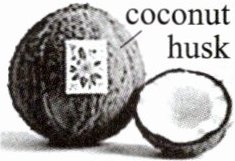
The husk of the coconut is a perfect package. It protects the coconut from harm. That's why some countries allow people to send the coconuts without any packaging. Each year, tourists post about 3,000 of these “coconut postcards”.
Coconuts grow naturally in over 80 countries of the world. They require only sun and proper rain. No special care is needed. It is not surprising, then, that people want to find so many uses for the coconut.
25. Why is the coconut different from most other fruits?
A. Because stamps can be put on it.
B. Because every part of it is useful.
C. Because people can send it in a package through the mail.
D. Because addresses can be written on it.
26. The underlined word “power” in Paragraph 2 means “_______”.
A. make room for
B. add value to
C. provide energy for
D. put weight on
27. 新中考 文章主题题 In which part of the magazine could we read the passage?
A. Story Time.
B. History World.
C. Sports News.
D. Amazing Nature.
28. 新中考 写作目的题 What's the main purpose of the passage?
A. To advise people to protect coconuts.
B. To ask people to grow more coconuts.
C. To show the value and uses of coconuts.
D. To introduce a new type of fuel made from coconuts.
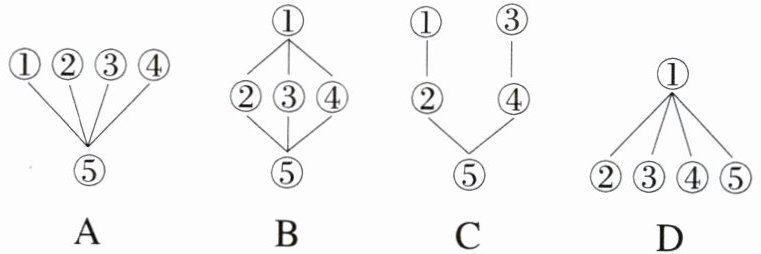
29. 新中考 文章结构题 What would be the best structure of the passage?
You can put a stamp on it, you can write an address on it, and you can send it through the mail. No, it's not a package (包裹). It's the amazing coconut (椰子)! The coconut is different from most other fruits because every part of it is useful. People have been using coconuts in many different ways. Here are some of them.
One exciting use of the coconuts is as a kind of energy. Scientists are working on using coconuts for energy because they are cheap and clean. Coconut oil has already been made into fuel (燃料). It can power cars, trucks, ships and many more.
Students at Baylor University find that coconut husks (外壳) can take in water very well. So mixing coconut husks with dry soil (土壤) helps the soil to hold onto more of the water. The students also find that coconut husks can take the place of plastic in some cases. If this is possible, it will help people use less plastic.
The husk of the coconut is a perfect package. It protects the coconut from harm. That's why some countries allow people to send the coconuts without any packaging. Each year, tourists post about 3,000 of these “coconut postcards”.
Coconuts grow naturally in over 80 countries of the world. They require only sun and proper rain. No special care is needed. It is not surprising, then, that people want to find so many uses for the coconut.
25. Why is the coconut different from most other fruits?
A. Because stamps can be put on it.
B. Because every part of it is useful.
C. Because people can send it in a package through the mail.
D. Because addresses can be written on it.
26. The underlined word “power” in Paragraph 2 means “_______”.
A. make room for
B. add value to
C. provide energy for
D. put weight on
27. 新中考 文章主题题 In which part of the magazine could we read the passage?
A. Story Time.
B. History World.
C. Sports News.
D. Amazing Nature.
28. 新中考 写作目的题 What's the main purpose of the passage?
A. To advise people to protect coconuts.
B. To ask people to grow more coconuts.
C. To show the value and uses of coconuts.
D. To introduce a new type of fuel made from coconuts.
29. 新中考 文章结构题 What would be the best structure of the passage?
答案
V. [语篇解读] 本文主要介绍了椰子的价值和用途。
25. B 细节理解题。根据第一段中的“The coconut is different from most other fruits because every part of it is useful.”可知,椰子与其他大多数水果的不同之处在于它的每个部分都有用,故选 B。
26. C 词义猜测题。画线的词是 power,根据“Coconut oil has already been made into fuel. It can power cars, trucks, ships and many more.”可推知,椰子油被制成燃料后能为车辆、船只等提供动力,由此可推断 power 意为“为……提供动力”,故选 C。
技巧点拨 词义猜测题是选择型阅读理解的题型之一,它考查考生是否能准确猜测出画线单词或短语的含义。解答词义猜测题时,要紧密结合画线词的上下文,根据上下文之间的联系或其他线索来推测词义,有时还需要结合构词法来综合推测,从而得出答案。
27. D 文章主题题。通读全文可知,全文围绕椰子的用途和价值展开,因此可以在杂志的“奇妙的大自然”部分读到本文,故选 D。
28. C 写作目的题。通读全文可知,本文主要介绍了椰子的价值和用途,故选 C。
29. B 文章结构题。通读全文可知,本文是“总—分—总”的结构。第一段是总述,引出话题;第二、三、四段分别从三个方面介绍了椰子的用途;第五段是总结。故选 B。
25. B 细节理解题。根据第一段中的“The coconut is different from most other fruits because every part of it is useful.”可知,椰子与其他大多数水果的不同之处在于它的每个部分都有用,故选 B。
26. C 词义猜测题。画线的词是 power,根据“Coconut oil has already been made into fuel. It can power cars, trucks, ships and many more.”可推知,椰子油被制成燃料后能为车辆、船只等提供动力,由此可推断 power 意为“为……提供动力”,故选 C。
技巧点拨 词义猜测题是选择型阅读理解的题型之一,它考查考生是否能准确猜测出画线单词或短语的含义。解答词义猜测题时,要紧密结合画线词的上下文,根据上下文之间的联系或其他线索来推测词义,有时还需要结合构词法来综合推测,从而得出答案。
27. D 文章主题题。通读全文可知,全文围绕椰子的用途和价值展开,因此可以在杂志的“奇妙的大自然”部分读到本文,故选 D。
28. C 写作目的题。通读全文可知,本文主要介绍了椰子的价值和用途,故选 C。
29. B 文章结构题。通读全文可知,本文是“总—分—总”的结构。第一段是总述,引出话题;第二、三、四段分别从三个方面介绍了椰子的用途;第五段是总结。故选 B。
解析
【分析】
25题:本题为细节理解题,需定位原文中关于椰子与其他水果不同的原因,直接匹配原文对应信息即可得出答案。
26题:本题为词义猜测题,需结合画线词所在句的上下文语境,根据燃料的作用推测画线词含义。
27题:本题为文章主题题,需通读全文把握核心内容,判断文章所属的杂志板块。
28题:本题为写作目的题,需梳理全文内容,明确作者介绍椰子的核心意图。
29题:本题为文章结构题,需划分段落层次,分析段落间的逻辑关系,确定文章结构类型。
【解析】
25题:根据第一段“The coconut is different from most other fruits because every part of it is useful.”可知,椰子与其他大多数水果不同的原因是它的每个部分都有用,对应选项B。
26题:根据第二段“Coconut oil has already been made into fuel. It can power cars, trucks, ships and many more.”可知,椰子油制成燃料后能为车辆、船只等提供动力,故power意为“为……提供动力”,对应选项C。
27题:全文围绕椰子的用途和价值展开,属于自然相关的内容,因此可在杂志的“Amazing Nature(奇妙的大自然)”板块读到,对应选项D。
28题:通读全文可知,作者主要介绍了椰子的多种价值和用途,对应选项C。
29题:文章第一段总述引出椰子的话题,第二、三、四段分别介绍椰子的不同用途,第五段总结椰子的生长特点及被广泛利用的原因,属于总-分-总结构,对应选项B。
【答案】
25. B 26. C 27. D 28. C 29. B
【知识点】
细节理解题;词义猜测题;文章主题题
【点评】
本题是中考英语常见的阅读理解题型,涵盖细节查找、词义推测、主题判断、写作目的分析及文章结构梳理,全面考查学生的英语阅读理解能力,要求学生能准确定位原文信息、结合语境推测词义、把握文章核心内容及逻辑结构,整体难度适中。
【难度系数】
0.8
25题:本题为细节理解题,需定位原文中关于椰子与其他水果不同的原因,直接匹配原文对应信息即可得出答案。
26题:本题为词义猜测题,需结合画线词所在句的上下文语境,根据燃料的作用推测画线词含义。
27题:本题为文章主题题,需通读全文把握核心内容,判断文章所属的杂志板块。
28题:本题为写作目的题,需梳理全文内容,明确作者介绍椰子的核心意图。
29题:本题为文章结构题,需划分段落层次,分析段落间的逻辑关系,确定文章结构类型。
【解析】
25题:根据第一段“The coconut is different from most other fruits because every part of it is useful.”可知,椰子与其他大多数水果不同的原因是它的每个部分都有用,对应选项B。
26题:根据第二段“Coconut oil has already been made into fuel. It can power cars, trucks, ships and many more.”可知,椰子油制成燃料后能为车辆、船只等提供动力,故power意为“为……提供动力”,对应选项C。
27题:全文围绕椰子的用途和价值展开,属于自然相关的内容,因此可在杂志的“Amazing Nature(奇妙的大自然)”板块读到,对应选项D。
28题:通读全文可知,作者主要介绍了椰子的多种价值和用途,对应选项C。
29题:文章第一段总述引出椰子的话题,第二、三、四段分别介绍椰子的不同用途,第五段总结椰子的生长特点及被广泛利用的原因,属于总-分-总结构,对应选项B。
【答案】
25. B 26. C 27. D 28. C 29. B
【知识点】
细节理解题;词义猜测题;文章主题题
【点评】
本题是中考英语常见的阅读理解题型,涵盖细节查找、词义推测、主题判断、写作目的分析及文章结构梳理,全面考查学生的英语阅读理解能力,要求学生能准确定位原文信息、结合语境推测词义、把握文章核心内容及逻辑结构,整体难度适中。
【难度系数】
0.8
