

 登录
登录
二、选用方框内的单词或词组填空,其中有一个单词或词组是多余的。
level either service get around took up quarters
1. Our community centre recently
2. Workers divided the area into four
3. They checked the ground to ensure it was flat and at the right
4. Volunteers stayed to offer
5.
level either service get around took up quarters
1. Our community centre recently
took up
a project to fix the old playground.2. Workers divided the area into four
quarters
to make the repair work easier.3. They checked the ground to ensure it was flat and at the right
level
for safety.4. Volunteers stayed to offer
service
, helping kids stay away from the work zone.5.
Either
side of the playground will have new swings, making it fun for all ages.答案
1. took up 2. quarters 3. level 4. service 5. Either
解析
【分析】
首先我们先梳理方框内所有词汇/词组的含义和词性:level(名词,水平/高度)、either(代词/形容词,两者任一)、service(名词,服务)、get around(动词词组,四处走动)、took up(动词过去式词组,着手开展/占据)、quarters(名词复数,片区/区域),题目说明有一个多余项。解题时先逐句分析空格所需的词性、时态、单复数要求,再结合句意匹配词汇,最后验证剩余的多余项是否完全不符合语境即可。
【解析】
1. 句子缺少谓语动词,时间标志recently提示动作已经发生,用一般过去时,"take up a project"是固定搭配表示“着手开展项目”,符合句意“社区中心最近开展了翻新旧操场的项目”,因此填took up。
2. 数词four后需要接可数名词复数,句意“把区域划分为四个部分方便施工”,quarters表示“片区、区域”符合语境,因此填quarters。
3. 形容词right后接名词,句意“确保地面平整且安全高度达标”,level此处表示“高度、水平层面”符合语义,因此填level。
4. 动词offer后接名词作宾语,"offer service"是固定搭配表示“提供服务”,符合志愿者的行为描述,因此填service。
5. 空格后是单数名词side,需要修饰单数名词的限定词,either表示“两者中的任意一个”,句首首字母大写,符合“操场两侧都将安装新秋千”的句意,因此填Either。
最终多余的词组是get around,没有符合的句子语境。
【答案】
1. took up 2. quarters 3. level 4. service 5. Either
【知识点】
语境选词填空,名词词义辨析,代词用法
【点评】
本题考查核心词汇在生活化语境中的运用,难度适中,解题时可以先通过词性初步缩小可选范围,再结合句意、固定搭配、语法规则(时态、单复数)筛选答案,全部选完后代入句子翻译验证,就能避免出错。
【难度系数】
0.7
首先我们先梳理方框内所有词汇/词组的含义和词性:level(名词,水平/高度)、either(代词/形容词,两者任一)、service(名词,服务)、get around(动词词组,四处走动)、took up(动词过去式词组,着手开展/占据)、quarters(名词复数,片区/区域),题目说明有一个多余项。解题时先逐句分析空格所需的词性、时态、单复数要求,再结合句意匹配词汇,最后验证剩余的多余项是否完全不符合语境即可。
【解析】
1. 句子缺少谓语动词,时间标志recently提示动作已经发生,用一般过去时,"take up a project"是固定搭配表示“着手开展项目”,符合句意“社区中心最近开展了翻新旧操场的项目”,因此填took up。
2. 数词four后需要接可数名词复数,句意“把区域划分为四个部分方便施工”,quarters表示“片区、区域”符合语境,因此填quarters。
3. 形容词right后接名词,句意“确保地面平整且安全高度达标”,level此处表示“高度、水平层面”符合语义,因此填level。
4. 动词offer后接名词作宾语,"offer service"是固定搭配表示“提供服务”,符合志愿者的行为描述,因此填service。
5. 空格后是单数名词side,需要修饰单数名词的限定词,either表示“两者中的任意一个”,句首首字母大写,符合“操场两侧都将安装新秋千”的句意,因此填Either。
最终多余的词组是get around,没有符合的句子语境。
【答案】
1. took up 2. quarters 3. level 4. service 5. Either
【知识点】
语境选词填空,名词词义辨析,代词用法
【点评】
本题考查核心词汇在生活化语境中的运用,难度适中,解题时可以先通过词性初步缩小可选范围,再结合句意、固定搭配、语法规则(时态、单复数)筛选答案,全部选完后代入句子翻译验证,就能避免出错。
【难度系数】
0.7
三、阅读短文,在文中空白处填入 1 个适当的单词,或用括号内所给单词的正确形式填空。(2025·江苏徐州调研)
It is believed that the earliest chopsticks were developed over 5,000 years ago in China. In the Spring and Autumn Period, metal (金属) chopsticks
In ancient times, the rich usually used hard green stone or gold chopsticks for showing their
In China, chopsticks
It's believed that
1.
6.
It is believed that the earliest chopsticks were developed over 5,000 years ago in China. In the Spring and Autumn Period, metal (金属) chopsticks
appeared
1 (appear). Today we have chopsticks made of
2 different materials (材料).In ancient times, the rich usually used hard green stone or gold chopsticks for showing their
wealth
3 (wealth). It was said that silver chopsticks would turn black if they touched poisoned (有毒的) food (but we know it was wrong today), so in history many kings used them to see whether
4 the food was bad for them or not.In China, chopsticks
are given
5 (give) to a daughter when she marries to express the wish that she will have
6 (have) a child very soon, because the word in Chinese is pronounced like "quick child". People often believe chopsticks mean good luck. So on
7 the first day of a new year, many families will put new chopsticks on the table at dinner, wishing for good luck.It's believed that
using
8 (use) chopsticks at dinner is very helpful in making your fingers do
9 (do) everything freely. It can improve memory, too. Now many westerners
10 (west) put the knives and forks beside their bowls and dishes but choose chopsticks in China.1.
appeared
2. of
3. wealth
4. whether
5. are given
6.
will have
7. on
8. using
9. do
10. westerners
答案
1. appeared 2. of 3. wealth 4. whether 5. are given 6. will have 7. on 8. using 9. do 10. westerners
解析
【分析】
这是一篇语境类语法填空题,解题时首先要通读全文,明确语篇围绕筷子的发展历史、相关文化习俗展开,整体以一般现在时介绍常识、一般过去时介绍古代相关情况为主。接下来逐空结合上下文语境、语法规则、固定搭配推导答案:先看时间标志判断时态,再判断空格处所需的词性,结合固定搭配的特殊用法逐一匹配,最后代入答案通读验证语句通顺、逻辑合理即可。
【解析】
1. 第一空:时间状语是"In the Spring and Autumn Period"(春秋时期,属于过去的时间),谓语动词appear要使用一般过去式,因此填appeared。
2. 第二空:固定搭配be made of表示“由……制成(可看出原材料)”,符合句意“如今我们有由不同材料制成的筷子”,因此填of。
3. 第三空:形容词性物主代词their后面需要接名词,wealth本身就是名词,意为“财富”,符合句意“古代富人用硬玉石或金筷来彰显自己的财富”,因此直接填wealth。
4. 第四空:固定结构whether...or not表示“是否”,符合句意“历史上很多君王用银筷来查看食物是否对他们有害”,因此填whether。
5. 第五空:主语chopsticks和动词give是被动关系(筷子是被送给出嫁的女儿),本句介绍流传至今的传统习俗,用一般现在时的被动语态,主语为复数,因此填are given。
6. 第六空:此处表达对未来的美好祝愿,希望女儿很快会有孩子,用一般将来时,因此填will have。
7. 第七空:表示具体的某一天(新年第一天),时间介词要用on,因此填on。
8. 第八空:此处作宾语从句的主语,需要用动名词形式,因此use变为using。
9. 第九空:固定结构make sb/sth do sth表示“让……做某事”,make后接不带to的不定式,因此填动词原形do。
10. 第十空:many后面接可数名词复数,此处表示“很多西方人”,west对应的指人名词westerner的复数形式是westerners,因此填westerners。
【答案】
1. appeared 2. of 3. wealth 4. whether 5. are given 6. will have 7. on 8. using 9. do 10. westerners
【知识点】
动词时态语态;固定介词搭配;词性转换
【点评】
本题以中国筷子文化为语篇载体,考点覆盖了初中阶段核心的语法知识点,既考察学生在语境中灵活运用语法规则的能力,也渗透了中国传统文化相关的常识,整体考点分布均衡,适合检验学生基础语法的掌握扎实程度。
【难度系数】
0.6
这是一篇语境类语法填空题,解题时首先要通读全文,明确语篇围绕筷子的发展历史、相关文化习俗展开,整体以一般现在时介绍常识、一般过去时介绍古代相关情况为主。接下来逐空结合上下文语境、语法规则、固定搭配推导答案:先看时间标志判断时态,再判断空格处所需的词性,结合固定搭配的特殊用法逐一匹配,最后代入答案通读验证语句通顺、逻辑合理即可。
【解析】
1. 第一空:时间状语是"In the Spring and Autumn Period"(春秋时期,属于过去的时间),谓语动词appear要使用一般过去式,因此填appeared。
2. 第二空:固定搭配be made of表示“由……制成(可看出原材料)”,符合句意“如今我们有由不同材料制成的筷子”,因此填of。
3. 第三空:形容词性物主代词their后面需要接名词,wealth本身就是名词,意为“财富”,符合句意“古代富人用硬玉石或金筷来彰显自己的财富”,因此直接填wealth。
4. 第四空:固定结构whether...or not表示“是否”,符合句意“历史上很多君王用银筷来查看食物是否对他们有害”,因此填whether。
5. 第五空:主语chopsticks和动词give是被动关系(筷子是被送给出嫁的女儿),本句介绍流传至今的传统习俗,用一般现在时的被动语态,主语为复数,因此填are given。
6. 第六空:此处表达对未来的美好祝愿,希望女儿很快会有孩子,用一般将来时,因此填will have。
7. 第七空:表示具体的某一天(新年第一天),时间介词要用on,因此填on。
8. 第八空:此处作宾语从句的主语,需要用动名词形式,因此use变为using。
9. 第九空:固定结构make sb/sth do sth表示“让……做某事”,make后接不带to的不定式,因此填动词原形do。
10. 第十空:many后面接可数名词复数,此处表示“很多西方人”,west对应的指人名词westerner的复数形式是westerners,因此填westerners。
【答案】
1. appeared 2. of 3. wealth 4. whether 5. are given 6. will have 7. on 8. using 9. do 10. westerners
【知识点】
动词时态语态;固定介词搭配;词性转换
【点评】
本题以中国筷子文化为语篇载体,考点覆盖了初中阶段核心的语法知识点,既考察学生在语境中灵活运用语法规则的能力,也渗透了中国传统文化相关的常识,整体考点分布均衡,适合检验学生基础语法的掌握扎实程度。
【难度系数】
0.6
四、阅读理解。(2025·福建)
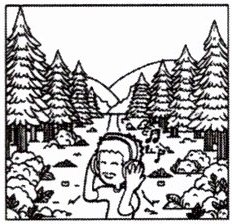
As we often use eyes to touch nature, most of us "lose" the ability to listen to the world.
Peter writes music. He likes sounds and uses natural sounds as part of his music. He often went out to the wild with his microphone and recorded interesting sounds to put in movies or to use in his own songs. Instead of trying to capture just the sound of one animal or bird, he recorded the sound of everything all together—the animals, the trees, the wind and the earth. He called these recordings "soundscapes"—the sound of a certain place. Every soundscape Peter recorded had a lot of information.
Back in his workshop, Peter used a computer to make a picture of all the sounds going on in a place. Each animal, bird and insect had its own place on the picture—its own notes in the music. The busier the picture is, the richer the life in that place is. "While a picture may be worth 1,000 words, a soundscape is worth 1,000 pictures," Peter said. "Our ears tell us the sound of every leaf and animal and speak to the natural sources (来源) of our lives, which may hold the secrets of love for all things, especially our own humanity."
But not everything is satisfying. When Peter began recording over forty years ago, he could record for ten hours and get one hour of usable material good enough for a movie. Now, because of human activities, it can take up to 1,000 hours or more to get the same thing. Some of the places he has recorded over the years have slowly fallen silent. His sound pictures show that although nature might look the same to humans, it has lost part of its orchestra (管弦乐队).
So next time you are in the forests, try another way to look—shut your eyes, and listen.
(
A. To write songs for a music group.
B. To discover rich lives in the forest.
C. To use some of them in his music.
D. To make music about birds singing.
(
A. Shut.
B. Catch.
C. Touch.
D. Check.
(
A. The sound of every leaf and animal in nature.
B. The sound recorded in the natural environment.
C. A picture of music with sounds of 1,000 animals.
D. A picture of music with natural sounds in a place.
(
A. Recording sounds needs less material.
B. Sound pictures are the same as before.
C. Some beautiful sounds in nature are lost.
D. Human activities improve recording results.
(
A. Nature is the source of our future.
B. Nature has wonders to be heard.
C. Making music enriches our lives.
D. Making music needs information.
 ![]()
![]()
As we often use eyes to touch nature, most of us "lose" the ability to listen to the world.
Peter writes music. He likes sounds and uses natural sounds as part of his music. He often went out to the wild with his microphone and recorded interesting sounds to put in movies or to use in his own songs. Instead of trying to capture just the sound of one animal or bird, he recorded the sound of everything all together—the animals, the trees, the wind and the earth. He called these recordings "soundscapes"—the sound of a certain place. Every soundscape Peter recorded had a lot of information.
Back in his workshop, Peter used a computer to make a picture of all the sounds going on in a place. Each animal, bird and insect had its own place on the picture—its own notes in the music. The busier the picture is, the richer the life in that place is. "While a picture may be worth 1,000 words, a soundscape is worth 1,000 pictures," Peter said. "Our ears tell us the sound of every leaf and animal and speak to the natural sources (来源) of our lives, which may hold the secrets of love for all things, especially our own humanity."
But not everything is satisfying. When Peter began recording over forty years ago, he could record for ten hours and get one hour of usable material good enough for a movie. Now, because of human activities, it can take up to 1,000 hours or more to get the same thing. Some of the places he has recorded over the years have slowly fallen silent. His sound pictures show that although nature might look the same to humans, it has lost part of its orchestra (管弦乐队).
So next time you are in the forests, try another way to look—shut your eyes, and listen.
(
C
)1. Why did Peter record natural sounds?A. To write songs for a music group.
B. To discover rich lives in the forest.
C. To use some of them in his music.
D. To make music about birds singing.
(
B
)2. What does the underlined word "capture" in Paragraph 2 mean?A. Shut.
B. Catch.
C. Touch.
D. Check.
(
D
)3. What is a sound picture in the text?A. The sound of every leaf and animal in nature.
B. The sound recorded in the natural environment.
C. A picture of music with sounds of 1,000 animals.
D. A picture of music with natural sounds in a place.
(
C
)4. What can we learn from Paragraph 4?A. Recording sounds needs less material.
B. Sound pictures are the same as before.
C. Some beautiful sounds in nature are lost.
D. Human activities improve recording results.
(
B
)5. What does the writer mainly want to tell us?A. Nature is the source of our future.
B. Nature has wonders to be heard.
C. Making music enriches our lives.
D. Making music needs information.
![]()答案
1. C 【点拨】根据“He often went out to the wild with his microphone and recorded interesting sounds to put in movies or to use in his own songs.”可知,Peter 录制大自然声音是为了在他的音乐中使用这些声音。故选 C。
2. B 【点拨】根据“Instead of trying to capture just the sound of one animal or bird, he recorded the sound of everything all together—the animals, the trees, the wind and the earth.”可知他没有试图只捕捉一种动物或鸟类的声音,而是把所有东西的声音都记录下来,故此处画线单词意为“捕捉”,和 catch 意义相近。故选 B。
3. D 【点拨】根据“Peter used a computer to make a picture of all the sounds going on in a place. Each animal, bird and insect had its own place on the picture—its own notes in the music”可知“sound picture”是指用计算机制作的包含某个地方所有声音的图片,即包含自然声音的音乐图片。故选 D。
4. C 【点拨】根据“Now, because of human activities, it can take up to 1,000 hours or more to get the same thing. Some of the places he has recorded over the years have slowly fallen silent.”可知由于人类活动的影响,一些大自然声音已经逐渐消失。故选 C。
5. B 【点拨】本文主要讲述了 Peter 通过录制大自然声音来创作音乐,并强调了大自然声音的丰富性和重要性,所以文章主要告诉我们大自然有奇妙的声音。故选 B。
2. B 【点拨】根据“Instead of trying to capture just the sound of one animal or bird, he recorded the sound of everything all together—the animals, the trees, the wind and the earth.”可知他没有试图只捕捉一种动物或鸟类的声音,而是把所有东西的声音都记录下来,故此处画线单词意为“捕捉”,和 catch 意义相近。故选 B。
3. D 【点拨】根据“Peter used a computer to make a picture of all the sounds going on in a place. Each animal, bird and insect had its own place on the picture—its own notes in the music”可知“sound picture”是指用计算机制作的包含某个地方所有声音的图片,即包含自然声音的音乐图片。故选 D。
4. C 【点拨】根据“Now, because of human activities, it can take up to 1,000 hours or more to get the same thing. Some of the places he has recorded over the years have slowly fallen silent.”可知由于人类活动的影响,一些大自然声音已经逐渐消失。故选 C。
5. B 【点拨】本文主要讲述了 Peter 通过录制大自然声音来创作音乐,并强调了大自然声音的丰富性和重要性,所以文章主要告诉我们大自然有奇妙的声音。故选 B。
解析
【分析】
拿到这篇阅读理解,首先先通读全文理清脉络:文章介绍了音乐创作者Peter常年到野外录制自然声景,将自然声音融入自己的音乐作品,同时反映出人类活动让不少自然声音逐渐消失的现状,最后呼吁大家放下视觉惯性,用耳朵去感知自然。解题时可以按题型逐个突破:细节题直接定位题干对应的原文段落,找到匹配表述排除干扰选项;词义猜测题结合上下文逻辑推断生词含义;主旨大意题梳理全文核心表达,避免把局部细节错当成全文主旨。
【解析】
1. 细节理解题:根据第二段原文“He often went out to the wild with his microphone and recorded interesting sounds to put in movies or to use in his own songs.”可知Peter录制自然声音是为了将它们用到自己的音乐作品中,A选项“为音乐团体写歌”原文未提及,B选项“发现森林里丰富的生命”不是他录制声音的初衷,D选项“制作关于鸟鸣的音乐”表述过于片面,因此选C。
2. 词义猜测题:根据第二段画线词所在句“Instead of trying to capture just the sound of one animal or bird, he recorded the sound of everything all together—the animals, the trees, the wind and the earth.”,后文说明他把所有事物的声音都记录下来,可见他的目的不是只“捕捉/采集”单一种类的动物或鸟类的声音,capture此处含义和“catch(捕捉、采集)”一致,shut关闭、touch触摸、check检查都不符合语境,因此选B。
3. 细节理解题:根据第三段原文“Peter used a computer to make a picture of all the sounds going on in a place. Each animal, bird and insect had its own place on the picture—its own notes in the music”可知,sound picture是用电脑制作的、包含某一地点所有自然声音的音乐图像,A、B都只是单纯的声音描述,C选项“包含1000种动物声音的音乐图”不符合原文表述,因此选D。
4. 细节理解题:根据第四段原文“Some of the places he has recorded over the years have slowly fallen silent. His sound pictures show that although nature might look the same to humans, it has lost part of its orchestra”可知,受人类活动影响,自然界很多美好的声音已经逐渐消失了,A选项“录制声音需要的素材更少”和原文表述相反,B选项“声景图和之前一样”错误,D选项“人类活动提升录制效果”和原文相悖,因此选C。
5. 主旨大意题:全文围绕Peter录制自然声景的经历展开,强调自然中存在大量值得我们聆听的美妙声音,呼吁大家学会用耳朵感知自然,A选项“自然是我们未来的来源”偏离主题,C选项“创作音乐丰富我们的生活”是局部内容不是核心主旨,D选项“创作音乐需要信息”和文章表达的核心无关,因此选B。
【答案】
1. C 2. B 3. D 4. C 5. B
【知识点】
阅读理解细节定位,词义猜测,主旨大意归纳
【点评】
本题属于环保主题的说明文阅读,考点覆盖了初中英语阅读理解最常见的三类题型,难度梯度设置合理,既考查学生从原文精准定位信息、排除干扰项的基础阅读能力,也引导学生关注自然生态,建立聆听自然的意识,同时也能帮学生规避做主旨题时以偏概全的常见错误。
【难度系数】
0.7
拿到这篇阅读理解,首先先通读全文理清脉络:文章介绍了音乐创作者Peter常年到野外录制自然声景,将自然声音融入自己的音乐作品,同时反映出人类活动让不少自然声音逐渐消失的现状,最后呼吁大家放下视觉惯性,用耳朵去感知自然。解题时可以按题型逐个突破:细节题直接定位题干对应的原文段落,找到匹配表述排除干扰选项;词义猜测题结合上下文逻辑推断生词含义;主旨大意题梳理全文核心表达,避免把局部细节错当成全文主旨。
【解析】
1. 细节理解题:根据第二段原文“He often went out to the wild with his microphone and recorded interesting sounds to put in movies or to use in his own songs.”可知Peter录制自然声音是为了将它们用到自己的音乐作品中,A选项“为音乐团体写歌”原文未提及,B选项“发现森林里丰富的生命”不是他录制声音的初衷,D选项“制作关于鸟鸣的音乐”表述过于片面,因此选C。
2. 词义猜测题:根据第二段画线词所在句“Instead of trying to capture just the sound of one animal or bird, he recorded the sound of everything all together—the animals, the trees, the wind and the earth.”,后文说明他把所有事物的声音都记录下来,可见他的目的不是只“捕捉/采集”单一种类的动物或鸟类的声音,capture此处含义和“catch(捕捉、采集)”一致,shut关闭、touch触摸、check检查都不符合语境,因此选B。
3. 细节理解题:根据第三段原文“Peter used a computer to make a picture of all the sounds going on in a place. Each animal, bird and insect had its own place on the picture—its own notes in the music”可知,sound picture是用电脑制作的、包含某一地点所有自然声音的音乐图像,A、B都只是单纯的声音描述,C选项“包含1000种动物声音的音乐图”不符合原文表述,因此选D。
4. 细节理解题:根据第四段原文“Some of the places he has recorded over the years have slowly fallen silent. His sound pictures show that although nature might look the same to humans, it has lost part of its orchestra”可知,受人类活动影响,自然界很多美好的声音已经逐渐消失了,A选项“录制声音需要的素材更少”和原文表述相反,B选项“声景图和之前一样”错误,D选项“人类活动提升录制效果”和原文相悖,因此选C。
5. 主旨大意题:全文围绕Peter录制自然声景的经历展开,强调自然中存在大量值得我们聆听的美妙声音,呼吁大家学会用耳朵感知自然,A选项“自然是我们未来的来源”偏离主题,C选项“创作音乐丰富我们的生活”是局部内容不是核心主旨,D选项“创作音乐需要信息”和文章表达的核心无关,因此选B。
【答案】
1. C 2. B 3. D 4. C 5. B
【知识点】
阅读理解细节定位,词义猜测,主旨大意归纳
【点评】
本题属于环保主题的说明文阅读,考点覆盖了初中英语阅读理解最常见的三类题型,难度梯度设置合理,既考查学生从原文精准定位信息、排除干扰项的基础阅读能力,也引导学生关注自然生态,建立聆听自然的意识,同时也能帮学生规避做主旨题时以偏概全的常见错误。
【难度系数】
0.7
