

 登录
C
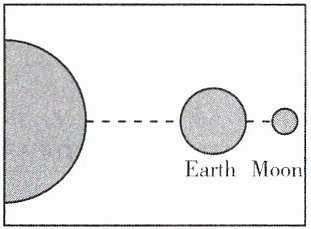
The Moon is missing! The Sun is missing too! We can’t see them. Where did they go? Maybe Tiangou ate it! In the old Chinese story, Tiangou was a dangerous dog with dark red eyes and a large mouth. When it got angry, it would fly into the sky and bite the Moon and the Sun, so the sky became dark soon.
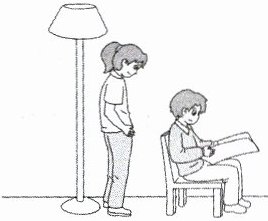
Now we know the story is not true. We can’t see the Moon or the Sun because an eclipse(月食,日食) happens. You can think about the picture in your head: When reading a book, someone walks between you and the light. The person makes a shadow on the book, so it is hard to see the words. This is the same way an eclipse happens. A lunar eclipse(the eclipse of the Moon) or a solar eclipse(the eclipse of the Sun) happens when the Earth or the Moon stops light coming from the Sun and makes a big shadow.
A full Moon is bright in the night sky. A shadow walks slowly across its face. It happens when the Moon, the Earth, and the Sun are in a line. The Moon moves into the Earth’s shadow, so it looks dark. We see the Moon again when it moves out of this shadow. Sometimes the Moon, the Earth and the Sun are in a straight line and the whole Moon is in Earth’s shadow. This is a total lunar eclipse. Sometimes the Earth’s shadow does not hide the whole Moon. This is a partial(部分的) lunar eclipse.
If the Moon, the Earth, and the Sun are in a line, but the Moon stands between them, what will happen?
(
A. To make readers interested in eclipses.
B. To make readers believe the old stories.
C. To show an angry dog can be dangerous.
D. To show Chinese knew eclipses years ago.
(
A. A picture.
B. A dark area.
C. An open space.
D. A strange thing.
(
A. the Sun stops shining in the sky
B. the Moon and the Sun change places
C. the Earth or the Moon stands in front of the Sun
D. the Moon, the Earth, and the Sun stand in a line
(
A. How the lunar eclipse comes.
B. How the solar eclipse comes.
C. How the sunlight comes to the Earth.
D. How the moonlight comes to the Earth.
The Moon is missing! The Sun is missing too! We can’t see them. Where did they go? Maybe Tiangou ate it! In the old Chinese story, Tiangou was a dangerous dog with dark red eyes and a large mouth. When it got angry, it would fly into the sky and bite the Moon and the Sun, so the sky became dark soon.
Now we know the story is not true. We can’t see the Moon or the Sun because an eclipse(月食,日食) happens. You can think about the picture in your head: When reading a book, someone walks between you and the light. The person makes a shadow on the book, so it is hard to see the words. This is the same way an eclipse happens. A lunar eclipse(the eclipse of the Moon) or a solar eclipse(the eclipse of the Sun) happens when the Earth or the Moon stops light coming from the Sun and makes a big shadow.
A full Moon is bright in the night sky. A shadow walks slowly across its face. It happens when the Moon, the Earth, and the Sun are in a line. The Moon moves into the Earth’s shadow, so it looks dark. We see the Moon again when it moves out of this shadow. Sometimes the Moon, the Earth and the Sun are in a straight line and the whole Moon is in Earth’s shadow. This is a total lunar eclipse. Sometimes the Earth’s shadow does not hide the whole Moon. This is a partial(部分的) lunar eclipse.
If the Moon, the Earth, and the Sun are in a line, but the Moon stands between them, what will happen?
(
A
)18. Why does the writer talk about Tiangou in Paragraph 1?A. To make readers interested in eclipses.
B. To make readers believe the old stories.
C. To show an angry dog can be dangerous.
D. To show Chinese knew eclipses years ago.
(
B
)19. What does the underlined word “shadow” in Paragraph 2 mean?A. A picture.
B. A dark area.
C. An open space.
D. A strange thing.
(
D
)20. When a lunar eclipse happens, .A. the Sun stops shining in the sky
B. the Moon and the Sun change places
C. the Earth or the Moon stands in front of the Sun
D. the Moon, the Earth, and the Sun stand in a line
(
B
)21. What will the writer talk about in the following paragraph?A. How the lunar eclipse comes.
B. How the solar eclipse comes.
C. How the sunlight comes to the Earth.
D. How the moonlight comes to the Earth.
答案
【文章大意】本文是一篇说明文,主要介绍了月食,包括月食形成的原因以及具体的呈现状态。
18. A 写作意图题。根据“The Moon is missing! The Sun is missing too! We can't see them. Where did they go? Maybe Tiangou ate it!”以及“Now we know the story is not true. We can't see the Moon or the Sun because an eclipse happens.”可知,作者引用天狗食月的故事是为了让读者对月食感兴趣。故选 A。
19. B 词义猜测题。根据“You can think about the picture in your head: When reading a book, someone walks between you and the light.”可知,这个人在书上留下阴影,所以很难看到字。所以 shadow 意为“阴影”,与“A dark area”含义相符。故选 B。
20. D 细节理解题。根据“It happens when the Moon, the Earth, and the Sun are in a line... Sometimes the Earth's shadow does not hide the whole Moon. This is a partial lunar eclipse.”可知,当月食发生时,月亮、地球和太阳在一条线上。故选 D。
21. B 推理判断题。根据“If the Moon, the Earth, and the Sun are in a line, but the Moon stands between them, what will happen?”可知,作者将谈论地球、月球和太阳成一条直线,且月球位于中间时发生的日食现象。故选 B。
解析
【分析】
这是一篇关于天文现象(月食、日食)的说明文,题目涵盖写作意图题、词义猜测题、细节理解题和推理判断题。解题思路为:1. 通读全文,把握文章主旨(用中国古老传说引出日食月食,重点介绍月食);2. 针对每个问题,回到原文定位相关内容,结合上下文分析选项;3. 排除与原文不符的选项,确定正确答案。
【解析】
18. 写作意图题:第一段用“天狗食月”的传说引出“月亮、太阳消失是因为发生了日食/月食”的科学事实,目的是吸引读者对天文现象(日食、月食)的兴趣,故选A。
19. 词义猜测题:根据第二段“当读书时,有人走在你和灯之间,会在书上留下shadow,导致看不清字”,结合常识,shadow意为“阴影(黑暗区域)”,对应选项B。
20. 细节理解题:根据第三段“月食发生时,月球、地球、太阳在一条线上,月球进入地球的阴影中”,可知月食发生时三者成一条直线,故选D。
21. 推理判断题:文章最后提问“如果月球、地球、太阳成一条线,且月球在中间,会发生什么?”,结合前文介绍了月食(地球在中间),接下来应介绍日食(月球在中间),故选B。
【答案】
18. A 19. B 20. D 21. B
【知识点】
英语阅读理解、词义猜测、细节理解
【点评】
本文结合中国传统故事解释天文现象,兼具趣味性与科学性,题目类型全面,考查学生的阅读理解、词义推断及逻辑推理能力,是典型的英语阅读练习题。
【难度系数】
0.6
