

 登录
登录
The pond’s secret
新素养 人与自然:生态与自然科学 难度:★★★★★ 建议用时:10分钟 拍照批改 有声伴读
池塘里水蚤肆虐,水生植物岌岌可危,该如何化解这场生态危机?快跟随学生们的脚步一探究竟。
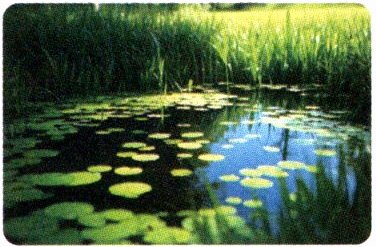
One day, a group of students went to a pond near their school for a scientific observation activity(科学观察活动). They were excited to study the pond ecosystem.
When they arrived, Lily noticed something strange. There were a lot of small water fleas(水蚤) in the pond, and they were eating the tiny water plants. Lily quickly told her teacher, Mr. Brown, “Mr. Brown, the water fleas are eating too many water plants. What should we do?”
Mr. Brown smiled and took out a small net. He carefully scooped some small fish up from a bucket beside him. “Don’t worry, Lily. We can use the knowledge of food chains to solve this problem,” he said.
Mr. Brown let the students put the small fish into the pond. “Water fleas like to eat water plants. These small fish like to eat water fleas. Let’s observe carefully in the next few days,” Mr. Brown explained.
Over the next week, the students came back to the pond several times. They found that the number of water fleas decreased, and that the water plants began to grow better. The pond ecosystem seemed to be back in balance.
生词卡片
ecosystem /ˈiːkəʊsɪstəm/ n. 生态系统 scoop /skuːp/ v. 用勺舀
observe /əbˈzɜːv/ /əbˈzɜːrv/ v. 观察
阅读短文,选择正确的答案。
(
A. A small net and some small fish. B. A small net and some water fleas.
C. Some water plants and small fish.
(
A. water plants→water fleas→small fish
B. water fleas→water plants→small fish
C. small fish→ water plants→water fleas
新素养 人与自然:生态与自然科学 难度:★★★★★ 建议用时:10分钟 拍照批改 有声伴读
池塘里水蚤肆虐,水生植物岌岌可危,该如何化解这场生态危机?快跟随学生们的脚步一探究竟。
One day, a group of students went to a pond near their school for a scientific observation activity(科学观察活动). They were excited to study the pond ecosystem.
When they arrived, Lily noticed something strange. There were a lot of small water fleas(水蚤) in the pond, and they were eating the tiny water plants. Lily quickly told her teacher, Mr. Brown, “Mr. Brown, the water fleas are eating too many water plants. What should we do?”
Mr. Brown smiled and took out a small net. He carefully scooped some small fish up from a bucket beside him. “Don’t worry, Lily. We can use the knowledge of food chains to solve this problem,” he said.
Mr. Brown let the students put the small fish into the pond. “Water fleas like to eat water plants. These small fish like to eat water fleas. Let’s observe carefully in the next few days,” Mr. Brown explained.
Over the next week, the students came back to the pond several times. They found that the number of water fleas decreased, and that the water plants began to grow better. The pond ecosystem seemed to be back in balance.
生词卡片
ecosystem /ˈiːkəʊsɪstəm/ n. 生态系统 scoop /skuːp/ v. 用勺舀
observe /əbˈzɜːv/ /əbˈzɜːrv/ v. 观察
阅读短文,选择正确的答案。
(
A
) 1. What did Mr. Brown take out?A. A small net and some small fish. B. A small net and some water fleas.
C. Some water plants and small fish.
(
A
) 2. Which of the following food chains is correct?A. water plants→water fleas→small fish
B. water fleas→water plants→small fish
C. small fish→ water plants→water fleas
答案
1. A 2. A 解析:正确的食物链应该是“water plants → water fleas → small fish”,体现了能量从水生植物开始,通过被水蚤摄食传递到水蚤,再通过小鱼捕食水蚤传递到小鱼的过程。
