

 登录
登录
Ⅰ.阅读理解
情境素材 马年春晚吉祥物 「2026 山西晋中期末改编」
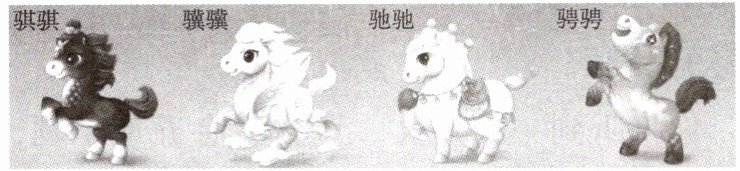
CCTV has four cute mascots(吉祥物) for the 2026 Spring Festival Gala(春晚). They are four small horses. Their names are qiqi, jiji, chichi and chengcheng. The mascots are designed to wish every Chinese a promising future.
Each horse looks special. Qiqi is black and cyan. Its look comes from a small old Chinese horse model(模型). Jiji has small wings and looks brave. Chichi’s hair is nice and divided into three strands, just like the horses in the Tang Dynasty. Chengcheng is strong and lively. All four horses have nice patterns on their bodies, like clouds.
These mascots bring good wishes. They mean “good luck”(好运) and “a happy new year”. Our school has a fun activity about them. We draw pictures of the four horses and talk about them with friends. Everyone likes these cute horses—they make us happy and excited.
1. What colour is qiqi?
A.Black and green. B.Red and white.
C.Blue and yellow. D.Red and green.
2. What do students do in the mascot activity?
A.They sell the mascots.
B.They buy the mascots.
C.They draw pictures of the mascots.
D.They design some new mascots.
3. 特色 考法 文章主题题 What’s the theme of the text?
A.Family. B.Festival.
C.Nature. D.Sports.
情境素材 马年春晚吉祥物 「2026 山西晋中期末改编」
CCTV has four cute mascots(吉祥物) for the 2026 Spring Festival Gala(春晚). They are four small horses. Their names are qiqi, jiji, chichi and chengcheng. The mascots are designed to wish every Chinese a promising future.
Each horse looks special. Qiqi is black and cyan. Its look comes from a small old Chinese horse model(模型). Jiji has small wings and looks brave. Chichi’s hair is nice and divided into three strands, just like the horses in the Tang Dynasty. Chengcheng is strong and lively. All four horses have nice patterns on their bodies, like clouds.
These mascots bring good wishes. They mean “good luck”(好运) and “a happy new year”. Our school has a fun activity about them. We draw pictures of the four horses and talk about them with friends. Everyone likes these cute horses—they make us happy and excited.
1. What colour is qiqi?
A.Black and green. B.Red and white.
C.Blue and yellow. D.Red and green.
2. What do students do in the mascot activity?
A.They sell the mascots.
B.They buy the mascots.
C.They draw pictures of the mascots.
D.They design some new mascots.
3. 特色 考法 文章主题题 What’s the theme of the text?
A.Family. B.Festival.
C.Nature. D.Sports.
答案
1.A 细节理解题。根据第二段中的“Qiqi is black and cyan.”可知,骐骐是一匹黑绿色的马。故选A。
2.C 细节理解题。根据第三段中的“We draw pictures of the four horses and talk about them with friends.”可知,学生们在学校吉祥物活动中画这四个吉祥物的图画。故选C。
3.B 文章主题题。本文介绍了2026年马年春晚的四个吉祥物,其话题和节日有关。故选B。
2.C 细节理解题。根据第三段中的“We draw pictures of the four horses and talk about them with friends.”可知,学生们在学校吉祥物活动中画这四个吉祥物的图画。故选C。
3.B 文章主题题。本文介绍了2026年马年春晚的四个吉祥物,其话题和节日有关。故选B。
解析
【分析】这是一篇关于2026年春晚吉祥物的英语阅读理解题,包含细节理解题和主旨大意题。解题时需根据题目关键词定位原文对应段落,提取关键信息作答:第1题关键词为“qiqi”,定位第二段查找颜色信息;第2题关键词为“mascot activity”,定位第三段查找学生的活动内容;第3题需通读全文,把握核心话题确定文章主题。
【解析】1. 细节理解题:根据原文第二段“Qiqi is black and cyan.”,cyan意为青色,对应选项A(Black and green),故选A。2. 细节理解题:根据原文第三段“We draw pictures of the four horses and talk about them with friends.”可知,学生在吉祥物活动中画吉祥物的图画,故选C。3. 主旨大意题:全文围绕2026年春晚吉祥物展开,核心话题与节日相关,故选B。
【答案】1.A 2.C 3.B
【知识点】英语阅读理解;细节理解题;主旨大意题
【点评】本题为基础英语阅读理解题,主要考查学生快速定位原文信息和把握文章主旨的能力,题型常规,难度较低,适合巩固阅读基础。
【难度系数】0.8
【解析】1. 细节理解题:根据原文第二段“Qiqi is black and cyan.”,cyan意为青色,对应选项A(Black and green),故选A。2. 细节理解题:根据原文第三段“We draw pictures of the four horses and talk about them with friends.”可知,学生在吉祥物活动中画吉祥物的图画,故选C。3. 主旨大意题:全文围绕2026年春晚吉祥物展开,核心话题与节日相关,故选B。
【答案】1.A 2.C 3.B
【知识点】英语阅读理解;细节理解题;主旨大意题
【点评】本题为基础英语阅读理解题,主要考查学生快速定位原文信息和把握文章主旨的能力,题型常规,难度较低,适合巩固阅读基础。
【难度系数】0.8
Ⅱ.阅读表达
[情境]素材 吉祥马 「2026甘肃兰州四校期末联考」
On November 25, 2025, "Lucky Horse", the mascot for the "Happy Chinese New Year" celebrations, was officially(正式地)shown to the world. It was designed to welcome the Year of the Horse.
This mascot has a special meaning. Its design(设计)comes from an ancient(古代的)Chinese bronze sculpture(青铜雕塑). It shows China's long history and culture. The mascot is bright red, a lucky color in China. The design brings warm wishes and good luck.
People designed "Lucky Horse" to show traditional Chinese culture. People can buy some things like soft toys, blind boxes, and red envelopes with the mascot all over the world.
I think "Lucky Horse" is both beautiful and meaningful. It mixes ancient art with modern life, making the Chinese New Year more colorful and joyful for people everywhere. It is more than a mascot. It is a friend that shares Chinese culture and good luck with the world. I believe it will bring smiles and blessings(祝福)to everyone who sees it.
阅读短文,根据要求回答下列问题。
4. When was "Lucky Horse" shown to the world?
5. Where does the design of "Lucky Horse" come from?
6. What is the color of the "Lucky Horse"?
7. Why did people design the mascot?
8. What does the writer think of the "Lucky Horse"?
[情境]素材 吉祥马 「2026甘肃兰州四校期末联考」
On November 25, 2025, "Lucky Horse", the mascot for the "Happy Chinese New Year" celebrations, was officially(正式地)shown to the world. It was designed to welcome the Year of the Horse.
This mascot has a special meaning. Its design(设计)comes from an ancient(古代的)Chinese bronze sculpture(青铜雕塑). It shows China's long history and culture. The mascot is bright red, a lucky color in China. The design brings warm wishes and good luck.
People designed "Lucky Horse" to show traditional Chinese culture. People can buy some things like soft toys, blind boxes, and red envelopes with the mascot all over the world.
I think "Lucky Horse" is both beautiful and meaningful. It mixes ancient art with modern life, making the Chinese New Year more colorful and joyful for people everywhere. It is more than a mascot. It is a friend that shares Chinese culture and good luck with the world. I believe it will bring smiles and blessings(祝福)to everyone who sees it.
阅读短文,根据要求回答下列问题。
4. When was "Lucky Horse" shown to the world?
On November 25, 2025.
5. Where does the design of "Lucky Horse" come from?
An ancient Chinese bronze sculpture.
6. What is the color of the "Lucky Horse"?
Bright red.
7. Why did people design the mascot?
To show traditional Chinese culture.
8. What does the writer think of the "Lucky Horse"?
Beautiful and meaningful.
答案
4.On November 25, 2025. 根据第一段中的“On November 25, 2025, ‘Lucky Horse’... was officially shown to the world.”可知,吉祥马的发布时间是2025年11月25日。
5.An ancient Chinese bronze sculpture. 根据第二段中的“Its design comes from an ancient Chinese bronze sculpture.”可知,吉祥马的设计来源于一个中国古代的青铜雕塑。
6.Bright red. 根据第二段中的“The mascot is bright red”可知,吉祥马的颜色是鲜红色。
7.To show traditional Chinese culture. 根据第三段中的“People designed ‘Lucky Horse’ to show traditional Chinese culture.”可知,人们设计这个吉祥物是为了展示中国传统文化。
8.Beautiful and meaningful. 根据最后一段中的“I think ‘Lucky Horse’ is both beautiful and meaningful.”可知,作者认为吉祥马既美观又有意义。
5.An ancient Chinese bronze sculpture. 根据第二段中的“Its design comes from an ancient Chinese bronze sculpture.”可知,吉祥马的设计来源于一个中国古代的青铜雕塑。
6.Bright red. 根据第二段中的“The mascot is bright red”可知,吉祥马的颜色是鲜红色。
7.To show traditional Chinese culture. 根据第三段中的“People designed ‘Lucky Horse’ to show traditional Chinese culture.”可知,人们设计这个吉祥物是为了展示中国传统文化。
8.Beautiful and meaningful. 根据最后一段中的“I think ‘Lucky Horse’ is both beautiful and meaningful.”可知,作者认为吉祥马既美观又有意义。
解析
【分析】
本题为英语阅读理解的细节查找题,解题思路是先明确每个问题的核心关键词,再带着关键词回到原文中定位对应句子,精准提取关键信息即可得出答案,所有问题均针对原文具体细节,定位难度低。
【解析】
4. 定位原文第一段第一句,提取时间信息,得出答案;
5. 定位原文第二段第二句,提取设计来源信息,得出答案;
6. 定位原文第二段第四句,提取颜色信息,得出答案;
7. 定位原文第三段第一句,提取设计目的信息,得出答案;
8. 定位原文最后一段第一句,提取作者看法信息,得出答案。
【答案】
4.On November 25, 2025.
5.An ancient Chinese bronze sculpture.
6.Bright red.
7.To show traditional Chinese culture.
8.Beautiful and meaningful.
【知识点】
英语阅读理解(细节理解题),信息定位提取
【点评】
本题围绕“吉祥马”吉祥物展开,均为基础细节类问题,主要考查学生快速定位原文关键信息的能力,只要仔细阅读原文对应内容即可准确作答。
【难度系数】
0.9
本题为英语阅读理解的细节查找题,解题思路是先明确每个问题的核心关键词,再带着关键词回到原文中定位对应句子,精准提取关键信息即可得出答案,所有问题均针对原文具体细节,定位难度低。
【解析】
4. 定位原文第一段第一句,提取时间信息,得出答案;
5. 定位原文第二段第二句,提取设计来源信息,得出答案;
6. 定位原文第二段第四句,提取颜色信息,得出答案;
7. 定位原文第三段第一句,提取设计目的信息,得出答案;
8. 定位原文最后一段第一句,提取作者看法信息,得出答案。
【答案】
4.On November 25, 2025.
5.An ancient Chinese bronze sculpture.
6.Bright red.
7.To show traditional Chinese culture.
8.Beautiful and meaningful.
【知识点】
英语阅读理解(细节理解题),信息定位提取
【点评】
本题围绕“吉祥马”吉祥物展开,均为基础细节类问题,主要考查学生快速定位原文关键信息的能力,只要仔细阅读原文对应内容即可准确作答。
【难度系数】
0.9
