

 登录
登录
从仰望星空到指尖导航:人类方向感的进化
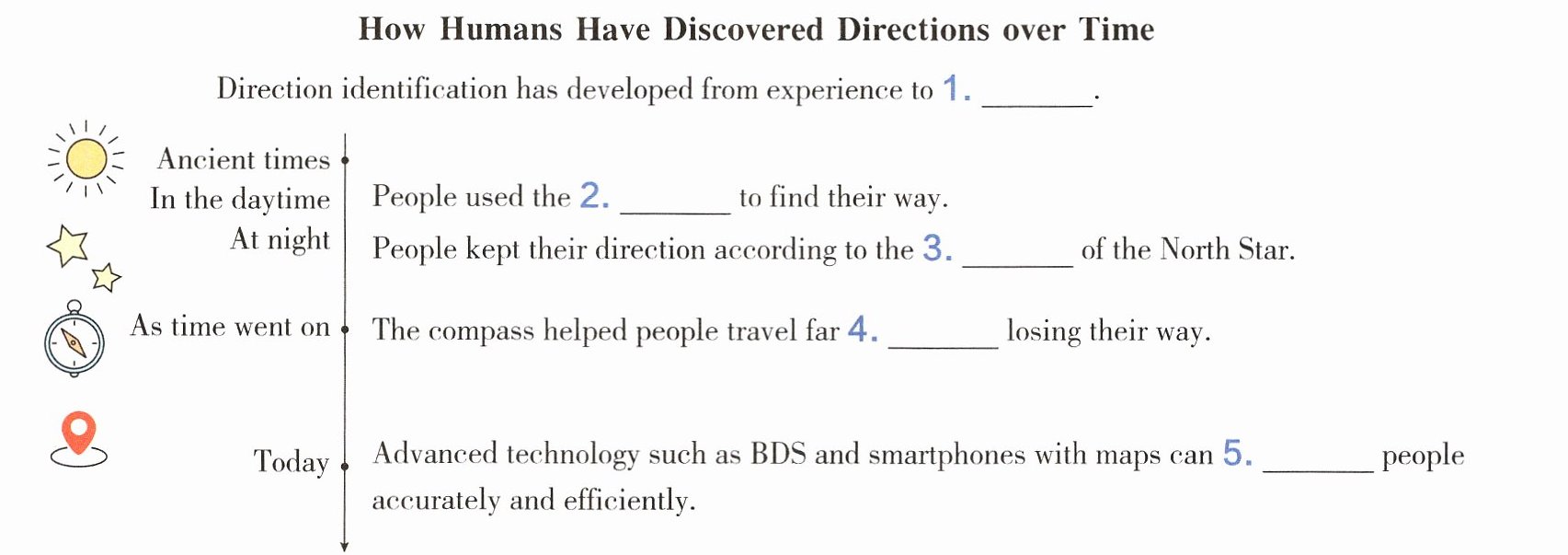
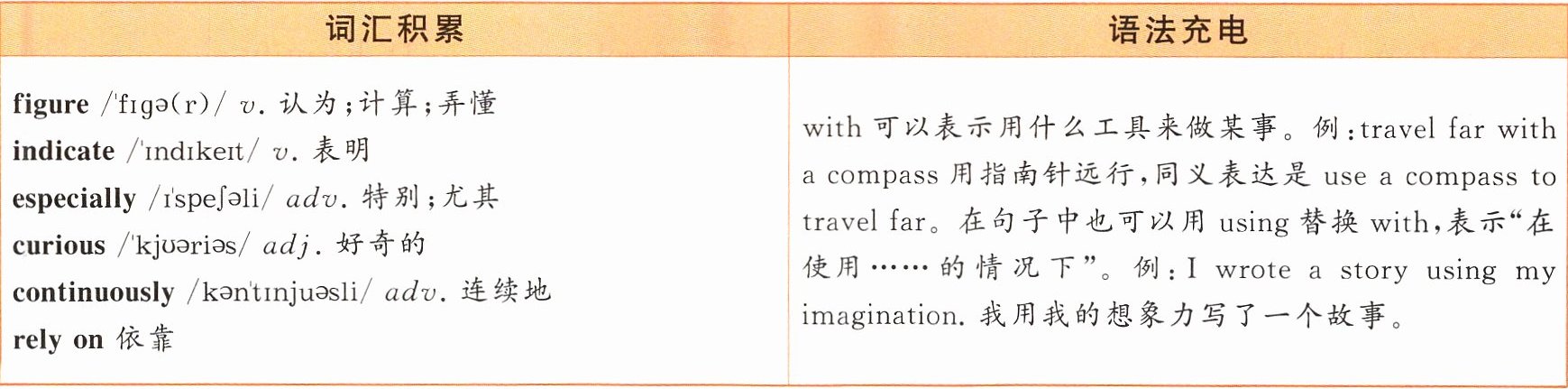
Since the beginning of human history, people have always needed to know which direction they are heading. They have come up with clever ways to figure this out, and these methods have developed over time.
In ancient times, people noticed that the sun rises in the east and sets in the west, allowing them to identify directions using this pattern. During the day, facing the sun indicated east, and in the evening, facing the sunset indicated west.
At night, they relied on the stars. One particular star, known as the North Star, is always located nearly above the Earth's north pole and points directly north. Ancient people learned to use the North Star to keep their direction, especially during long journeys.
As time passed, humans invented navigational tools. The compass, a key invention, uses a magnetic needle(磁针)that always points south. People could travel far and would not get lost with it.
Today, advanced technology like BDS and smartphone maps guide us. These devices can show us our exact location, suggest routes, and provide real-time traffic and weather updates.
In summary, people have always been curious about directions and have come up with clever ways to figure them out. From observing the sun and stars to using high-tech tools, we have continuously innovated to navigate our world more effectively.
新考法 思维导图 阅读短文,完成图表,每空1~2词。
视频精讲 口语朗读
语篇类型: 说明文
难度星级: ★★★★★
建议用时: /10 min
参考答案: P23
Since the beginning of human history, people have always needed to know which direction they are heading. They have come up with clever ways to figure this out, and these methods have developed over time.
In ancient times, people noticed that the sun rises in the east and sets in the west, allowing them to identify directions using this pattern. During the day, facing the sun indicated east, and in the evening, facing the sunset indicated west.
At night, they relied on the stars. One particular star, known as the North Star, is always located nearly above the Earth's north pole and points directly north. Ancient people learned to use the North Star to keep their direction, especially during long journeys.
As time passed, humans invented navigational tools. The compass, a key invention, uses a magnetic needle(磁针)that always points south. People could travel far and would not get lost with it.
Today, advanced technology like BDS and smartphone maps guide us. These devices can show us our exact location, suggest routes, and provide real-time traffic and weather updates.
In summary, people have always been curious about directions and have come up with clever ways to figure them out. From observing the sun and stars to using high-tech tools, we have continuously innovated to navigate our world more effectively.
新考法 思维导图 阅读短文,完成图表,每空1~2词。
视频精讲 口语朗读
语篇类型: 说明文
难度星级: ★★★★★
建议用时: /10 min
参考答案: P23
答案
1. high-tech tools 文章谈论古今导航方位手段的发展,以前人们只能根据自然现象总结经验,现在人们可以使用科技产品,并且根据“From observing the sun and stars to using high-tech tools”可知,这里填 high-tech tools。
2. sun 根据“In ancient times, people noticed that the sun rises in the east and sets in the west, allowing them to identify directions using this pattern.”可知,古时候在白天人们用太阳识别方位。
3. location/position 根据“One particular star, known as the North Star, is always located nearly above the Earth's north pole and points directly north.”可知,古时候在夜晚,人们根据北极星的位置确认方向。
4. without 根据“People could travel far and would not get lost with it.”可知,人们用指南针可以远行并且不会迷失方向。句子进行同义转换,也就是指南针帮助人们远行,不会迷路,without doing sth.表示“不做某事”。
5. guide 根据“Today, advanced technology like BDS and smartphone maps guide us. These devices can show us our exact location, suggest routes, and provide real-time traffic and weather updates.”可知,现在先进的技术如BDS和智能手机等能为我们精准并高效地领路。guide表示“为某人指路”。
2. sun 根据“In ancient times, people noticed that the sun rises in the east and sets in the west, allowing them to identify directions using this pattern.”可知,古时候在白天人们用太阳识别方位。
3. location/position 根据“One particular star, known as the North Star, is always located nearly above the Earth's north pole and points directly north.”可知,古时候在夜晚,人们根据北极星的位置确认方向。
4. without 根据“People could travel far and would not get lost with it.”可知,人们用指南针可以远行并且不会迷失方向。句子进行同义转换,也就是指南针帮助人们远行,不会迷路,without doing sth.表示“不做某事”。
5. guide 根据“Today, advanced technology like BDS and smartphone maps guide us. These devices can show us our exact location, suggest routes, and provide real-time traffic and weather updates.”可知,现在先进的技术如BDS和智能手机等能为我们精准并高效地领路。guide表示“为某人指路”。
