

 登录
登录
Ⅰ.把含有相同音素的字母填在合适的位置
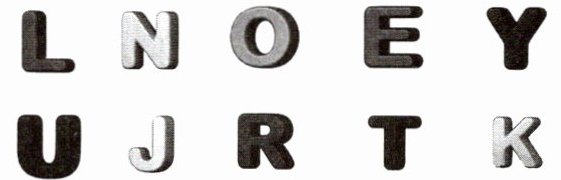
1./eɪ/:
2./iː/:
3./e/:
4./aɪ/:
5./əʊ/:
6./juː/:
7./ɑː/:
1./eɪ/:
J; K
2./iː/:
E; T
3./e/:
L; N
4./aɪ/:
Y
5./əʊ/:
O
6./juː/:
U
7./ɑː/:
R
答案
1.J; K 2.E; T 3.L; N 4.Y 5.O 6.U 7.R
解析
【分析】要解决这道题,需先回忆每个英文字母的标准音标,再根据题目给出的音素,将含有相同音素的字母归类。步骤为:1. 列出图中所有字母的音标;2. 对照每个音素,筛选出对应字母;3. 按要求填入对应位置。
【解析】先明确各字母音标:L /el/、N /en/、O /əʊ/、E /iː/、Y /waɪ/、U /juː/、J /dʒeɪ/、R /ɑː/、T /tiː/、K /keɪ/。再匹配音素:
1. 含/eɪ/的字母是J(/dʒeɪ/)、K(/keɪ/);
2. 含/iː/的字母是E(/iː/)、T(/tiː/);
3. 含/e/的字母是L(/el/)、N(/en/);
4. 含/aɪ/的字母是Y(/waɪ/);
5. 含/əʊ/的字母是O(/əʊ/);
6. 含/juː/的字母是U(/juː/);
7. 含/ɑː/的字母是R(/ɑː/)。
【答案】1.J; K 2.E; T 3.L; N 4.Y 5.O 6.U 7.R
【知识点】英语字母发音、音素分类
【点评】本题考察对英文字母标准音标的掌握,需熟悉常见字母的发音,通过匹配音素完成分类,是基础的语音知识题。
【难度系数】0.3
【解析】先明确各字母音标:L /el/、N /en/、O /əʊ/、E /iː/、Y /waɪ/、U /juː/、J /dʒeɪ/、R /ɑː/、T /tiː/、K /keɪ/。再匹配音素:
1. 含/eɪ/的字母是J(/dʒeɪ/)、K(/keɪ/);
2. 含/iː/的字母是E(/iː/)、T(/tiː/);
3. 含/e/的字母是L(/el/)、N(/en/);
4. 含/aɪ/的字母是Y(/waɪ/);
5. 含/əʊ/的字母是O(/əʊ/);
6. 含/juː/的字母是U(/juː/);
7. 含/ɑː/的字母是R(/ɑː/)。
【答案】1.J; K 2.E; T 3.L; N 4.Y 5.O 6.U 7.R
【知识点】英语字母发音、音素分类
【点评】本题考察对英文字母标准音标的掌握,需熟悉常见字母的发音,通过匹配音素完成分类,是基础的语音知识题。
【难度系数】0.3
Ⅱ.根据句意和音标提示写出所缺的单词
8.「2025山东潍坊中考改编」They might
9.It’s half past seven
10.Come here,
11.We often go and play tennis on Monday
8.「2025山东潍坊中考改编」They might
say
/seɪ/ “hello” or “hi”.9.It’s half past seven
now
/naʊ/. It’s time to get up, Li Wei.10.Come here,
please
/pliːz/, Nancy. I have a great gift for you.11.We often go and play tennis on Monday
morning
/ˈmɔːnɪŋ/.答案
8.say 9.now 10.please 11.morning
解析
【分析】本题要求根据音标提示和句子语境写出正确单词,需准确识别每个音标对应的常见英语词汇,结合句子的语法结构与语义,确定符合语境的单词。
【解析】8. 音标/seɪ/对应单词say,符合句子“They might say...”的语境;9. 音标/naʊ/对应单词now,“It’s half past seven now”语义通顺;10. 音标/pliːz/对应单词please,“Come here, please”是常用礼貌表达;11. 音标/ˈmɔːnɪŋ/对应单词morning,“on Monday morning”是固定搭配。
【答案】8.say 9.now 10.please 11.morning
【知识点】音标与单词对应、词汇拼写
【点评】本题为基础音标写词题,考查常见词汇的音形对应,是英语学习的基础题型,难度较低。
【难度系数】0.5
【解析】8. 音标/seɪ/对应单词say,符合句子“They might say...”的语境;9. 音标/naʊ/对应单词now,“It’s half past seven now”语义通顺;10. 音标/pliːz/对应单词please,“Come here, please”是常用礼貌表达;11. 音标/ˈmɔːnɪŋ/对应单词morning,“on Monday morning”是固定搭配。
【答案】8.say 9.now 10.please 11.morning
【知识点】音标与单词对应、词汇拼写
【点评】本题为基础音标写词题,考查常见词汇的音形对应,是英语学习的基础题型,难度较低。
【难度系数】0.5
Ⅲ.从方框中选出合适的词并用其适当形式填空
everyone greet unit thank other
12.We are going to learn
13.Some students like maths,
14.Please say “hello” if you want to
15.「2025 陕西中考改编」
16.I'm happy in my class.
everyone greet unit thank other
12.We are going to learn
Unit
One today.13.Some students like maths,
others
like English.14.Please say “hello” if you want to
greet
them.15.「2025 陕西中考改编」
Thank
you for sending me your family photo.16.I'm happy in my class.
Everyone
is kind to me.答案
12.Unit 13.others 14.greet 15.Thank 16.Everyone
解析
【分析】
本题为选词并用适当形式填空,首先明确方框内单词的含义与词性:everyone(不定代词,每个人)、greet(动词,问候)、unit(名词,单元)、thank(动词,感谢)、other(代词/形容词,其他的)。解题时需结合句子语境,同时注意单词的形式变化(如名词首字母大写、固定搭配、代词变形等):
12题语境为“学习……一”,对应“单元”,需大写首字母;
13题考查固定搭配“some...others...”(一些……另一些……);
14题“want to”后接动词原形,结合“说你好”的语境选“问候”;
15题考查固定搭配“Thank you for...”,句首首字母大写;
16题语境为“班里的每个人”,选不定代词everyone。
【解析】
12. 句意为“我们今天要学习第一单元”,“单元”对应unit,编号时首字母大写,故填Unit;
13. 句意为“一些学生喜欢数学,另一些喜欢英语”,固定搭配“some...others...”表示“一些……另一些……”,故填others;
14. 句意为“如果你想问候他们,请说‘你好’”,“want to do sth”为固定搭配,需填动词原形greet;
15. 句意为“谢谢你寄给我你的家庭照片”,固定搭配“Thank you for...”表示“因……感谢你”,句首首字母大写,故填Thank;
16. 句意为“我在班里很开心,每个人对我都很好”,结合语境选不定代词Everyone,句首首字母大写。
【答案】
12.Unit 13.others 14.greet 15.Thank 16.Everyone
【知识点】
词汇运用、固定搭配、代词与名词用法
【点评】
本题考查基础词汇的语境运用,结合固定搭配和句子逻辑即可快速作答,属于英语基础题型,难度较低。
【难度系数】
0.7
本题为选词并用适当形式填空,首先明确方框内单词的含义与词性:everyone(不定代词,每个人)、greet(动词,问候)、unit(名词,单元)、thank(动词,感谢)、other(代词/形容词,其他的)。解题时需结合句子语境,同时注意单词的形式变化(如名词首字母大写、固定搭配、代词变形等):
12题语境为“学习……一”,对应“单元”,需大写首字母;
13题考查固定搭配“some...others...”(一些……另一些……);
14题“want to”后接动词原形,结合“说你好”的语境选“问候”;
15题考查固定搭配“Thank you for...”,句首首字母大写;
16题语境为“班里的每个人”,选不定代词everyone。
【解析】
12. 句意为“我们今天要学习第一单元”,“单元”对应unit,编号时首字母大写,故填Unit;
13. 句意为“一些学生喜欢数学,另一些喜欢英语”,固定搭配“some...others...”表示“一些……另一些……”,故填others;
14. 句意为“如果你想问候他们,请说‘你好’”,“want to do sth”为固定搭配,需填动词原形greet;
15. 句意为“谢谢你寄给我你的家庭照片”,固定搭配“Thank you for...”表示“因……感谢你”,句首首字母大写,故填Thank;
16. 句意为“我在班里很开心,每个人对我都很好”,结合语境选不定代词Everyone,句首首字母大写。
【答案】
12.Unit 13.others 14.greet 15.Thank 16.Everyone
【知识点】
词汇运用、固定搭配、代词与名词用法
【点评】
本题考查基础词汇的语境运用,结合固定搭配和句子逻辑即可快速作答,属于英语基础题型,难度较低。
【难度系数】
0.7
Ⅳ.根据汉语意思完成句子,每空一词
17.「2025广西中考改编」早上好,萨拉。
18.「2025重庆中考改编」嗨,我是克里斯。很高兴见到你们!
Hi, I'm Chris. Nice
19.走进第一个房间并坐下。
Walk into the first room and
20.你和汤姆是好朋友,你们应该互相帮助。
You and Tom are good friends and you should help
21.你是学生,你应该先向你的老师问好。
You are a student and you should
17.「2025广西中考改编」早上好,萨拉。
Good
morning
, Sara.18.「2025重庆中考改编」嗨,我是克里斯。很高兴见到你们!
Hi, I'm Chris. Nice
to
meet/see
you!19.走进第一个房间并坐下。
Walk into the first room and
sit
down
.20.你和汤姆是好朋友,你们应该互相帮助。
You and Tom are good friends and you should help
each
other
.21.你是学生,你应该先向你的老师问好。
You are a student and you should
say
hi/hello
to
your teacher first.答案
17.Good morning 18.to meet/see 19.sit down 20.each other 21.say hi/hello to
解析
【分析】
本题为根据汉语意思完成英语句子的基础题,需结合日常英语交际用语和固定短语作答。17题对应“早上好”的固定英语表达,注意首字母大写;18题“很高兴见到你们”有固定句式结构;19题“坐下”是常用动词短语,需与前面动词形式一致;20题“互相”有固定搭配;21题“向……问好”是固定表达,需匹配句子空格数量。
【解析】
17题:“早上好”对应的英语日常交际用语为Good morning,故填Good morning;
18题:“很高兴见到你们”的固定句式为Nice to meet/see you,故填to meet/see;
19题:“坐下”的固定动词短语为sit down,与前面walk into并列,用动词原形,故填sit down;
20题:“互相”的英语固定搭配为each other,用于两者之间,故填each other;
21题:“向……问好”的固定表达为say hi/hello to sb,符合句子结构,故填say hi/hello to。
【答案】
17.Good morning 18.to meet/see 19.sit down 20.each other 21.say hi/hello to
【知识点】
日常交际用语、固定短语搭配
【点评】
本题考查英语基础日常交际用语及常用固定短语,属于七年级英语核心基础内容,难度较低,只要掌握相关基础表达即可轻松完成。
【难度系数】
0.9
本题为根据汉语意思完成英语句子的基础题,需结合日常英语交际用语和固定短语作答。17题对应“早上好”的固定英语表达,注意首字母大写;18题“很高兴见到你们”有固定句式结构;19题“坐下”是常用动词短语,需与前面动词形式一致;20题“互相”有固定搭配;21题“向……问好”是固定表达,需匹配句子空格数量。
【解析】
17题:“早上好”对应的英语日常交际用语为Good morning,故填Good morning;
18题:“很高兴见到你们”的固定句式为Nice to meet/see you,故填to meet/see;
19题:“坐下”的固定动词短语为sit down,与前面walk into并列,用动词原形,故填sit down;
20题:“互相”的英语固定搭配为each other,用于两者之间,故填each other;
21题:“向……问好”的固定表达为say hi/hello to sb,符合句子结构,故填say hi/hello to。
【答案】
17.Good morning 18.to meet/see 19.sit down 20.each other 21.say hi/hello to
【知识点】
日常交际用语、固定短语搭配
【点评】
本题考查英语基础日常交际用语及常用固定短语,属于七年级英语核心基础内容,难度较低,只要掌握相关基础表达即可轻松完成。
【难度系数】
0.9
Ⅴ.补全对话
「2026 山东东营实验中学期中」
根据对话内容,选出适当的句子补全对话,有两项多余。
A: Good afternoon!
B: 22
A: I'm new here. My name is Peter. 23
B: My name is Sam. Nice to meet you.
A: 24
B: Are you in Class 4?
A: 25
B: I'm in Class 2, too. We are classmates!
A: Great! 26
B: It's 8765432.
A.Good afternoon!
B.What's your name?
C.Nice to meet you, too.
D.Yes, I am.
E.No, I'm not.
F.What's your phone number(号码)?
G.Where are you from?
22.
Ⅵ.阅读理解
「文化知识 独特的打招呼方式」「2026 山东泰安肥城期末改编」
Good greetings help people make friends. Besides(除了)saying “How are you?” and “Nice to meet you”, there are other ways to say hello. Let’s see how people greet each other in different countries!
Touch Noses(碰鼻礼)
In Qatar(卡塔尔), people often touch noses to greet friends. Sometimes they also shake hands(握手)with the right hand after that. Women can do this too, but usually only with other women.
Shake Hands
In China, people now often shake hands to say hello. But in the old days, Chinese people were good at gongshouli(拱手礼)—putting one hand over the other fist(拳头)and shaking them a little.
Cheek Kiss(贴面礼)
In France, people often give a “cheek kiss” to greet someone. Usually, they kiss(亲吻)the air next to the left cheek and then the right cheek. They give two kisses!
Namaskar(合十礼)
In Nepal(尼泊尔), people put their hands together near the heart, nod their head a little, and make a small bow. This shows respect.
Warm greetings help people get on well with friends and make good friends easily. We all know simple hellos like “Hello!” and “How are you?”. And as we can see, people from different countries have their own special and interesting ways to say hello to each other.
27.How do people in Qatar often greet their friends?
A.They only shake hands.
B.They often touch noses.
C.They kiss on the cheek.
D.They bow to each other.
28.In France, how many kisses do people usually give to greet someone?
A.One kiss on the cheek.
B.Two kisses.
C.Three kisses.
D.They only shake hands.
29.In the old days, Chinese people were good at
A.shaking hands
B.touching noses
C.gongshouli
D.kissing the cheek
「2026 山东东营实验中学期中」
根据对话内容,选出适当的句子补全对话,有两项多余。
A: Good afternoon!
B: 22
A
A: I'm new here. My name is Peter. 23
B
B: My name is Sam. Nice to meet you.
A: 24
C
B: Are you in Class 4?
A: 25
E
I'm in Class 2. What about you?B: I'm in Class 2, too. We are classmates!
A: Great! 26
F
B: It's 8765432.
A.Good afternoon!
B.What's your name?
C.Nice to meet you, too.
D.Yes, I am.
E.No, I'm not.
F.What's your phone number(号码)?
G.Where are you from?
22.
A
23. B
24. C
25. E
26. F
Ⅵ.阅读理解
「文化知识 独特的打招呼方式」「2026 山东泰安肥城期末改编」
Good greetings help people make friends. Besides(除了)saying “How are you?” and “Nice to meet you”, there are other ways to say hello. Let’s see how people greet each other in different countries!
Touch Noses(碰鼻礼)
In Qatar(卡塔尔), people often touch noses to greet friends. Sometimes they also shake hands(握手)with the right hand after that. Women can do this too, but usually only with other women.
Shake Hands
In China, people now often shake hands to say hello. But in the old days, Chinese people were good at gongshouli(拱手礼)—putting one hand over the other fist(拳头)and shaking them a little.
Cheek Kiss(贴面礼)
In France, people often give a “cheek kiss” to greet someone. Usually, they kiss(亲吻)the air next to the left cheek and then the right cheek. They give two kisses!
Namaskar(合十礼)
In Nepal(尼泊尔), people put their hands together near the heart, nod their head a little, and make a small bow. This shows respect.
Warm greetings help people get on well with friends and make good friends easily. We all know simple hellos like “Hello!” and “How are you?”. And as we can see, people from different countries have their own special and interesting ways to say hello to each other.
27.How do people in Qatar often greet their friends?
A.They only shake hands.
B.They often touch noses.
C.They kiss on the cheek.
D.They bow to each other.
28.In France, how many kisses do people usually give to greet someone?
A.One kiss on the cheek.
B.Two kisses.
C.Three kisses.
D.They only shake hands.
29.In the old days, Chinese people were good at
C
.A.shaking hands
B.touching noses
C.gongshouli
D.kissing the cheek
答案
V.22.A 23.B 24.C 25.E 26.F
VI.[语篇解读] 本文主要介绍了不同国家独特的打招呼方式:卡塔尔的碰鼻礼、中国的握手和古代的拱手礼、法国的贴面礼、尼泊尔的合十礼。
27.B 细节理解题。根据“Touch Noses”部分中的“In Qatar, people often touch noses to greet friends.”可知,卡塔尔人经常通过碰鼻子问候朋友。故选B。
28.B 细节理解题。根据“Cheek Kiss”部分中的“Usually...They give two kisses!”可知,在法国人们通常亲吻两次来问候。故选B。
29.C 细节理解题。根据“Shake Hands”部分中的“But in the old days, Chinese people were good at gongshouli—putting one hand over the other fist and shaking them a little.”可知,古代中国人擅长拱手礼。故选C。
VI.[语篇解读] 本文主要介绍了不同国家独特的打招呼方式:卡塔尔的碰鼻礼、中国的握手和古代的拱手礼、法国的贴面礼、尼泊尔的合十礼。
27.B 细节理解题。根据“Touch Noses”部分中的“In Qatar, people often touch noses to greet friends.”可知,卡塔尔人经常通过碰鼻子问候朋友。故选B。
28.B 细节理解题。根据“Cheek Kiss”部分中的“Usually...They give two kisses!”可知,在法国人们通常亲吻两次来问候。故选B。
29.C 细节理解题。根据“Shake Hands”部分中的“But in the old days, Chinese people were good at gongshouli—putting one hand over the other fist and shaking them a little.”可知,古代中国人擅长拱手礼。故选C。
解析
【分析】
本题分为补全对话和阅读理解两部分。补全对话需结合上下文的问答逻辑,匹配日常交际用语:22题需回应“Good afternoon”,23题需对应答语“名字”的提问,24题需回应“Nice to meet you”,25题需结合后续“在2班”的否定回答,26题需对应答语“电话号码”的提问;阅读理解均为细节题,需定位原文对应段落,查找卡塔尔问候方式、法国亲吻次数、古代中国礼仪的相关信息。
【解析】
V.补全对话:
22. 上句为“Good afternoon!”,回应需用相同问候语,故选A;
23. 下句答语是“My name is Sam.”,此处应询问名字,故选B;
24. 上句是“Nice to meet you.”,回应用“Nice to meet you, too.”,故选C;
25. 上句问“Are you in Class 4?”,后句说明在2班,为否定回答,故选E;
26. 下句答语是电话号码,此处应询问电话号码,故选F。
VI.阅读理解:
27. 根据“Touch Noses”部分“In Qatar, people often touch noses to greet friends.”,可知卡塔尔人常碰鼻问候,选B;
28. 根据“Cheek Kiss”部分“Usually...They give two kisses!”,可知法国问候通常亲吻两次,选B;
29. 根据“Shake Hands”部分“But in the old days, Chinese people were good at gongshouli...”,可知古代中国人擅长拱手礼,选C。
【答案】
V.22.A 23.B 24.C 25.E 26.F;VI.27.B 28.B 29.C
【知识点】
日常交际用语、细节理解题、跨文化交际常识
【点评】
本题涵盖补全对话与阅读理解,补全对话侧重日常口语的语境运用,需结合上下文逻辑匹配选项;阅读理解聚焦不同国家的问候文化,以细节查找为主,考查学生信息定位能力,整体难度适中,适合巩固基础交际与跨文化知识。
【难度系数】
0.6
本题分为补全对话和阅读理解两部分。补全对话需结合上下文的问答逻辑,匹配日常交际用语:22题需回应“Good afternoon”,23题需对应答语“名字”的提问,24题需回应“Nice to meet you”,25题需结合后续“在2班”的否定回答,26题需对应答语“电话号码”的提问;阅读理解均为细节题,需定位原文对应段落,查找卡塔尔问候方式、法国亲吻次数、古代中国礼仪的相关信息。
【解析】
V.补全对话:
22. 上句为“Good afternoon!”,回应需用相同问候语,故选A;
23. 下句答语是“My name is Sam.”,此处应询问名字,故选B;
24. 上句是“Nice to meet you.”,回应用“Nice to meet you, too.”,故选C;
25. 上句问“Are you in Class 4?”,后句说明在2班,为否定回答,故选E;
26. 下句答语是电话号码,此处应询问电话号码,故选F。
VI.阅读理解:
27. 根据“Touch Noses”部分“In Qatar, people often touch noses to greet friends.”,可知卡塔尔人常碰鼻问候,选B;
28. 根据“Cheek Kiss”部分“Usually...They give two kisses!”,可知法国问候通常亲吻两次,选B;
29. 根据“Shake Hands”部分“But in the old days, Chinese people were good at gongshouli...”,可知古代中国人擅长拱手礼,选C。
【答案】
V.22.A 23.B 24.C 25.E 26.F;VI.27.B 28.B 29.C
【知识点】
日常交际用语、细节理解题、跨文化交际常识
【点评】
本题涵盖补全对话与阅读理解,补全对话侧重日常口语的语境运用,需结合上下文逻辑匹配选项;阅读理解聚焦不同国家的问候文化,以细节查找为主,考查学生信息定位能力,整体难度适中,适合巩固基础交际与跨文化知识。
【难度系数】
0.6
