

 登录
Chinese Teachers' Day is a festival celebrating the over 2 000-year tradition of respecting teachers and education in China.
The history of Teachers' Day dates back to the Han Dynasty. According to records, during the Han and Jin dynasties, on August 27th of the lunar calendar each year, the birthday of Confucius (孔子), the emperor would go to the Confucius Temple and worship(敬拜) the great teacher, and would also invite royal teachers to dinner. And on that day, teachers enjoyed a day's vacation and were given dried meat as gifts. Besides, best teachers who were chosen from the whole country would be given silver coins as prizes. In the Qing Dynasty, well-performing teachers would be given official titles or promoted to higher positions.
In ancient times, there was no fixed tuition fee(学费); the parents usually paid with money or food.
In private schools, teachers would receive money or gifts from the host family at certain festivals or at the beginning and end of each term. The festivals in which teachers received gifts were different in different areas, while the most valued ones were the Dragon Boat Festival, Mid-Autumn Festival and Chinese New Year, as well as Confucius' birthday and the private teacher's birthday.
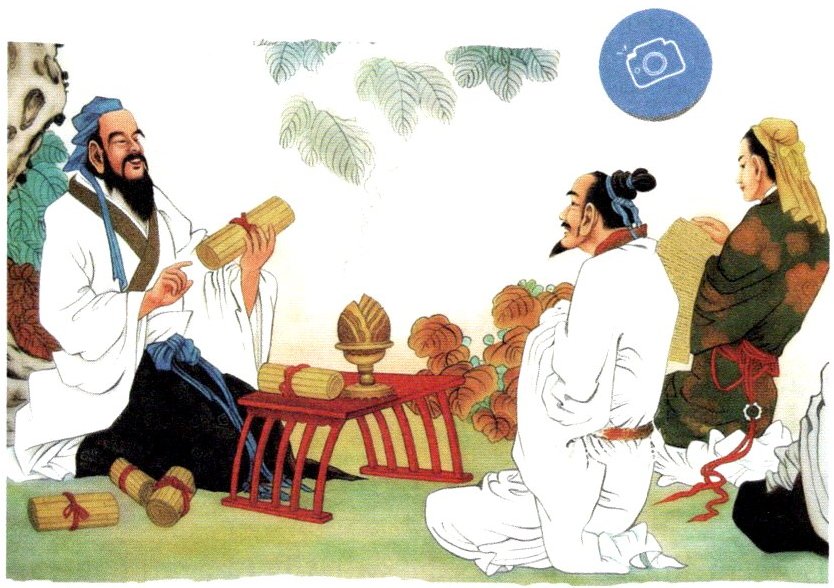
Among all the gift-giving situations, the first-meeting gift was a must. There was a tradition that when students met their teachers for the first time, they needed to kowtow(磕头) to Confucius' picture and then to their private teachers before giving their teachers a gift.
1. Who is the great teacher of China?
A. Confucius.
B. The emperor.
C. The royal teacher.
D. A private school teacher.
2. What does the underlined word “promoted” in Paragraph 2 mean?
A. Help something develop faster.
B. Move somebody to a more senior job.
C. Help sell a product or service, etc.
D. Move a sports team into a better group.
3. Which of the following is NOT true according to the passage?
A. In ancient times, food could be used as tuition.
B. On Confucius' birthday, teachers would have a day off.
C. The history of Teachers' Day starts from the Han Dynasty.
D. In ancient times, it was not necessary to prepare gifts when students met their teachers for the first time.
4. What’s the best title for the passage?
A. How to Respect Teachers
B. The Greatest Teacher in China
C. Teachers’ Day in Ancient China
D. Tuition Fees in the Han Dynasty
The history of Teachers' Day dates back to the Han Dynasty. According to records, during the Han and Jin dynasties, on August 27th of the lunar calendar each year, the birthday of Confucius (孔子), the emperor would go to the Confucius Temple and worship(敬拜) the great teacher, and would also invite royal teachers to dinner. And on that day, teachers enjoyed a day's vacation and were given dried meat as gifts. Besides, best teachers who were chosen from the whole country would be given silver coins as prizes. In the Qing Dynasty, well-performing teachers would be given official titles or promoted to higher positions.
In ancient times, there was no fixed tuition fee(学费); the parents usually paid with money or food.
In private schools, teachers would receive money or gifts from the host family at certain festivals or at the beginning and end of each term. The festivals in which teachers received gifts were different in different areas, while the most valued ones were the Dragon Boat Festival, Mid-Autumn Festival and Chinese New Year, as well as Confucius' birthday and the private teacher's birthday.
Among all the gift-giving situations, the first-meeting gift was a must. There was a tradition that when students met their teachers for the first time, they needed to kowtow(磕头) to Confucius' picture and then to their private teachers before giving their teachers a gift.
1. Who is the great teacher of China?
A. Confucius.
B. The emperor.
C. The royal teacher.
D. A private school teacher.
2. What does the underlined word “promoted” in Paragraph 2 mean?
A. Help something develop faster.
B. Move somebody to a more senior job.
C. Help sell a product or service, etc.
D. Move a sports team into a better group.
3. Which of the following is NOT true according to the passage?
A. In ancient times, food could be used as tuition.
B. On Confucius' birthday, teachers would have a day off.
C. The history of Teachers' Day starts from the Han Dynasty.
D. In ancient times, it was not necessary to prepare gifts when students met their teachers for the first time.
4. What’s the best title for the passage?
A. How to Respect Teachers
B. The Greatest Teacher in China
C. Teachers’ Day in Ancient China
D. Tuition Fees in the Han Dynasty
答案
1. A 细节理解题。由第二段中的“...on August 27th of the lunar calendar each year, the birthday of Confucius, the emperor would go to the Confucius Temple and worship the great teacher...”可知,孔子是中国伟大的老师,故选A项。
2. B 词义猜测题。由画线词所在句“In the Qing Dynasty, well-performing teachers would be given official titles or promoted to higher positions.”可知,在清朝,表现良好的老师会被授予官职或晋升到更高的职位,故promote与B项意思相近。
3. D 细节理解题。由最后一段中的“Among all the gift-giving situations, the first-meeting gift was a must.”可知,在古代,当学生初次拜见老师时,给老师的见面礼是必不可少的,故D项表述错误。
4. C 标题概括题。通读全文,尤其是前两段可知,本文主要介绍了古代教师节的起源与发展,并引出古人尊师重道的传统礼节与习俗,故C项为最佳标题。
