

 登录
登录
五、(2025·苏州市常熟期末)阅读理解。
When we look at the earth, we see many different things. Sometimes, you may hear people talk about landforms and landscapes. Are they the same thing? Let's find out!
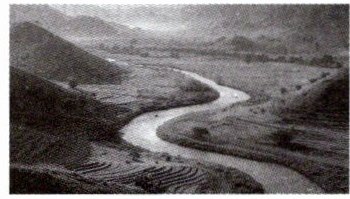
A landform is a natural feature of the earth's surface. Think of big mountains that rise high up, low valleys(山谷)between hills, flat plains that go on and on, and sandy deserts. These are all landforms. They are made by nature over a long, long time. For example, mountains are formed when huge pieces of the earth's surface push against(撞)each other. Valleys can be made by rivers cutting through the land little by little. Each landform has a name that tells us what it looks like and how it was formed. Scientists study landforms to learn about the history of the earth.
A landscape, on the other hand, is what you see when you look at an area of land. It includes(包括)landforms, but it also has other things like plants, buildings, and lakes. Imagine standing on top of a hill. You can see green trees waving in the wind, a small village with houses, and a clear lake nearby. All these things together make up the landscape. A landscape can change rapidly. If people build new buildings or cut down a lot of trees, the landscape will look different in just a few months.
Let's take a forest in the mountains as an example. The mountain is the landform—it's a natural feature of the earth. But when you see the tall trees, hear the birds singing, and watch a little stream(溪流)running down the mountain, that's the landscape.
So, the key difference is this: landform is about the natural shapes of the earth, and landscape is about the whole view of an area, including both natural and man-made things. Next time you go on a trip, try to enjoy different landforms and describe(描述)the beautiful landscapes around you!
1. What can we learn from the text about how mountains are formed?
A. They are made by people building up the land.
B. They are formed when rivers cut through the land.
C. They are formed when the earth's plates push against each other.
D. They are formed by heavy rains and strong winds.
2. What does the underlined word “rapidly” in Paragraph 3 probably mean?
A. Brightly.
B. Quickly.
C. Powerfully.
D. Quietly.
3. 新考法 写作手法 How does the writer explain the differences between landforms and landscapes?
A. By telling stories.
B. By listing numbers.
C. By giving examples.
D. By asking questions.
When we look at the earth, we see many different things. Sometimes, you may hear people talk about landforms and landscapes. Are they the same thing? Let's find out!
A landform is a natural feature of the earth's surface. Think of big mountains that rise high up, low valleys(山谷)between hills, flat plains that go on and on, and sandy deserts. These are all landforms. They are made by nature over a long, long time. For example, mountains are formed when huge pieces of the earth's surface push against(撞)each other. Valleys can be made by rivers cutting through the land little by little. Each landform has a name that tells us what it looks like and how it was formed. Scientists study landforms to learn about the history of the earth.
A landscape, on the other hand, is what you see when you look at an area of land. It includes(包括)landforms, but it also has other things like plants, buildings, and lakes. Imagine standing on top of a hill. You can see green trees waving in the wind, a small village with houses, and a clear lake nearby. All these things together make up the landscape. A landscape can change rapidly. If people build new buildings or cut down a lot of trees, the landscape will look different in just a few months.
Let's take a forest in the mountains as an example. The mountain is the landform—it's a natural feature of the earth. But when you see the tall trees, hear the birds singing, and watch a little stream(溪流)running down the mountain, that's the landscape.
So, the key difference is this: landform is about the natural shapes of the earth, and landscape is about the whole view of an area, including both natural and man-made things. Next time you go on a trip, try to enjoy different landforms and describe(描述)the beautiful landscapes around you!
1. What can we learn from the text about how mountains are formed?
A. They are made by people building up the land.
B. They are formed when rivers cut through the land.
C. They are formed when the earth's plates push against each other.
D. They are formed by heavy rains and strong winds.
2. What does the underlined word “rapidly” in Paragraph 3 probably mean?
A. Brightly.
B. Quickly.
C. Powerfully.
D. Quietly.
3. 新考法 写作手法 How does the writer explain the differences between landforms and landscapes?
A. By telling stories.
B. By listing numbers.
C. By giving examples.
D. By asking questions.
答案
五 1. C
2. B 【解析】根据画线词后的“If people build new buildings or cut down a lot of trees, the landscape will look different in just a few months.”可知,如果人们建造新的建筑物或砍伐大量的树木,景色将在短短几个月内看起来不同,因此景色变化很快。由此推知,画线词“rapidly”意为“快速地”,和 quickly 意思相近。
3. C
2. B 【解析】根据画线词后的“If people build new buildings or cut down a lot of trees, the landscape will look different in just a few months.”可知,如果人们建造新的建筑物或砍伐大量的树木,景色将在短短几个月内看起来不同,因此景色变化很快。由此推知,画线词“rapidly”意为“快速地”,和 quickly 意思相近。
3. C
解析
【分析】
1. 第1题:解题时先定位到文中介绍山脉形成的段落,即第二段,找到“mountains are formed when huge pieces of the earth's surface push against each other”这一关键句,再逐一对比选项,排除不符合原文的选项,得出正确答案。
2. 第2题:猜测词义需结合上下文语境,根据画线词后“the landscape will look different in just a few months”可知景色在短时间内就会变化,由此推断“rapidly”的含义,再匹配选项中的近义词。
3. 第3题:判断写作手法,需梳理文中内容,文中介绍地形和地貌区别时,列举了山脉、山谷、森林等例子,还通过想象站在山顶看到的景象来辅助说明,由此判断作者的写作手法。
【解析】
1. 第1题:根据文章第二段“mountains are formed when huge pieces of the earth's surface push against each other”可知,山脉是地球表面的巨大板块相互挤压形成的,选项C表述与之相符;选项A是人为造山,不符合原文;选项B是山谷的形成原因;选项D文中未提及,故选C。
2. 第2题:根据画线词后的“If people build new buildings or cut down a lot of trees, the landscape will look different in just a few months.”可知,人们建造新建筑或砍伐大量树木后,景色在短短几个月内就会变得不同,说明景色变化很快,因此“rapidly”意为“快速地”,与quickly意思相近,故选B。
3. 第3题:作者在介绍landform和landscape的区别时,列举了山脉、山谷、平原、沙漠等地形例子,还以山上的森林、站在山顶看到的景象为例来区分两者,采用的是举例子的写作手法,故选C。
【答案】
1. C
2. B
3. C
【知识点】
1. 细节理解解题
2. 词义猜测解题
3. 写作手法判断
【点评】
本文围绕地形和地貌的区别展开,题目覆盖了阅读理解常见的三种题型,考查学生提取文本信息、结合语境推断词义以及识别写作手法的能力,能有效锻炼学生的阅读理解综合能力。
【难度系数】
0.6
1. 第1题:解题时先定位到文中介绍山脉形成的段落,即第二段,找到“mountains are formed when huge pieces of the earth's surface push against each other”这一关键句,再逐一对比选项,排除不符合原文的选项,得出正确答案。
2. 第2题:猜测词义需结合上下文语境,根据画线词后“the landscape will look different in just a few months”可知景色在短时间内就会变化,由此推断“rapidly”的含义,再匹配选项中的近义词。
3. 第3题:判断写作手法,需梳理文中内容,文中介绍地形和地貌区别时,列举了山脉、山谷、森林等例子,还通过想象站在山顶看到的景象来辅助说明,由此判断作者的写作手法。
【解析】
1. 第1题:根据文章第二段“mountains are formed when huge pieces of the earth's surface push against each other”可知,山脉是地球表面的巨大板块相互挤压形成的,选项C表述与之相符;选项A是人为造山,不符合原文;选项B是山谷的形成原因;选项D文中未提及,故选C。
2. 第2题:根据画线词后的“If people build new buildings or cut down a lot of trees, the landscape will look different in just a few months.”可知,人们建造新建筑或砍伐大量树木后,景色在短短几个月内就会变得不同,说明景色变化很快,因此“rapidly”意为“快速地”,与quickly意思相近,故选B。
3. 第3题:作者在介绍landform和landscape的区别时,列举了山脉、山谷、平原、沙漠等地形例子,还以山上的森林、站在山顶看到的景象为例来区分两者,采用的是举例子的写作手法,故选C。
【答案】
1. C
2. B
3. C
【知识点】
1. 细节理解解题
2. 词义猜测解题
3. 写作手法判断
【点评】
本文围绕地形和地貌的区别展开,题目覆盖了阅读理解常见的三种题型,考查学生提取文本信息、结合语境推断词义以及识别写作手法的能力,能有效锻炼学生的阅读理解综合能力。
【难度系数】
0.6
