

 登录
登录
四、阅读理解
The ballet A Dream of Red Mansions, a classic Chinese dance adaptation of the famous 18th-century novel, returned to Singapore's Esplanade Theatre in mid-March 2026, six months after its first overseas performance in Bangkok, Thailand. Created by the National Ballet of China, this ballet combines(结合)classical Chinese charm with Western ballet techniques and has won widespread international praise since its first overseas show.
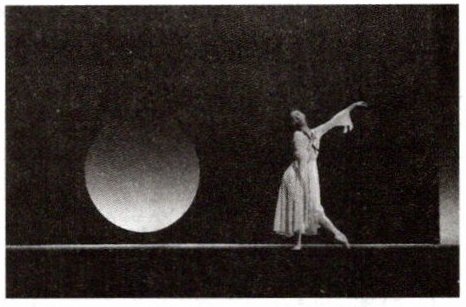
Qiu Yunting, a 30-year-old leading dancer from the National Ballet of China, played the main role of Lin Daiyu in the 2026 Singapore show. To present a fresh and real performance to local audiences, she made careful preparations for eight months.
"I've watched the videos of the Bangkok opening show countless times. The former dancer's performance as Daiyu is really moving. The role is challenging in both physical skills and inner feelings. It requires graceful dance steps and full emotional expression," she said. "For example, as Daiyu's sadness deepens and her health gradually fails, she dances to the poetic lines: 'When flowers fade and youth passes away, who will feel sorry for the lonely soul?'"
"The dancer must keep smooth and elegant(优雅的)movements while expressing deep sadness. It requires strong physical strength and exact control of every body movement," explained Qiu. "Some scenes need grand and powerful jumps, while others call for gentle and soft steps that show Daiyu's weak inner world."
Feng Ying, the ballet's lead dance designer, explained in an interview why the show values such a special mix of different styles. "Dance can express inner feelings that simple words cannot fully show. In my opinion, every movement should reflect(反映)the literary beauty of Chinese classics—quiet but full of emotion(情感), simple but meaningful," she said. For the 2026 Singapore show, Feng made slight changes: "An excellent ballet is not only a display of dancing skills, but also a perfect mix of movements, music and traditional Chinese artistic spirit."
"Art has no borders. It bridges people of different cultures and languages. I hope Singaporean audiences will be touched by this ballet and experience the timeless charm of Chinese classical culture," Qiu added.
(
A. She created new dance moves by herself.
B. She studied the classic novel over and over.
C. She practised together with the ballet's designer.
D. She learned much from the Bangkok performance.
(
A. Language is able to show inner feelings better.
B. The ballet may depend less on mixed artistic styles.
C. Dance movements should show classic literary beauty.
D. Dancing skills are the most important part of a ballet performance.
(
A. Art needs no fixed local background.
B. Art can go beyond cultural differences.
C. Different art forms have their own strict boundaries.
D. Artworks share similar styles all over the world.
(
A. To talk about the first overseas performance in Bangkok.
B. To introduce the ballet show A Dream of Red Mansions in Singapore.
C. To explain the creative ideas of the ballet's designer.
D. To describe how dancers prepare for foreign performances.
The ballet A Dream of Red Mansions, a classic Chinese dance adaptation of the famous 18th-century novel, returned to Singapore's Esplanade Theatre in mid-March 2026, six months after its first overseas performance in Bangkok, Thailand. Created by the National Ballet of China, this ballet combines(结合)classical Chinese charm with Western ballet techniques and has won widespread international praise since its first overseas show.
Qiu Yunting, a 30-year-old leading dancer from the National Ballet of China, played the main role of Lin Daiyu in the 2026 Singapore show. To present a fresh and real performance to local audiences, she made careful preparations for eight months.
"I've watched the videos of the Bangkok opening show countless times. The former dancer's performance as Daiyu is really moving. The role is challenging in both physical skills and inner feelings. It requires graceful dance steps and full emotional expression," she said. "For example, as Daiyu's sadness deepens and her health gradually fails, she dances to the poetic lines: 'When flowers fade and youth passes away, who will feel sorry for the lonely soul?'"
"The dancer must keep smooth and elegant(优雅的)movements while expressing deep sadness. It requires strong physical strength and exact control of every body movement," explained Qiu. "Some scenes need grand and powerful jumps, while others call for gentle and soft steps that show Daiyu's weak inner world."
Feng Ying, the ballet's lead dance designer, explained in an interview why the show values such a special mix of different styles. "Dance can express inner feelings that simple words cannot fully show. In my opinion, every movement should reflect(反映)the literary beauty of Chinese classics—quiet but full of emotion(情感), simple but meaningful," she said. For the 2026 Singapore show, Feng made slight changes: "An excellent ballet is not only a display of dancing skills, but also a perfect mix of movements, music and traditional Chinese artistic spirit."
"Art has no borders. It bridges people of different cultures and languages. I hope Singaporean audiences will be touched by this ballet and experience the timeless charm of Chinese classical culture," Qiu added.
(
D
)1. What can we learn about Qiu Yunting from her preparation for the show?A. She created new dance moves by herself.
B. She studied the classic novel over and over.
C. She practised together with the ballet's designer.
D. She learned much from the Bangkok performance.
(
C
)2. What can we infer(推断)from Feng Ying's words?A. Language is able to show inner feelings better.
B. The ballet may depend less on mixed artistic styles.
C. Dance movements should show classic literary beauty.
D. Dancing skills are the most important part of a ballet performance.
(
B
)3. What does the underlined sentence "Art has no borders" mean?A. Art needs no fixed local background.
B. Art can go beyond cultural differences.
C. Different art forms have their own strict boundaries.
D. Artworks share similar styles all over the world.
(
B
)4. What is the writer's main purpose of writing the passage?A. To talk about the first overseas performance in Bangkok.
B. To introduce the ballet show A Dream of Red Mansions in Singapore.
C. To explain the creative ideas of the ballet's designer.
D. To describe how dancers prepare for foreign performances.
答案
1.D 2.C 3.B 4.B
解析
【分析】本题为英语阅读理解题,需结合原文细节、上下文逻辑逐一分析各题:第1题定位Qiu Yunting的准备相关内容,比对选项;第2题从Feng Ying的表述中推断结论;第3题结合上下文理解短语含义;第4题归纳全文主旨,需准确提取原文信息,排除干扰项。
【解析】
1. 第1题:根据原文第三段Qiu Yunting的话“I've watched the videos of the Bangkok opening show countless times.”可知,她从曼谷的演出中学习了很多,对应选项D。A选项原文未提及自创舞蹈动作;B选项未提到反复阅读经典小说;C选项未提及与设计师共同练习,均排除。
2. 第2题:根据原文第五段Feng Ying的表述“every movement should reflect the literary beauty of Chinese classics”,可推断出舞蹈动作应展现经典文学美,对应选项C。A选项与原文“simple words cannot fully show inner feelings”相悖;B选项与她强调混合艺术风格的观点不符;D选项原文指出优秀芭蕾是技能、动作、音乐和中国艺术精神的结合,并非舞蹈技能最重要,排除。
3. 第3题:结合上下文“Art has no borders. It bridges people of different cultures and languages.”可知,该短语意为艺术能超越文化差异,对应选项B。A选项“无固定本地背景”不符合文意;C选项与原意相反;D选项“艺术作品风格相似”未提及,排除。
4. 第4题:全文围绕芭蕾舞《红楼梦》在新加坡的演出展开,介绍了演出背景、演员准备、设计师理念等内容,主旨是介绍这部在新加坡的芭蕾舞演出,对应选项B。A选项仅提及曼谷首演,片面;C选项仅涉及设计师,片面;D选项仅描述舞者准备,片面,排除。
【答案】1.D 2.C 3.B 4.B
【知识点】英语阅读理解、细节理解、推理判断
【点评】本题考查英语阅读理解的核心题型,要求学生具备信息定位、逻辑推理和主旨归纳能力,需准确区分干扰选项,难度适中。
【难度系数】0.6
【解析】
1. 第1题:根据原文第三段Qiu Yunting的话“I've watched the videos of the Bangkok opening show countless times.”可知,她从曼谷的演出中学习了很多,对应选项D。A选项原文未提及自创舞蹈动作;B选项未提到反复阅读经典小说;C选项未提及与设计师共同练习,均排除。
2. 第2题:根据原文第五段Feng Ying的表述“every movement should reflect the literary beauty of Chinese classics”,可推断出舞蹈动作应展现经典文学美,对应选项C。A选项与原文“simple words cannot fully show inner feelings”相悖;B选项与她强调混合艺术风格的观点不符;D选项原文指出优秀芭蕾是技能、动作、音乐和中国艺术精神的结合,并非舞蹈技能最重要,排除。
3. 第3题:结合上下文“Art has no borders. It bridges people of different cultures and languages.”可知,该短语意为艺术能超越文化差异,对应选项B。A选项“无固定本地背景”不符合文意;C选项与原意相反;D选项“艺术作品风格相似”未提及,排除。
4. 第4题:全文围绕芭蕾舞《红楼梦》在新加坡的演出展开,介绍了演出背景、演员准备、设计师理念等内容,主旨是介绍这部在新加坡的芭蕾舞演出,对应选项B。A选项仅提及曼谷首演,片面;C选项仅涉及设计师,片面;D选项仅描述舞者准备,片面,排除。
【答案】1.D 2.C 3.B 4.B
【知识点】英语阅读理解、细节理解、推理判断
【点评】本题考查英语阅读理解的核心题型,要求学生具备信息定位、逻辑推理和主旨归纳能力,需准确区分干扰选项,难度适中。
【难度系数】0.6
